- BGG rating
- 6.9
World At War Expansion
- 2–5 players
- 180 min
- Complexity 3.0/5
- 2004
1990
Rules assistance for The World at War
Plain-language explanations of turns, card effects and disputed situations, with official source references and saved question history.
For 2 players
What would you like to know?
Answers come from the official rulebook, with the page to check.
The World at War is a board game released in 1990 for 2–5 players, 180 minutes per game, and ages 12 and up. It was designed by Frank W. Zenau and William Kendrick and its main mechanics are Area Movement, Dice Rolling, and Area Majority / Influence.
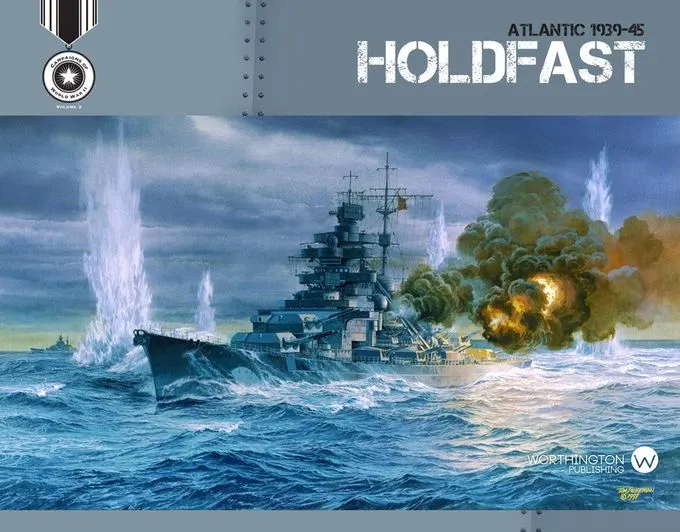
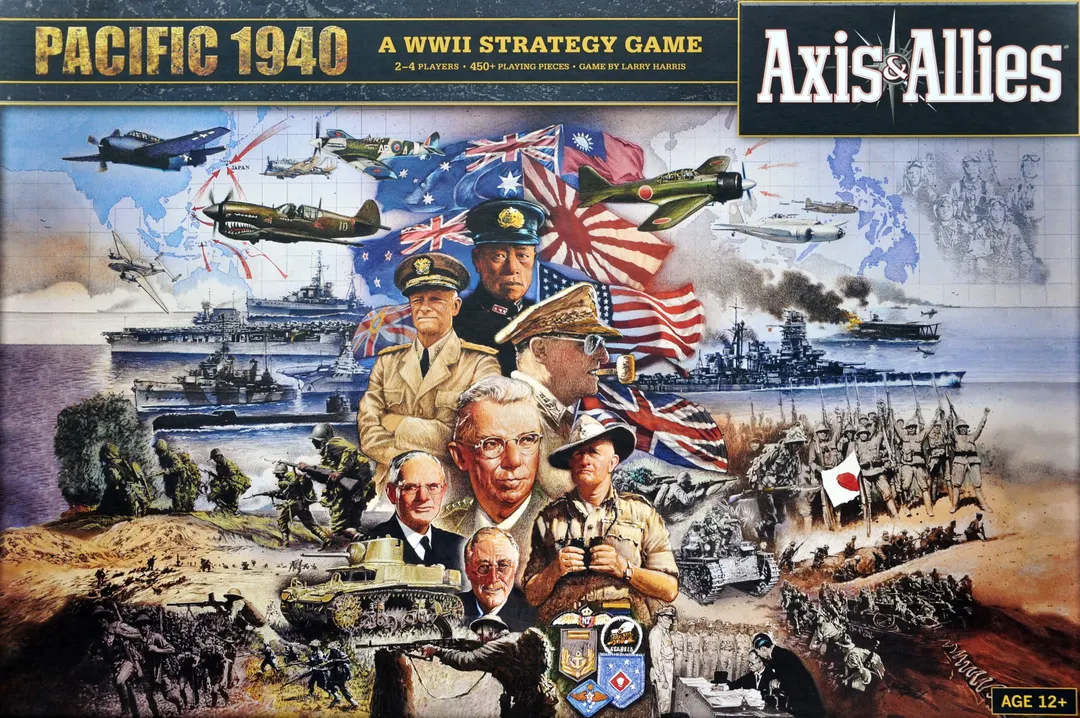
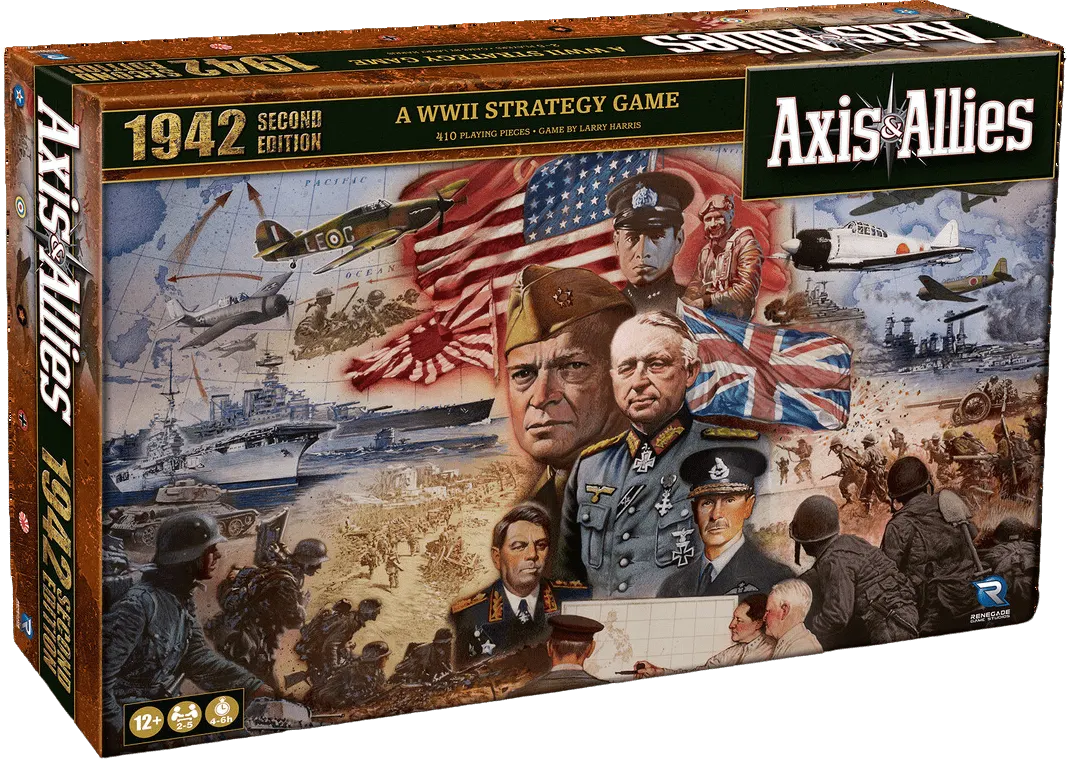
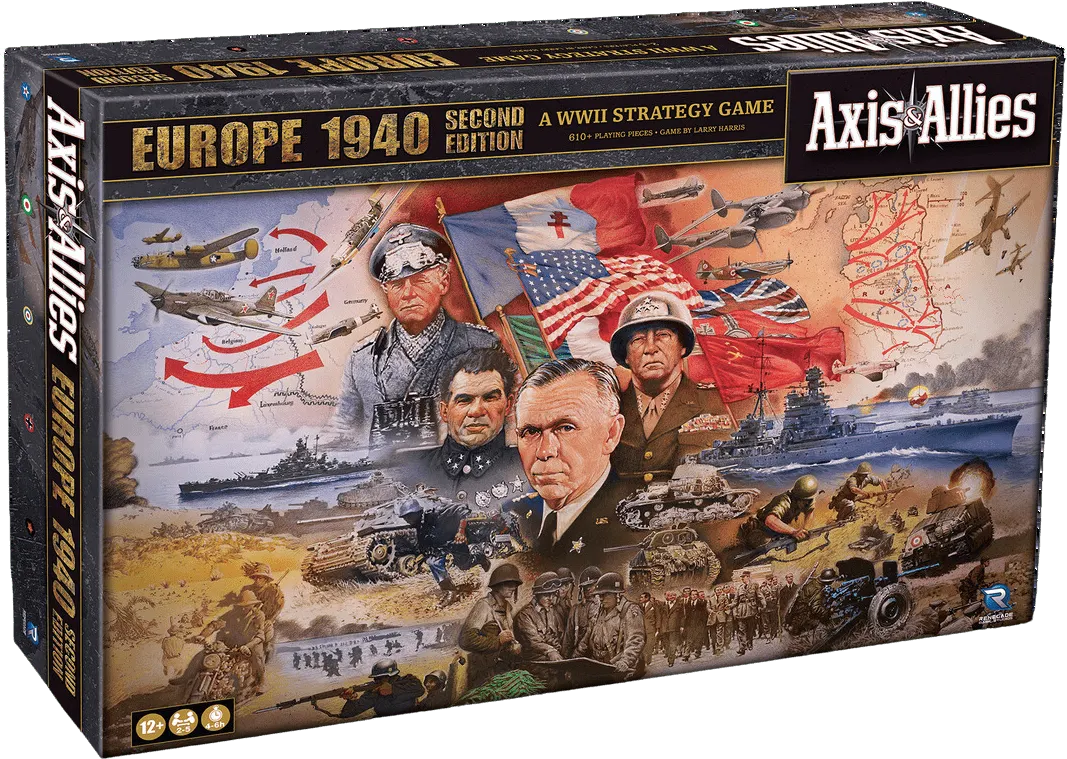
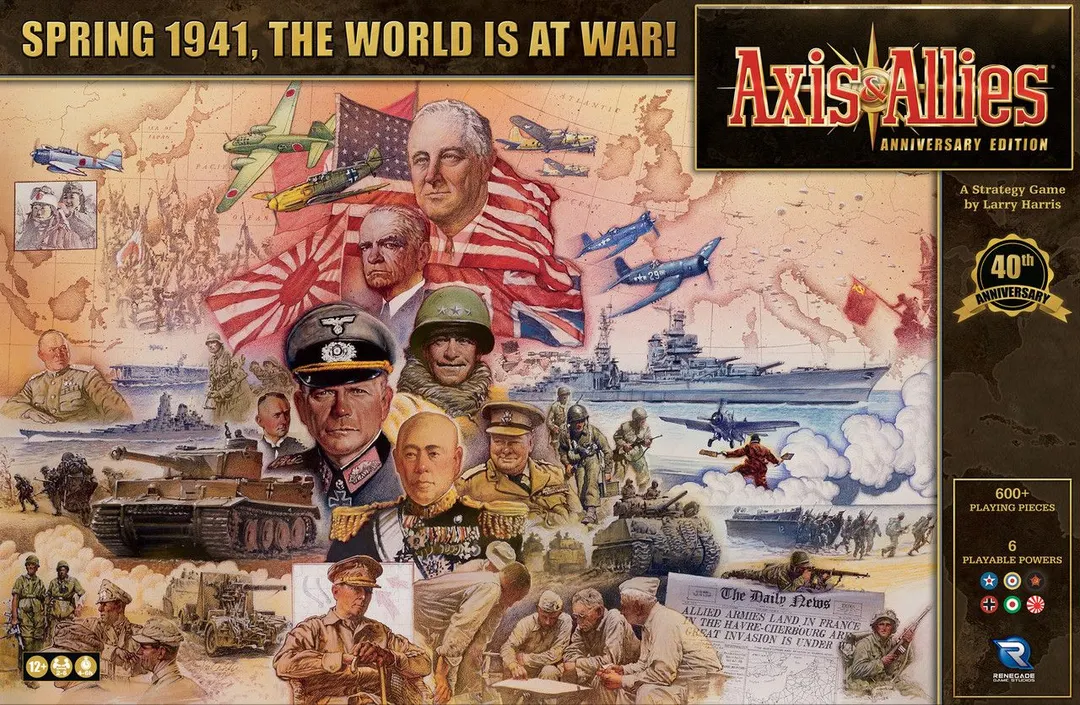
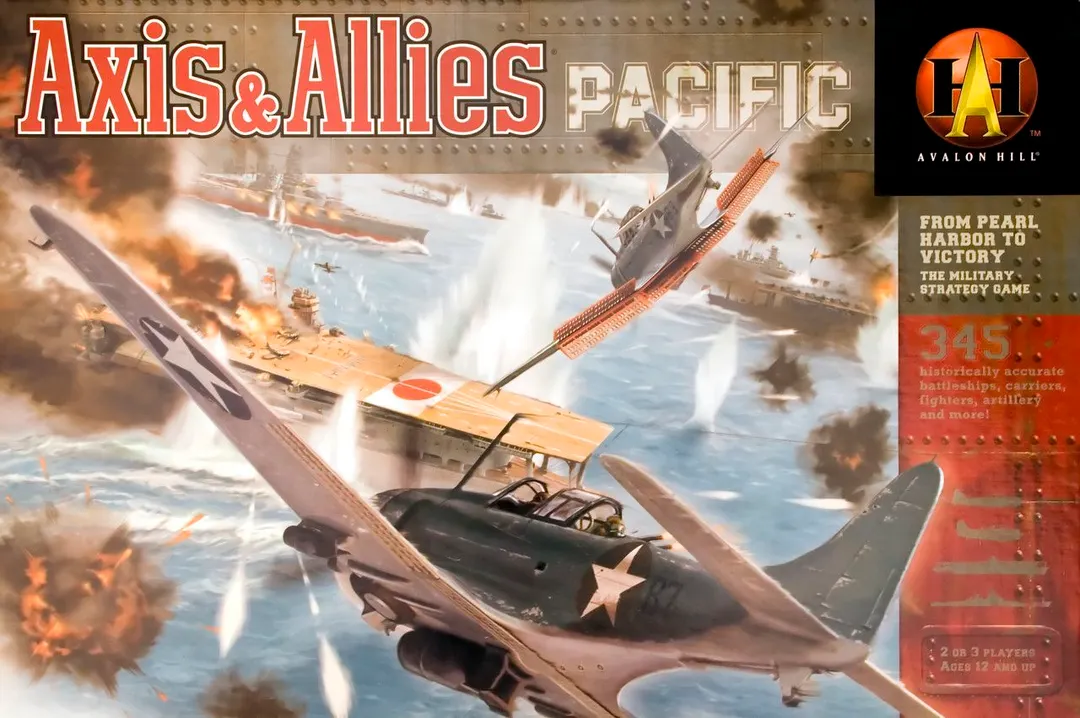
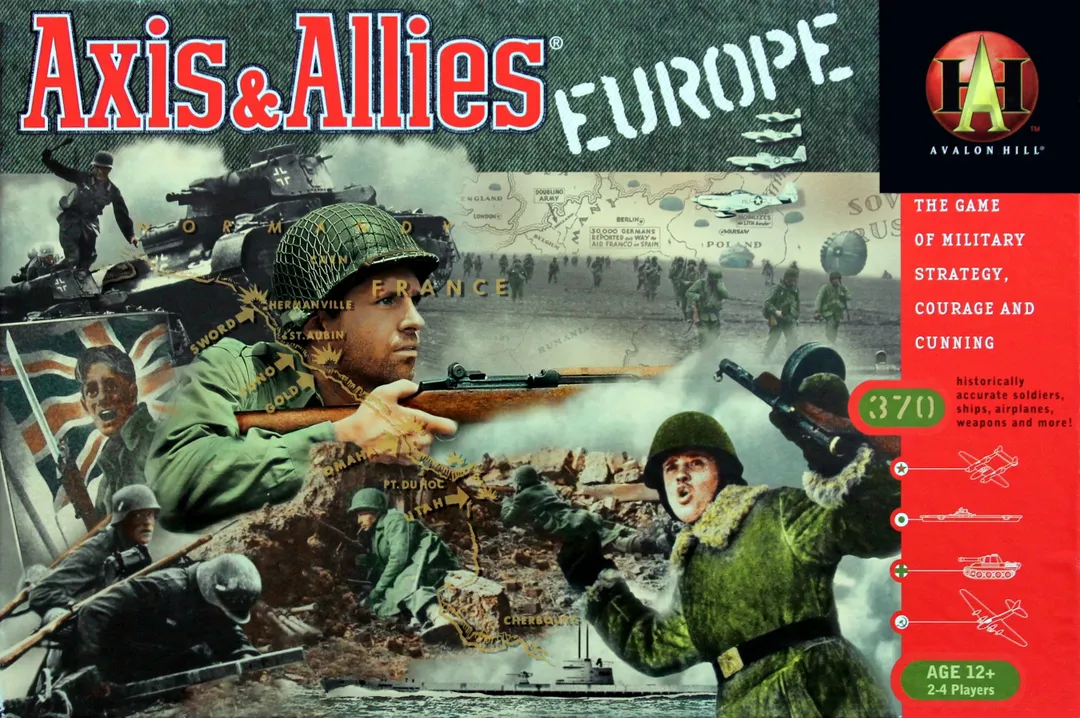
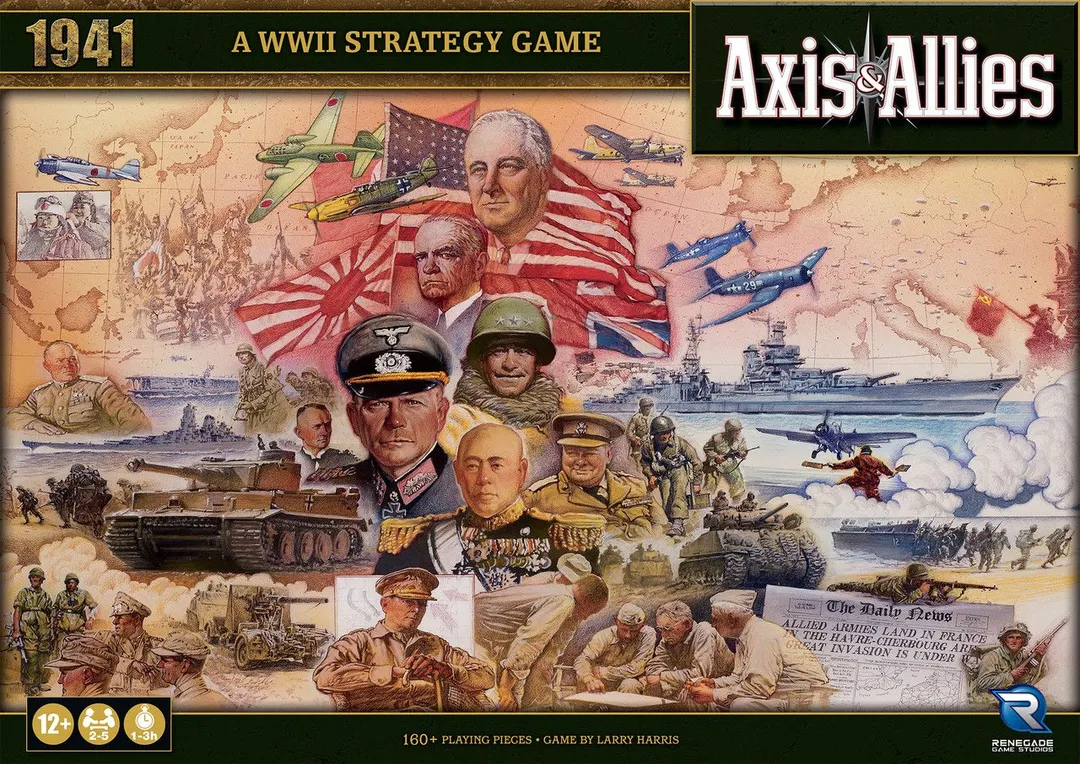
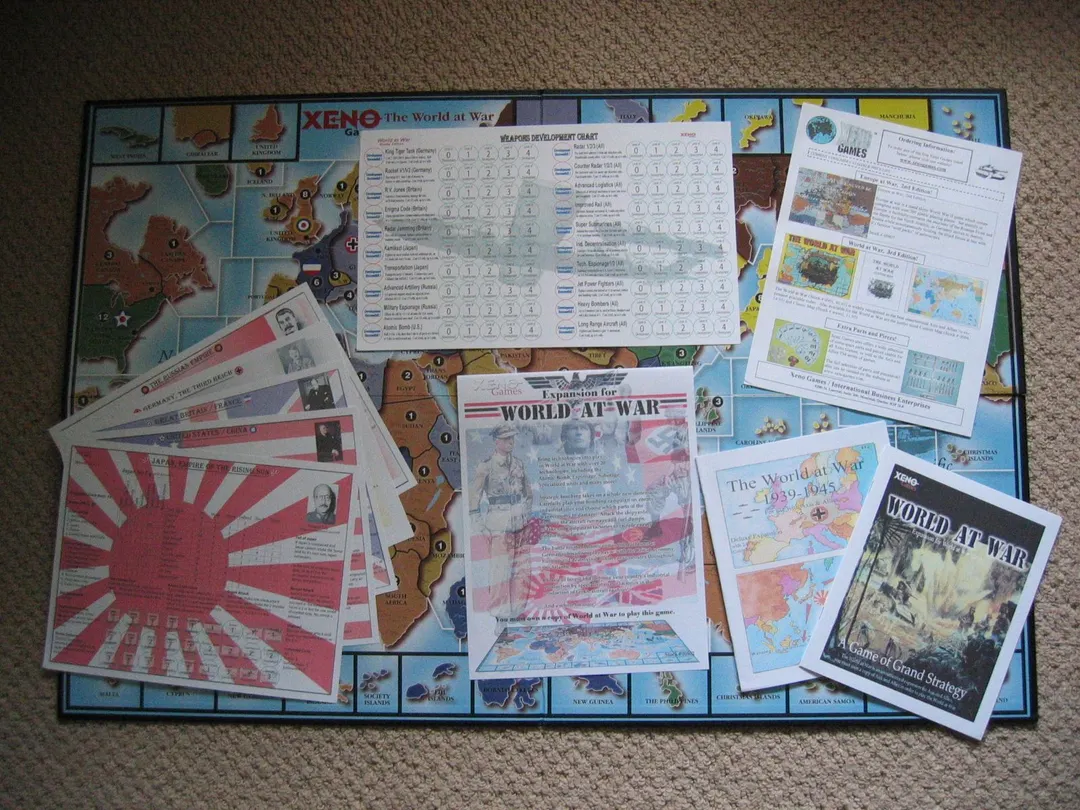
The World at War 1939-1945 was the first unofficial Axis & Allies expansion, published by Xeno Games. Many of the rule changes found in the later Axis & Allies Revised & Anniversary editions (such as the 2-hit battleships, "1/2 battleship" destroyers, artillery guns) were original innovations in The World at War, first published in 1990 with 238 playing pieces and a new 24"x36" map that added more territories. As an expansion, much of the 1984 edition of Axis & Allies was needed to play this expansion. The World at War 1939-1945 2nd Edition, published in 1993, balanced some of the gameplay and added some new ideas but retained the same glossy 24"x36" color map and pieces. The 3rd Edition, published in 1996, continued to improve gameplay balance and added Atomic Bombs to the technology development. After developing A-bomb technology, players spend 6 IPCs to buy one, which must be delivered via a Heavy Bomber (also a required technology). Damage to a land or sea zone by an A-bomb eliminates 20 IPCs worth of enemy units and renders the territory desolate (-5 IPC value, with +1 restoration each turn for two turns), causing devastation to the economy as well as military of an opposing player. Now in its 4th edition, The World at War includes a hardback map (replacing the poster-paper map of earlier editions), with some minor rule revisions over the 3rd ed, and this is a mature game in it's own right with differences significant enough for any A&A fan to appreciate, beyond all of the "official" editions published in recent years. There are new unit types, such as Destoyers, Paratroopers, SS Panzers and SS Panzergrenadiers, Russian Guards, Partisans. US Marines, Rangers and Armored Infantry, U-Boat Pens (complete with the plastic figurines and/or special rules). The rules introduce a variety of simulation fidelity enhancements, such as Banzai and Kamikaze attacks for the Japanese player, a Fall of France rule, Peacetime Production rules for the US and USSR, etc. Expands: Axis & Allies Expanded by: World At War Expansion World at War: Update 2005 Pack
The World at War supports 2–5 players according to the catalogue. This range comes from the publisher’s listed player count, so the game can be set up for any group size within it. Some setups, rules and scoring details may still vary by player count, so check your edition’s rulebook for the exact configuration.
The listed playing time for The World at War is 180 minutes. This is the publisher’s estimate for a full game. The actual duration depends on the group, the player count and familiarity with the rules: first sessions usually run longer, while experienced groups often finish faster. Setup and teaching time are not included in this estimate.
The catalogue lists The World at War for ages 12 and up. This is the publisher’s recommendation and reflects reading demands, rule complexity and small components rather than theme alone. Younger players can often join with help from an adult, so check the age guidance on your edition and consider your group’s experience with board games.
The World at War has a complexity rating of 3.3 out of 5 from BoardGameGeek players, which makes it a medium-weight game. The rating reflects how much rules knowledge, planning and decision-making a typical game demands. Expect a longer first teach for heavier games, and use a preparation guide before game night.
The World at War belongs to these categories: Economic, Wargame, and World War II. Its main mechanics are Area Movement, Dice Rolling, and Area Majority / Influence. Categories describe the theme and setting of a game, while mechanics describe what players actually do on their turns. Each mechanic links to a catalogue hub with similar games, which helps when you want something comparable.
The credited designers of The World at War are: Frank W. Zenau and William Kendrick. These credits come from the published game data and name the people responsible for the game’s design, not its illustrators or publishers. Designer pages on MeepleRules collect other titles by the same designers, which helps when you enjoy a game and want to find similar ones.
The catalogue lists The World at War as a base game. It can be played on its own with the components in the box and does not require any other title. Expansions, if any exist, add new content or rules on top of it and are listed separately in the catalogue with a link back to this base game.