

- BGG rank
- BGG #411
- BGG rating
- 7.4
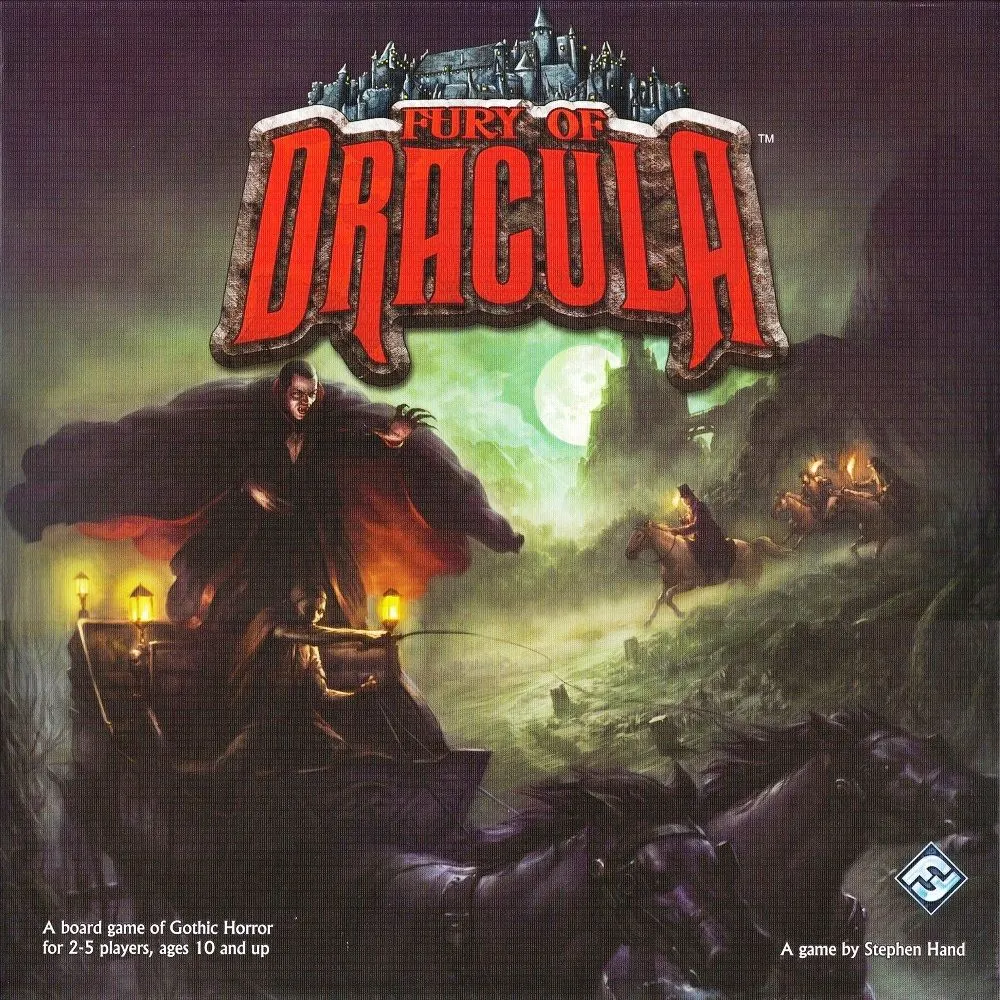
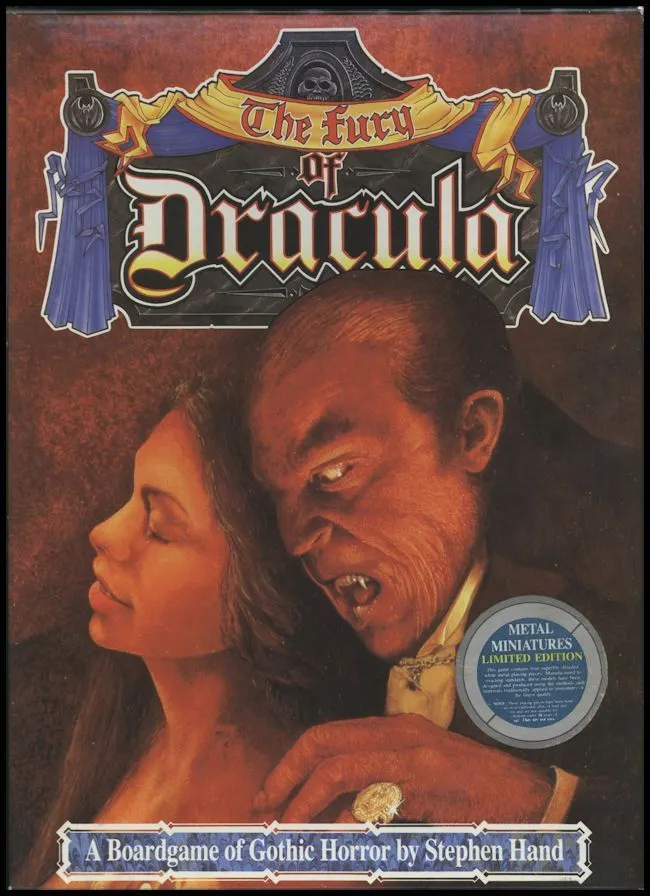
Fury of Dracula (Third/Fourth Edition)
- 2–5 players
- 120–180 min
- Complexity 3.3/5
- 2015
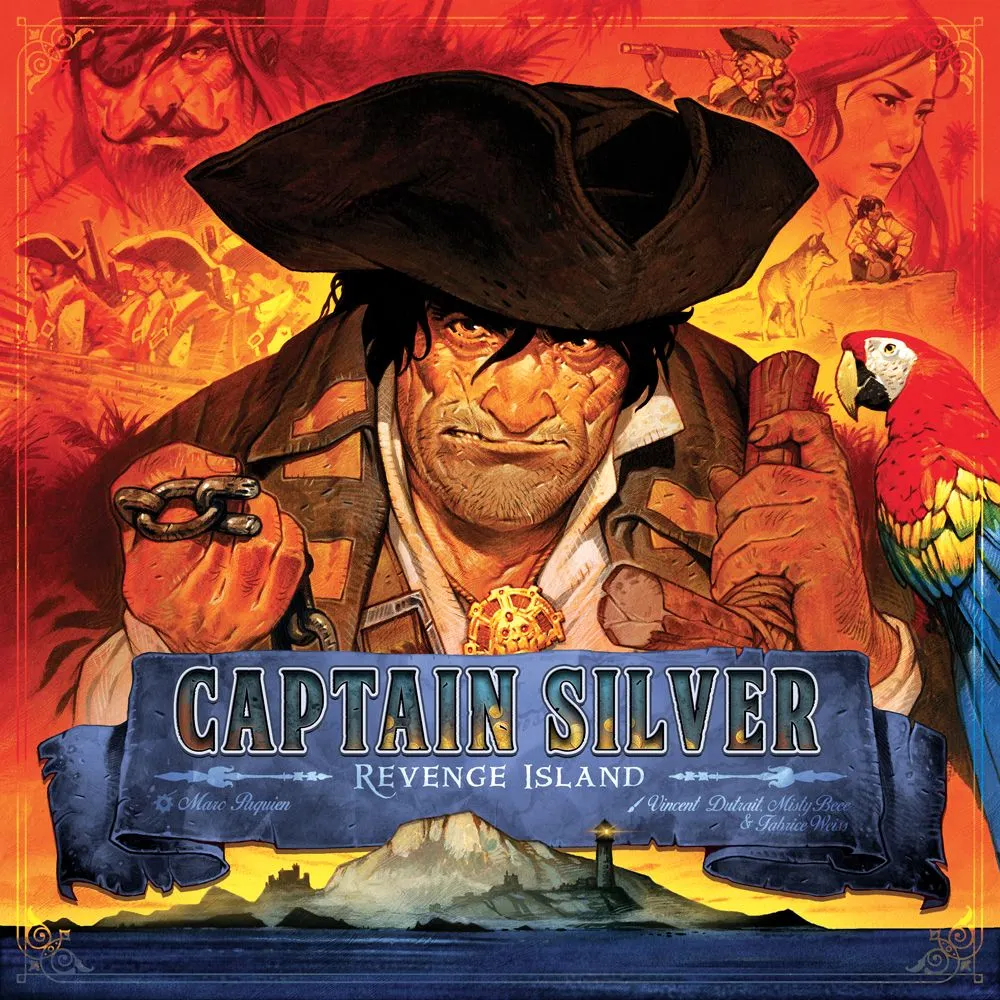
Rules assistance for Treasure Island: Captain Silver – Revenge Island
Plain-language explanations of turns, card effects and disputed situations, with official source references and saved question history.
What would you like to know?
Answers come from the official rulebook, with the page to check.
Treasure Island: Captain Silver – Revenge Island is an expansion for Treasure Island released in 2020 for 2–5 players, 45 minutes per game, and ages 10 and up. It was designed by Marc Paquien and its main mechanics are Variable Player Powers, Hand Management, and Secret Unit Deployment.

After a first adventure full of twists and turns, Captain Silver takes shelter on an island he knows well: Revenge Island! Unfortunately, an English garrison controls the area, and soon after having concealed a precious treasure, Silver ends up in jail once again. With a new island to discover and a new "The Tricks of Silver" module that includes new cards for Long John Silver — corrupt soldiers, worrying weather, a ghost twin... — it's up to you to overcome his tricks and achieve your goals before he escapes from the English jails! In addition to the new module for Captain Silver, the Treasure Island: Captain Silver – Revenge Island expansion contains new immersive components and two new maps: Revenge Island, and an original re-interpretation of the existing map. —description from publisher
Treasure Island: Captain Silver – Revenge Island supports 2–5 players according to the catalogue. This range comes from the publisher’s listed player count, so the game can be set up for any group size within it. Some setups, rules and scoring details may still vary by player count, so check your edition’s rulebook for the exact configuration.
The listed playing time for Treasure Island: Captain Silver – Revenge Island is 45 minutes. This is the publisher’s estimate for a full game. The actual duration depends on the group, the player count and familiarity with the rules: first sessions usually run longer, while experienced groups often finish faster. Setup and teaching time are not included in this estimate.
The catalogue lists Treasure Island: Captain Silver – Revenge Island for ages 10 and up. This is the publisher’s recommendation and reflects reading demands, rule complexity and small components rather than theme alone. Younger players can often join with help from an adult, so check the age guidance on your edition and consider your group’s experience with board games.
Treasure Island: Captain Silver – Revenge Island has a complexity rating of 2.0 out of 5 from BoardGameGeek players, which makes it a medium-light game. The rating reflects how much rules knowledge, planning and decision-making a typical game demands. Expect a longer first teach for heavier games, and use a preparation guide before game night.
Treasure Island: Captain Silver – Revenge Island belongs to these categories: Deduction, Bluffing, and Exploration. Its main mechanics are Variable Player Powers, Hand Management, and Secret Unit Deployment. Categories describe the theme and setting of a game, while mechanics describe what players actually do on their turns. Each mechanic links to a catalogue hub with similar games, which helps when you want something comparable.
The credited designers of Treasure Island: Captain Silver – Revenge Island are: Marc Paquien. These credits come from the published game data and name the people responsible for the game’s design, not its illustrators or publishers. Designer pages on MeepleRules collect other titles by the same designers, which helps when you enjoy a game and want to find similar ones.
The catalogue lists Treasure Island: Captain Silver – Revenge Island as an expansion for Treasure Island. Expansions add new content, rules or scenarios to the base game and usually cannot be played on their own, so you need Treasure Island to use it. Check that your edition of Treasure Island is compatible, as some expansions were revised between editions.