
- BGG rank
- BGG #4,156
- BGG rating
- 6.6
Darjeeling
- 2–5 players
- 60 min
- Complexity 2.2/5
- 2007
2016
Rules assistance for Ulm
Plain-language explanations of turns, card effects and disputed situations, with official source references and saved question history.
For 2 players
What would you like to know?
Answers come from the official rulebook, with the page to check.
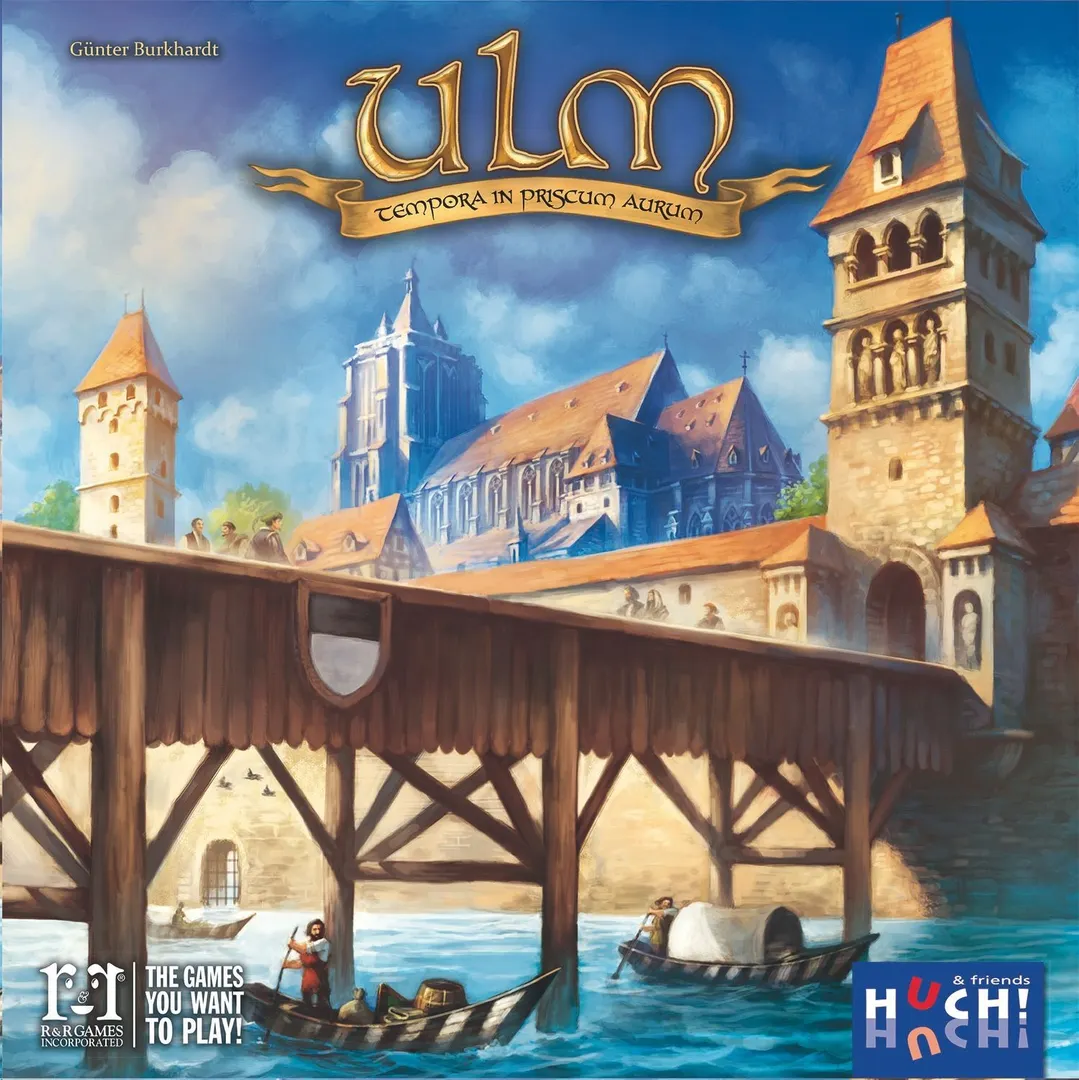
Ulm is a board game released in 2016 for 2–4 players, 45–75 minutes per game, and ages 10 and up. It was designed by Günter Burkhardt and its main mechanics are Set Collection, Area Majority / Influence, and Slide / Push.

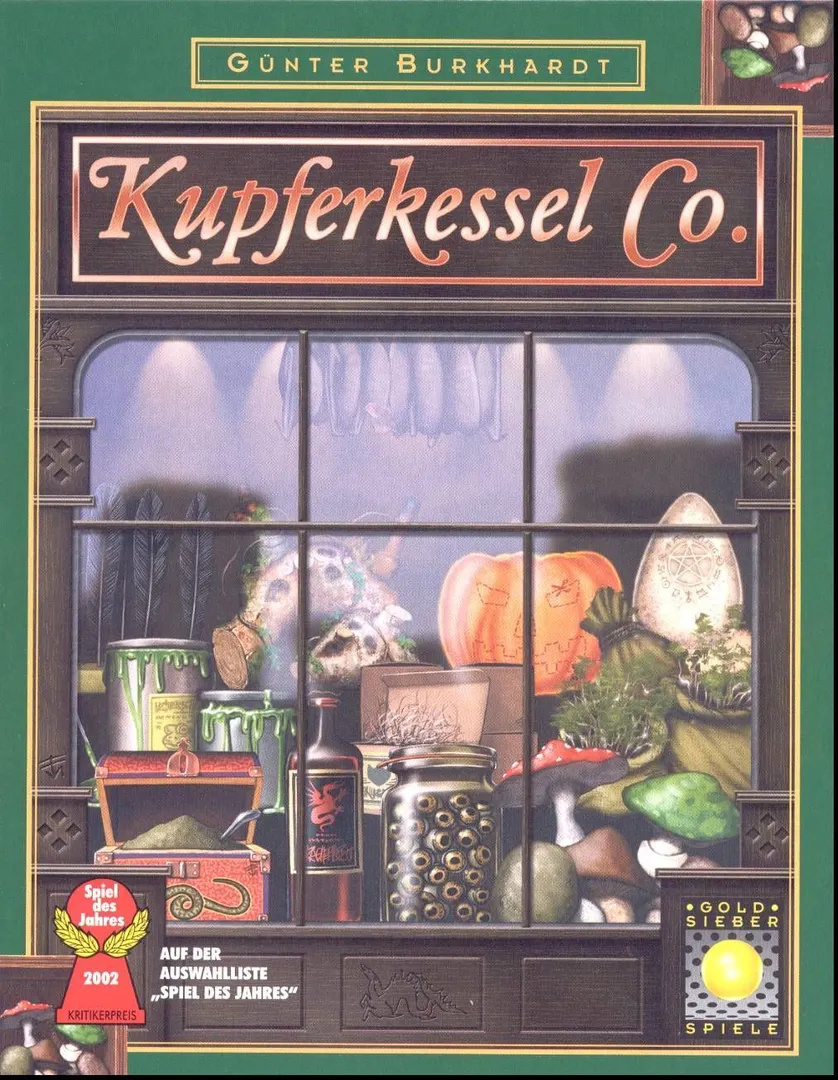

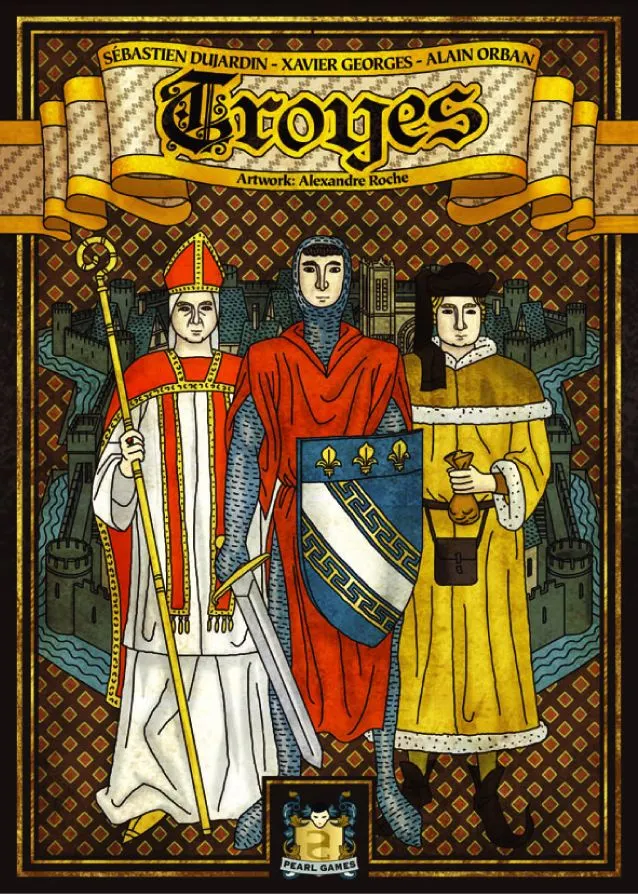
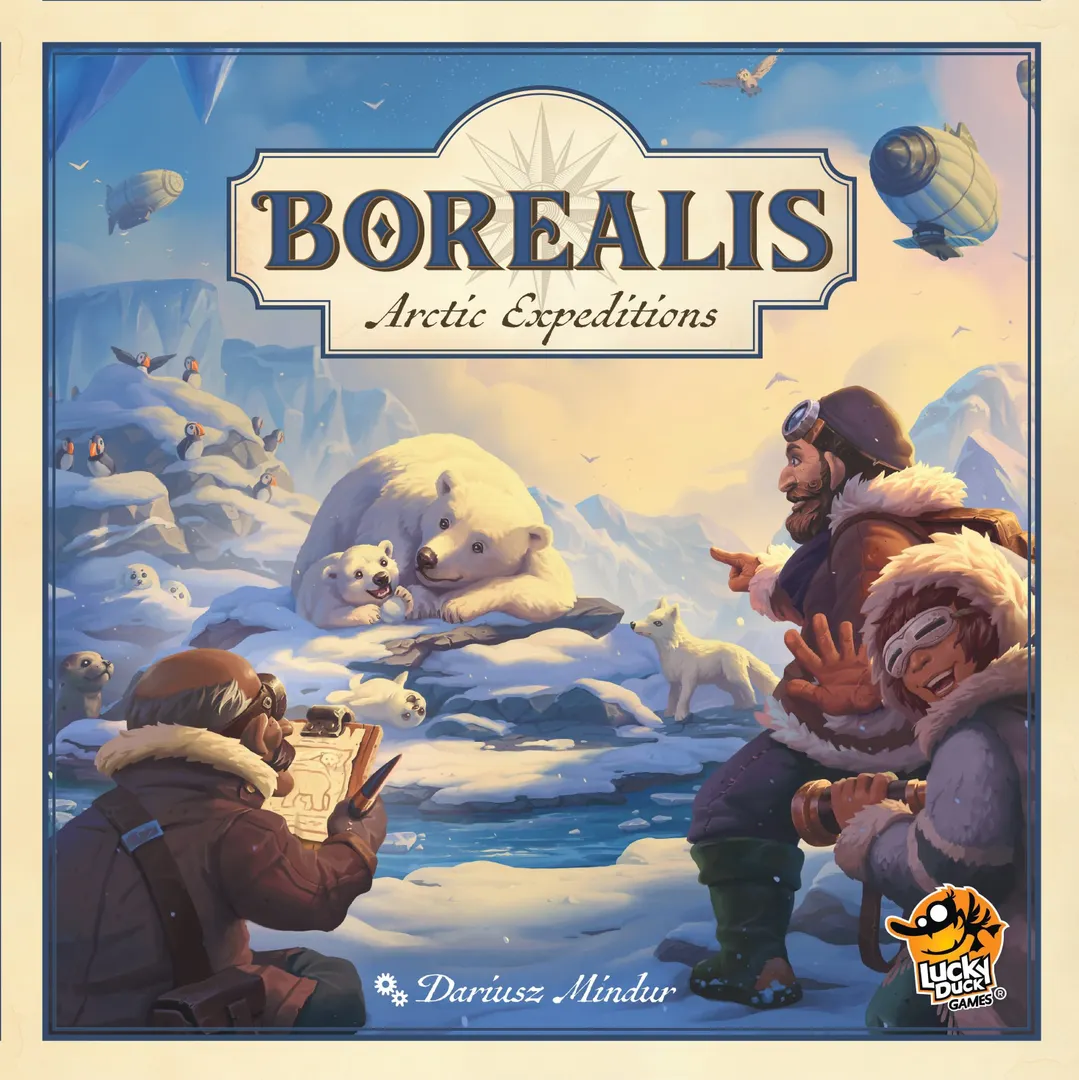
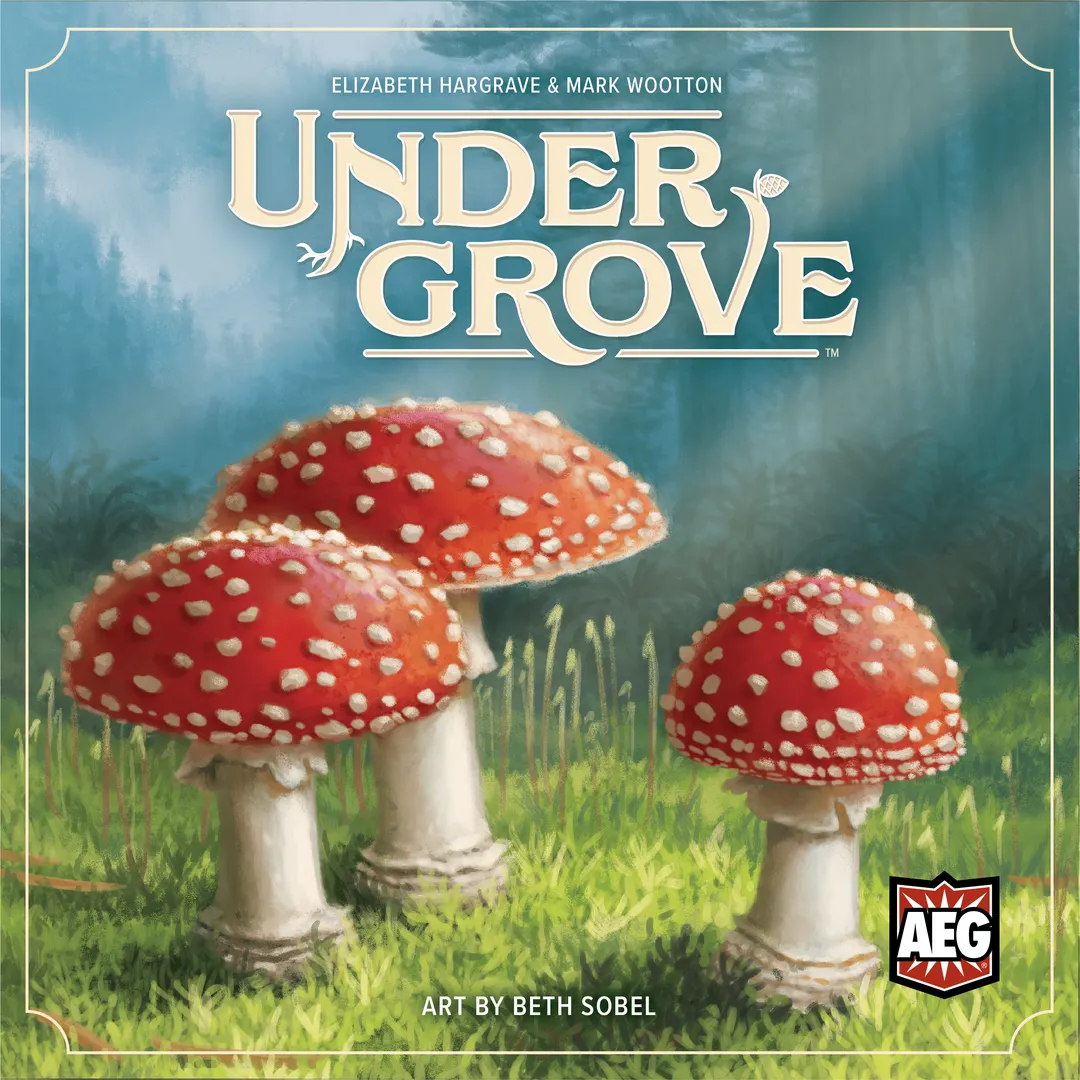
Ulm is at its historic heyday: There is a constant hustle and bustle in the prosperous free imperial city. At the beginning of the 16th century, the city has one of the largest municipal territories within the Holy Roman Empire of the German Nation. Success and wealth are not only due to Swabian thriftiness, but mainly the result of the citizens’ business acumen and skilled craftsmanship. Trade in works of art and commercial goods such as wood, wine, salt and textiles is flourishing; for the most part, these goods are shipped by barge or raft on the Danube river. People are busy building the cathedral - the social heart of the city - that will at one time have the tallest church steeple in the world. Everybody of distinction meets around the cathedral. The influential guilds and patricians dominate city life; and if you want to accomplish something, you need to be in the good graces of the right people. In Ulm, players try to expand their spheres of influence and to make optimal use of the hustle and bustle on the marketplace around the cathedral. The game has one simple basic rule: Push 1 Action tile into the Cathedral area and carry out the 3 associated actions! This way, the Cathedral tower gets taller and taller over the game. The objective of the game is plain and simple: try to accumulate the most victory points through activities in different areas of city life in Ulm and do it before the end of the 10th round, when the construction of the Cathedral is concluded. Who will make the best use of his means and resources over time and will go down in the annals of the city’s history as an important citizen?
Ulm supports 2–4 players according to the catalogue. This range comes from the publisher’s listed player count, so the game can be set up for any group size within it. Some setups, rules and scoring details may still vary by player count, so check your edition’s rulebook for the exact configuration.
The listed playing time for Ulm is 45–75 minutes. This is the publisher’s estimate for a full game. The actual duration depends on the group, the player count and familiarity with the rules: first sessions usually run longer, while experienced groups often finish faster. Setup and teaching time are not included in this estimate.
The catalogue lists Ulm for ages 10 and up. This is the publisher’s recommendation and reflects reading demands, rule complexity and small components rather than theme alone. Younger players can often join with help from an adult, so check the age guidance on your edition and consider your group’s experience with board games.
Ulm has a complexity rating of 2.7 out of 5 from BoardGameGeek players, which makes it a medium-light game. The rating reflects how much rules knowledge, planning and decision-making a typical game demands. Expect a longer first teach for heavier games, and use a preparation guide before game night.
Ulm belongs to these categories: Medieval and Renaissance. Its main mechanics are Set Collection, Area Majority / Influence, and Slide / Push. Categories describe the theme and setting of a game, while mechanics describe what players actually do on their turns. Each mechanic links to a catalogue hub with similar games, which helps when you want something comparable.
The credited designers of Ulm are: Günter Burkhardt. These credits come from the published game data and name the people responsible for the game’s design, not its illustrators or publishers. Designer pages on MeepleRules collect other titles by the same designers, which helps when you enjoy a game and want to find similar ones.
The catalogue lists Ulm as a base game. It can be played on its own with the components in the box and does not require any other title. Expansions, if any exist, add new content or rules on top of it and are listed separately in the catalogue with a link back to this base game.