
Oddan's Solo Heresy
- 1 player
- 2026
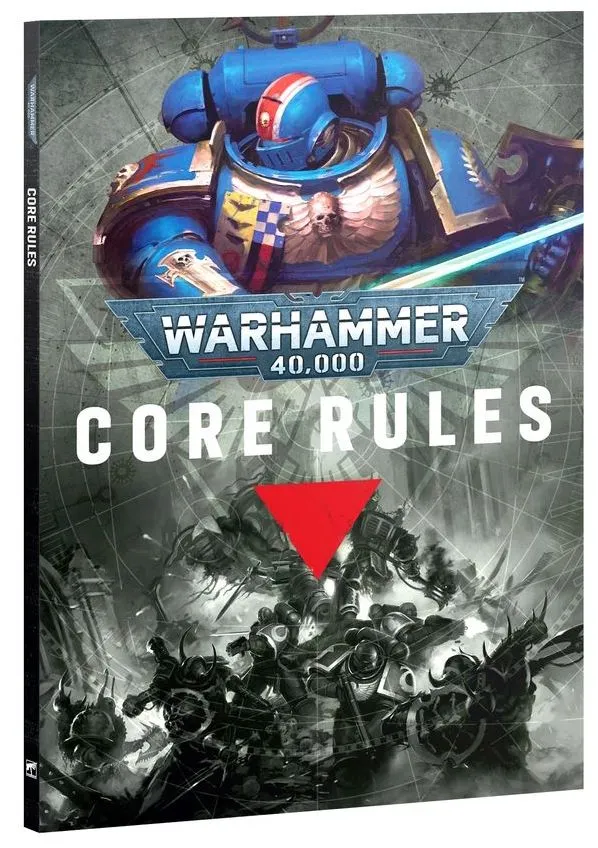
2026
Rules assistance for Warhammer 40,000 (Eleventh Edition)
Plain-language explanations of turns, card effects and disputed situations, with official source references and saved question history.
What would you like to know?
Answers come from the official rulebook, with the page to check.
Warhammer 40,000 (Eleventh Edition) is a board game released in 2026 for 2–4 players, 60–240 minutes per game, and ages 12 and up. Its main mechanics are Variable Player Powers, Scenario / Mission / Campaign Game, and Measurement Movement.
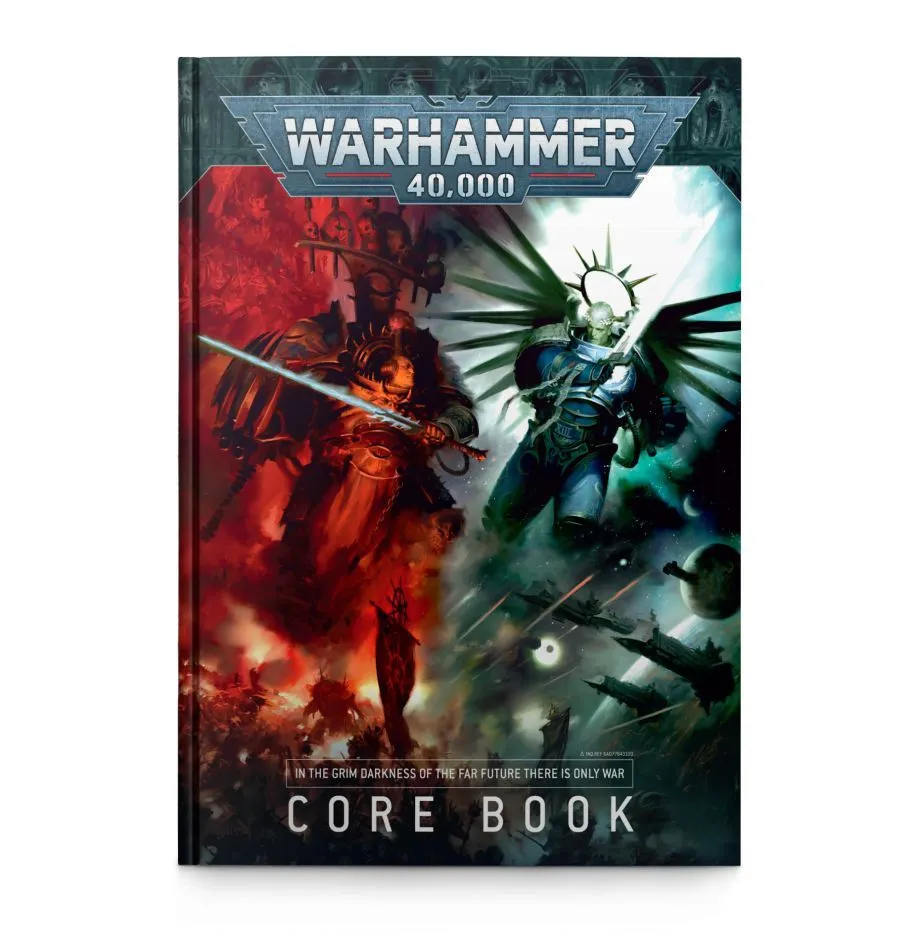




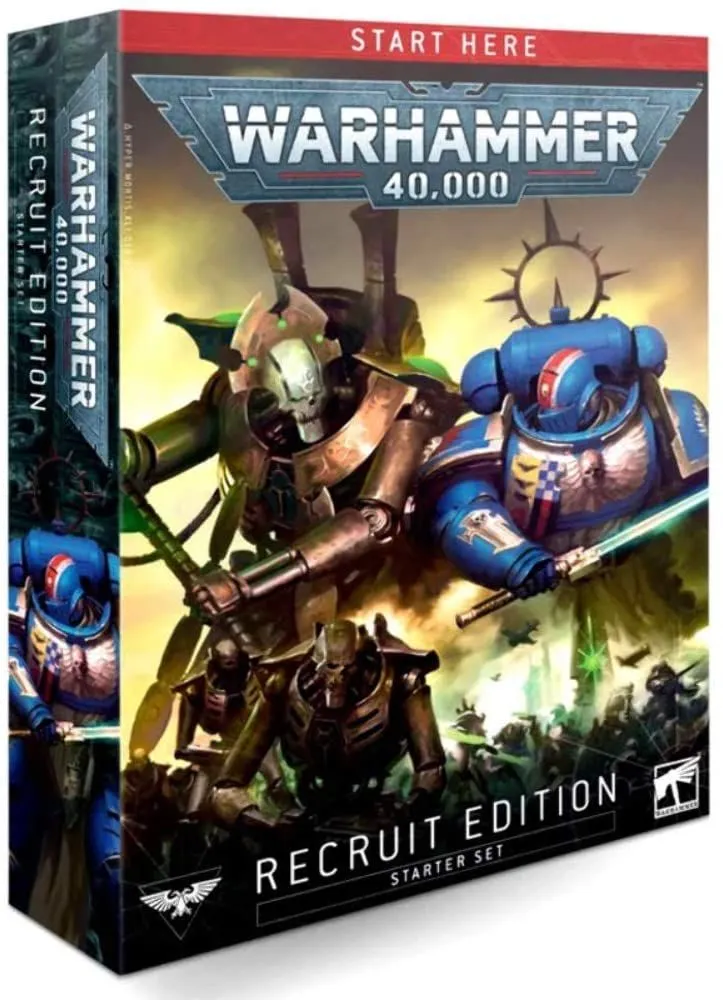
Warhammer 40,000 Eleventh Edition is a grimdark sci-fi tabletop battle game where vast armies fight in a collapsing far future. Humanity’s Imperium, alien empires, daemons, mutants, rebels, and ancient powers all wage endless war across the galaxy. The theme is heroic, brutal, and over-the-top: desperate last stands, monstrous war machines, psychic horrors, and commanders trying to win battles in a universe where survival itself is uncertain. Gameplay is about building an army, deploying it on a battlefield, and taking turns moving units, shooting, charging, fighting in melee, and using special abilities. Each unit has rules that describe how fast it moves, how tough it is, how well it shoots or fights, and what weapons or powers it brings. Dice decide attacks, saves, damage, morale-like effects, and many uncertain outcomes. The game is not only about destroying enemy models; positioning, timing, objective control, screening, trading units, and choosing when to commit your strongest pieces matter a lot. You win by scoring victory points, usually from holding objectives and completing mission goals. Killing enemy units helps, but it is often secondary to controlling the board and denying your opponent points. A player who sacrifices units wisely, keeps pressure on key objectives, and plans around the mission can beat an opponent who simply tries to table everything. In short: bring an army with a plan, control important ground, complete objectives, and make your opponent spend too many resources dealing with the wrong threats. —description from the publisher
Warhammer 40,000 (Eleventh Edition) supports 2–4 players according to the catalogue. This range comes from the publisher’s listed player count, so the game can be set up for any group size within it. Some setups, rules and scoring details may still vary by player count, so check your edition’s rulebook for the exact configuration.
The listed playing time for Warhammer 40,000 (Eleventh Edition) is 60–240 minutes. This is the publisher’s estimate for a full game. The actual duration depends on the group, the player count and familiarity with the rules: first sessions usually run longer, while experienced groups often finish faster. Setup and teaching time are not included in this estimate.
The catalogue lists Warhammer 40,000 (Eleventh Edition) for ages 12 and up. This is the publisher’s recommendation and reflects reading demands, rule complexity and small components rather than theme alone. Younger players can often join with help from an adult, so check the age guidance on your edition and consider your group’s experience with board games.
Warhammer 40,000 (Eleventh Edition) has a complexity rating of 3.9 out of 5 from BoardGameGeek players, which makes it a heavy game. The rating reflects how much rules knowledge, planning and decision-making a typical game demands. Expect a longer first teach for heavier games, and use a preparation guide before game night.
Warhammer 40,000 (Eleventh Edition) belongs to these categories: Wargame, Miniatures, and Science Fiction. Its main mechanics are Variable Player Powers, Scenario / Mission / Campaign Game, and Measurement Movement. Categories describe the theme and setting of a game, while mechanics describe what players actually do on their turns. Each mechanic links to a catalogue hub with similar games, which helps when you want something comparable.
The catalogue lists Warhammer 40,000 (Eleventh Edition) as a base game. It can be played on its own with the components in the box and does not require any other title. Expansions, if any exist, add new content or rules on top of it and are listed separately in the catalogue with a link back to this base game.