

- BGG rank
- BGG #1,413
- BGG rating
- 8.6
Europa Universalis: The Price of Power
- 1–4 players
- 90–300 min
- Complexity 4.7/5
- 2023
2009
Rules assistance for Waterloo
Plain-language explanations of turns, card effects and disputed situations, with official source references and saved question history.
For 2 players
What would you like to know?
Answers come from the official rulebook, with the page to check.
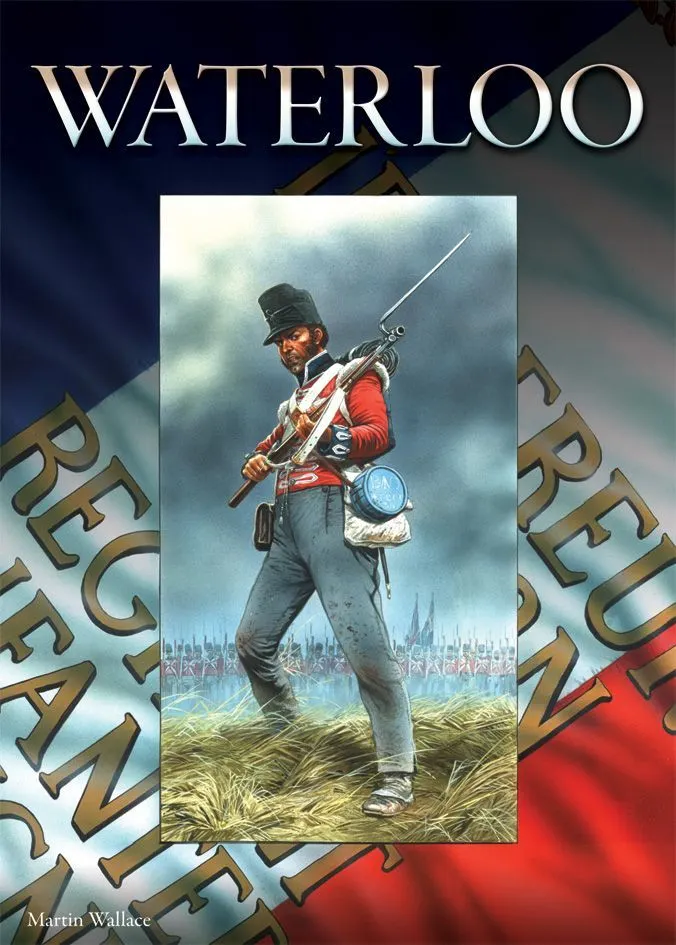
Waterloo is a board game released in 2009 for 2 players, 180 minutes per game, and ages 13 and up. It was designed by Martin Wallace and its main mechanics are Area Movement, Dice Rolling, and Simulation.

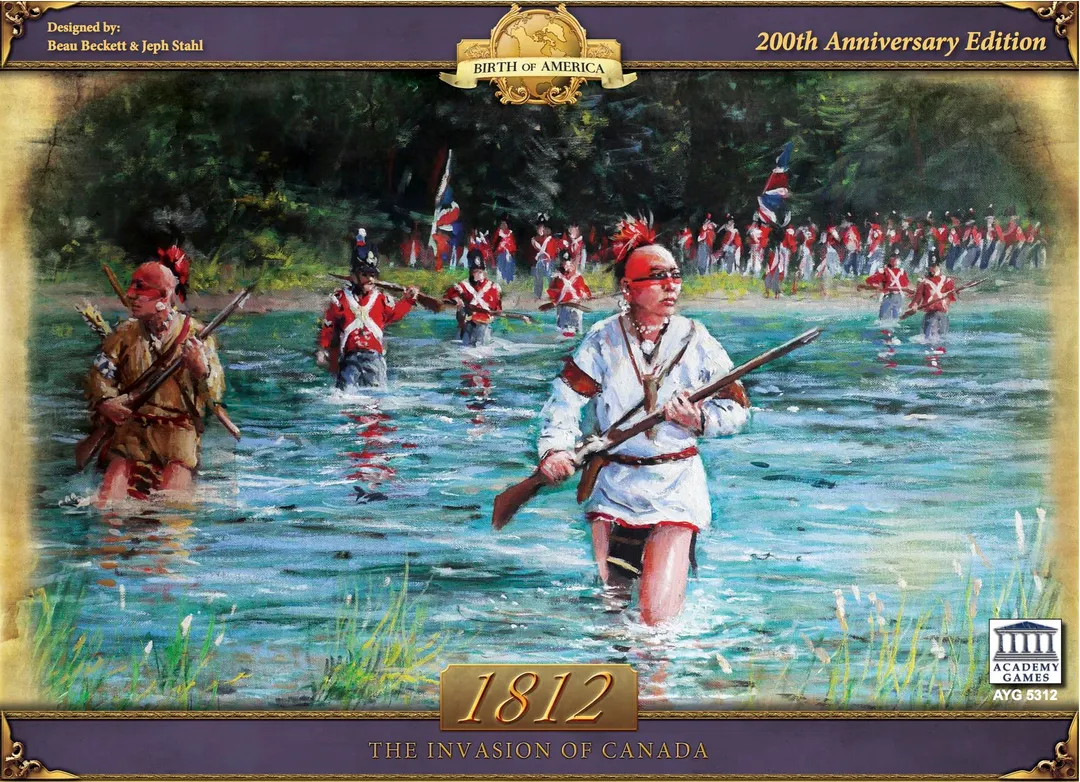

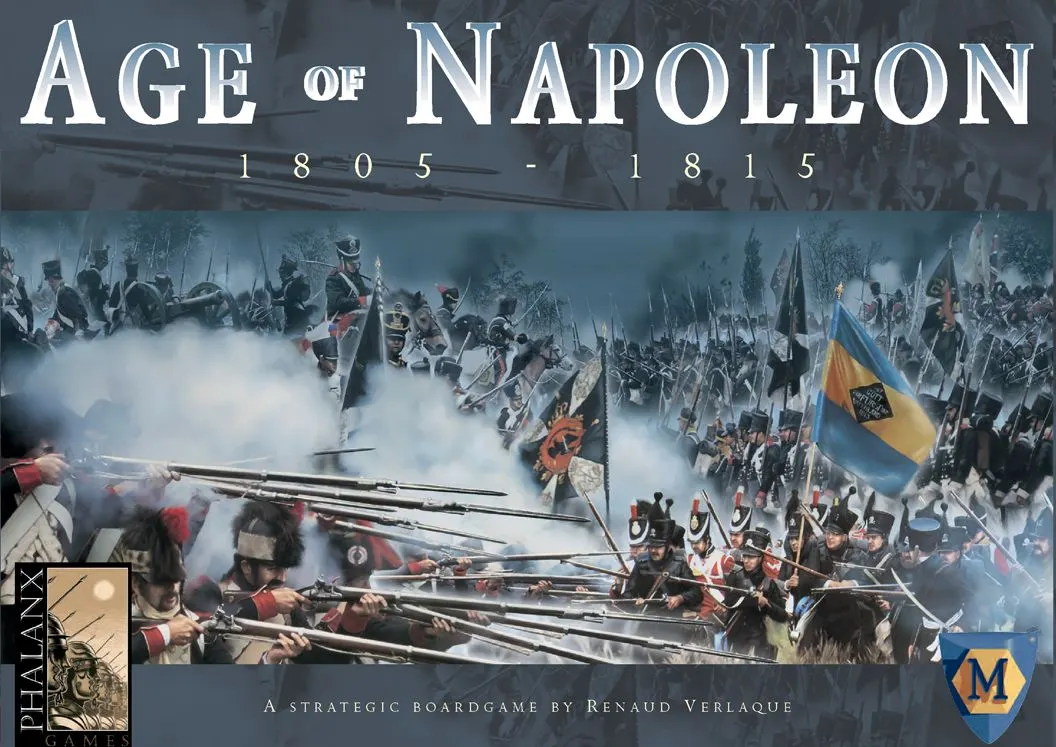
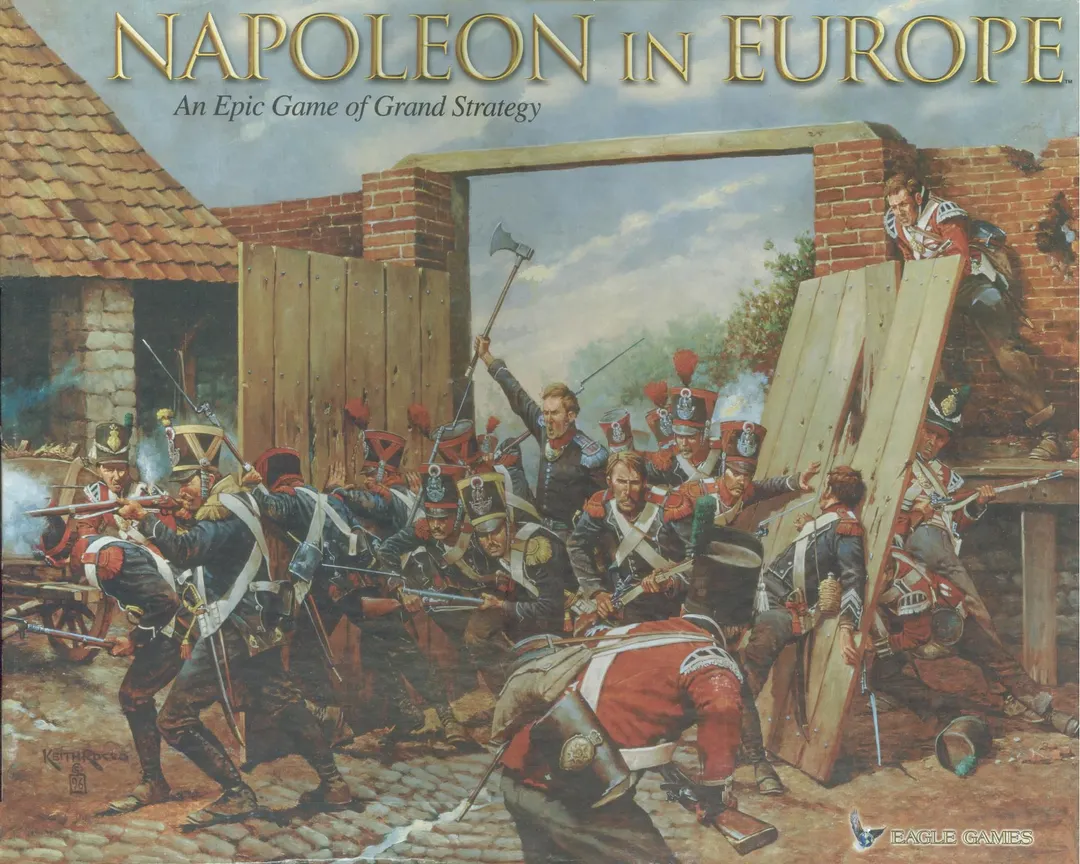
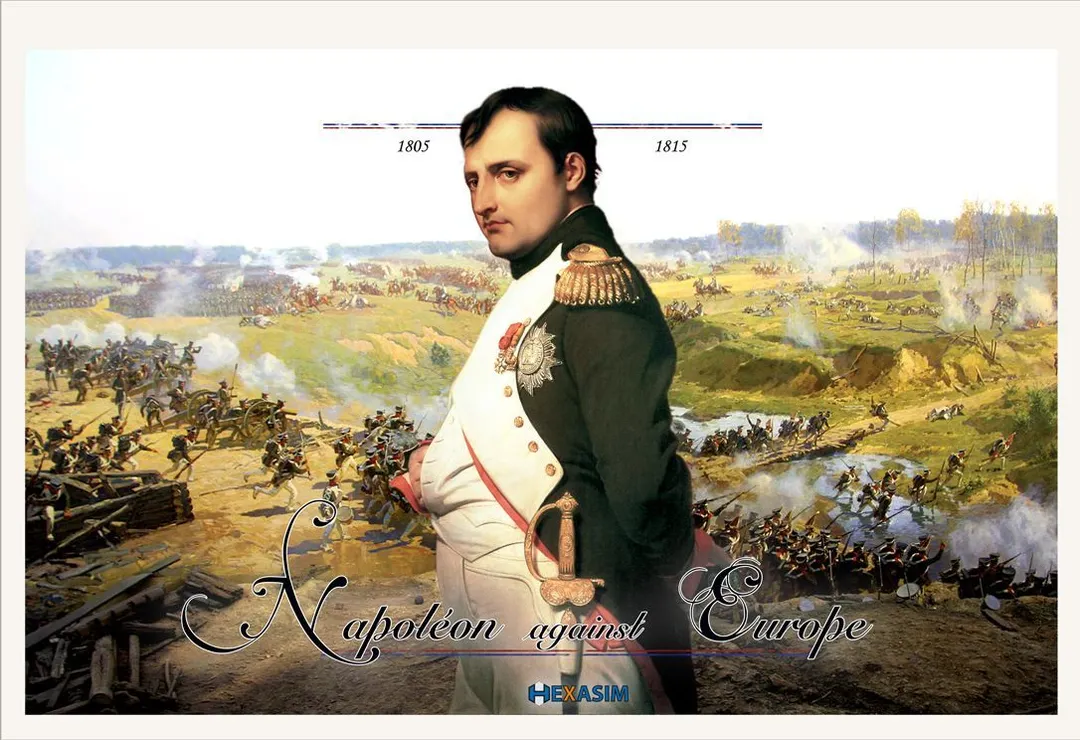

Description courtesy of BoardgameNews.com Waterloo – a two-player game for early 2009 with the French and British fighting once again. The action system is a clever creation: You know the range of possible actions that you can take on a turn, but the opponent knows exactly how many actions you have, and that knowledge strips the certainty from your preparation. Can you get your infantry back in a defensive position before the opponent thunders through with his cavalry? If you don’t think you can, you might develop timidly, which gives the opponent a better shot of taking valuable terrain. Damage in the game is represented by blue/red/black cubes, and you can distribute the cubes throughout your lines during the game to represent the movement of troops back and forth from the front lines. Shifting all the damage to the back seems like a no-brainer, but if cavalry does break through your front line, your troops are toast. Morale is checked only in face-to-face combat, and it’s handled by a die roll compared with the level of damage within an area. Control of areas like La Haye Sainte is critical. Just as Wellington tried to funnel French attacks through gaps in ridges in order to cut off their support, you can do the same, fighting for highland to prevent being pinched. The French win if they take Mont St. Jean, the British if they take Rosonne; if neither occurs before the end of 8pm (ie the last turn), then the British and Allies win.
Waterloo supports 2 players according to the catalogue. This is the publisher’s listed player count, so the game is designed for exactly that number of participants. Variants for other group sizes, if any, are described in the rulebook of your edition, so check it before setting up a different configuration.
The listed playing time for Waterloo is 180 minutes. This is the publisher’s estimate for a full game. The actual duration depends on the group, the player count and familiarity with the rules: first sessions usually run longer, while experienced groups often finish faster. Setup and teaching time are not included in this estimate.
The catalogue lists Waterloo for ages 13 and up. This is the publisher’s recommendation and reflects reading demands, rule complexity and small components rather than theme alone. Younger players can often join with help from an adult, so check the age guidance on your edition and consider your group’s experience with board games.
Waterloo has a complexity rating of 3.3 out of 5 from BoardGameGeek players, which makes it a medium-weight game. The rating reflects how much rules knowledge, planning and decision-making a typical game demands. Expect a longer first teach for heavier games, and use a preparation guide before game night.
Waterloo belongs to these categories: Wargame and Napoleonic. Its main mechanics are Area Movement, Dice Rolling, and Simulation. Categories describe the theme and setting of a game, while mechanics describe what players actually do on their turns. Each mechanic links to a catalogue hub with similar games, which helps when you want something comparable.
The credited designers of Waterloo are: Martin Wallace. These credits come from the published game data and name the people responsible for the game’s design, not its illustrators or publishers. Designer pages on MeepleRules collect other titles by the same designers, which helps when you enjoy a game and want to find similar ones.
The catalogue lists Waterloo as a base game. It can be played on its own with the components in the box and does not require any other title. Expansions, if any exist, add new content or rules on top of it and are listed separately in the catalogue with a link back to this base game.