
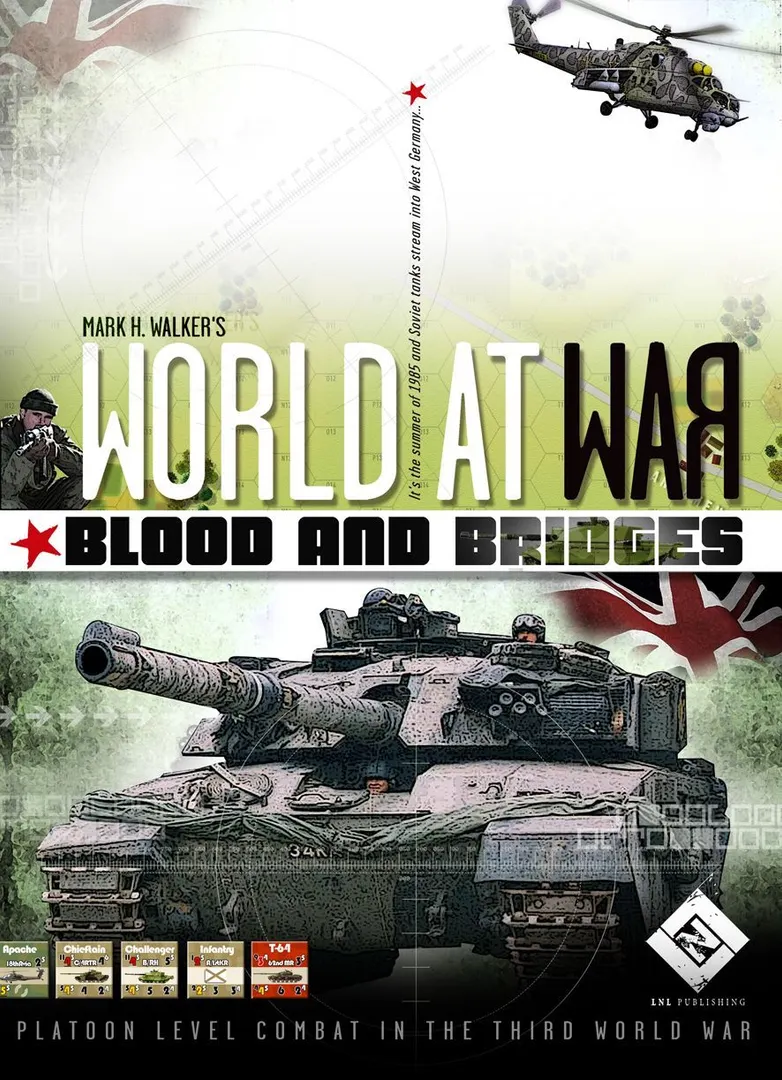
- BGG rank
- BGG #5,509
- BGG rating
- 7.6
World at War: Blood and Bridges
- 2 players
- 90 min
- Complexity 2.8/5
- 2008

Rules assistance for World at War: Gamer's Guide
Plain-language explanations of turns, card effects and disputed situations, with official source references and saved question history.
What would you like to know?
Answers come from the official rulebook, with the page to check.
World at War: Gamer's Guide is an expansion for World at War: Death of the 1st Panzer released in 2008 for 2 players, 180 minutes per game, and ages 12 and up. It was designed by Mark H. Walker, Jim Snyder, Peter Bogdasarian, Arrigo Velicogna, and Pete Atack and its main mechanics are Dice Rolling, Hexagon Grid, and Chit-Pull System.
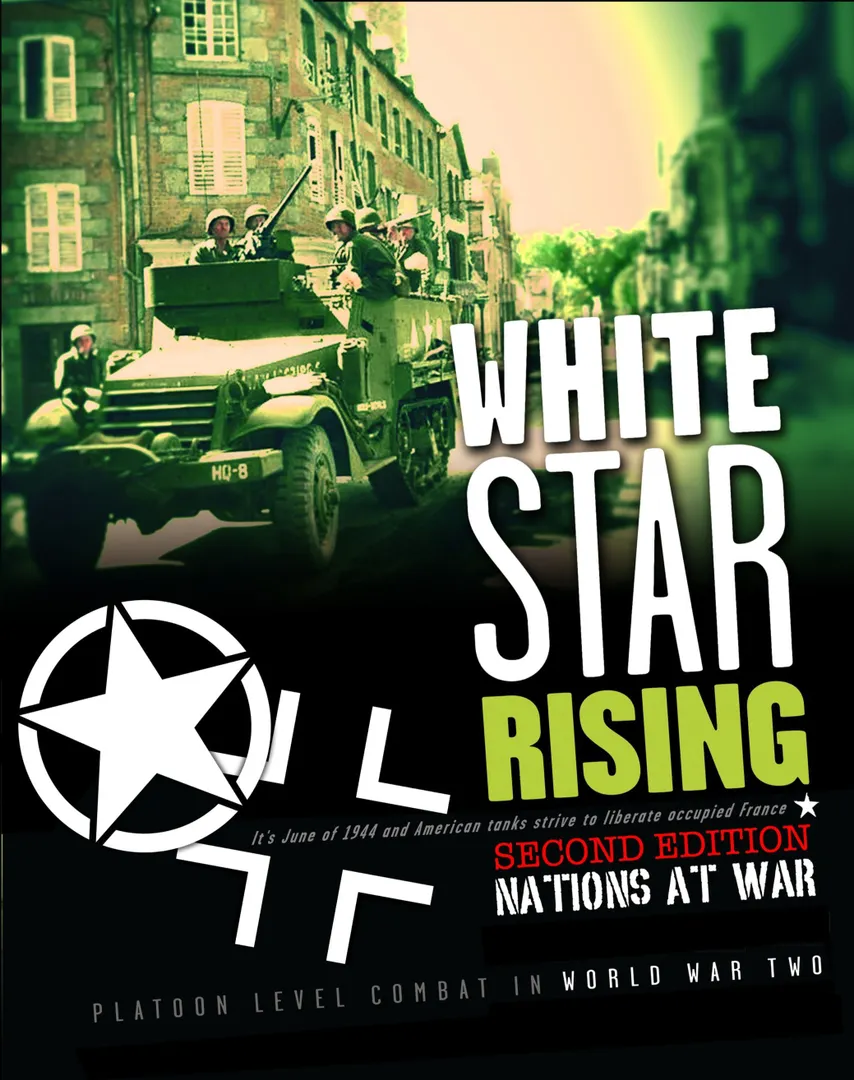
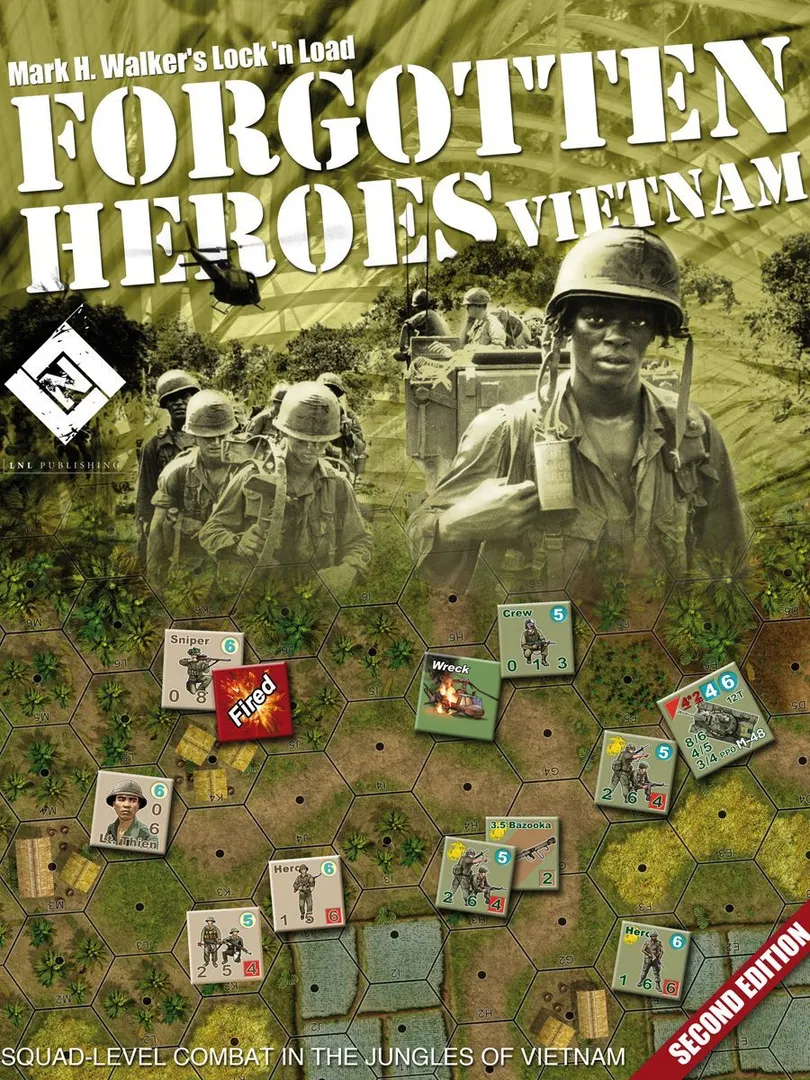

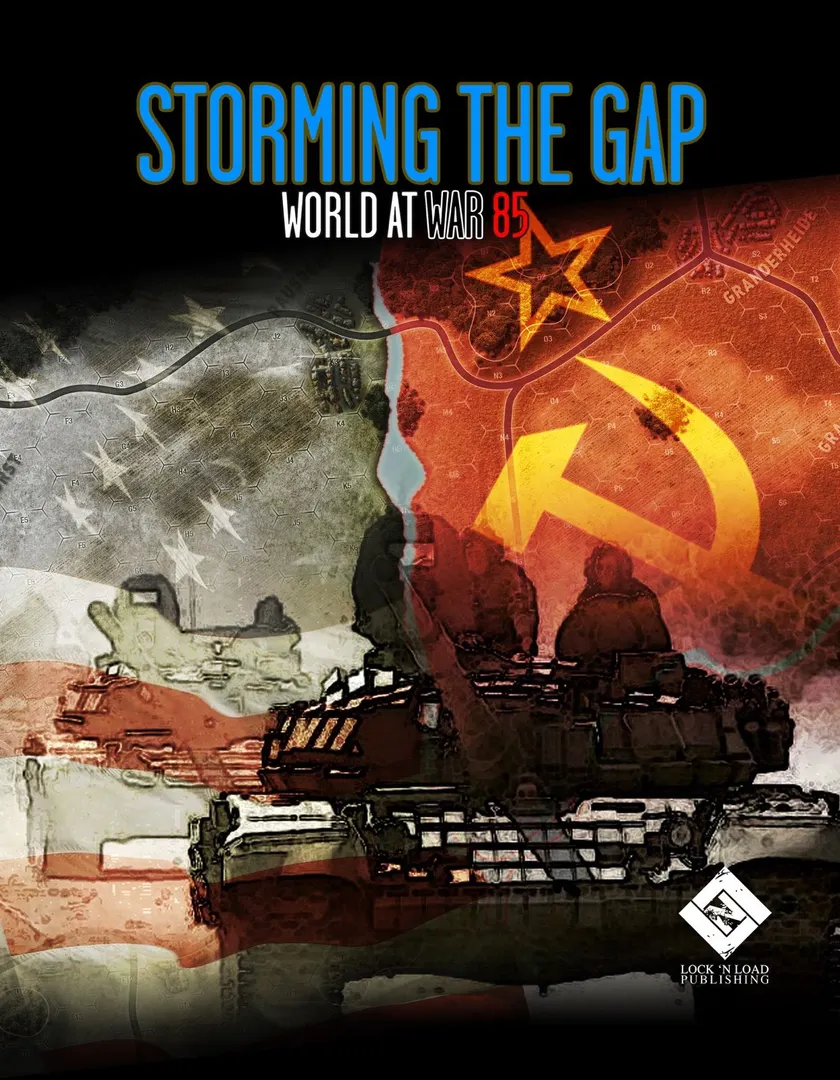


From the publisher: You asked for it (didn't you?), and now it's here (well, almost). Packing with forty professionally printed, and glaringly-glossy pages (including cover) and filled with World at War wisdom, the World at War: Gamer's Guide is on pre-order. You'll find a preview of the upcoming World at War boxed game, World at War: Blood and Bridges. Two new scenarios, Clearing Hell's Highway, and Poor Bloody Infantry. Two battle reports with semi-fictionalized accounts recounts of WaW scenarios (Some of you call these after action reports). A ten page article examining strategy in the World at War series and the specific tactics needed to win all six Eisenbach Gap scenarios. Even variants for night fighting, and a design your own scenarios "how to" article. And much more... including a unit-by-unit analysis of the platoons of Eisenbach Gap... World at War has been a pleasant, if mild, surprise for Lock ‘n Load Publishing. I designed the game because I wanted to play it. Yes, in the back of my mind, I felt that there might be a market for something depicting the war that never happened, but primarily I created the game because it interests me. In ten years of writing and designing, that’s the only thing I’ve found that works. I’ve designed and written on spec, and gave those pieces my best shot, but it seems that the games, the writing, that gets my juices flowing are the things other people also enjoy. I absolutely love playing World at War. I like the combat system, am intrigued by the era, and fascinated by the idea of a series of games that link together to tell a story. So, I’m happy that other people enjoy it too. I also hope that this guide enhances your enjoyment. We have strived to make a guide that is visually appealing, interesting, and diversified. Inside you’ll find articles on strategy, the percentages of rolling dice in World at War, battle reports (or after action reports as some of you prefer), and unit analysis. What you won’t find are dry as dust articles on the actual forces that lined the West German border or mind-numbing diatribes on Soviet Doctrine. Why? Because that stuff just doesn’t interest me. There are lots of tables comparing the strength and weakness of an M1 Abrams platoon and a T-72 platoon in the World at War system. And we go through the platoons of Eisenbach Gap, unit-by-unit, and even provide a walk through for winning Blind Sided (a Death of the 1st Panzer scenario.) All this in a beautifully laid out, two-color 40-page glossy magazine. Yeah, this one's printed. You can hold it in your hands. Not a stand-alone game. Expands: World at War: Eisenbach Gap World at War: Death of the 1st Panzer
World at War: Gamer's Guide supports 2 players according to the catalogue. This is the publisher’s listed player count, so the game is designed for exactly that number of participants. Variants for other group sizes, if any, are described in the rulebook of your edition, so check it before setting up a different configuration.
The listed playing time for World at War: Gamer's Guide is 180 minutes. This is the publisher’s estimate for a full game. The actual duration depends on the group, the player count and familiarity with the rules: first sessions usually run longer, while experienced groups often finish faster. Setup and teaching time are not included in this estimate.
The catalogue lists World at War: Gamer's Guide for ages 12 and up. This is the publisher’s recommendation and reflects reading demands, rule complexity and small components rather than theme alone. Younger players can often join with help from an adult, so check the age guidance on your edition and consider your group’s experience with board games.
World at War: Gamer's Guide has a complexity rating of 2.2 out of 5 from BoardGameGeek players, which makes it a medium-light game. The rating reflects how much rules knowledge, planning and decision-making a typical game demands. Expect a longer first teach for heavier games, and use a preparation guide before game night.
World at War: Gamer's Guide belongs to these categories: Wargame, Modern Warfare, and Expansion for Base-game. Its main mechanics are Dice Rolling, Hexagon Grid, and Chit-Pull System. Categories describe the theme and setting of a game, while mechanics describe what players actually do on their turns. Each mechanic links to a catalogue hub with similar games, which helps when you want something comparable.
The credited designers of World at War: Gamer's Guide are: Mark H. Walker, Jim Snyder, Peter Bogdasarian, Arrigo Velicogna, and Pete Atack. These credits come from the published game data and name the people responsible for the game’s design, not its illustrators or publishers. Designer pages on MeepleRules collect other titles by the same designers, which helps when you enjoy a game and want to find similar ones.
The catalogue lists World at War: Gamer's Guide as an expansion for World at War: Death of the 1st Panzer. Expansions add new content, rules or scenarios to the base game and usually cannot be played on their own, so you need World at War: Death of the 1st Panzer to use it. Check that your edition of World at War: Death of the 1st Panzer is compatible, as some expansions were revised between editions.