
- BGG rank
- BGG #6,486
- BGG rating
- 6.9
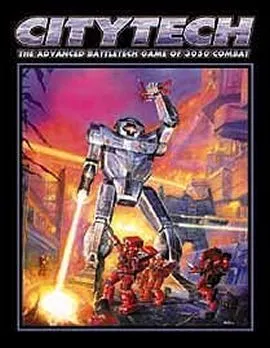
BattleTech: CityTech
- 2–6 players
- 90 min
- Complexity 3.4/5
- 1986
1991
Rules assistance for Xanth
Plain-language explanations of turns, card effects and disputed situations, with official source references and saved question history.
What would you like to know?
Answers come from the official rulebook, with the page to check.
Xanth is a board game released in 1991 for 1–6 players, 180 minutes per game, and ages 12 and up. It was designed by Mike Nystul and its main mechanics are Set Collection, Roll / Spin and Move, and Pick-up and Deliver.
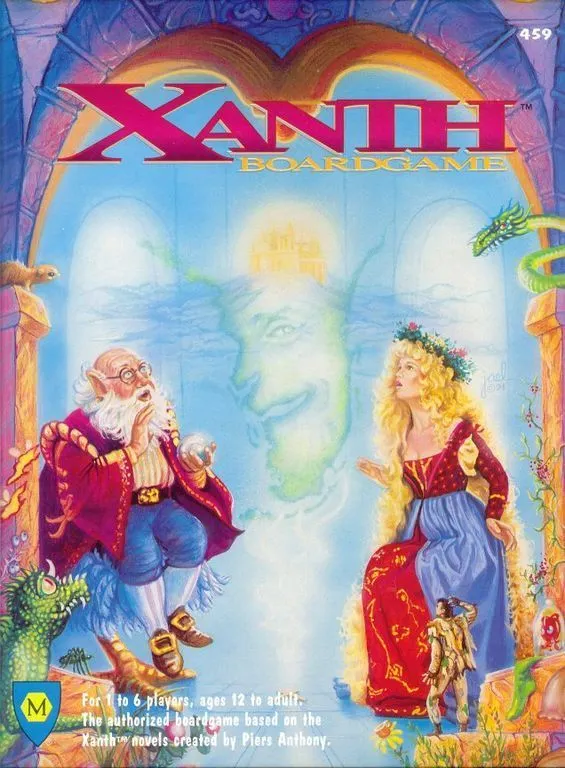
Based on the fantasy Xanth novels by Piers Anthony. From the box: On Xanth... Anyone who doesn't believe in magic must reckon with the rainbow, which shows up only at a distance and retreats if anyone walks toward it. If one person stands still and another walks, the rainbow remains in place for the one and retreats for the other - simultaneously. It is one-sided, like a one-way path, invisible from the other side. That is obviously magic. - Piers Anthony Xanth, the magical, pun-filled world of Piers Anthony's fantasy novels, comes to life in this hilarious game. As one of many colorful characters, players must travel across land and sea in order to fulfill their wild and wacky quests. For 1 to 6 players, ages 12 to adult. Contents: 162 playing cards, 15 dice, 6 pawns, 12 chits, gameboard, rulebook, sorting tray. There are 3 card types used in the game, Chair Actors (Characters), Events/Encounters & Quests. The majority are E/E cards. Only Character cards have colour illustrations, the others being monochrome or text only. A small errata sheet is included. Simple & Easy Game Each player starts with 2 character cards and a Quest card (which determines their starting area on the map), with the character's Cunning & Strength, plus a Talent - an extra rule or exception they can use, tying in to the character in the novels. Each turn starts by drawing an Event/Encounter card, playing it if it's a Disaster. Other E/E cards include objects to assist in some way, commonly in combat, hazards to play on other players, additional characters (mixed in from those not in play) etc., often limited by area (you have to get to some areas to activate some objects, for instance). If there is no Disaster, players move their pawn across the board (normally 2 areas, Characters, Event cards & the area characteristics can modify this). The other players may then play Events or Creatures on them, possibly limited by the area. Characters can attempt to avoid encounters (roll dice under Cunning), or may fight (roll a die under Strength to cause a wound, repeat until one side loses). The specific encounter or creature may modify this, as can many E/E cards. Players start from scratch if their character is beaten, but can heal by use of certain cards or in certain areas. The first to complete their Quest wins. Still Simple & Easy but Longer Game Same as before, but complete 2 or 3 Quests. This ties in to the 3 Quests set by the Magician Humphrey in the novels. Monaural (Solo) Game Same again, but work through the Quests deck until you are knocked out. hazards are drawn randomly instead of played by other players. Stereo (2-player) Game Same as the Monaural Game, the winner is the player who completes most Quests
Xanth supports 1–6 players according to the catalogue. This range comes from the publisher’s listed player count, so the game can be set up for any group size within it. Some setups, rules and scoring details may still vary by player count, so check your edition’s rulebook for the exact configuration.
The listed playing time for Xanth is 180 minutes. This is the publisher’s estimate for a full game. The actual duration depends on the group, the player count and familiarity with the rules: first sessions usually run longer, while experienced groups often finish faster. Setup and teaching time are not included in this estimate.
The catalogue lists Xanth for ages 12 and up. This is the publisher’s recommendation and reflects reading demands, rule complexity and small components rather than theme alone. Younger players can often join with help from an adult, so check the age guidance on your edition and consider your group’s experience with board games.
Xanth has a complexity rating of 1.6 out of 5 from BoardGameGeek players, which makes it a light game. The rating reflects how much rules knowledge, planning and decision-making a typical game demands. Expect a longer first teach for heavier games, and use a preparation guide before game night.
Xanth belongs to these categories: Fantasy, Humor, and Exploration. Its main mechanics are Set Collection, Roll / Spin and Move, and Pick-up and Deliver. Categories describe the theme and setting of a game, while mechanics describe what players actually do on their turns. Each mechanic links to a catalogue hub with similar games, which helps when you want something comparable.
The credited designers of Xanth are: Mike Nystul. These credits come from the published game data and name the people responsible for the game’s design, not its illustrators or publishers. Designer pages on MeepleRules collect other titles by the same designers, which helps when you enjoy a game and want to find similar ones.
The catalogue lists Xanth as a base game. It can be played on its own with the components in the box and does not require any other title. Expansions, if any exist, add new content or rules on top of it and are listed separately in the catalogue with a link back to this base game.