- BGG rank
- BGG #4,438
- BGG rating
- 7.1
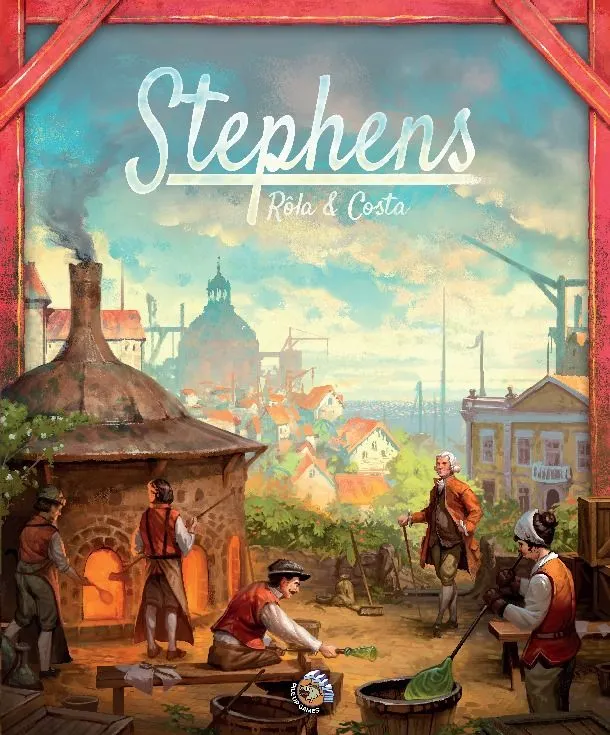
Stephens
- 1–4 players
- 60–120 min
- Complexity 3.2/5
- 2024
2025
Rules assistance for Yinzi: Ming
Plain-language explanations of turns, card effects and disputed situations, with official source references and saved question history.
What would you like to know?
Answers come from the official rulebook, with the page to check.
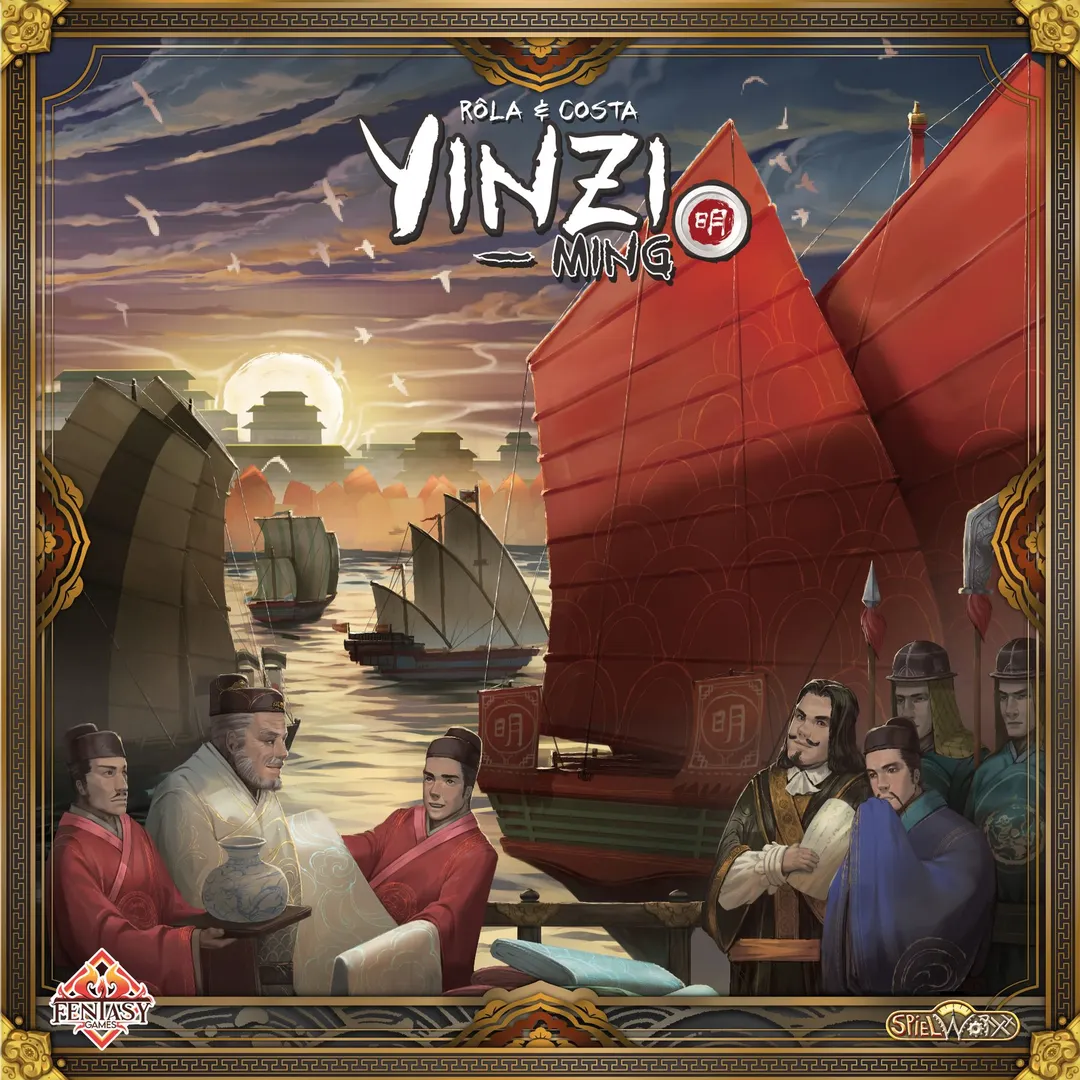
Yinzi: Ming is a board game released in 2025 for 2–4 players and 90–180 minutes per game. It was designed by Rôla and Costa and its main mechanics are Action Points, Contracts, and Programmed Movement.

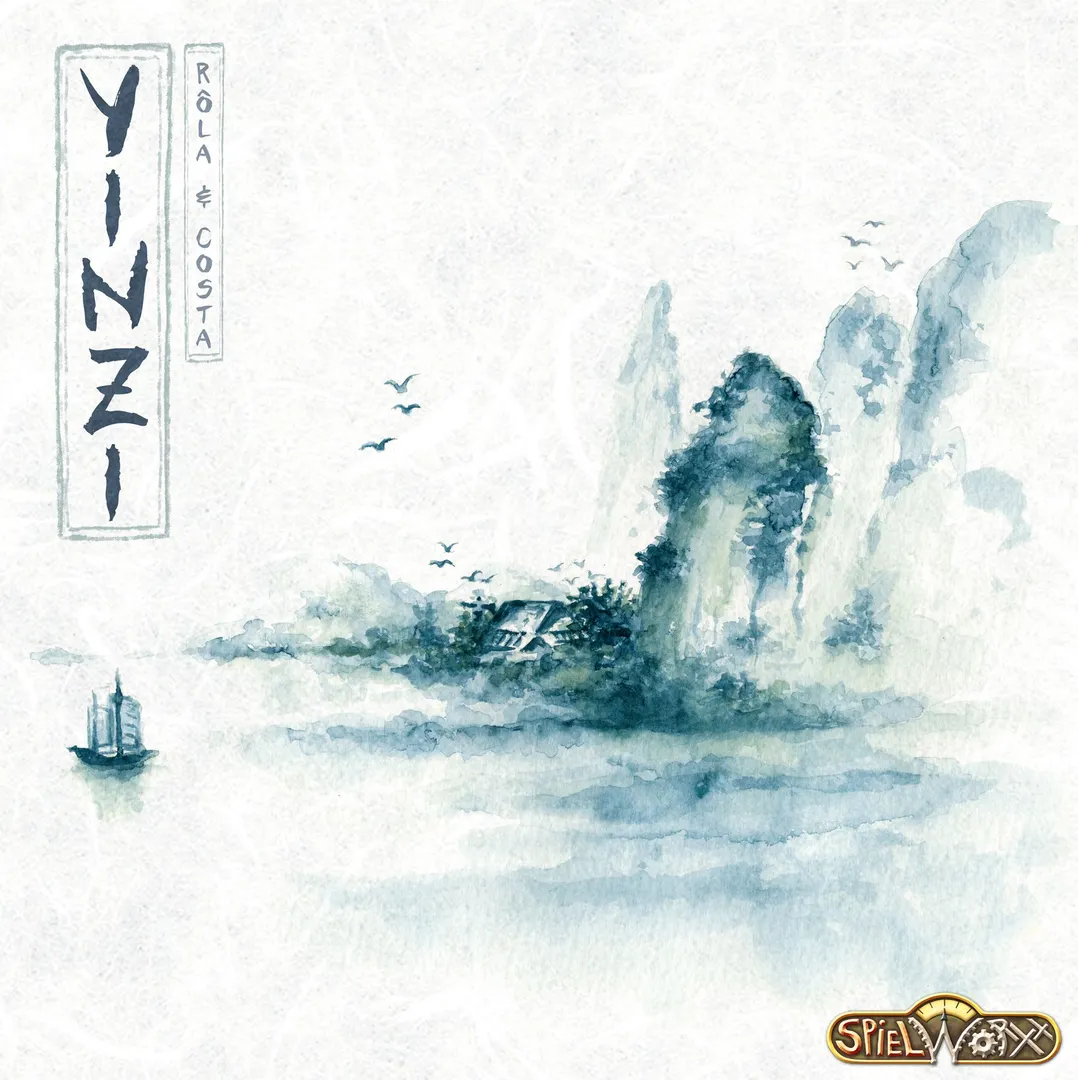


Yinzi: Ming is a new edition of the original Yinzi — meaning "silver". Drawing on feedback from players, this version introduces updated artwork, refined graphic design, and completely revised rules to offer a fresh and immersive experience. Set during the Ming dynasty (1368–1644), a period of unprecedented economic expansion in China, Yinzi: Ming captures the transformative power of global trade. During this era, the flow of silver from the Americas and Europe to China reshaped the world economy, marking what many consider the true beginning of globalization. Within China, the rise of social mobility led to the rapid growth of cities, particularly in the lower Yangtze region, which became the country’s main hub for wheat production. In addition to wheat and rice, large-scale cultivation of crops like tea, fruit, and sugarcane flourished. Many rural peasants, drawn by economic opportunity, migrated to cities, transforming into merchants and artisans. These newly urbanized workers found employment in private and state-run factories, producing valuable commodities such as paper, porcelain, refined sugar, and silk textiles. Fueled by the liberalized economy, trade and commerce boomed, further supported by the Ming government’s infrastructure projects, including the construction of canals, roads, and bridges. This era also saw the rise of powerful merchant clans who amassed significant wealth. In Yinzi: Ming players take on the role of these merchant clans, tasked with developing key regions of China in the late Ming period, specifically along the final 200 kilometers of the Yangtze River as it approaches the China Sea. Players must plant crops, sell goods to rural and urban markets, develop raw materials, and build or upgrade factories. The goal is to produce and deliver goods to ships waiting in port. However, to succeed, players will also need to improve their river transport capabilities along the Yangtze, balancing growth and efficiency to outmaneuver their competitors. The player with the most Wealth points, wins.
Yinzi: Ming supports 2–4 players according to the catalogue. This range comes from the publisher’s listed player count, so the game can be set up for any group size within it. Some setups, rules and scoring details may still vary by player count, so check your edition’s rulebook for the exact configuration.
The listed playing time for Yinzi: Ming is 90–180 minutes. This is the publisher’s estimate for a full game. The actual duration depends on the group, the player count and familiarity with the rules: first sessions usually run longer, while experienced groups often finish faster. Setup and teaching time are not included in this estimate.
Yinzi: Ming has a complexity rating of 4.2 out of 5 from BoardGameGeek players, which makes it a heavy game. The rating reflects how much rules knowledge, planning and decision-making a typical game demands. Expect a longer first teach for heavier games, and use a preparation guide before game night.
Yinzi: Ming belongs to these categories: Economic, Medieval, and Industry / Manufacturing. Its main mechanics are Action Points, Contracts, and Programmed Movement. Categories describe the theme and setting of a game, while mechanics describe what players actually do on their turns. Each mechanic links to a catalogue hub with similar games, which helps when you want something comparable.
The credited designers of Yinzi: Ming are: Rôla and Costa. These credits come from the published game data and name the people responsible for the game’s design, not its illustrators or publishers. Designer pages on MeepleRules collect other titles by the same designers, which helps when you enjoy a game and want to find similar ones.
The catalogue lists Yinzi: Ming as a base game. It can be played on its own with the components in the box and does not require any other title. Expansions, if any exist, add new content or rules on top of it and are listed separately in the catalogue with a link back to this base game.
