
- BGG rank
- BGG #8,229
- BGG rating
- 8.5
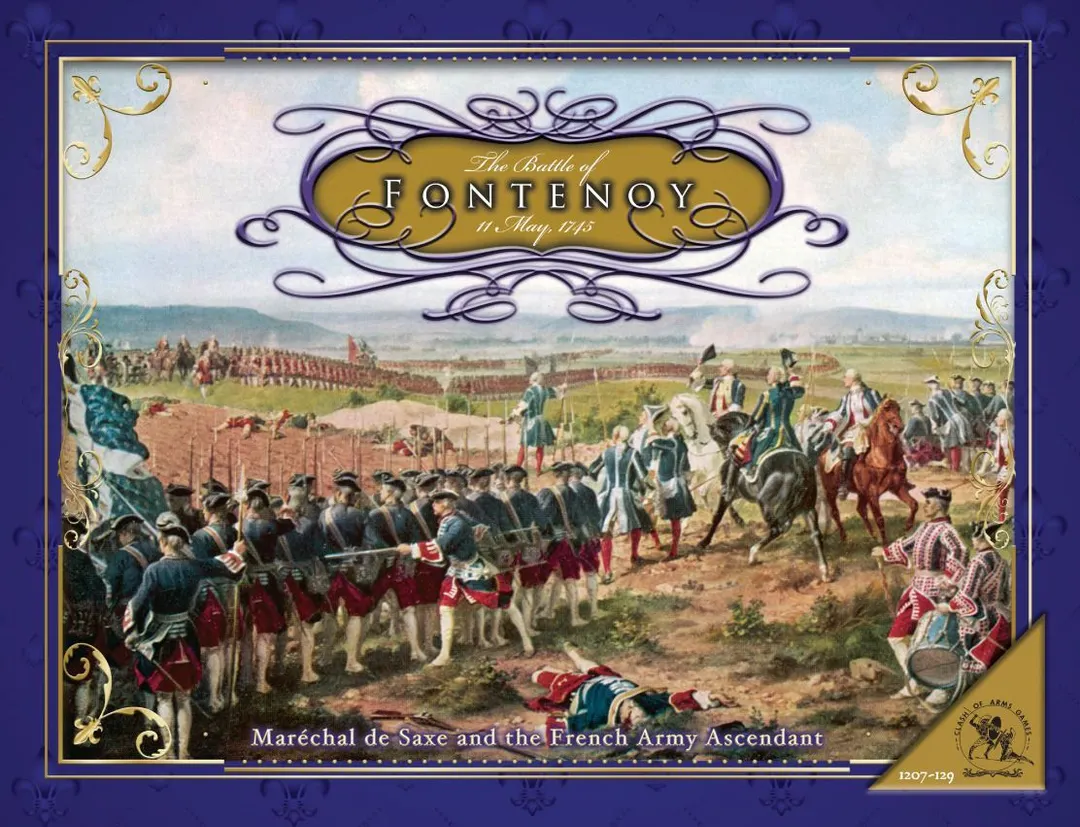
The Battle of Fontenoy: 11 May, 1745
- 1–2 players
- 30–360 min
- Complexity 4.2/5
- 2012
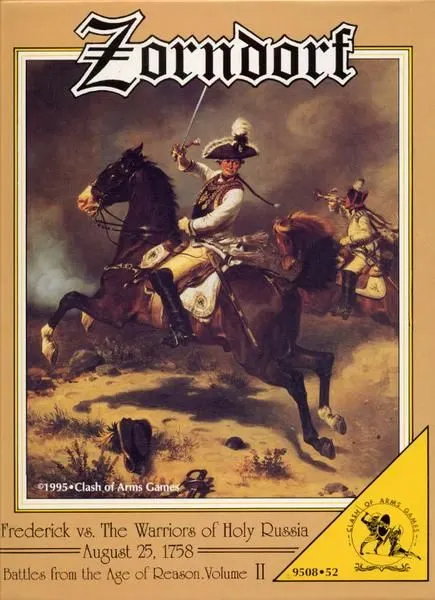
1996
Rules assistance for Zorndorf
Plain-language explanations of turns, card effects and disputed situations, with official source references and saved question history.
For 1 player
What would you like to know?
Answers come from the official rulebook, with the page to check.
Zorndorf is a board game released in 1996 for 1–2 players, 360 minutes per game, and ages 12 and up. It was designed by Paul Dangel and its main mechanics are Dice Rolling and Hexagon Grid.
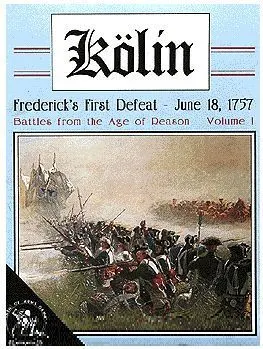
1758: A turning point in the Seven Years War. For the first time Austrian, Swedish and Russian forces pose simultaneous threats to the Prussian heartland. By mid-August the Russian offensive crests on the Oder River, laying siege to the fortress of Cüstrin. Force marching from Silesia through blazing summer heat, Frederick races to bring about a decisive battle. On 25 August near the village of Zorndorf 43,000 Russians and 36,000 Prussians fight one of the most savage battles of the war. For nearly 10 hours they hammer one another, yet by day's end neither army yields, despite staggering losses - nearly half the Russians and one-third of the Prussians were casualties. Finally, both armies limp away, each claiming victory: the Russians back into Poland; the Prussians to Saxony and a new Austrian threat. Zorndorf is the second game in the acclaimed Battles from the Age of Reason (BAR) series. The system presents a detailed simulation of warfare in the age of linear tactics. It is the framework through which players maneuver historic armies while seeking to discover which combinations of units and formations lead to victory, or are a formula for defeat. Contents: 2nd edition standard series rules booklet including updates for Kolin Special rules, scenarios & historical commentary booklet (28 pages) three 22 x 34 inch game maps 2 countersheets with 280 counters each (Zorndorf countersheet, BAR 2nd edition Markers countersheet) Game scale: Units: Infantry battalions, cavalry regiments, artillery sections Ground: 1 hex = 100 yards Time: 1 turn = 20 minutes (from the back of the box and user's description)
Zorndorf supports 1–2 players according to the catalogue. This range comes from the publisher’s listed player count, so the game can be set up for any group size within it. Some setups, rules and scoring details may still vary by player count, so check your edition’s rulebook for the exact configuration.
The listed playing time for Zorndorf is 360 minutes. This is the publisher’s estimate for a full game. The actual duration depends on the group, the player count and familiarity with the rules: first sessions usually run longer, while experienced groups often finish faster. Setup and teaching time are not included in this estimate.
The catalogue lists Zorndorf for ages 12 and up. This is the publisher’s recommendation and reflects reading demands, rule complexity and small components rather than theme alone. Younger players can often join with help from an adult, so check the age guidance on your edition and consider your group’s experience with board games.
Zorndorf has a complexity rating of 4.1 out of 5 from BoardGameGeek players, which makes it a heavy game. The rating reflects how much rules knowledge, planning and decision-making a typical game demands. Expect a longer first teach for heavier games, and use a preparation guide before game night.
Zorndorf belongs to these categories: Wargame and Age of Reason. Its main mechanics are Dice Rolling and Hexagon Grid. Categories describe the theme and setting of a game, while mechanics describe what players actually do on their turns. Each mechanic links to a catalogue hub with similar games, which helps when you want something comparable.
The credited designers of Zorndorf are: Paul Dangel. These credits come from the published game data and name the people responsible for the game’s design, not its illustrators or publishers. Designer pages on MeepleRules collect other titles by the same designers, which helps when you enjoy a game and want to find similar ones.
The catalogue lists Zorndorf as a base game. It can be played on its own with the components in the box and does not require any other title. Expansions, if any exist, add new content or rules on top of it and are listed separately in the catalogue with a link back to this base game.