
- Puesto en BGG
- BGG #12.083
- Puntuación BGG
- 6,0
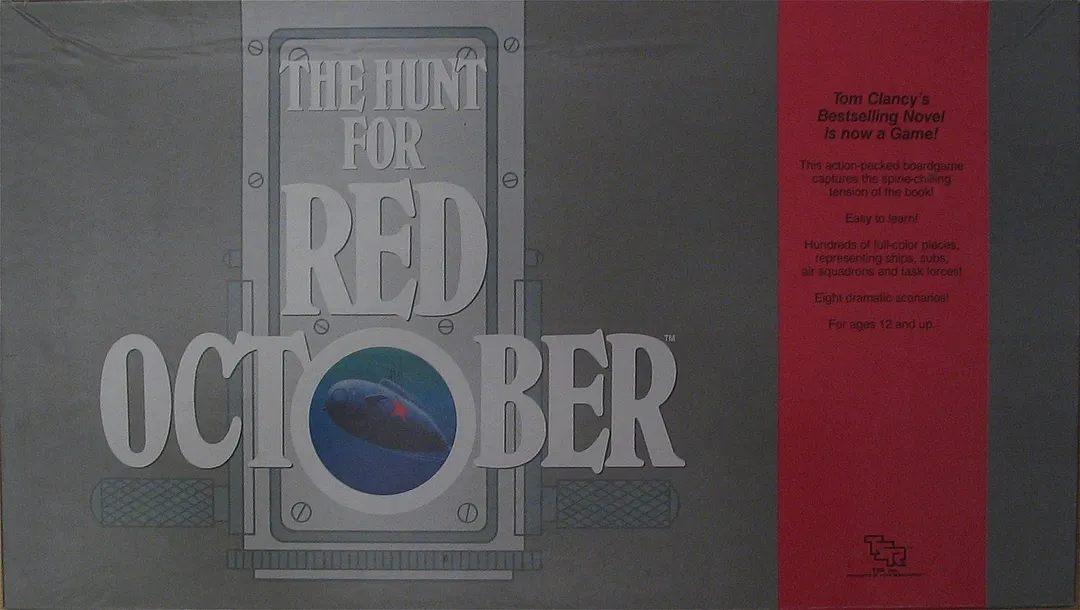
The Hunt for Red October
- 2 jugadores
- 60 min
- Complejidad 2,5/5
- 1988
1991
Ayuda con las reglas de A Line in the Sand
Explicaciones claras de turnos, efectos de cartas y situaciones dudosas, con referencias a fuentes oficiales e historial de preguntas guardado.
¿Qué quieres saber?
Las respuestas salen del reglamento oficial, con la página para comprobarlo.
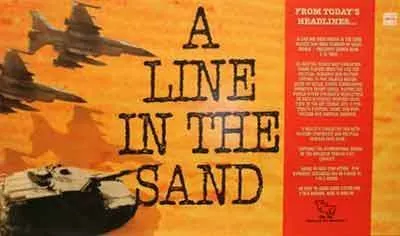
A Line in the Sand es un juego de mesa publicado en 1991 para 2–6 jugadores, con partidas de 60 a 180 minutos y a partir de 10 años. Fue diseñado por Douglas Niles y Paul Lidberg y sus mecánicas principales son Variable Player Powers, Area Movement y Dice Rolling.




En inglés
This is a game detailing the Persian Gulf War fought in the early 1990's. Many of the mechanics are similar to that of one of TSR's other wargames (Red Storm Rising) so players of that game can rather easily go to this game. Two versions of this game are played. With less than 5 players, the game is a "Basic Game" where military might is what wins the game. Players take sides, usually a combination of Middle Eastern nations plus the US. In the two player version, for instance, it is (quite predictably) the US & Allies vs. Iraq; in the three-player game "Holy War", it's Israel vs. Iraq (and Yemen and Jordan) vs. Saudi Arabia (and Syria, Libya, and Lebanon), and so on. Combat rules are rather straightforward, and wargamers will be familiar with many of the mechanics. Land (w/ infantry, Iraqi National Guard, and tanks), sea, and air units are all utilized. Most units can take a few hits before removed from the board. The *real* game, though, is the six-player diplomatic game. The players are now clearly defined: The US (NATO), Iran, Israel, Iraq/Yemen, Moderate Arabs (Saudi Arabia, Egypt, Kuwait, etc.), and Volatile Arabs (Jordan, Libya, etc.) This adds a crucial element of diplomacy and politics, and makes the game much more interesting than the normal wargaming stuff. A "War Fever" and "Jihad" marker change as nations do things--for instance, the first time a US unit is attacked outside of Turkey, War Fever "tripwires" to 10. If Israel attacks a neighbor, Jihad increases by 2. War Fever and Jihad permit certain things to happen--for instance, if War Fever gets too low, the US is restricted in whom they may attack. If Jihad hits either 1 or 10, revolutions may occur--which can switch entire nations to another player! Messages can be sent to other players via a diplomatic pouch--you cannot simply pull another player to the side and whisper in their ear. All messages, once read, go into a big pouch, and players can make diplomatic gestures to read some of the messages after they're read. Victory occurs, in any case, when you meet objectives, which can vary from player to player. "War Aim" chits are drawn before the game begins, and so players are not quite certain as to exactly what other players are going for. For Instance, Iraq may win if they capture and hold Kuwait for the last three turns; if Jihad has reached 10 at least once and 10 non-Muslim units have been destroyed (by anyone); or by controlling three more oil fields than they started with. It all depends on what they looked for. All in all, the Diplomatic game changes the basic game so much that political considerations are as important as military ones. A simplified version of the game with the same name appeared in the TSR comic Warhawks #3. Advanced scenarions for the game in the comic appeared in Warhawks #4.
Según el catálogo, A Line in the Sand admite de 2 a 6 jugadores. Este intervalo corresponde al número de jugadores indicado por la editorial, así que el juego puede prepararse para cualquier grupo dentro de ese margen. La preparación, algunas reglas y la puntuación pueden variar según el número de jugadores; consulta la configuración exacta en el reglamento de tu edición.
La duración indicada para A Line in the Sand es de 60 a 180 minutos, la estimación de la editorial para una partida completa. El tiempo real depende del grupo, del número de jugadores y del conocimiento de las reglas: las primeras partidas suelen alargarse y los grupos con experiencia terminan antes. La preparación y la explicación de las reglas no están incluidas.
El catálogo indica A Line in the Sand a partir de 10 años. Es la recomendación de la editorial y refleja la lectura necesaria, la complejidad de las reglas y las piezas pequeñas, no solo el tema. Los más pequeños a menudo pueden jugar con ayuda de un adulto: comprueba la edad recomendada en tu edición y la experiencia de tu grupo.
A Line in the Sand tiene una puntuación de complejidad de 2,8 sobre 5 según los jugadores de BoardGameGeek, lo que lo convierte en un juego algo ligero. La puntuación refleja cuánto conocimiento de reglas, planificación y toma de decisiones exige una partida típica. Los juegos exigentes requieren una explicación inicial más larga, así que conviene usar una guía de preparación.
A Line in the Sand pertenece a estas categorías: Wargame, Political y Modern Warfare. Sus mecánicas principales son Variable Player Powers, Area Movement y Dice Rolling. Las categorías describen el tema y la ambientación de un juego, mientras que las mecánicas describen lo que los jugadores hacen realmente en su turno. Cada mecánica lleva a una página del catálogo con juegos similares.
Los autores acreditados de A Line in the Sand son: Douglas Niles y Paul Lidberg. Estos créditos proceden de los datos publicados del juego y nombran a las personas responsables de su diseño, no a ilustradores ni editoriales. Las páginas de autor de MeepleRules reúnen otros títulos de los mismos autores, algo útil cuando un juego te gusta y buscas otros parecidos.
El catálogo clasifica A Line in the Sand como juego base. Se juega por sí solo con los componentes de la caja y no requiere ningún otro título. Las expansiones, si existen, añaden contenido o reglas nuevas y aparecen por separado en el catálogo con un enlace a este juego base.