Backgammon: Zombie Rush
- 2 jugadores
- 20 min
- 2012
Ayuda con las reglas de Backgammon
Explicaciones claras de turnos, efectos de cartas y situaciones dudosas, con referencias a fuentes oficiales e historial de preguntas guardado.
Para 2 jugadores
¿Qué quieres saber?
Las respuestas salen del reglamento oficial, con la página para comprobarlo.
Backgammon es un juego de mesa para 2 jugadores, con partidas de 30 minutos y a partir de 8 años. Sus mecánicas principales son Race, Roll / Spin and Move y Lose a Turn.



En inglés
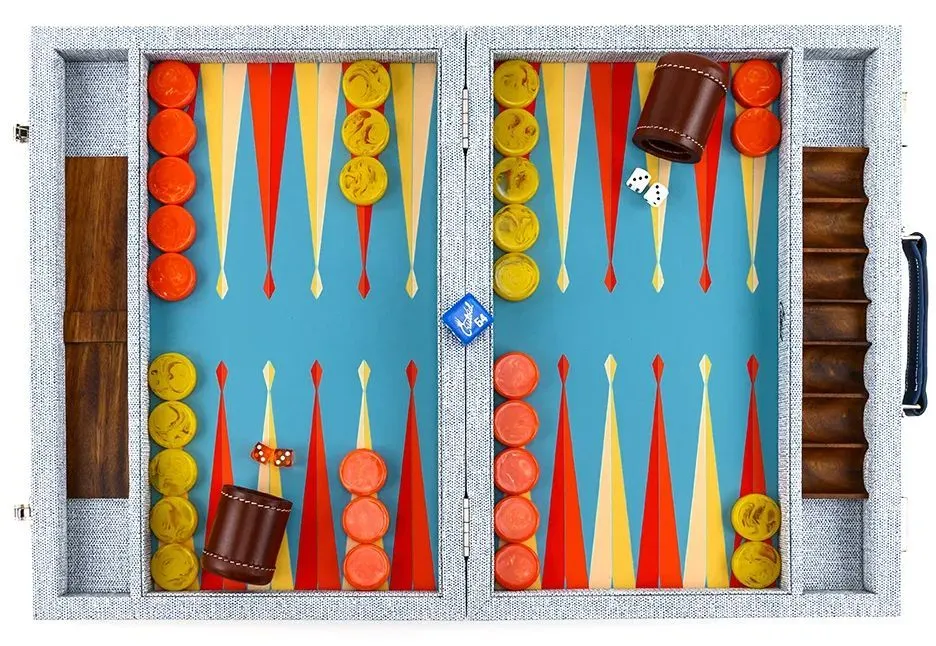
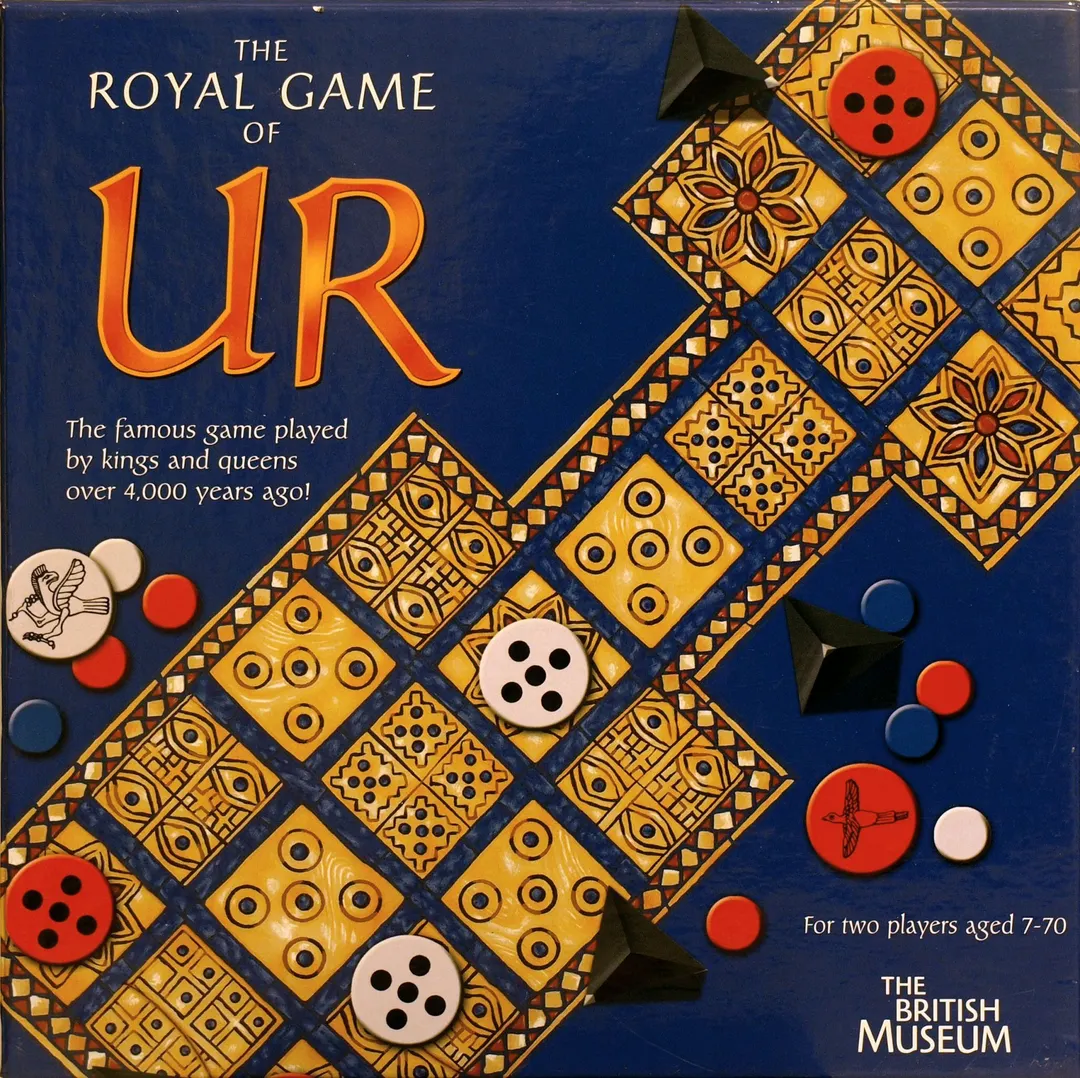
Backgammon is a classic abstract strategy game dating back hundreds of years. Each player has a set of 15 checkers (or stones) that must be moved from their starting positions, around, and then off the board. Dice are thrown each turn, and each player must decide which of their checkers to move based on the outcome of the roll. Players can capture each other's checkers, forcing the captured checkers to restart their journey around the board. The winner is the first player to get all 15 checkers off the board. A more recent addition to the game is the "doubling cube", which allows players to up the stakes of the game. Although the game relies on dice to determine movement, there is a large degree of strategy in deciding how to make the most effective moves given each dice roll and measuring the risk in terms of possible rolls the opponent may get. An ancestor of Backgammon may be the first game to be mentioned in written history, going back 5,000 years to the Sumerians of ancient Mesopotamia. During the 1920s, archaeologists unearthed five boards of The Royal Game of Ur from a cemetery in the ancient town of Ur. At another location, pieces and dice were also found along with the board. Boards from ancient Egypt, apparently of other related games, have also been recovered from the tomb of Tutankhamun, including a mechanical dice box, no doubt intended to stop cheaters. The ancestors of the game were many. In Persia, Takhteh Nard which means "Battle on Wood". In Egypt, Tau, which may be the ancestor of Senat. In Rome, Ludus Duodecim Scriptorum ("game of twelve marks"), later, Tabula ("table"), and by the sixth century, Alea ("dice"). In ancient China, T-shu-p-u and later in Japan, Sugoroko. The English name may derive from "Bac gamen" meaning "Back Game", referring to re-entry of taken stones back to the board. It was often enjoyed by the upper classes and is sometimes called "The Aristocratic Game". The Roman Emperor Claudius was known to be such a fan of Tabula that he had a set built into his coach so he could play as he traveled (the world's first travel edition?). The rules in English were standardized in 1743 by Edmond Hoyle. These remained popular until the American innovations of the 1930s.
Según el catálogo, Backgammon admite 2 jugadores. Es el número de jugadores indicado por la editorial, así que el juego está diseñado exactamente para esa cantidad de participantes. Las variantes para otros tamaños de grupo, si existen, se describen en el reglamento de tu edición; consúltalo antes de preparar otra configuración.
La duración indicada para Backgammon es de 30 minutos, la estimación de la editorial para una partida completa. El tiempo real depende del grupo, del número de jugadores y del conocimiento de las reglas: las primeras partidas suelen alargarse y los grupos con experiencia terminan antes. La preparación y la explicación de las reglas no están incluidas.
El catálogo indica Backgammon a partir de 8 años. Es la recomendación de la editorial y refleja la lectura necesaria, la complejidad de las reglas y las piezas pequeñas, no solo el tema. Los más pequeños a menudo pueden jugar con ayuda de un adulto: comprueba la edad recomendada en tu edición y la experiencia de tu grupo.
Backgammon tiene una puntuación de complejidad de 2,0 sobre 5 según los jugadores de BoardGameGeek, lo que lo convierte en un juego algo ligero. La puntuación refleja cuánto conocimiento de reglas, planificación y toma de decisiones exige una partida típica. Los juegos exigentes requieren una explicación inicial más larga, así que conviene usar una guía de preparación.
Backgammon pertenece a estas categorías: Dice y Abstract Strategy. Sus mecánicas principales son Race, Roll / Spin and Move y Lose a Turn. Las categorías describen el tema y la ambientación de un juego, mientras que las mecánicas describen lo que los jugadores hacen realmente en su turno. Cada mecánica lleva a una página del catálogo con juegos similares.
El catálogo clasifica Backgammon como juego base. Se juega por sí solo con los componentes de la caja y no requiere ningún otro título. Las expansiones, si existen, añaden contenido o reglas nuevas y aparecen por separado en el catálogo con un enlace a este juego base.