
- Puesto en BGG
- BGG #6543
- Puntuación BGG
- 7,5
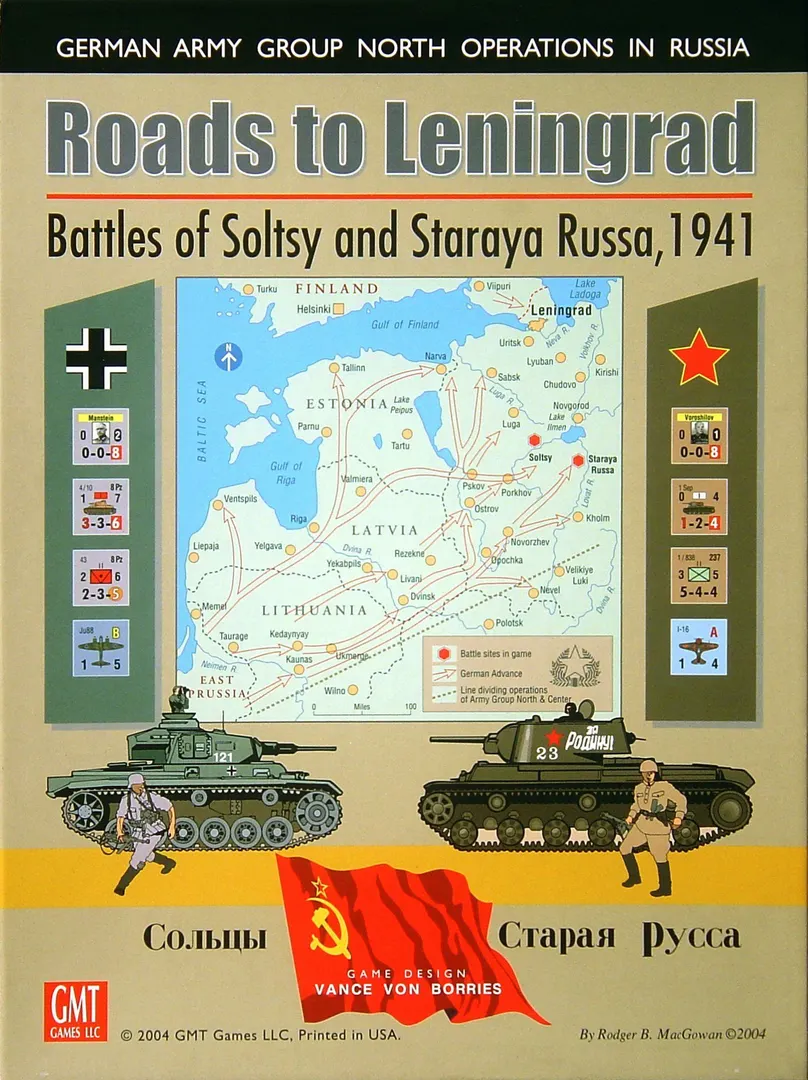
Roads to Leningrad: Battles of Soltsy and Staraya Russa, 1941
- 1–2 jugadores
- Complejidad 3,4/5
- 2004
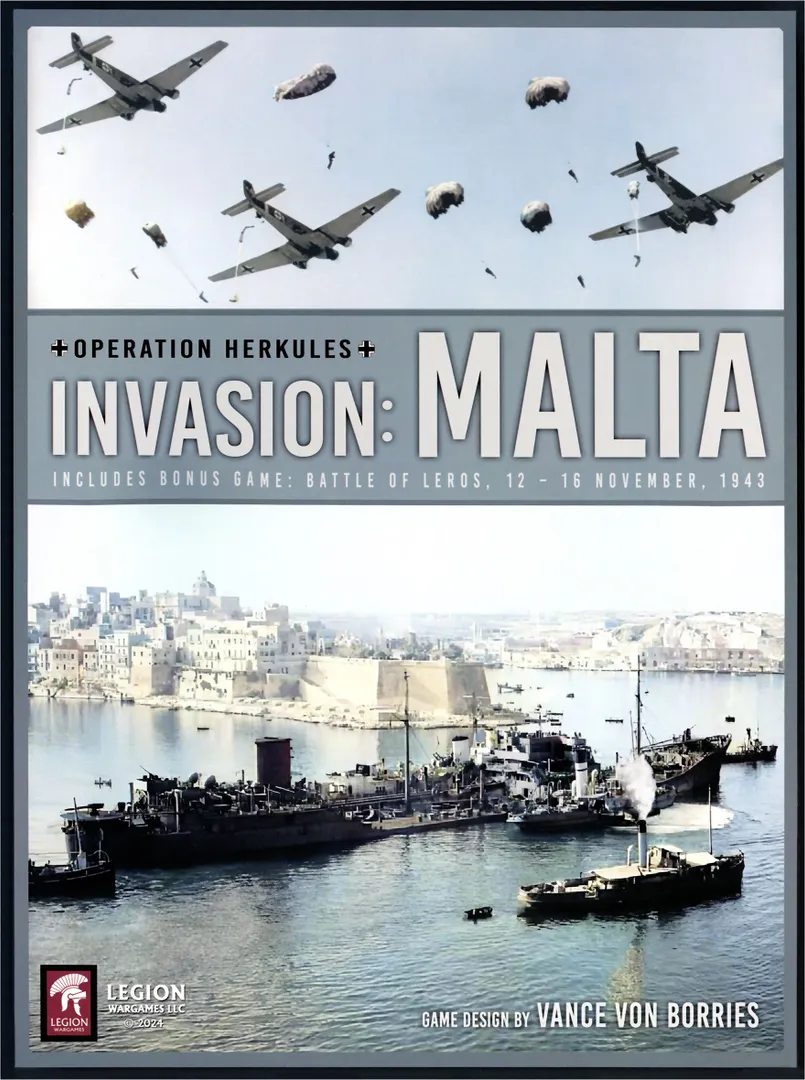
2024
Ayuda con las reglas de Invasion: Malta
Explicaciones claras de turnos, efectos de cartas y situaciones dudosas, con referencias a fuentes oficiales e historial de preguntas guardado.
Para 2 jugadores
¿Qué quieres saber?
Las respuestas salen del reglamento oficial, con la página para comprobarlo.
Invasion: Malta es un juego de mesa publicado en 2024 para 2 jugadores. Fue diseñado por Vance von Borries y sus mecánicas principales son Dice Rolling, Hexagon Grid y Chit-Pull System.
En inglés
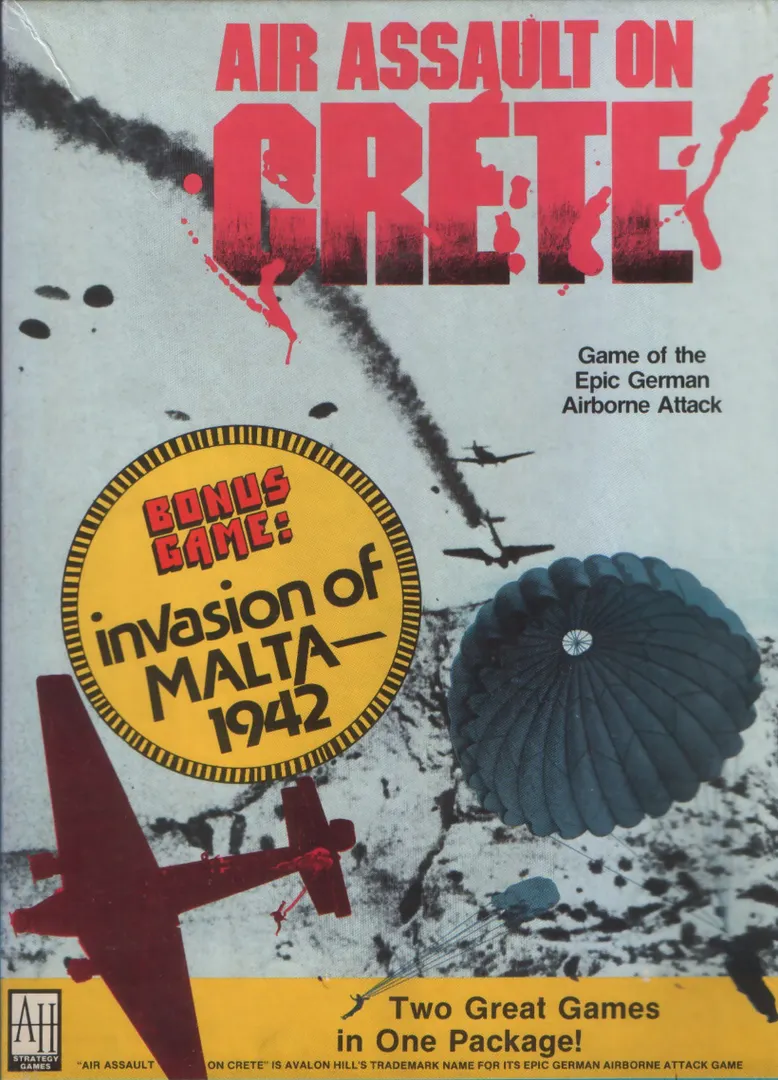
Invasion: Malta uses many familiar game mechanics found in similar scale wargames. Featured here are chit draws for activation of formations and individual unit efficiency ratings. The Axis player uses amphibious landings and airdrops to bring his units into the battle while the Allied player defends with artillery bombardment from behind heavy fortifications. As you might expect, the game includes the highest quality OoB for both sides for each scenarios; we really dug into various national archives for this game. All scenarios stop after only a few days of campaigning as it is during this time that the battle would be decided. Our hobby has perhaps a unique ability to explore the great questions of events in history. Here, what if during WWII the Axis actually invaded Malta. Who would win? The answer turns on many additional questions and circumstances. This two-player game explores several of these in three scenarios plus the bonus game covering the historical invasion of Leros. Fall 1940: The Italians had big talk and many objectives during the war but not enough realistic plans. Perhaps the best time for their invasion would be in the fall, and perhaps timed along with the German invasion of Britain; or, if the Germans do not invade, then perhaps in place of the actual Italian invasion of Greece. Operational plans for Malta were poor but British defenses are weak. Perhaps the Italians could catch the British not reacting in time. Spring 1941: In April 1941 the Axis had a choice, either occupy Crete or attack Malta. On April 21st Gen. Student, chief of the paratroopers, overcame opposition from the Wehrmacht Operations Staff, and others, in Berlin and persuaded Hitler to attack Crete. But, what if Hitler accepted the alternative recommendation to attack Malta? The Germans and Italians would now have to prepare for a combined operation, air, land, and sea, and do this quickly. The forces arrayed against Malta would have been huge, but the British were far better prepared than a year before and well fortified. The bloody issue would have been in doubt from the start. Summer 1942: After a over year of preparation and study and agreement on the need to invade, the combined German and Italian staffs had put together an extensive and complex plan for invasion. Its success depended on many factors and lessons had been learned from the battle for Crete the year before had been put into effect. All was as ready as it could be, yet they did not invade. The British were stronger in numbers and weapons but their efficiency was down due to the long siege. Was it just Hitler’s nervousness about such an unusual Axis operation, or was it the allure of bigger victories elsewhere? November 1943, Leros: The possibility of invading Malta had passed but the British had put themselves out on a small island in the Aegean, Leros. Incredibly, a large part of the British garrison consisted of the former Malta garrison, now well rested. In effect, it was a miniature Malta. This time the Germans did not hesitate, they invaded by sea and air. This tough little infantry fight shows just what grit was involved and how the experience of fighting on Malta would have been. The British lost, but the battle was close. All the flavor of the Malta battle is here but at only one-third of the size. TIME SCALE: 8 hours per turn (each day has AM-PM-Night turns) MAP SCALE: 600 yards per hex (0.54 km) UNIT SCALE: Companies and a few platoons (from publisher's website and BGG user)
Según el catálogo, Invasion: Malta admite 2 jugadores. Es el número de jugadores indicado por la editorial, así que el juego está diseñado exactamente para esa cantidad de participantes. Las variantes para otros tamaños de grupo, si existen, se describen en el reglamento de tu edición; consúltalo antes de preparar otra configuración.
Invasion: Malta tiene una puntuación de complejidad de 2,8 sobre 5 según los jugadores de BoardGameGeek, lo que lo convierte en un juego algo ligero. La puntuación refleja cuánto conocimiento de reglas, planificación y toma de decisiones exige una partida típica. Los juegos exigentes requieren una explicación inicial más larga, así que conviene usar una guía de preparación.
Invasion: Malta pertenece a estas categorías: Wargame y World War II. Sus mecánicas principales son Dice Rolling, Hexagon Grid y Chit-Pull System. Las categorías describen el tema y la ambientación de un juego, mientras que las mecánicas describen lo que los jugadores hacen realmente en su turno. Cada mecánica lleva a una página del catálogo con juegos similares.
Los autores acreditados de Invasion: Malta son: Vance von Borries. Estos créditos proceden de los datos publicados del juego y nombran a las personas responsables de su diseño, no a ilustradores ni editoriales. Las páginas de autor de MeepleRules reúnen otros títulos de los mismos autores, algo útil cuando un juego te gusta y buscas otros parecidos.
El catálogo clasifica Invasion: Malta como juego base. Se juega por sí solo con los componentes de la caja y no requiere ningún otro título. Las expansiones, si existen, añaden contenido o reglas nuevas y aparecen por separado en el catálogo con un enlace a este juego base.