

- Puesto en BGG
- BGG #10.675
- Puntuación BGG
- 6,1
Master Builder
- 2–4 jugadores
- 60 min
- Complejidad 2,0/5
- 2008
1998
Ayuda con las reglas de Ritter ohne Furcht und Tadel
Explicaciones claras de turnos, efectos de cartas y situaciones dudosas, con referencias a fuentes oficiales e historial de preguntas guardado.
¿Qué quieres saber?
Las respuestas salen del reglamento oficial, con la página para comprobarlo.
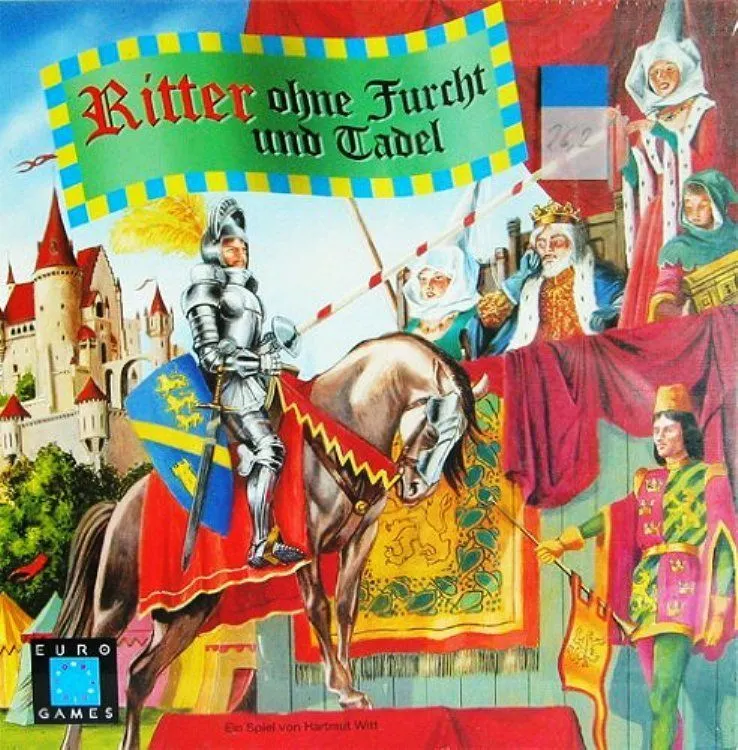
Ritter ohne Furcht und Tadel es un juego de mesa publicado en 1998 para 2–10 jugadores, con partidas de 45 minutos y a partir de 12 años. Fue diseñado por Hartmut Witt y sus mecánicas principales son Betting and Bluffing.
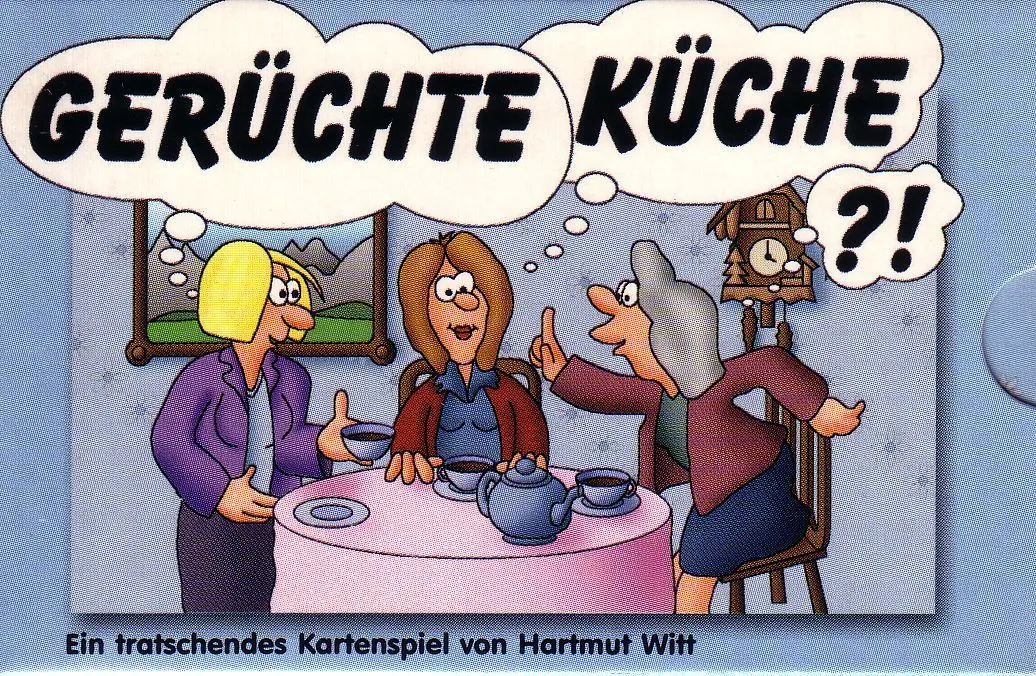

En inglés
Depending upon the number of players, each player receives 1 or 2 knights. Each of these knights lists a series of dice pips on the card, some of which are red in color. These red numbers are the knights defensive abilities, and he will block these numbers if rolled by an opponent during a competition. For instance, Upollonius Wolkenburg has a 1, 2 and 3 in red. Thus, he will block one of each of these numbers each time dice are rolled by an opponent in a competition. Some knights have less numbers in red, but they usually have a greater attack strength, meaning they can roll more dice in combat. This mechanism borrows very heavily from many role playing and fantasy games. In addition to these 'defense' numbers and the attack dice chart, each knight card also has charts for prizes won (1 - 15) and damage points (1 - 10). There are also nice illustrations on each card ... about the only kind thing I can say about the game. Each player also receives a 'lady' card. Each lady possesses a number of characteristics, including hair color, build, height and personality. When granting her favor to a knight (which is indicated by placing a corresponding token onto a knight card), the idea is to seek out a knight who desires similar characteristics in a lady. The start player challenges an opposing knight with one of his knights. A challenge cannot be refused. These two enter battle, which involves each player tossing a number of dice equal to their attack strength into the tournament field. In mounted combat, any 1's, 2's or 3's thrown strike a blow, unless these are blocked by the opponent. If any of these dice strike, the knight falls from his horse and the knight suffers hit points equal to the number of blows which were landed. If only one knight is struck and falls from his horse, the opponent wins and earns a prize for himself and for his lady. If both knights fall from their horse, then the match continues on foot. This involves more dice rolling, but 4's, 5's and 6's now strike. This continues until one knight concedes or reaches 10 damage points, at which time he is out of the tournament (and out of the game). The next player in turn order then challenges a knight. This process is repeated until there is only one healthy knight remaining. The round then ends and victory points are doled out to the knight and lady who won the most prizes. There are also potential bonuses which add to the players' scores.
Según el catálogo, Ritter ohne Furcht und Tadel admite de 2 a 10 jugadores. Este intervalo corresponde al número de jugadores indicado por la editorial, así que el juego puede prepararse para cualquier grupo dentro de ese margen. La preparación, algunas reglas y la puntuación pueden variar según el número de jugadores; consulta la configuración exacta en el reglamento de tu edición.
La duración indicada para Ritter ohne Furcht und Tadel es de 45 minutos, la estimación de la editorial para una partida completa. El tiempo real depende del grupo, del número de jugadores y del conocimiento de las reglas: las primeras partidas suelen alargarse y los grupos con experiencia terminan antes. La preparación y la explicación de las reglas no están incluidas.
El catálogo indica Ritter ohne Furcht und Tadel a partir de 12 años. Es la recomendación de la editorial y refleja la lectura necesaria, la complejidad de las reglas y las piezas pequeñas, no solo el tema. Los más pequeños a menudo pueden jugar con ayuda de un adulto: comprueba la edad recomendada en tu edición y la experiencia de tu grupo.
Ritter ohne Furcht und Tadel tiene una puntuación de complejidad de 1,6 sobre 5 según los jugadores de BoardGameGeek, lo que lo convierte en un juego ligero. La puntuación refleja cuánto conocimiento de reglas, planificación y toma de decisiones exige una partida típica. Los juegos exigentes requieren una explicación inicial más larga, así que conviene usar una guía de preparación.
Ritter ohne Furcht und Tadel pertenece a estas categorías: Fighting, Dice y Medieval. Sus mecánicas principales son Betting and Bluffing. Las categorías describen el tema y la ambientación de un juego, mientras que las mecánicas describen lo que los jugadores hacen realmente en su turno. Cada mecánica lleva a una página del catálogo con juegos similares.
Los autores acreditados de Ritter ohne Furcht und Tadel son: Hartmut Witt. Estos créditos proceden de los datos publicados del juego y nombran a las personas responsables de su diseño, no a ilustradores ni editoriales. Las páginas de autor de MeepleRules reúnen otros títulos de los mismos autores, algo útil cuando un juego te gusta y buscas otros parecidos.
El catálogo clasifica Ritter ohne Furcht und Tadel como juego base. Se juega por sí solo con los componentes de la caja y no requiere ningún otro título. Las expansiones, si existen, añaden contenido o reglas nuevas y aparecen por separado en el catálogo con un enlace a este juego base.