

- Puesto en BGG
- BGG #7
- Puntuación BGG
- 8,6
Twilight Imperium: Fourth Edition
- 3–6 jugadores
- 240–480 min
- Complejidad 4,4/5
- 2017
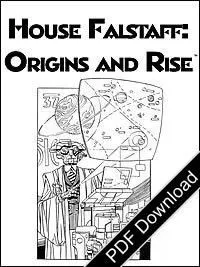
Expansión de Silent Death: The Next Millennium Deluxe Edition
2005
Ayuda con las reglas de Silent Death House: House Falstaff – Origins and Rise
Explicaciones claras de turnos, efectos de cartas y situaciones dudosas, con referencias a fuentes oficiales e historial de preguntas guardado.
¿Qué quieres saber?
Las respuestas salen del reglamento oficial, con la página para comprobarlo.
Silent Death House: House Falstaff – Origins and Rise es una expansión de Silent Death: The Next Millennium Deluxe Edition publicada en 2005 para 2–8 jugadores, con partidas de 120 minutos y a partir de 10 años. Fue diseñado por Sheldon Greaves y sus mecánicas principales son Hexagon Grid.



En inglés
From ICE's website description: How does an eccentric tinkerer's retirement hideaway become a small but powerful noble house minor? Follow 3 simple rules: Get up early, work hard, and stumble across a super-secret prototype fighter that everybody wants. Oh…and you also have to deal with the fallout from that unfortunate incident in which a Colosian Viscount suddenly found himself on the wrong side of an airlock. And if you can fend off the odd pirate raid, keep the Luches Utopia off you back, and continue to run a growing commercial enterprise, you’ve got it made. Follow the adventures & follies of House Falstaff, the latest addition to the colorful gallery of players in the universe of Silent Death: The Next Millennium. This 26-pg PDF introduces 3 brand-new ships, 2 refits, & 4 game scenarios. Expands: Silent Death: The Next Millennium Deluxe Edition
Según el catálogo, Silent Death House: House Falstaff – Origins and Rise admite de 2 a 8 jugadores. Este intervalo corresponde al número de jugadores indicado por la editorial, así que el juego puede prepararse para cualquier grupo dentro de ese margen. La preparación, algunas reglas y la puntuación pueden variar según el número de jugadores; consulta la configuración exacta en el reglamento de tu edición.
La duración indicada para Silent Death House: House Falstaff – Origins and Rise es de 120 minutos, la estimación de la editorial para una partida completa. El tiempo real depende del grupo, del número de jugadores y del conocimiento de las reglas: las primeras partidas suelen alargarse y los grupos con experiencia terminan antes. La preparación y la explicación de las reglas no están incluidas.
El catálogo indica Silent Death House: House Falstaff – Origins and Rise a partir de 10 años. Es la recomendación de la editorial y refleja la lectura necesaria, la complejidad de las reglas y las piezas pequeñas, no solo el tema. Los más pequeños a menudo pueden jugar con ayuda de un adulto: comprueba la edad recomendada en tu edición y la experiencia de tu grupo.
Silent Death House: House Falstaff – Origins and Rise pertenece a estas categorías: Wargame, Science Fiction y Expansion for Base-game. Sus mecánicas principales son Hexagon Grid. Las categorías describen el tema y la ambientación de un juego, mientras que las mecánicas describen lo que los jugadores hacen realmente en su turno. Cada mecánica lleva a una página del catálogo con juegos similares.
Los autores acreditados de Silent Death House: House Falstaff – Origins and Rise son: Sheldon Greaves. Estos créditos proceden de los datos publicados del juego y nombran a las personas responsables de su diseño, no a ilustradores ni editoriales. Las páginas de autor de MeepleRules reúnen otros títulos de los mismos autores, algo útil cuando un juego te gusta y buscas otros parecidos.
El catálogo clasifica Silent Death House: House Falstaff – Origins and Rise como expansión de Silent Death: The Next Millennium Deluxe Edition. Las expansiones añaden contenido, reglas o escenarios al juego base y normalmente no se pueden jugar solas, así que necesitas Silent Death: The Next Millennium Deluxe Edition para usarla. Comprueba que tu edición de Silent Death: The Next Millennium Deluxe Edition sea compatible, porque algunas expansiones se revisaron entre ediciones.