
- Puesto en BGG
- BGG #10.935
- Puntuación BGG
- 7,2
The Deadly Woods: The Battle of the Bulge
- 2 jugadores
- 360–720 min
- Complejidad 2,7/5
- 2021
2010
Ayuda con las reglas de Storming the Reich: D-Day to the Ruhr
Explicaciones claras de turnos, efectos de cartas y situaciones dudosas, con referencias a fuentes oficiales e historial de preguntas guardado.
Para 1 jugador
¿Qué quieres saber?
Las respuestas salen del reglamento oficial, con la página para comprobarlo.
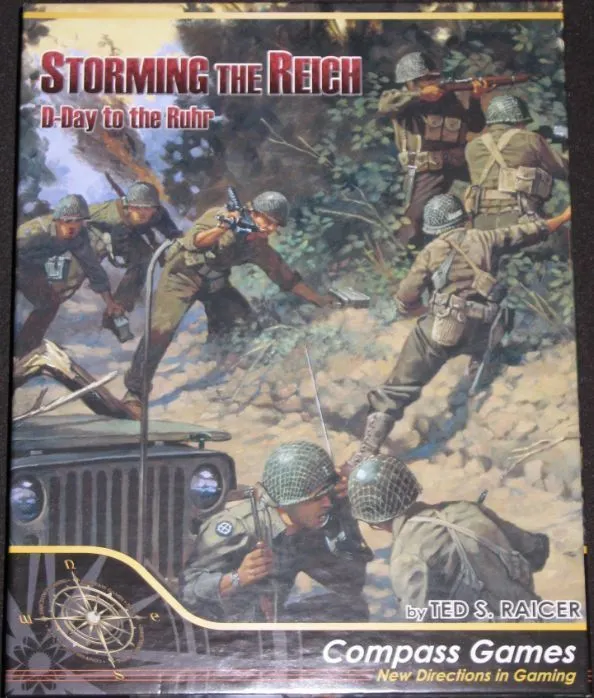
Storming the Reich: D-Day to the Ruhr es un juego de mesa publicado en 2010 para 1–2 jugadores y con partidas de 400 minutos. Fue diseñado por Ted Raicer y sus mecánicas principales son Dice Rolling y Hexagon Grid.
En inglés
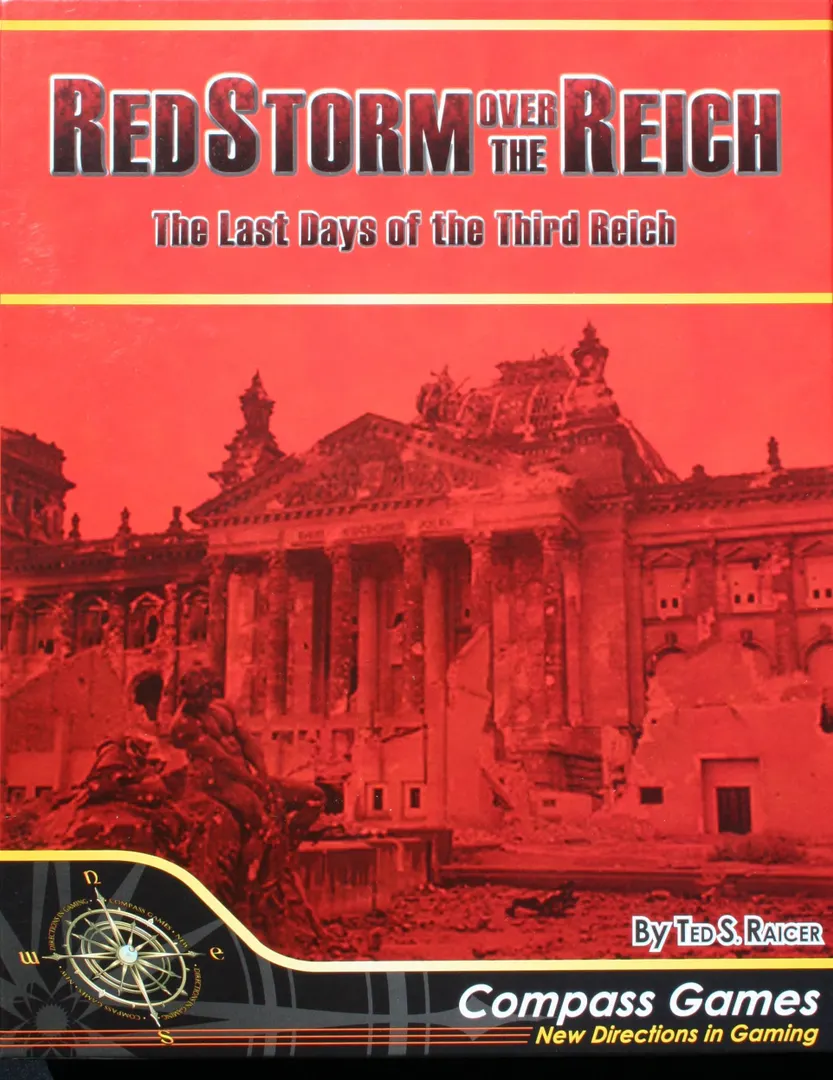
(from Compass Games website:) Storming the Reich is a game about the World War II Allied campaign to liberate Northwest Europe from Nazi occupation. It is a game of brutal attrition and slashing advances. Opening on the evening of D-Day, with the Allies on the beaches and the Germans reacting (albeit belatedly) to the landings, the game covers the full campaign through to the battle of the Ruhr Pocket in April of 1945. With plenty of armor, paratroop divisions, naval gunfire, air superiority and even the 79th Funnies, the Allies will break out from the beaches and race across France toward the Seine River. To keep pace with operations they will face difficult logistical decisions including the grounding of units and Red Ball Express in favor of other operations, a surprisingly thin infantry leash, and whether to give Monty the lead in offensive operations over Patton (or vice-versa)… For the Allies there’s a chance at an early auto-victory for breaking out of the landing areas ahead of schedule, but they can quickly lose the game if they don’t cross the Seine on schedule. The German player will need to counter the Allied push with a healthy dose of reinforcements (admittedly of low quality), but with very limited replacements. They will need to take advantage of opportunities to thwart the Allies such as when Monty looks the other way at Antwerp, and they can even win the game, although not the war, by launching a successful Counteroffensive (aka. The Bulge). Careful use of Panzer Brigades and Tiger Battalions in offense and defense will play a key role in stopping the Allies. Storming the Reich is a two-map game with units portrayed mostly at division level (with some armored brigades and battalions). Each hex is about 8 miles across (or about 13km). Each turn represents a month of operations except during summer where each turn is 2 weeks. For players of Red Storm over the Reich, there are many similarities such as the variable movement allowances for both sides (a key feature for fog of war, variability, replay value, and solitaire play) and the same basic combat engine. A key difference is the elimination of the Redeployment Phase. There are 3 scenarios included. Scenario one is the full 15-turn campaign using both maps, beginning on D-Day and ending in April of 1945. The second is a one-map “Normandy Breakout” scenario – at only 4 turns it is a perfect learning scenario covering the initial desperate fighting following the landings. Lastly is a one-map “Bulge to Victory” scenario where both players really get to flex their gaming muscles. Ted Raicer's game on the campaign for Northwest Europe, using a variation of his Red Storm Over the Reich system. It does not link up with Red Storm Over the Reich.
Según el catálogo, Storming the Reich: D-Day to the Ruhr admite de 1 a 2 jugadores. Este intervalo corresponde al número de jugadores indicado por la editorial, así que el juego puede prepararse para cualquier grupo dentro de ese margen. La preparación, algunas reglas y la puntuación pueden variar según el número de jugadores; consulta la configuración exacta en el reglamento de tu edición.
La duración indicada para Storming the Reich: D-Day to the Ruhr es de 400 minutos, la estimación de la editorial para una partida completa. El tiempo real depende del grupo, del número de jugadores y del conocimiento de las reglas: las primeras partidas suelen alargarse y los grupos con experiencia terminan antes. La preparación y la explicación de las reglas no están incluidas.
Storming the Reich: D-Day to the Ruhr tiene una puntuación de complejidad de 3,1 sobre 5 según los jugadores de BoardGameGeek, lo que lo convierte en un juego de complejidad media. La puntuación refleja cuánto conocimiento de reglas, planificación y toma de decisiones exige una partida típica. Los juegos exigentes requieren una explicación inicial más larga, así que conviene usar una guía de preparación.
Storming the Reich: D-Day to the Ruhr pertenece a estas categorías: Wargame y World War II. Sus mecánicas principales son Dice Rolling y Hexagon Grid. Las categorías describen el tema y la ambientación de un juego, mientras que las mecánicas describen lo que los jugadores hacen realmente en su turno. Cada mecánica lleva a una página del catálogo con juegos similares.
Los autores acreditados de Storming the Reich: D-Day to the Ruhr son: Ted Raicer. Estos créditos proceden de los datos publicados del juego y nombran a las personas responsables de su diseño, no a ilustradores ni editoriales. Las páginas de autor de MeepleRules reúnen otros títulos de los mismos autores, algo útil cuando un juego te gusta y buscas otros parecidos.
El catálogo clasifica Storming the Reich: D-Day to the Ruhr como juego base. Se juega por sí solo con los componentes de la caja y no requiere ningún otro título. Las expansiones, si existen, añaden contenido o reglas nuevas y aparecen por separado en el catálogo con un enlace a este juego base.