
- Rang BGG
- BGG #22 775
- Note BGG
- 6,2
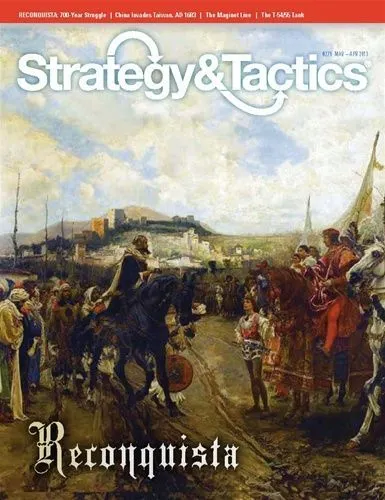
Reconquista! The Struggle for Iberia, 850-1250 AD
- 1–3 joueurs
- 240 min
- Complexité 2,8/5
- 2013
2002
Aide aux règles de Iberos: Overlords of the Ancient Peninsula
Des explications claires des tours, effets de cartes et situations litigieuses, avec des références aux sources officielles et un historique des questions sauvegardé.
Pour 2 joueurs
Que voulez-vous savoir ?
Les réponses viennent du livret officiel, avec la page à vérifier.
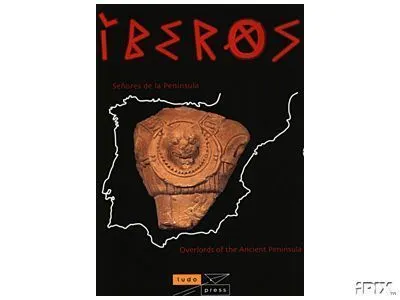
Iberos: Overlords of the Ancient Peninsula est un jeu de société sorti en 2002 pour 2 joueurs, avec des parties de 120 à 600 minutes et à partir de 12 ans. Il a été conçu par Javier Romero et ses principales mécaniques sont Variable Player Powers, Area Movement et Action Points.
En anglais
Extracted from consimworld.com: IBEROS is an operational simulation of low to medium complexity of warfare in the Ancient Peninsula. It is packaged in a slipcase box that includes one 60 x 52 cm map, 240 full-color die cut counters, one standard and scenario rules booklet, one historical commentary booklet, and two player aid cards. Game turns are one year each: after collecting silver and/or receiving it from Rome, you can pay your troops, recruit tribal levies, and perform other administrative functions. After that comes the Operations Phase. During it, each force (one or more Field Armies, Tribal Levies, etc) can perform certain operations, using Operation Points (OP). These actions include combat, diplomacy (you can try to control any area through diplomacy), besiege cities, pillage, recruit mercenaries, or build colonies. At the end of the Operations Phase, forces retire to winter quarters. The most outstanding features of the game are the Prestige Point Level and the differences between Regular and Irregular warfare. The Prestige Level (PP) simulates the prestige of the civilized armies (Punic, Romans, Sertorians) among the Iberian tribes, and the tendency of the latter to switch to the side that seems to be winning... Certain results of the CRTs add or decrease the PP level of each side. Then, if your PP level is above 2, you have positive die roll modifiers on the Diplomacy Table. And vice versa if your PP level is 0 or lower. Leaders play a key role since their modifiers are applied to retreat before combat, diplomacy, all kinds of combat, operations, interception, etc. Leaders are rated for Military and Diplomatic skills (The highest is Sertorius, with +3 +3). Roman leaders (Praetors, one each for Hispania Citerior and Hispania Ulterior) are changed randomly each year when they're elected by the Senate of Rome. If you have quality leaders, your chances of avoid/provoke combat are higher, and vice versa. The irregular, "hit and run" tactics of the inhabitants of the peninsula characterized the Roman conquest and were the cause why the Romans took 200 years to completely control all of Hispania. All combat units have Regular and Irregular Combat factors. The attacker can always choose which CRT he is going to use. The idea here was to simulate the asymmetrical war fought out between the Roman/Punic invaders and the native peoples. If you can impose your style of fighting, (the other can not avoid combat) then you have the edge over the enemy. The game is played in scenarios. There are 9, from the Punic reconquest of Iberia (237-221 BCE) to the Cantabria campaigns of Caesar Augustus (24-19 BCE). There are a set of common rules for all the scenarios, plus specific rules for each scenario. There are fast playing scenarios (such as the Roman Civil War, or the Cantabrian wars) that can be played in two-three hours, and other that take 6-10 hour of play (up to 17 turns, such as Cato's campaign of 195 BCE, or the II Lusitanian War). Each scenario has its own Random Events Table. Some of the Random Events included are: plague, Excellent/Bad Crops, Tribal Rebellions galore, bribing enemy mercenaries, Numidian rebellion (for the II Punic War scenario), Alliance with Mithridates (Sertorius War scenario), and more. Optional rules include assassination of enemy leaders (you must spend Operations Points and Treasury Points for that), Rivalry between Iberian tribes (The Romans took advantage of this to apply the "divide and conquer" routine), Mountain redoubts (Mons Vidius, Mons Medulius...), or troop upgrade.
Selon le catalogue, Iberos: Overlords of the Ancient Peninsula se joue à 2 personnes. C’est le nombre de joueurs indiqué par l’éditeur : le jeu est donc conçu pour exactement ce nombre de participants. Les variantes pour d’autres tailles de groupe, s’il en existe, sont décrites dans la règle de votre édition ; consultez-la avant d’installer une autre configuration.
La durée indiquée pour Iberos: Overlords of the Ancient Peninsula est de 120 à 600 minutes, selon l’estimation de l’éditeur pour une partie complète. La durée réelle dépend du groupe, de l’effectif et de la connaissance des règles : les premières parties sont plus longues, les groupes expérimentés terminent plus vite. Mise en place et explication des règles ne sont pas comprises.
Le catalogue indique Iberos: Overlords of the Ancient Peninsula à partir de 12 ans. C’est la recommandation de l’éditeur ; elle tient compte de la lecture nécessaire, de la complexité des règles et des petits composants, pas seulement du thème. Les plus jeunes peuvent souvent participer avec l’aide d’un adulte : vérifiez l’âge indiqué sur votre édition et tenez compte de l’expérience de votre groupe.
Iberos: Overlords of the Ancient Peninsula obtient une note de complexité de 2,9 sur 5 auprès des joueurs de BoardGameGeek, ce qui en fait un jeu plutôt léger. Cette note reflète la quantité de règles, de planification et de décisions qu’exige une partie typique. Prévoyez une explication plus longue pour les jeux exigeants et utilisez un guide de préparation avant la soirée.
Iberos: Overlords of the Ancient Peninsula appartient à ces catégories : Economic, Wargame et Political. Ses principales mécaniques sont Variable Player Powers, Area Movement et Action Points. Les catégories décrivent le thème et l’univers d’un jeu, tandis que les mécaniques décrivent ce que les joueurs font réellement pendant leur tour. Chaque mécanique mène à une page du catalogue avec des jeux similaires.
Les auteurs crédités pour Iberos: Overlords of the Ancient Peninsula sont : Javier Romero. Ces crédits proviennent des données publiées du jeu et désignent les personnes responsables de sa conception, et non les illustrateurs ou les éditeurs. Les pages d’auteurs sur MeepleRules regroupent les autres titres des mêmes auteurs, ce qui est utile lorsqu’un jeu vous plaît et que vous en cherchez de similaires.
Le catalogue présente Iberos: Overlords of the Ancient Peninsula comme un jeu de base. Il se joue seul avec le matériel contenu dans la boîte et ne nécessite aucun autre titre. Les extensions, s’il en existe, y ajoutent du contenu ou des règles et sont répertoriées séparément dans le catalogue, avec un lien vers ce jeu de base.