

- Rang BGG
- BGG #5 907
- Note BGG
- 8,4
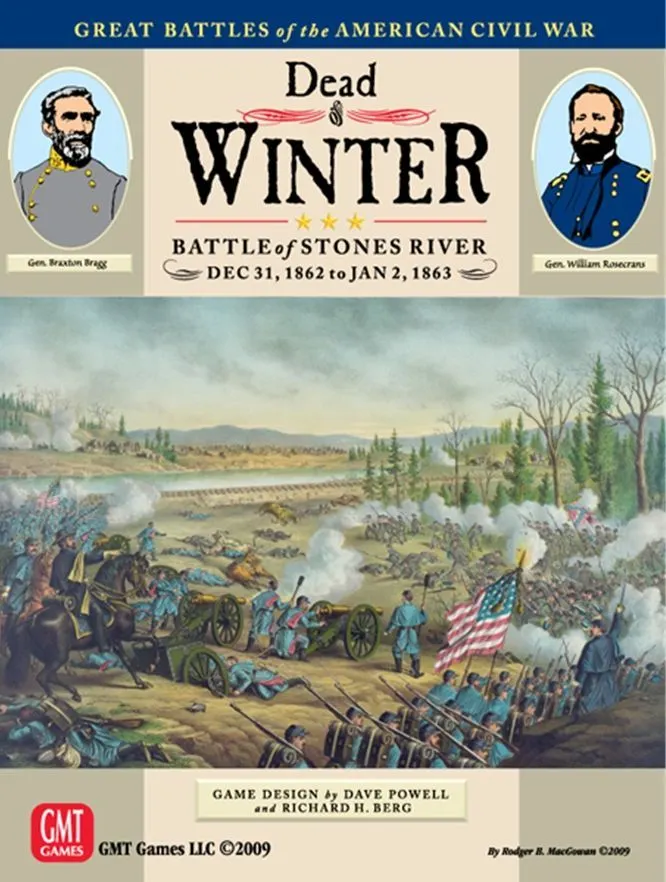
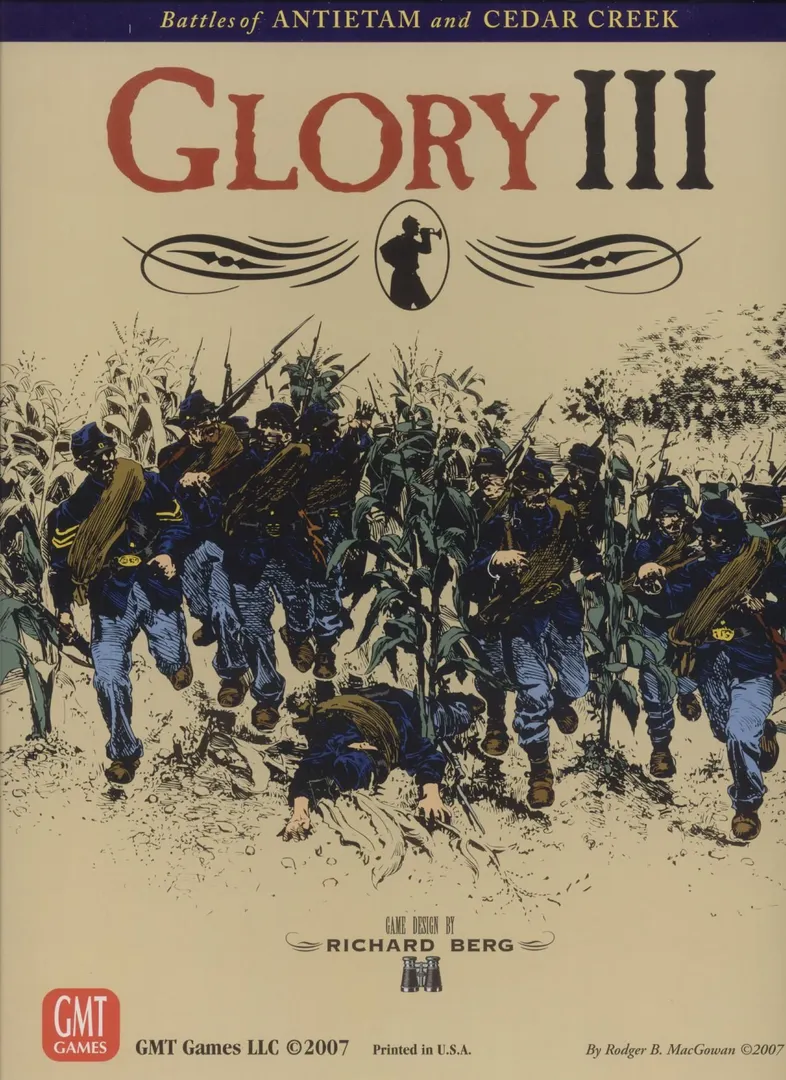
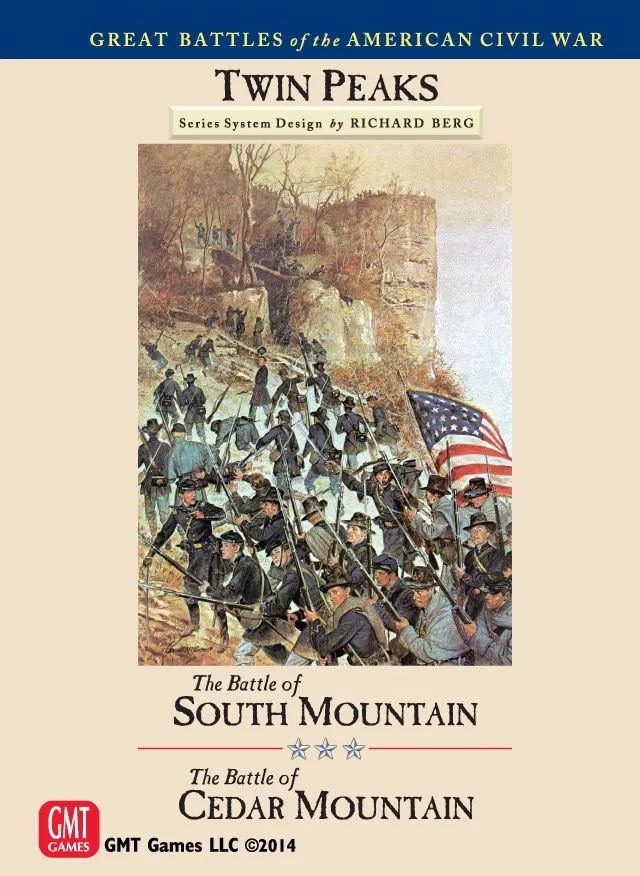
Death Valley: Battles for the Shenandoah
- 1–2 joueurs
- 300–1200 min
- Complexité 4,3/5
- 2019
2004
Aide aux règles de Three Days of Gettysburg (Third Edition)
Des explications claires des tours, effets de cartes et situations litigieuses, avec des références aux sources officielles et un historique des questions sauvegardé.
Pour 1 joueur
Que voulez-vous savoir ?
Les réponses viennent du livret officiel, avec la page à vérifier.
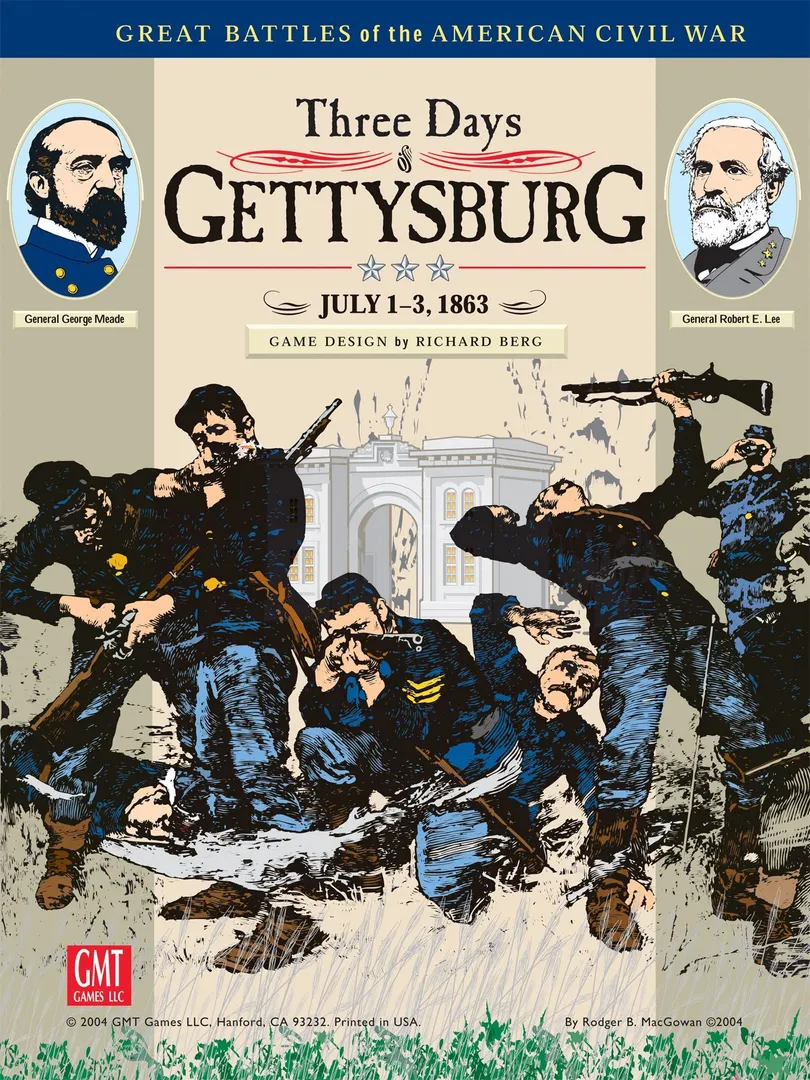
Three Days of Gettysburg (Third Edition) est un jeu de société sorti en 2004 pour 1 à 6 joueurs, avec des parties de 180 à 4500 minutes et à partir de 12 ans. Il a été conçu par Richard H. Berg et ses principales mécaniques sont Hexagon Grid et Chit-Pull System.


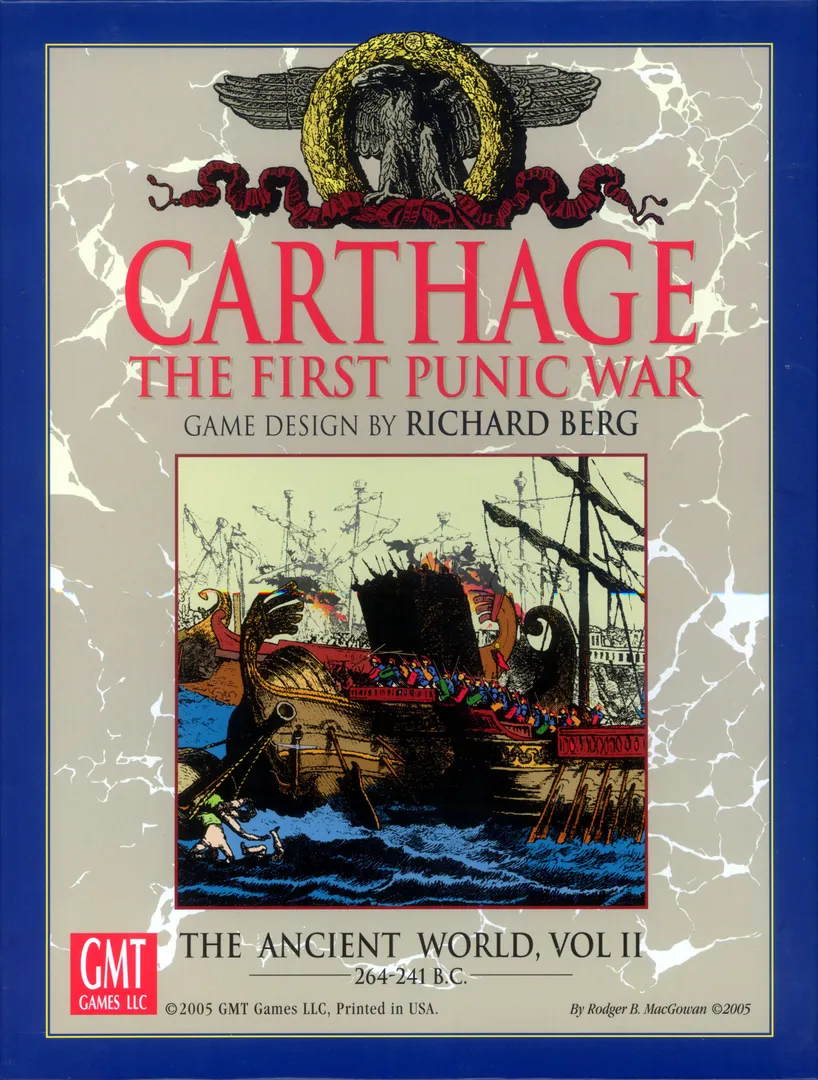

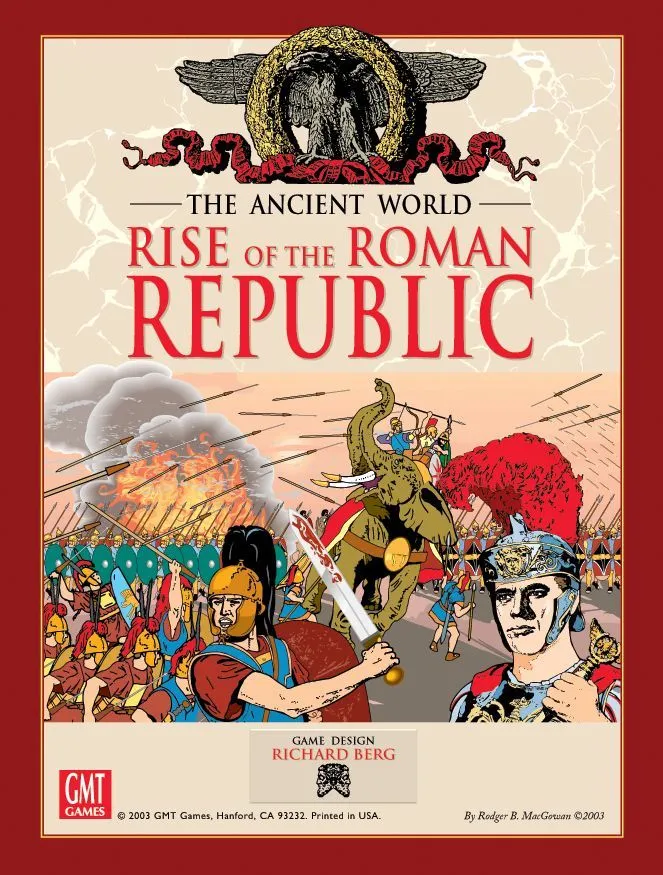
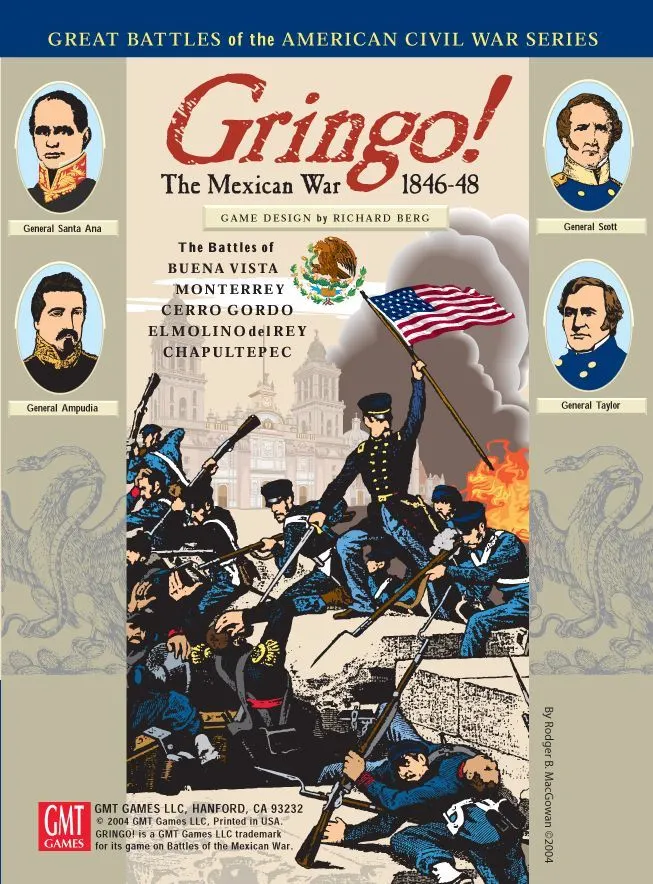
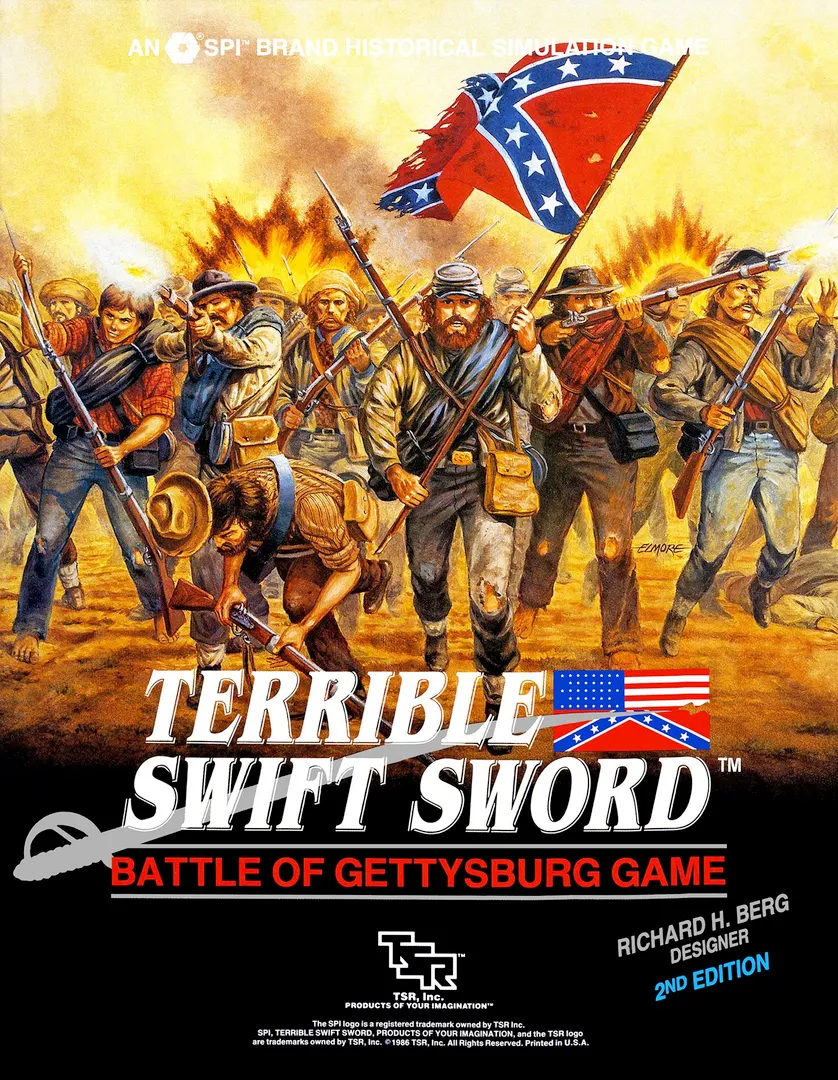
En anglais
(from GMT website:) This third printing of the award-winning initial game in GMT's GBACW series offers upgraded components and information throughout. If you own the original 1995 edition of Three Days of Gettysburg, or if you have the upgrade kit, you can continue playing those versions with no problems; those versions still stand the test of time quite well. In this Special 2004 Edition of Three Days of Gettysburg, we've done our best to improve and enhance the components and rules to this already classic game. Specifically: The six countersheets contain all of the original and replacement counters from the first two versions of the game, as well as some new counters and units with modified unit strengths and morale levels based on recent research. Rodger MacGowan and Mark Simonitch have revised and upgraded the original counter graphics, and these counters are printed on the higher-quality stock you've come to expect from us in recent years. Mark Simonitch has completely reworked the three game maps. He's used the original work and maps from Rick Barber and Joe Youst's first two versions as a base, and come up with another of his clean and elegant looks that makes these maps both nice to look at and easy to play on. The GBACW 4.4 rules that appeared in Gringo! were a major step up for the series in terms of both rules streamlining and presentation. We have further edited those rules and released version 4.5 for this new edition of Three Days of Gettysburg. Mark has streamlined and done new layouts on the game charts to give players the best mix yet of readability and utility in the least possible table space. We've also included some neat charts created by Mike Lemick that allow you to easily keep track of the status of each side's command and routed unit status.. As you'll note from the graphic above, Rodger has created a whole new game box for this new edition of the game. We think it's some of his best work ever, and hope you agree. The game box is the crowning piece of what is, for a Reprint Edition, about as close to a brand new game, component-wise, as we could get (which is why there is no Update Kit for this version - it would essentially be a whole new game). So, if your original copy is showing some wear and tear, or if you want an edition of this classic game in which the updated graphics and systems outshine the original (and that is saying a lot), or you simply missed purchasing the first edition of this best-selling game, then this Special 2004 Edition is for you! Enjoy! Game Features A revised Command System, using Maximum Effectiveness to portray the strengths and vicissitudes of battlefield command. Seven scenarios, from microcosm 1-mappers to the full 3-day battle. Brigadiers rated with Action Profiles so that, when on their own, you may never know exactly what they'll do! Will an aggressive Dick Garnett recklessly charge everyone in sight, seeking to regain lost honor? Will a cautious Stannard sit and watch? Or will an unreliable Iverson hit the bottle instead of the front line? Artillery Barrage, simplified Ammo rules, special rules for green units, and an optional Fatigue Rule that really places an emphasis on careful unit usage. A remarkably simple Shock Table that features Continuous Attack: you can roll up the enemy's flank in one massive charge. Components: 1 Scenario Booklet 1 Great Battles of the American Civil War Rules Booklet 6 Full-color Countersheets. 3 22x34" full-color mapsheets 1 Player Aid Card (11" x 17") 1 Union AM Sheet 1 Confederate AM Sheet 1 Union Reinforcement Schedule 1 Confederate Reinforcement Schedule 1 Gettysburg Turn Track & 2nd Disorder Card 1 Orders Chart/Terrain Effects Card 1 10-sided die Designer: Richard H. Berg Developer: John Alsen (user's description:) The third edition, otherwise known as the "2004 edition" of this very popular tactical level simulation of the battle of Gettysburg. The game spawned the "Great Battles of the American Civil War" series and is a direct descendant of the old SPI favorite, Terrible Swift Sword: Battle of Gettysburg Game. Components include three newly revised and beautiful maps by Mark Simonitch and Joe Youst (building on older work by Rick Barber and Joe Youst), 1680 counters including units and markers, some new charts, and ver. 4.5 of the GBACW rules. This edition attempts to bring a simplification to the complicated LOS procedures of the previous editions. The counters have also been cleaned up and overall this edition has quite a bit of visual appeal. This game is very complex but is a great simulation of ACW tactics. However, the game also works with a slimmed down version of the GBACW system rules called "Simple Great Battles of the ACW," the release of which coincided with the publishing of the game. SGBACW brings the series to players who are do not have the inclination or time to master the relatively formidable GBACW ruleset.
Selon le catalogue, Three Days of Gettysburg (Third Edition) se joue de 1 à 6 personnes. Cette fourchette correspond au nombre de joueurs indiqué par l’éditeur : le jeu s’installe donc pour toute taille de groupe dans cette limite. La mise en place, certaines règles et le décompte peuvent varier selon l’effectif ; vérifiez la configuration exacte dans la règle de votre édition.
La durée indiquée pour Three Days of Gettysburg (Third Edition) est de 180 à 4500 minutes, selon l’estimation de l’éditeur pour une partie complète. La durée réelle dépend du groupe, de l’effectif et de la connaissance des règles : les premières parties sont plus longues, les groupes expérimentés terminent plus vite. Mise en place et explication des règles ne sont pas comprises.
Le catalogue indique Three Days of Gettysburg (Third Edition) à partir de 12 ans. C’est la recommandation de l’éditeur ; elle tient compte de la lecture nécessaire, de la complexité des règles et des petits composants, pas seulement du thème. Les plus jeunes peuvent souvent participer avec l’aide d’un adulte : vérifiez l’âge indiqué sur votre édition et tenez compte de l’expérience de votre groupe.
Three Days of Gettysburg (Third Edition) obtient une note de complexité de 4,3 sur 5 auprès des joueurs de BoardGameGeek, ce qui en fait un jeu exigeant. Cette note reflète la quantité de règles, de planification et de décisions qu’exige une partie typique. Prévoyez une explication plus longue pour les jeux exigeants et utilisez un guide de préparation avant la soirée.
Three Days of Gettysburg (Third Edition) appartient à ces catégories : Wargame et American Civil War. Ses principales mécaniques sont Hexagon Grid et Chit-Pull System. Les catégories décrivent le thème et l’univers d’un jeu, tandis que les mécaniques décrivent ce que les joueurs font réellement pendant leur tour. Chaque mécanique mène à une page du catalogue avec des jeux similaires.
Les auteurs crédités pour Three Days of Gettysburg (Third Edition) sont : Richard H. Berg. Ces crédits proviennent des données publiées du jeu et désignent les personnes responsables de sa conception, et non les illustrateurs ou les éditeurs. Les pages d’auteurs sur MeepleRules regroupent les autres titres des mêmes auteurs, ce qui est utile lorsqu’un jeu vous plaît et que vous en cherchez de similaires.
Le catalogue présente Three Days of Gettysburg (Third Edition) comme un jeu de base. Il se joue seul avec le matériel contenu dans la boîte et ne nécessite aucun autre titre. Les extensions, s’il en existe, y ajoutent du contenu ou des règles et sont répertoriées séparément dans le catalogue, avec un lien vers ce jeu de base.