
- Rang BGG
- BGG #1 685
- Note BGG
- 7,5
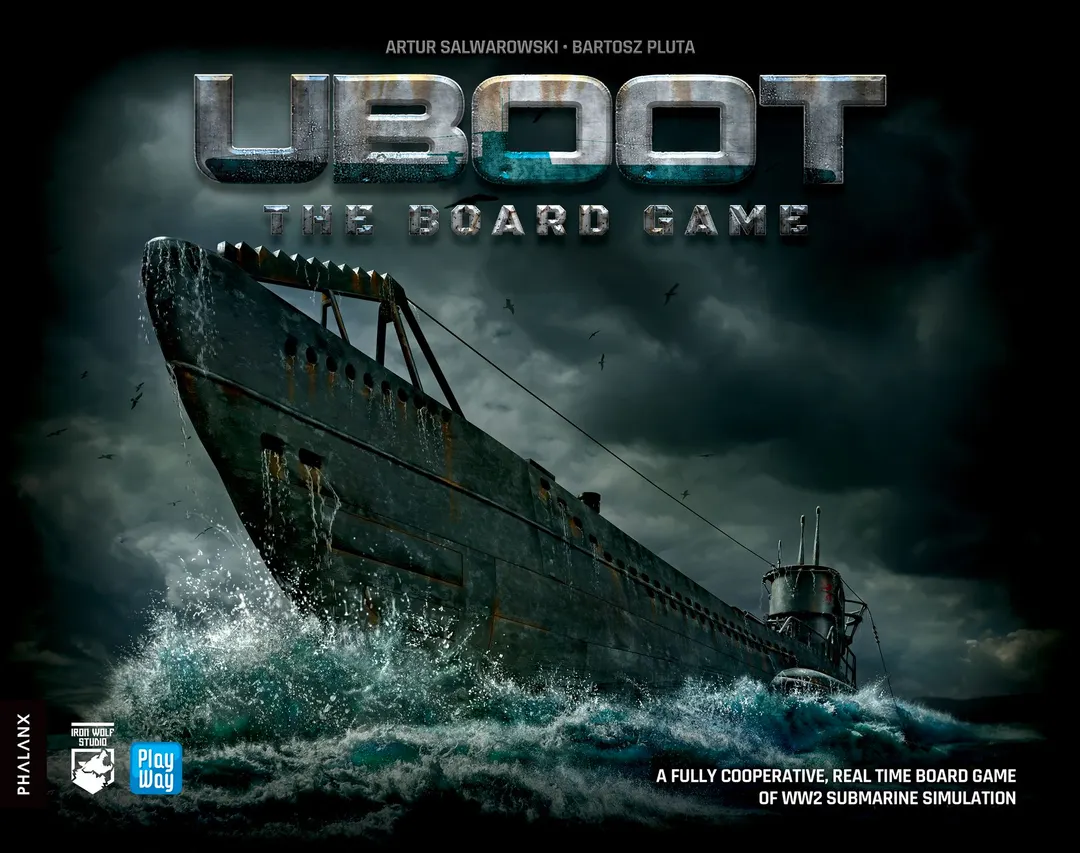
UBOOT: The Board Game
- 1–4 joueurs
- 30–120 min
- Complexité 4,2/5
- 2019
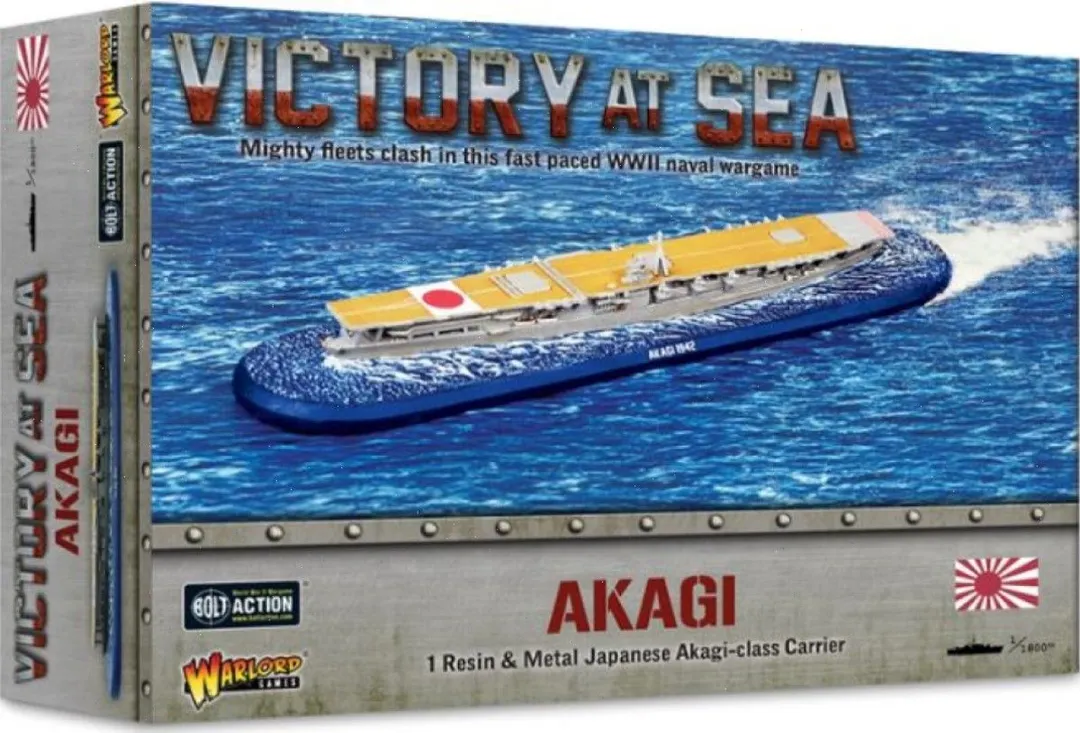
Aide aux règles de Victory at Sea: Akagi
Des explications claires des tours, effets de cartes et situations litigieuses, avec des références aux sources officielles et un historique des questions sauvegardé.
Que voulez-vous savoir ?
Les réponses viennent du livret officiel, avec la page à vérifier.
Victory at Sea: Akagi est une extension de Victory at Sea: Battle for the Pacific sortie en 2021 pour 2 joueurs et à partir de 10 ans. Ses principales mécaniques sont Simulation.





En anglais
Originally laid down as an Amagi-class battlecruiser, the stipulations of the Washington Treaty resulted in her conversion to an aircraft carrier. As a result, Akagi (赤城, "Red Castle") was one of Japan’s first large aircraft carriers. Akagi and her near-sister Kaga straddled the line between carrier and dreadnought. To keep both options open, the ships were designed to be quickly converted to capital ships. They carried turret barbettes, magazines and other equipment to support big gun turrets, and the wooden flight deck and hangar deck were designed to be quickly stripped off, making room for turrets to be mounted. However, by the mid-1930s, the admirals believed the aircraft carrier to be the equal of the capital ship and Akagi was extensively rebuilt to improve aircraft handling capacity, ending any possibility of later converting it to a capital ship. Her aircraft served in the Second Sino-Japanese War in the late 1930s. With the formation of the First Air Fleet in 1941, she became its flagship, and remained so until her sinking. Notable actions include the attack on Pearl Harbor, the invasion of Rabaul, bombing Darwin, Australia and the Indian Ocean Raid. In June 1942, she participated in the Battle of Midway, her aircraft bombarding the American-held atoll. However, US aircraft originating from Midway, and the US carriers Enterprise, Hornet and Yorktown attacked Akagi and three other Japanese fleet carriers. Dive bombers from USS Enterprise severely damaged Akagi, forcing friendly escorting destroyers to scuttle her to avoid her falling into US hands. The loss of four Japanese carriers at this engagement, including Akagi, was a key defeat for Japan, decisively shifting the balance of power in the Pacific theatre. —description from the publisher
Selon le catalogue, Victory at Sea: Akagi se joue à 2 personnes. C’est le nombre de joueurs indiqué par l’éditeur : le jeu est donc conçu pour exactement ce nombre de participants. Les variantes pour d’autres tailles de groupe, s’il en existe, sont décrites dans la règle de votre édition ; consultez-la avant d’installer une autre configuration.
Le catalogue indique Victory at Sea: Akagi à partir de 10 ans. C’est la recommandation de l’éditeur ; elle tient compte de la lecture nécessaire, de la complexité des règles et des petits composants, pas seulement du thème. Les plus jeunes peuvent souvent participer avec l’aide d’un adulte : vérifiez l’âge indiqué sur votre édition et tenez compte de l’expérience de votre groupe.
Victory at Sea: Akagi appartient à ces catégories : Wargame, Miniatures et Nautical. Ses principales mécaniques sont Simulation. Les catégories décrivent le thème et l’univers d’un jeu, tandis que les mécaniques décrivent ce que les joueurs font réellement pendant leur tour. Chaque mécanique mène à une page du catalogue avec des jeux similaires.
Le catalogue présente Victory at Sea: Akagi comme une extension de Victory at Sea: Battle for the Pacific. Les extensions ajoutent du contenu, des règles ou des scénarios au jeu de base et ne se jouent généralement pas seules : il vous faut donc Victory at Sea: Battle for the Pacific pour l’utiliser. Vérifiez que votre édition de Victory at Sea: Battle for the Pacific est compatible, car certaines extensions ont été révisées d’une édition à l’autre.