
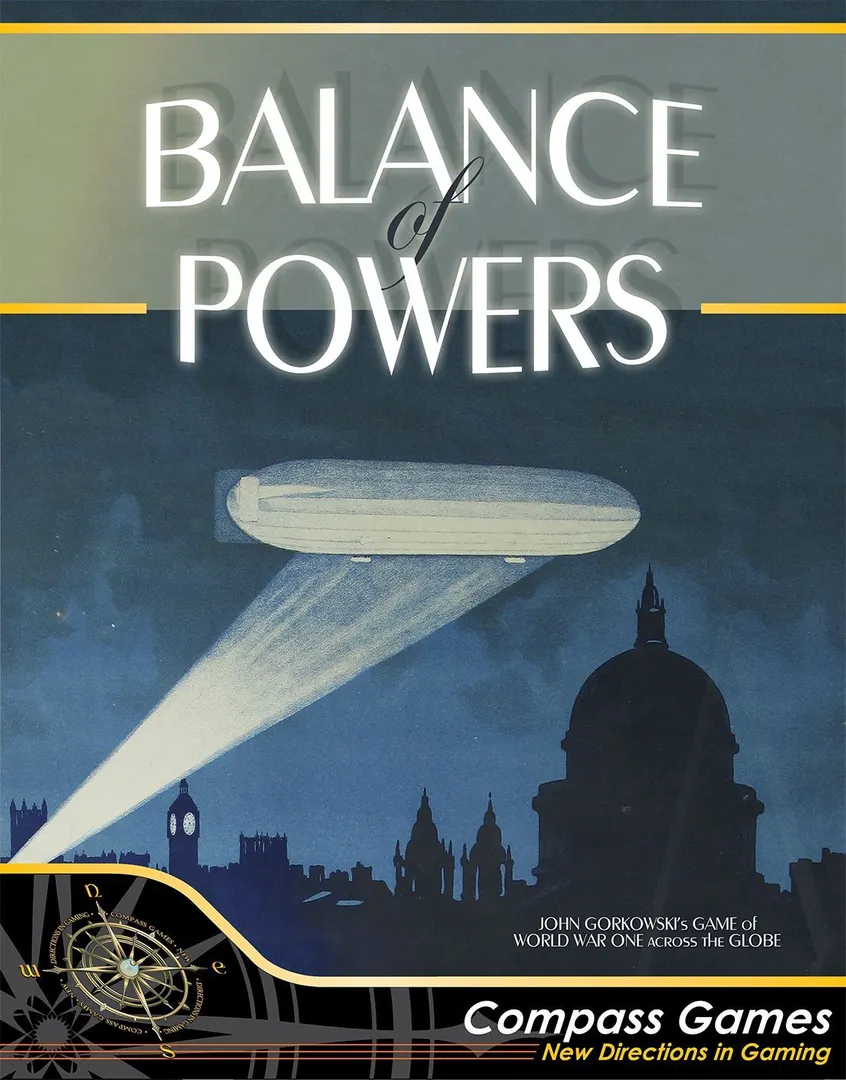
- Posizione BGG
- BGG #10.789
- Valutazione BGG
- 7,7
Balance of Powers
- 2–7 giocatori
- 120–1440 min
- Complessità 3,4/5
- 2015
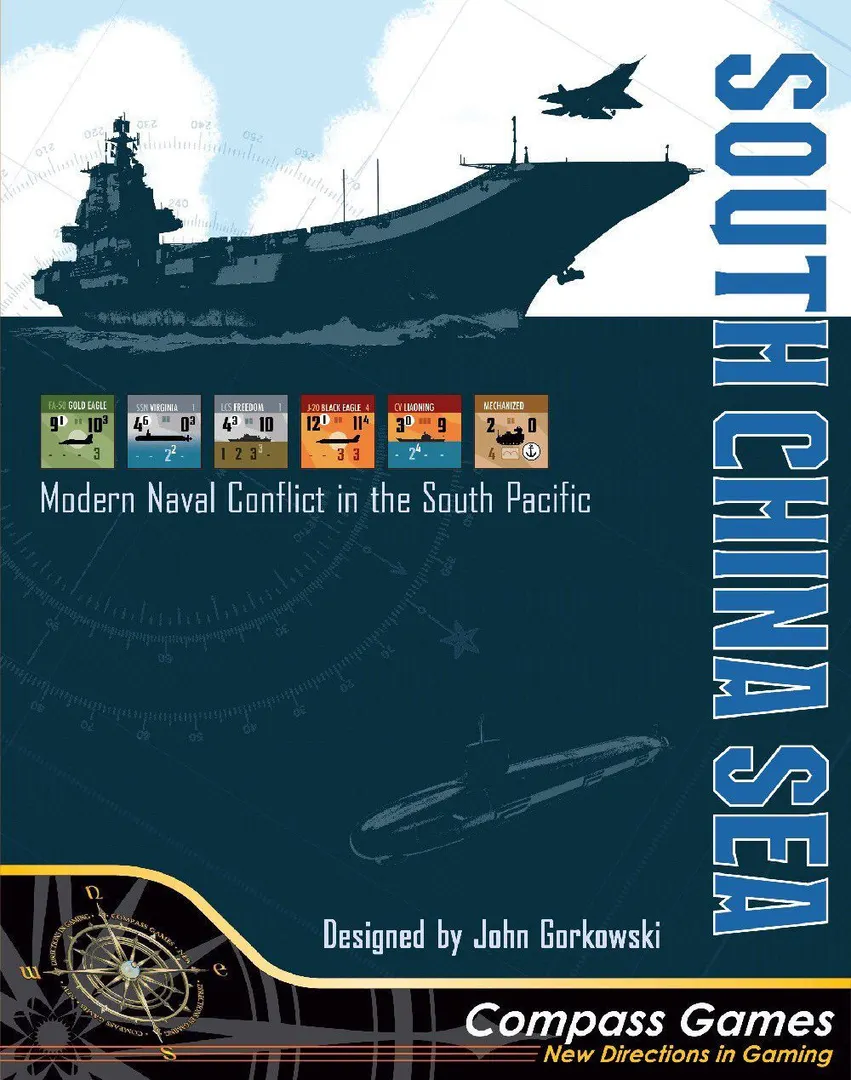
2017
Aiuto con le regole di South China Sea: Modern Naval Conflict in the South Pacific
Spiegazioni chiare di turni, effetti delle carte e situazioni dubbie, con riferimenti alle fonti ufficiali e cronologia delle domande salvata.
Per 2 giocatori
Cosa vuoi sapere?
Le risposte vengono dal regolamento ufficiale, con la pagina da verificare.
South China Sea: Modern Naval Conflict in the South Pacific è un gioco da tavolo pubblicato nel 2017 per 2–3 giocatori, con partite da 120 a 240 minuti e dai 11 anni in su. È stato ideato da John Gorkowski e le sue meccaniche principali sono Dice Rolling, Hexagon Grid e Simulation.




In inglese
South China Sea (SCS) provides an integrated political-military simulation of near future contention and conflict around the South China Sea. Players take on the roles of China, the United States, Malaysia, the Philippines, and Vietnam. They simulate current political tensions through card play and structured negotiation keyed to real world events in an effort to "move the needle" to their side. Unfortunately, the cards with the greatest chance of moving that needle, such as Chinese Coast Guard and U.S. Freedom of Navigation Exercise, are also most likely to trigger armed conflict. If and when that happens, play transitions to traditional hex-and-counter format on a map scaled at 45 nautical miles (nmi) per hex and turns of 3-7 hours. SCS is derived from Breaking the Chains (BtC), but is definitely a different game. How do the two differ? SCS begins with political turns that can lead to victory without armed conflict. For armed conflict, SCS focuses more closely on the South China Sea (45 nmi per hex) rather than the larger southeast Asian region of BtC (70 nmi per hex) and uses smaller units such as air squadrons, ship pairs, and land battalions. Therefore, the SCS map shows more detail, but less territory. SCS employs streamlined versions of BtC's turn structure and strike mechanisms that expedite play by dispensing with numerous cycles and strike paths. SCS nodded to ergonomics by putting all scores on one side of each counter – less flipping. Most important, SCS allows naval units to move more than one hex in a single turn, but includes a mechanism, based on stealth, that enables the other side to "check" multi-hex moves to create a more dynamic, variable, and volatile environment. This last adjustment allows quick moves at a distance, but prevents close-in ships from "jumping" through the beaten zone of modern anti-ship cruise missiles (ASCM), 290 nmi in some cases. And, every turn has the option for a negotiations phase with some structure to enhance political play if desired.
Secondo il catalogo, South China Sea: Modern Naval Conflict in the South Pacific supporta da 2 a 3 giocatori. L’intervallo corrisponde al numero di giocatori indicato dall’editore, quindi il gioco si può preparare per qualsiasi gruppo entro quei limiti. Preparazione, alcune regole e punteggio possono comunque variare in base al numero di giocatori: controlla la configurazione esatta nel regolamento della tua edizione.
La durata indicata per South China Sea: Modern Naval Conflict in the South Pacific è di 120–240 minuti, la stima dell’editore per una partita completa. La durata effettiva dipende dal gruppo, dal numero di giocatori e dalla conoscenza delle regole: le prime partite durano di più, i gruppi esperti finiscono prima. Preparazione e spiegazione delle regole non sono comprese nella stima.
Il catalogo indica South China Sea: Modern Naval Conflict in the South Pacific dai 11 anni in su. È la raccomandazione dell’editore e tiene conto della lettura richiesta, della complessità delle regole e dei componenti piccoli, non solo del tema. I più giovani spesso possono giocare con l’aiuto di un adulto: controlla l’età consigliata sulla tua edizione e l’esperienza del tuo gruppo con i giochi da tavolo.
South China Sea: Modern Naval Conflict in the South Pacific ha un punteggio di complessità di 2,9 su 5 secondo i giocatori di BoardGameGeek, il che lo rende un gioco piuttosto leggero. Il punteggio riflette quanta conoscenza delle regole, pianificazione e decisioni richiede una partita tipica. I giochi impegnativi richiedono una prima spiegazione più lunga, quindi conviene usare una guida di preparazione.
South China Sea: Modern Naval Conflict in the South Pacific appartiene a queste categorie: Wargame, Nautical e Political. Le sue meccaniche principali sono Dice Rolling, Hexagon Grid e Simulation. Le categorie descrivono il tema e l’ambientazione di un gioco, mentre le meccaniche descrivono ciò che i giocatori fanno davvero nel proprio turno. Ogni meccanica porta a una pagina del catalogo con giochi simili.
Gli autori accreditati di South China Sea: Modern Naval Conflict in the South Pacific sono: John Gorkowski. Questi crediti provengono dai dati pubblicati del gioco e indicano le persone responsabili della sua progettazione, non gli illustratori o gli editori. Le pagine degli autori su MeepleRules raccolgono altri titoli degli stessi autori, utili quando un gioco ti piace e ne cerchi di simili.
Il catalogo classifica South China Sea: Modern Naval Conflict in the South Pacific come gioco base. Si gioca da solo con i componenti presenti nella scatola e non richiede altri titoli. Le espansioni, se esistono, aggiungono nuovo contenuto o nuove regole e sono elencate separatamente nel catalogo con un collegamento a questo gioco base.