
- Posizione BGG
- BGG #10.936
- Valutazione BGG
- 7,5
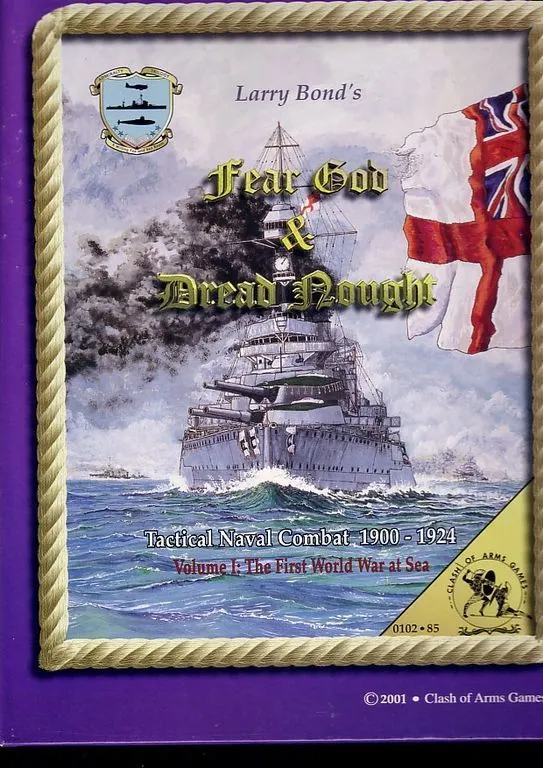
Fear God & Dread Nought
- 2–3 giocatori
- 360 min
- Complessità 4,3/5
- 2001
Espansione di Command at Sea: 4th Edition – War at Sea 1926-1955
2014
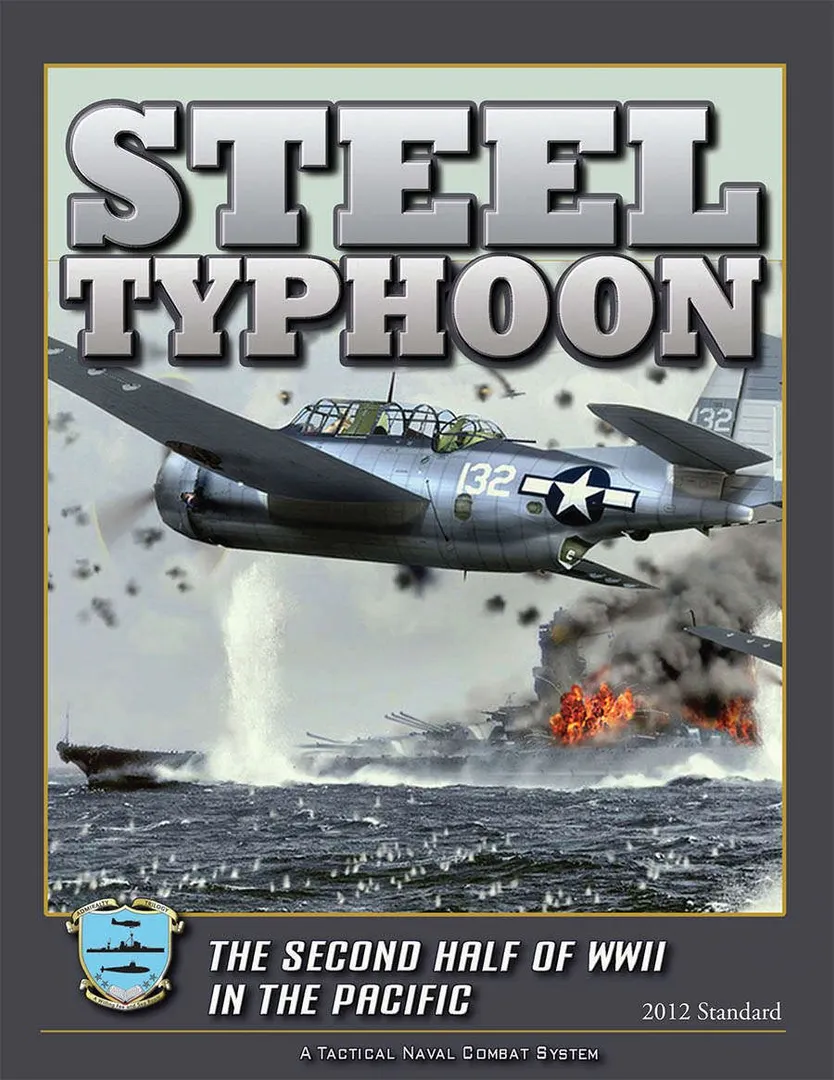
Aiuto con le regole di Steel Typhoon: The Second Half of WWII in the Pacific (2012 Standard)
Spiegazioni chiare di turni, effetti delle carte e situazioni dubbie, con riferimenti alle fonti ufficiali e cronologia delle domande salvata.
Cosa vuoi sapere?
Le risposte vengono dal regolamento ufficiale, con la pagina da verificare.
Steel Typhoon: The Second Half of WWII in the Pacific (2012 Standard) è un’espansione di Command at Sea: 4th Edition – War at Sea 1926-1955 pubblicata nel 2014 per 2–8 giocatori, con partite da 120 a 240 minuti e dai 12 anni in su. È stato ideato da Ed Kettler e le sue meccaniche principali sono Simulation.




In inglese
Building on Clash of Arms’ critically acclaimed Rising Sun, Steel Typhoon features 36 scenarios covering the biggest and most famous naval battles of WW II in the Pacific: Rabaul, Truk, the Marianas, Leyte, and Okinawa, plus hypothetical scenarios that challenge the players with historical alternatives. Designed by Ed Kettler, Steel Typhoon is the culmination of over a decade of research and testing. Designed specifically for the Command At Sea 4th edition rules, Steel Typhoon, along with the data supplements American Fleets and The Emperor’s Fleet, completes the picture of the USN versus the IJN in the Pacific Theater during the latter half of World War II. This supplement has been updated to include all errata from the earlier edition, as well as being upgraded to the 2012 damage point standard. —description from the publisher
Secondo il catalogo, Steel Typhoon: The Second Half of WWII in the Pacific (2012 Standard) supporta da 2 a 8 giocatori. L’intervallo corrisponde al numero di giocatori indicato dall’editore, quindi il gioco si può preparare per qualsiasi gruppo entro quei limiti. Preparazione, alcune regole e punteggio possono comunque variare in base al numero di giocatori: controlla la configurazione esatta nel regolamento della tua edizione.
La durata indicata per Steel Typhoon: The Second Half of WWII in the Pacific (2012 Standard) è di 120–240 minuti, la stima dell’editore per una partita completa. La durata effettiva dipende dal gruppo, dal numero di giocatori e dalla conoscenza delle regole: le prime partite durano di più, i gruppi esperti finiscono prima. Preparazione e spiegazione delle regole non sono comprese nella stima.
Il catalogo indica Steel Typhoon: The Second Half of WWII in the Pacific (2012 Standard) dai 12 anni in su. È la raccomandazione dell’editore e tiene conto della lettura richiesta, della complessità delle regole e dei componenti piccoli, non solo del tema. I più giovani spesso possono giocare con l’aiuto di un adulto: controlla l’età consigliata sulla tua edizione e l’esperienza del tuo gruppo con i giochi da tavolo.
Steel Typhoon: The Second Half of WWII in the Pacific (2012 Standard) appartiene a queste categorie: Wargame, Miniatures e Nautical. Le sue meccaniche principali sono Simulation. Le categorie descrivono il tema e l’ambientazione di un gioco, mentre le meccaniche descrivono ciò che i giocatori fanno davvero nel proprio turno. Ogni meccanica porta a una pagina del catalogo con giochi simili.
Gli autori accreditati di Steel Typhoon: The Second Half of WWII in the Pacific (2012 Standard) sono: Ed Kettler. Questi crediti provengono dai dati pubblicati del gioco e indicano le persone responsabili della sua progettazione, non gli illustratori o gli editori. Le pagine degli autori su MeepleRules raccolgono altri titoli degli stessi autori, utili quando un gioco ti piace e ne cerchi di simili.
Il catalogo classifica Steel Typhoon: The Second Half of WWII in the Pacific (2012 Standard) come espansione di Command at Sea: 4th Edition – War at Sea 1926-1955. Le espansioni aggiungono contenuti, regole o scenari al gioco base e di solito non si possono giocare da sole, quindi per usarla ti serve Command at Sea: 4th Edition – War at Sea 1926-1955. Controlla che la tua edizione di Command at Sea: 4th Edition – War at Sea 1926-1955 sia compatibile, perché alcune espansioni sono state riviste tra un’edizione e l’altra.