
- Valutazione BGG
- 7,0
Won by the Sword: Update Kit
- 2 giocatori
- 360 min
- Complessità 2,5/5
- 2016
2014
Aiuto con le regole di Won by the Sword: Great Campaigns of the Thirty Years War, Vol. 1
Spiegazioni chiare di turni, effetti delle carte e situazioni dubbie, con riferimenti alle fonti ufficiali e cronologia delle domande salvata.
Per 2 giocatori
Cosa vuoi sapere?
Le risposte vengono dal regolamento ufficiale, con la pagina da verificare.
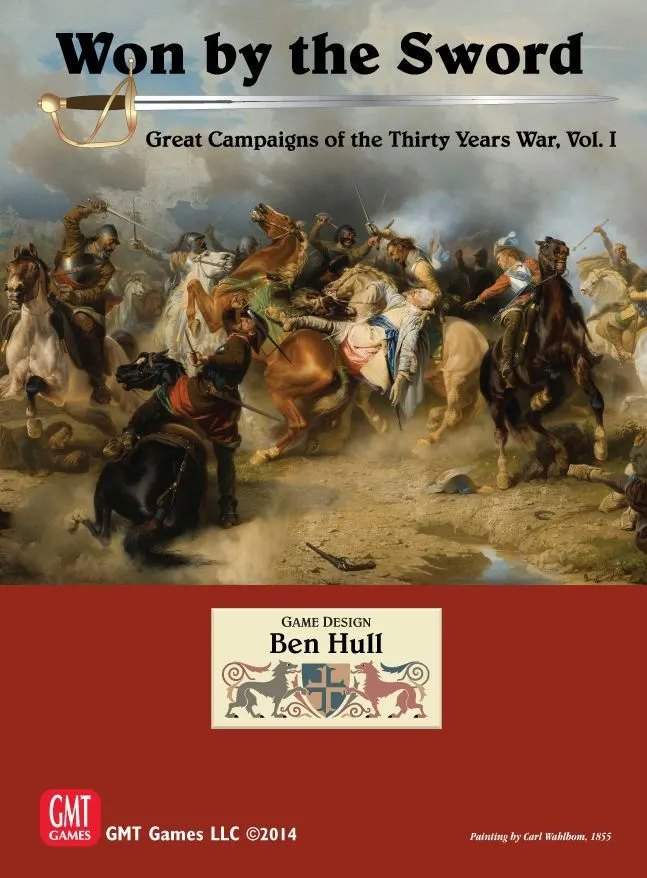
Won by the Sword: Great Campaigns of the Thirty Years War, Vol. 1 è un gioco da tavolo pubblicato nel 2014 per 2 giocatori, con partite da 360 minuti e dai 12 anni in su. È stato ideato da Ben Hull e le sue meccaniche principali sono Dice Rolling, Point to Point Movement e Simulation.


In inglese
The war raged across Germany from 1618 to 1630 with the Habsburg, Holy Roman Emperor retaining the upperhand. Then the tide of war changed when King Gustav Adolf of Sweden, the "Lion of the North," revitalized the cause of the Protestant princes of Germany. Bankrolled by France, the Swedes pushed their advantage towards the Emperor's most valuable ally, Maximilian of Bavaria. Though Catholic, France sought to keep the power of the Habsburgs in check by financially supporting the Swedish King. From 1632 to 1648, Bavaria and the surrounding area became a crucial battlefront to knocking Bavaria out of the war. The Swedes enjoyed success until fate removed their King and their over-extended forces could not hold onto their gains. After the Swedes suffered a sharp defeat at Nördlingen in 1634, France was forced to play a more active role or lose all she had paid for. A series of seesaw campaigns ensued as the French Armée d'Allemagne secured crossings of the Rhine and pushed the war back into the heart of Bavaria. The area became the proving ground of the greatest generals of the age - Turenne, Condé, Mercy, de Werth. Neither side possessed a clear superiority of forces so it was a dangerous game of cat-and-mouse, march, counter-march, siege, and surprise attacks. After several years, a combined French-Swedish campaign finally broke the back of the Bavarians in 1646 and Maximilian made a separate peace. It did not last long; after a year he reluctantly rejoined the Imperial cause. Repeating the winning combination of 1646, the French-Swedish army ended Maximilian's enterprise at Zusmarshausen in 1648. Won by the Sword is the first game in Ben Hull's Great Campaigns of the Thirty Years War series. It is a two-player game of operational warfare in the 17th Century. Armies maneuver on a point to point map of Southern Germany based on the road network available at the time. Each game is centered around a major battle or full campaign season. A Turn is a month divided into a variable number of impulses. Each army has a hand of Campaign Cards that control the amount of activity it may perform, the supplies it must expend, and a special action. Each impulse features one card play per army. Forces are concealed off map so players are faced with limited knowledge of the enemy. The major activities are maneuver, foraging, besieging fortifications, and an occasional battle. Won by the Sword is a low-complexity game with emphasis on the players maneuvering their forces, but many decisions await. The low rules complexity allows each player, rather than being encumbered with rules, to focus on choices regarding how to manage his campaign.
Secondo il catalogo, Won by the Sword: Great Campaigns of the Thirty Years War, Vol. 1 supporta 2 giocatori. È il numero di giocatori indicato dall’editore, quindi il gioco è pensato esattamente per quel numero di partecipanti. Le varianti per gruppi di altre dimensioni, se esistono, sono descritte nel regolamento della tua edizione: consultalo prima di preparare una configurazione diversa.
La durata indicata per Won by the Sword: Great Campaigns of the Thirty Years War, Vol. 1 è di 360 minuti, la stima dell’editore per una partita completa. La durata effettiva dipende dal gruppo, dal numero di giocatori e dalla conoscenza delle regole: le prime partite durano di più, i gruppi esperti finiscono prima. Preparazione e spiegazione delle regole non sono comprese nella stima.
Il catalogo indica Won by the Sword: Great Campaigns of the Thirty Years War, Vol. 1 dai 12 anni in su. È la raccomandazione dell’editore e tiene conto della lettura richiesta, della complessità delle regole e dei componenti piccoli, non solo del tema. I più giovani spesso possono giocare con l’aiuto di un adulto: controlla l’età consigliata sulla tua edizione e l’esperienza del tuo gruppo con i giochi da tavolo.
Won by the Sword: Great Campaigns of the Thirty Years War, Vol. 1 ha un punteggio di complessità di 2,7 su 5 secondo i giocatori di BoardGameGeek, il che lo rende un gioco piuttosto leggero. Il punteggio riflette quanta conoscenza delle regole, pianificazione e decisioni richiede una partita tipica. I giochi impegnativi richiedono una prima spiegazione più lunga, quindi conviene usare una guida di preparazione.
Won by the Sword: Great Campaigns of the Thirty Years War, Vol. 1 appartiene a queste categorie: Wargame e Pike and Shot. Le sue meccaniche principali sono Dice Rolling, Point to Point Movement e Simulation. Le categorie descrivono il tema e l’ambientazione di un gioco, mentre le meccaniche descrivono ciò che i giocatori fanno davvero nel proprio turno. Ogni meccanica porta a una pagina del catalogo con giochi simili.
Gli autori accreditati di Won by the Sword: Great Campaigns of the Thirty Years War, Vol. 1 sono: Ben Hull. Questi crediti provengono dai dati pubblicati del gioco e indicano le persone responsabili della sua progettazione, non gli illustratori o gli editori. Le pagine degli autori su MeepleRules raccolgono altri titoli degli stessi autori, utili quando un gioco ti piace e ne cerchi di simili.
Il catalogo classifica Won by the Sword: Great Campaigns of the Thirty Years War, Vol. 1 come gioco base. Si gioca da solo con i componenti presenti nella scatola e non richiede altri titoli. Le espansioni, se esistono, aggiungono nuovo contenuto o nuove regole e sono elencate separatamente nel catalogo con un collegamento a questo gioco base.