
- Pozycja w BGG
- BGG #2033
- Ocena BGG
- 7,9
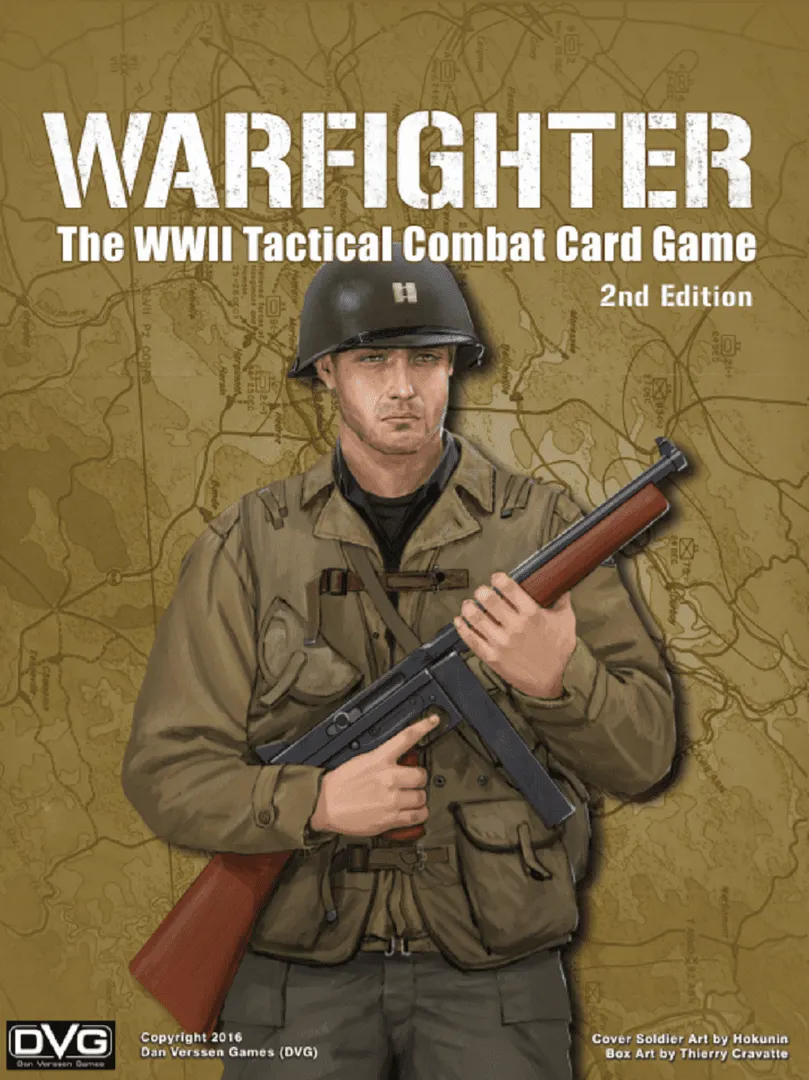
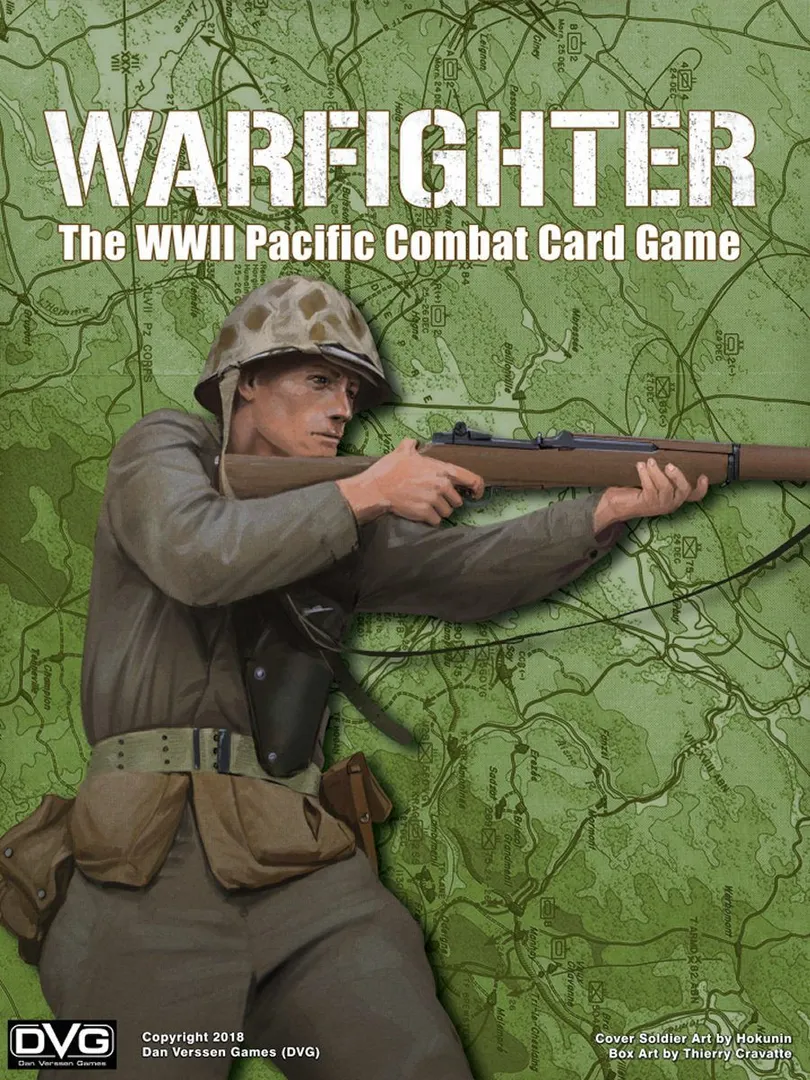
Warfighter: The WWII Tactical Combat Card Game
- 1–6 graczy
- 30–90 min
- Złożoność 3,1/5
- 2016
2014
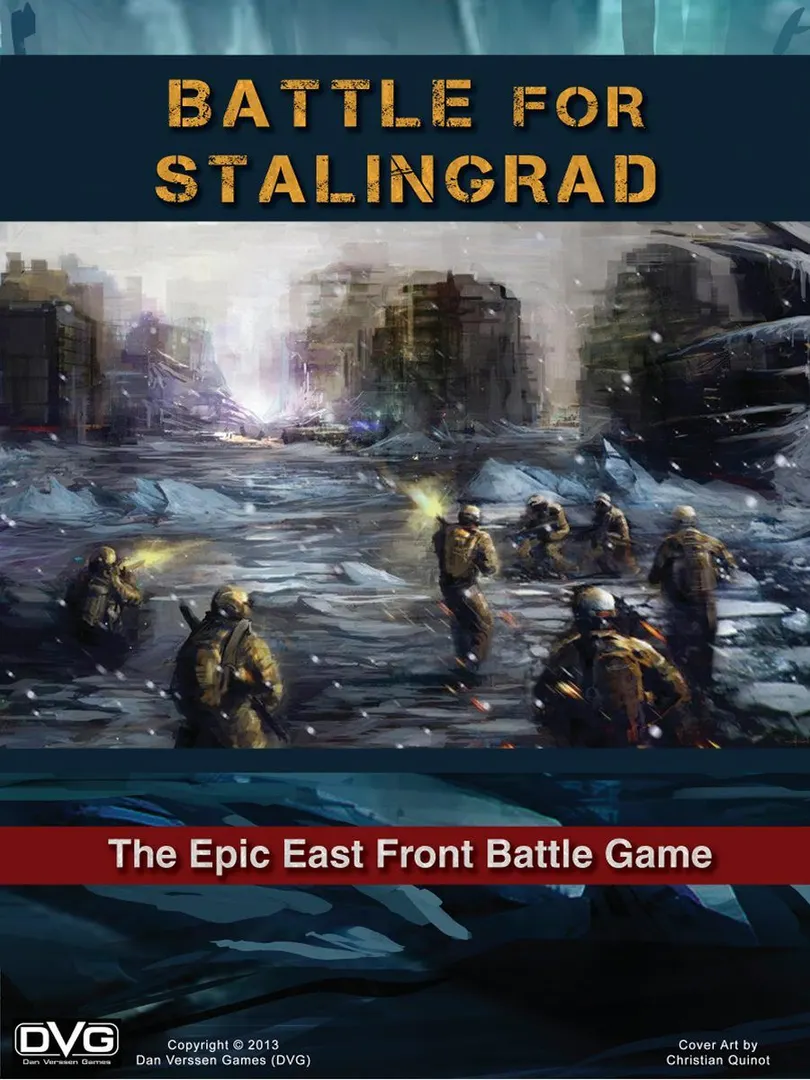
Pomoc w zasadach gry Battle for Stalingrad
Zrozumiałe wyjaśnienia tur, efektów kart i spornych sytuacji z odnośnikami do oficjalnych źródeł i zapisaną historią pytań.
Dla 2 graczy
Co chcesz wiedzieć?
Odpowiedzi pochodzą z oficjalnej instrukcji, ze stroną do sprawdzenia.
Battle for Stalingrad to gra planszowa wydana w 2014 roku dla 2 graczy i z rozgrywką trwającą 60 minut. Projekt gry: Dan Verssen. Główne mechaniki: Hand Management.
Po angielsku
The Battle for Stalingrad lasted 200 days, from July 17, 1942 to February 2, 1943. Hitler himself had ordered the capture of the key Soviet city, and his armies were determined to carry out his orders. Opposing the German armies were the civilians and armed forces of Russia. In desperate house-to-house fighting the two sides fought, bleed, and froze in the chilling Russian winter. The Battle For Stalingrad puts you in the rubble-strewn streets as the German forces fight through one block of the city after another. The only hope for both sides is to secure the city before they run out of blood and food. As the game unfolds, you'll see one section of the city after another ground into rubble by your ceaseless fighting. As the city deteriorates, the amount of supplies generated for your men decreases. Supplies are the lifeblood of your army. Without them, you cannot move or attack, and you'll suffer higher casualties in combat. In the end, you'll be scrambling through the ruins, as much in search of food as the enemy.
Według katalogu Battle for Stalingrad obsługuje 2 graczy. To liczba graczy podana przez wydawcę, więc gra jest zaprojektowana dokładnie dla takiej liczby uczestników. Warianty dla grup innej wielkości, jeśli w ogóle istnieją, opisano w instrukcji twojego wydania; sprawdź ją uważnie, zanim przygotujesz inną konfigurację stołu.
Podany czas rozgrywki w Battle for Stalingrad wynosi 60 minut. To szacunek wydawcy dla pełnej partii. Rzeczywisty czas zależy od grupy, liczby graczy i znajomości zasad: pierwsze partie zwykle trwają dłużej, a doświadczone grupy kończą szybciej. Przygotowanie gry i tłumaczenie zasad nie są wliczone w ten szacunek.
Battle for Stalingrad ma ocenę złożoności 1,9 na 5 według graczy BoardGameGeek, co czyni ją grą lekką. Ocena pokazuje, ile znajomości zasad, planowania i podejmowania decyzji wymaga typowa rozgrywka. Cięższe gry wymagają dłuższego pierwszego tłumaczenia, dlatego przed wieczorem z grami warto skorzystać z przewodnika przygotowania.
Battle for Stalingrad należy do tych kategorii: Card Game, Wargame i World War II. Główne mechaniki to Hand Management. Kategorie opisują temat i świat gry, a mechaniki to, co gracze faktycznie robią w swojej turze. Każda mechanika prowadzi do strony katalogu z podobnymi grami, co pomaga znaleźć coś porównywalnego na kolejny wieczór.
Autorzy wymienieni przy Battle for Stalingrad to: Dan Verssen. Te informacje pochodzą z opublikowanych danych gry i wskazują osoby odpowiedzialne za jej projekt, a nie ilustratorów czy wydawców. Strony autorów w MeepleRules zbierają inne tytuły tych samych twórców, co pomaga, gdy gra ci się podoba i szukasz podobnych.
W katalogu Battle for Stalingrad figuruje jako gra podstawowa. Można w nią grać samodzielnie, korzystając z elementów z pudełka, bez żadnego innego tytułu. Dodatki, jeśli istnieją, dokładają nową zawartość lub zasady i są wymienione w katalogu osobno, z odnośnikiem do tej gry podstawowej.