
- Ocena BGG
- 7,7
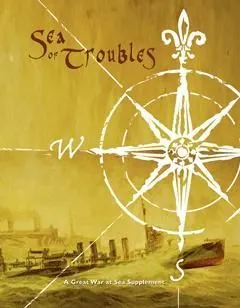
Great War at Sea: Sea of Troubles
- 2 graczy
- 120 min
- Złożoność 2,9/5
- 2007

2006
Pomoc w zasadach gry Great War at Sea: Jutland
Zrozumiałe wyjaśnienia tur, efektów kart i spornych sytuacji z odnośnikami do oficjalnych źródeł i zapisaną historią pytań.
Dla 2 graczy
Co chcesz wiedzieć?
Odpowiedzi pochodzą z oficjalnej instrukcji, ze stroną do sprawdzenia.
Great War at Sea: Jutland to gra planszowa wydana w 2006 roku dla 2 graczy, z rozgrywką trwającą 30–120 minut i dla osób od 12 lat. Projekt gry: Michael Bennighof i Doug McNair. Główne mechaniki: Dice Rolling, Secret Unit Deployment i Paper-and-Pencil.










Po angielsku
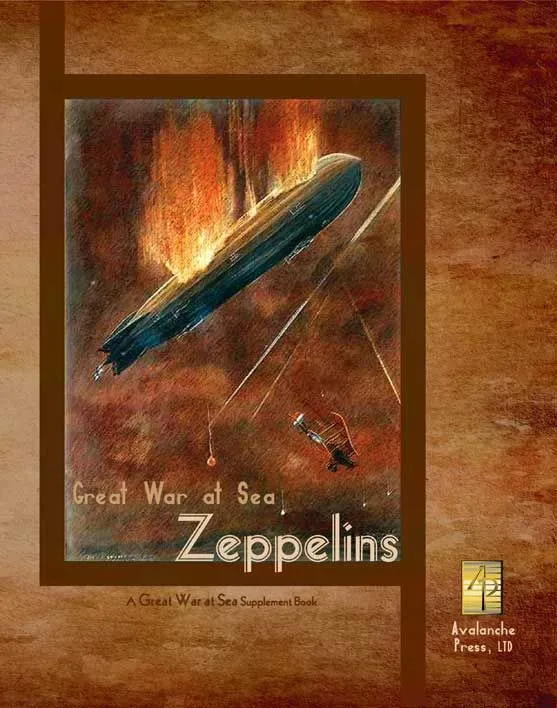
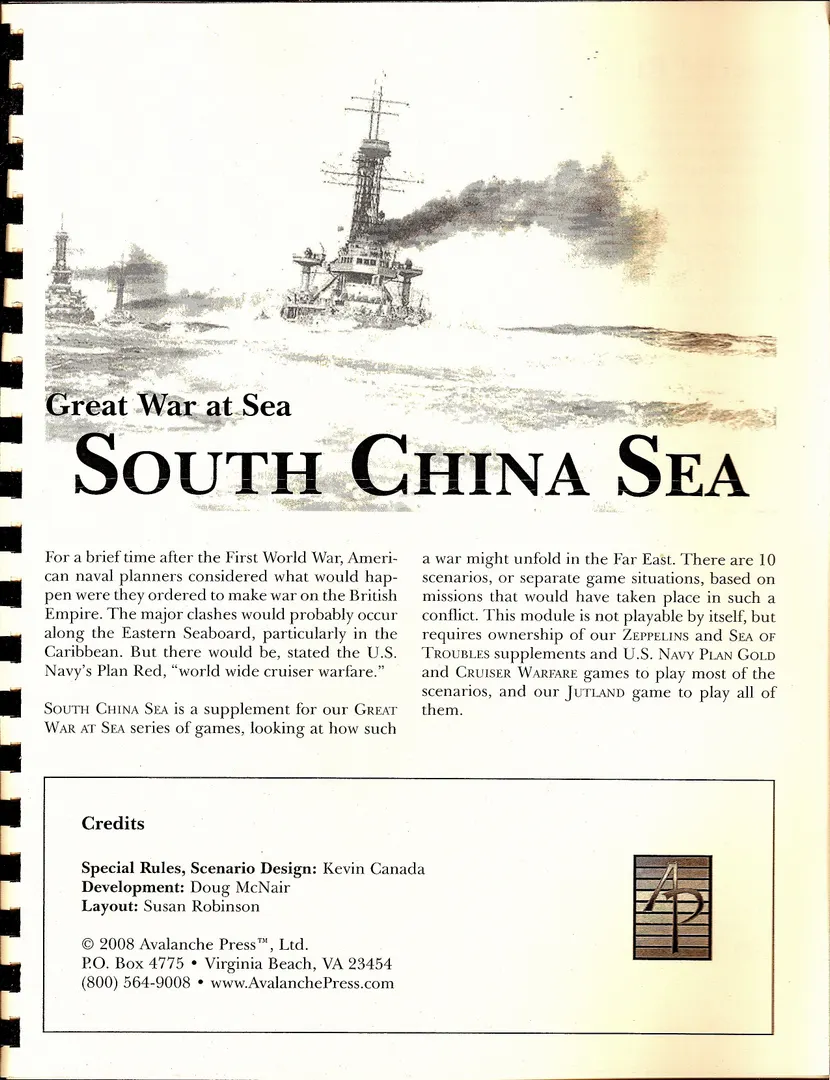
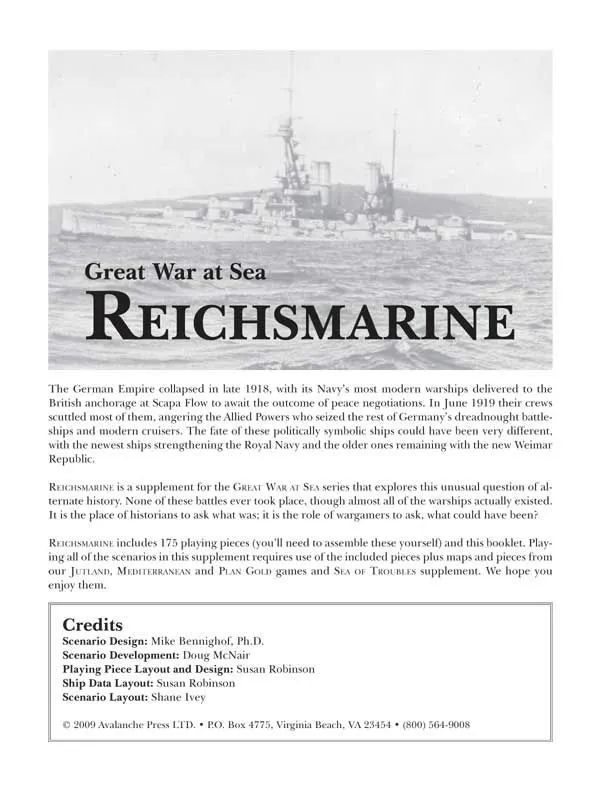
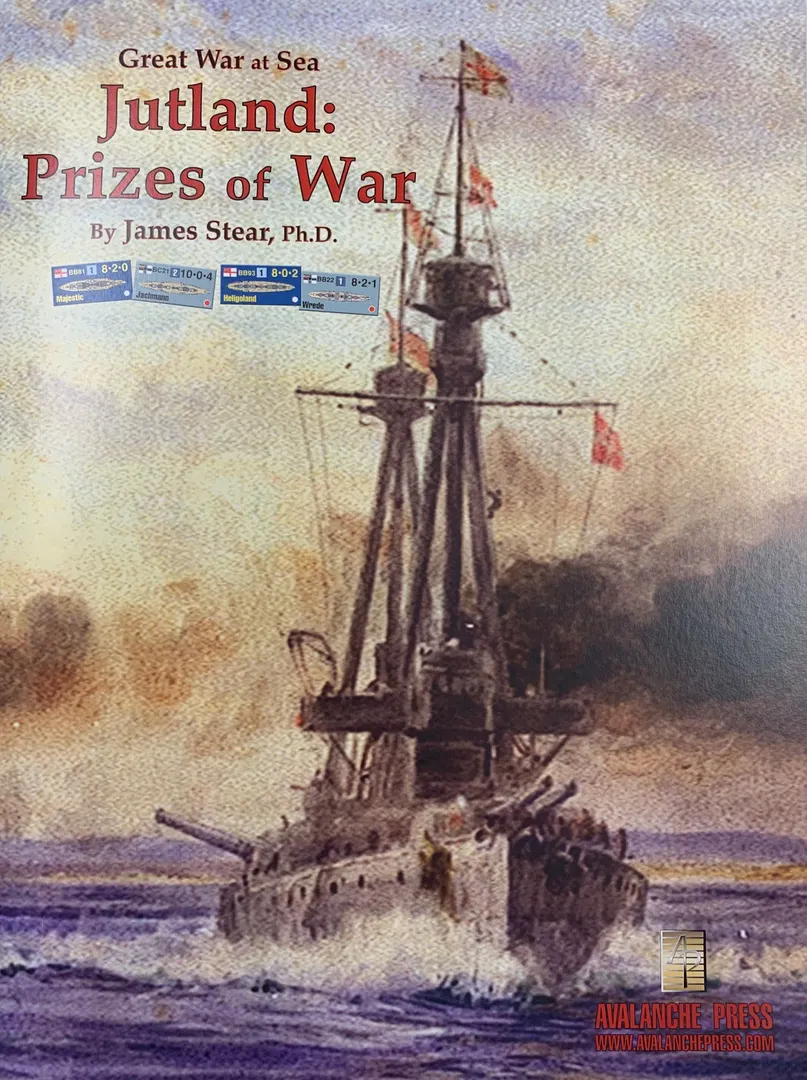
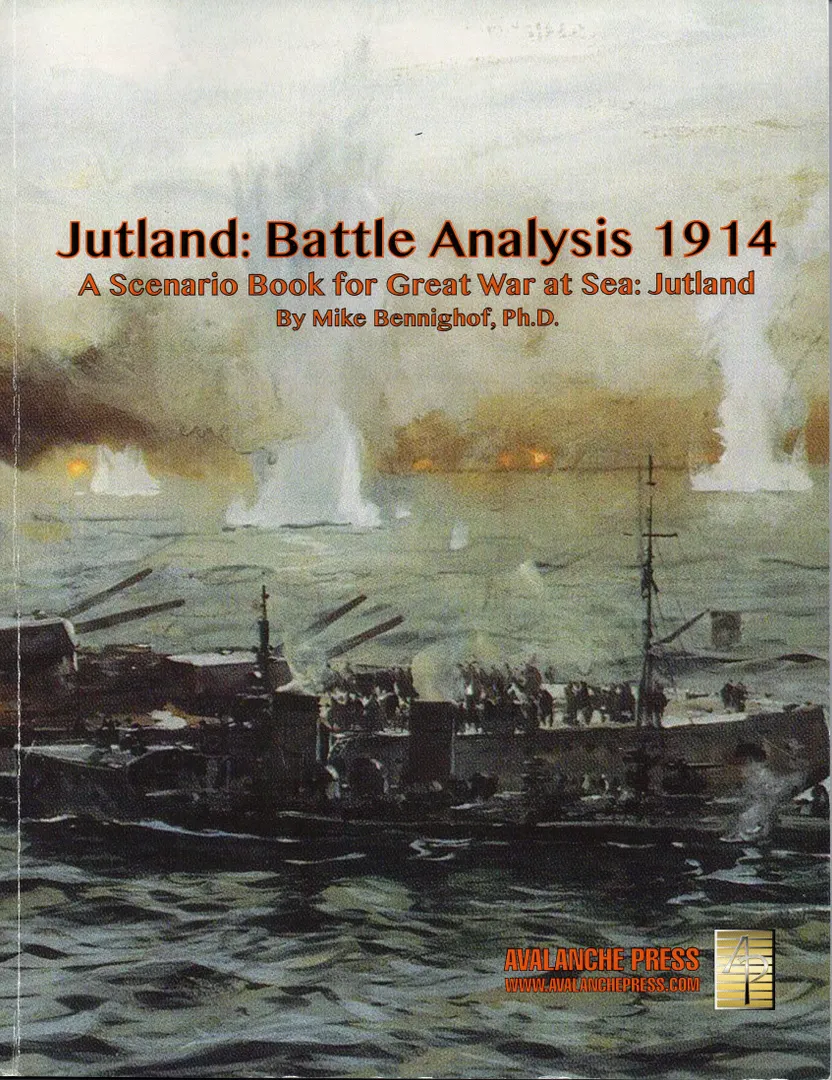
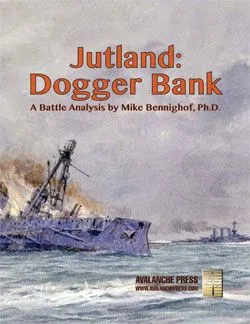
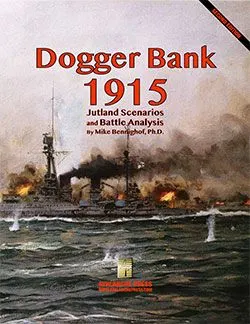
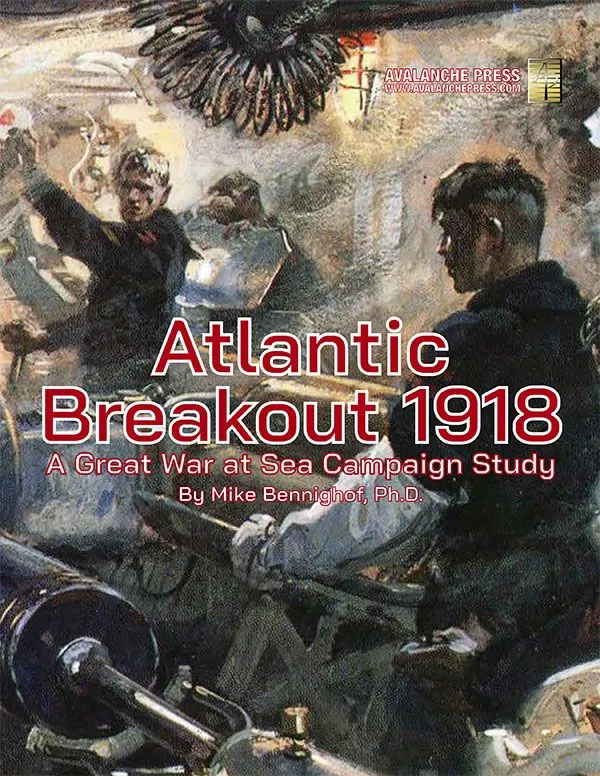
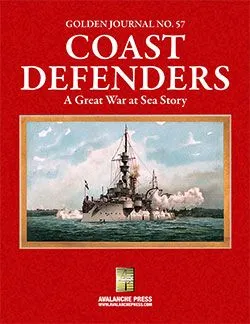
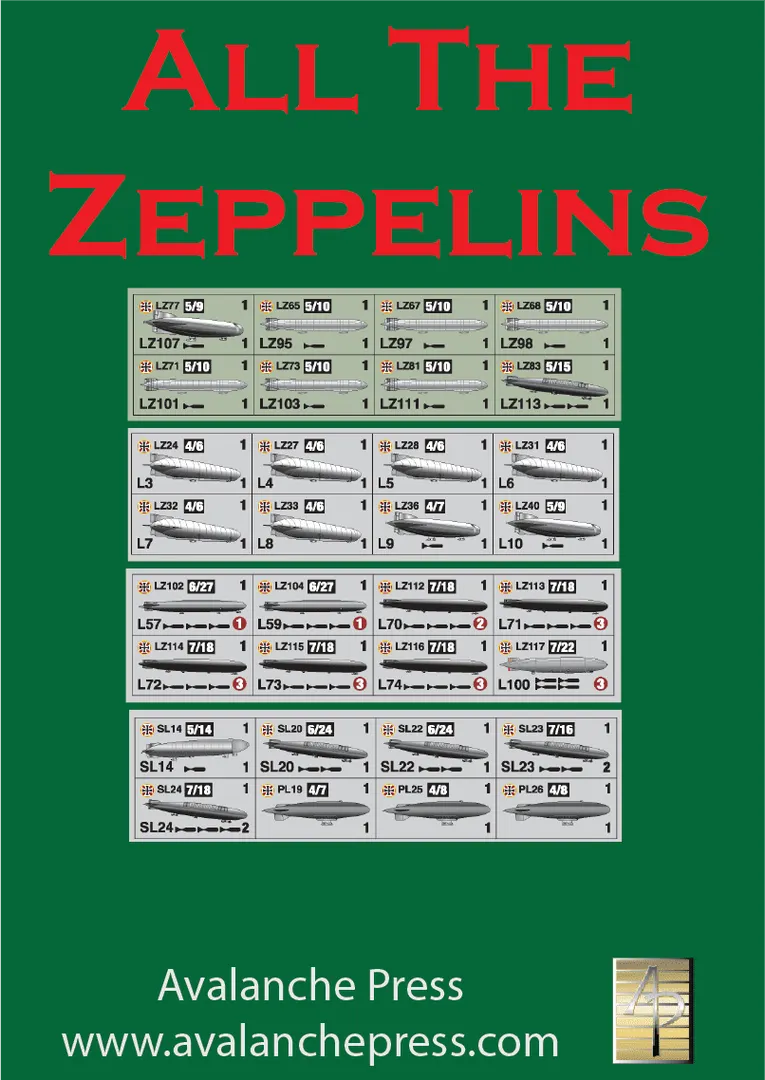
From the Avalanche Press website: History’s best-known naval battle was just one part of the ongoing four-year struggle to control the seas around Germany’s coasts. If the German High Seas Fleet could catch and destroy a portion of the much larger British Grand Fleet, the blockade suffocating Imperial Germany might finally be broken. Great War at Sea: Jutland is an extensively updated version of the earlier GWAS Vol. II: The North and Baltic Seas published in 1998. It covers not only the signature battle, but also the many other sorties of the High Seas Fleet like the Scarborough, Lowestoft and Gorleston Raids, the Battle of Dogger Bank and Helgoland Bight. Like all games in the Series: Great War at Sea (Avalanche Press) series, this one is packed with scenarios. Along with the operations in the North Sea, the game also includes the bitterly-fought naval war in the Baltic Sea. Here the roles are reversed, with the smaller Imperial Russian Navy aggressively seeking an advantage against the larger German forces. The Russian cruiser raids are all covered, as well as the climactic Battle of Moon Sound. The scenario book includes not only more than 40 scenarios, it’s packed with the background information about the ships, the men and the battles. The map covers the North and Baltic Seas, as well as the waters around the British Isles; it’s a bit larger than the map in the previous edition. The smaller navies of the region are all represented as well: Sweden, Norway, Denmark, the Netherlands. But it’s the major powers that get most of the ships. The Royal Navy is huge, with ships ranging from ancient paddle-driven minesweepers to modern battle cruisers like Repulse and Renown. Famous ships like the battleships Dreadnought and Iron Duke, the inaptly-named battle cruiser Invincible, and early aircraft carriers like Engadine and Argus are all here. The German High Seas Fleet has all the ships that challenged England, from the tiny coast defense ship Siegfried up to the huge battleships Sachsen and Württemburg. The Germans have zeppelins and submarines to help redress the balance somewhat, but it will take skilled play to overcome Britain’s sea dogs. Russia has modern dreadnoughts, but will depend on her armored cruisers and a squadron of older battleships for most missions. As with other games in the series, the tactical map is a generic blue field of hexagons, used to resolve surface combat. There, ships maneuver and fight using their gunnery and torpedo factors. Each player rolls a number of dice according to the ship’s capabilities, hitting on a result of 6. Gunnery and torpedo damage tables give the results: ships can suffer damage to engines, hull or armament. 32 miles/sea zone campaign scale 420 1-inch counters, 420 1/2-inch counters 34" x 22" operational map 24" x 24" tactical map 16 page rules, 128 page scenario book
Według katalogu Great War at Sea: Jutland obsługuje 2 graczy. To liczba graczy podana przez wydawcę, więc gra jest zaprojektowana dokładnie dla takiej liczby uczestników. Warianty dla grup innej wielkości, jeśli w ogóle istnieją, opisano w instrukcji twojego wydania; sprawdź ją uważnie, zanim przygotujesz inną konfigurację stołu.
Podany czas rozgrywki w Great War at Sea: Jutland wynosi 30–120 minut. To szacunek wydawcy dla pełnej partii. Rzeczywisty czas zależy od grupy, liczby graczy i znajomości zasad: pierwsze partie zwykle trwają dłużej, a doświadczone grupy kończą szybciej. Przygotowanie gry i tłumaczenie zasad nie są wliczone w ten szacunek.
Katalog podaje dla Great War at Sea: Jutland wiek od 12 lat. To zalecenie wydawcy, które uwzględnia wymagania dotyczące czytania, złożoność zasad i drobne elementy, a nie tylko tematykę. Młodsi gracze często mogą dołączyć z pomocą dorosłego; sprawdź zalecenie wiekowe swojego wydania i weź pod uwagę doświadczenie grupy z grami planszowymi.
Great War at Sea: Jutland ma ocenę złożoności 3,1 na 5 według graczy BoardGameGeek, co czyni ją grą średnio złożoną. Ocena pokazuje, ile znajomości zasad, planowania i podejmowania decyzji wymaga typowa rozgrywka. Cięższe gry wymagają dłuższego pierwszego tłumaczenia, dlatego przed wieczorem z grami warto skorzystać z przewodnika przygotowania.
Great War at Sea: Jutland należy do tych kategorii: Wargame, Nautical i World War I. Główne mechaniki to Dice Rolling, Secret Unit Deployment i Paper-and-Pencil. Kategorie opisują temat i świat gry, a mechaniki to, co gracze faktycznie robią w swojej turze. Każda mechanika prowadzi do strony katalogu z podobnymi grami, co pomaga znaleźć coś porównywalnego na kolejny wieczór.
Autorzy wymienieni przy Great War at Sea: Jutland to: Michael Bennighof i Doug McNair. Te informacje pochodzą z opublikowanych danych gry i wskazują osoby odpowiedzialne za jej projekt, a nie ilustratorów czy wydawców. Strony autorów w MeepleRules zbierają inne tytuły tych samych twórców, co pomaga, gdy gra ci się podoba i szukasz podobnych.
W katalogu Great War at Sea: Jutland figuruje jako gra podstawowa. Można w nią grać samodzielnie, korzystając z elementów z pudełka, bez żadnego innego tytułu. Dodatki, jeśli istnieją, dokładają nową zawartość lub zasady i są wymienione w katalogu osobno, z odnośnikiem do tej gry podstawowej.