
- Pozycja w BGG
- BGG #6487
- Ocena BGG
- 6,8
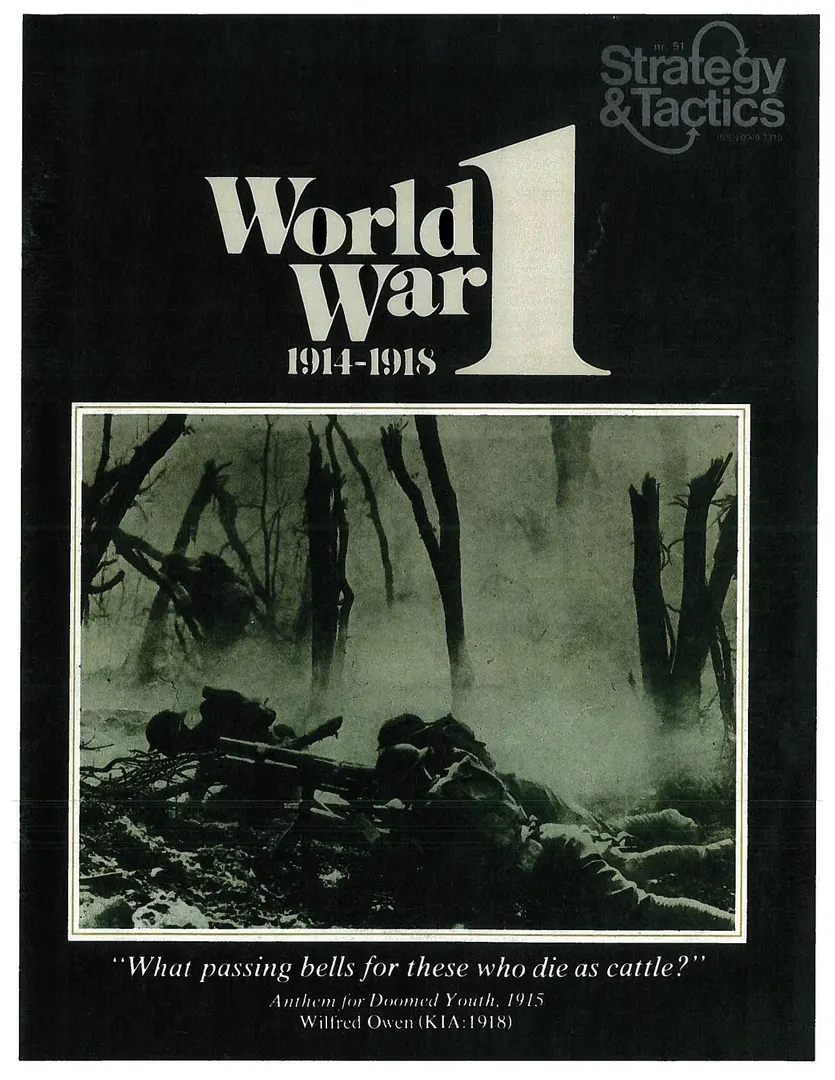
World War I: 1914-1918
- 2 graczy
- 180 min
- Złożoność 2,4/5
- 1975
1997
Pomoc w zasadach gry Over the Top! Mons & The Marne
Zrozumiałe wyjaśnienia tur, efektów kart i spornych sytuacji z odnośnikami do oficjalnych źródeł i zapisaną historią pytań.
Dla 2 graczy
Co chcesz wiedzieć?
Odpowiedzi pochodzą z oficjalnej instrukcji, ze stroną do sprawdzenia.
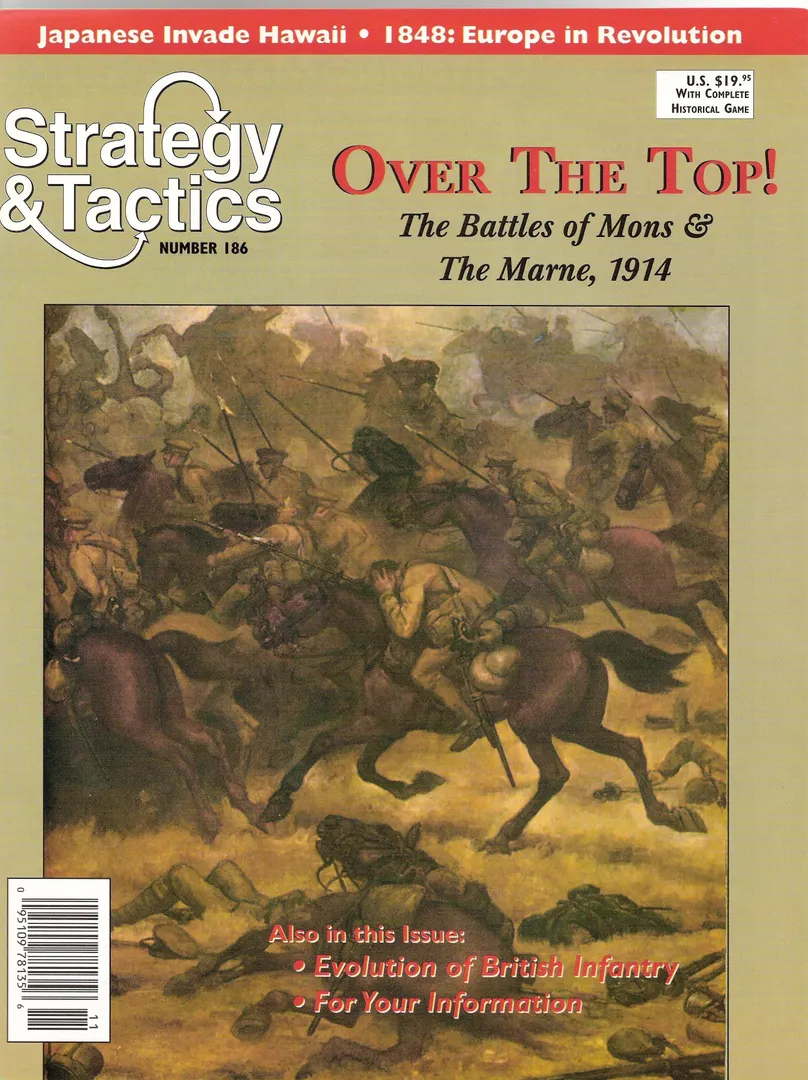
Over the Top! Mons & The Marne to gra planszowa wydana w 1997 roku dla 2 graczy i dla osób od 12 lat. Projekt gry: Joseph Miranda. Główne mechaniki: Hexagon Grid.



Po angielsku
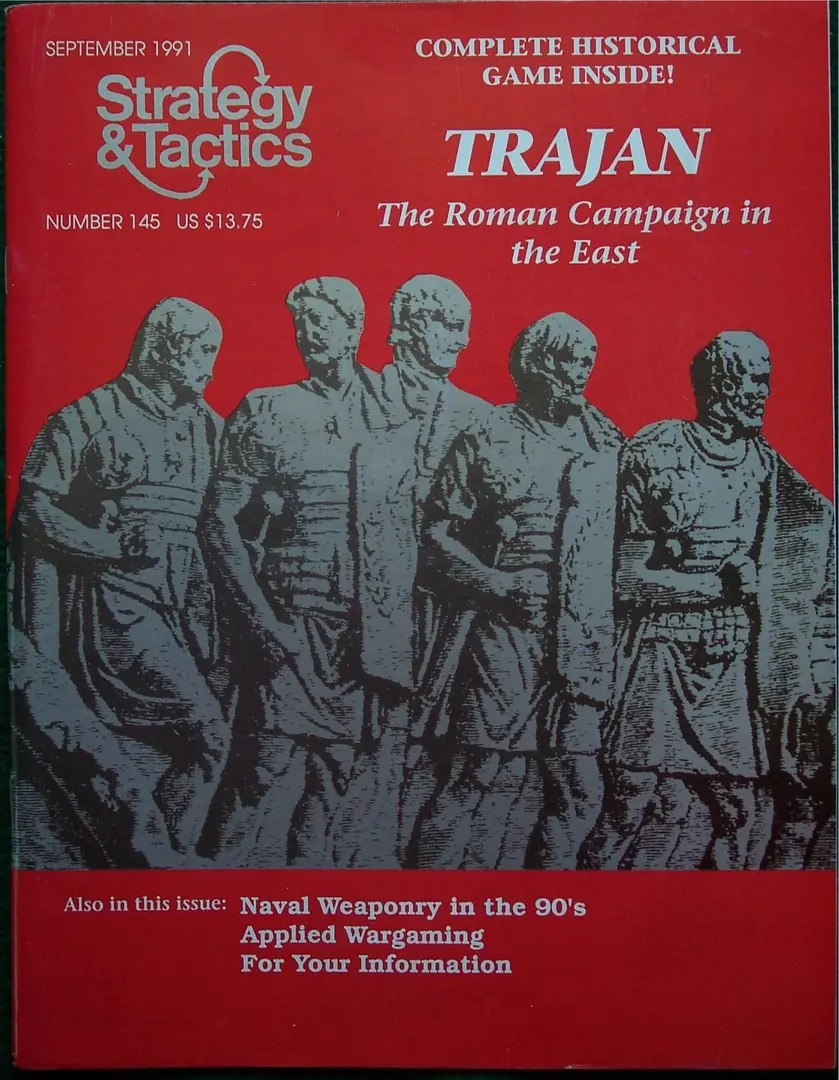
Two extra games from the Over the Top! Quad system that were published in Strategy & Tactics magazine #186, Jul/Aug 1997. 1 turn = 1/2 day, 1 hex = 2 miles. Mons, 23-27 August 1914 : "As the right wing of the German Army swept through Belgium in the opening days of the World War, the British landed the British Expeditionary Force (BEF) on the continent. Taking up position on the French left, they prepared for the German onslaught at the town of Mons. German General Alexander von Kuck's First Army was quick in coming. After a day long fight at Mons, the British fell back in a delaying action, eventually making a stand at Le Cateau. But the time they had bought proved critical in the upcoming Battle of the Marne". The Marne, 5-10 September 1914 : "Following their defeat in the "Battle of the Frontiers", the Allied armies retreated westwards, pursued by the Germans. The French chief commander, Field Marshal Joffre, decided to make a stand south of the Marne River. The German, changing their initial Schlieffen Plan, attacked through the gap between Paris and the Allied left wing, further to the east. Their intent was to destroy the Allied armies in one grand battle of annihilation. But the plan went awry. The Germans had outrun their lines of communication, and it was difficult for them to replace their losses while the Allies, with their ever shortening lines of communication, quickly regained strength. At the critical moment, the French Paris Garrison counterattacked on the extended German right flank. The resulting conflagration caused the German to pull back. The Allied armies were saved and the deadlock on the Western Front would soon begin.
Według katalogu Over the Top! Mons & The Marne obsługuje 2 graczy. To liczba graczy podana przez wydawcę, więc gra jest zaprojektowana dokładnie dla takiej liczby uczestników. Warianty dla grup innej wielkości, jeśli w ogóle istnieją, opisano w instrukcji twojego wydania; sprawdź ją uważnie, zanim przygotujesz inną konfigurację stołu.
Katalog podaje dla Over the Top! Mons & The Marne wiek od 12 lat. To zalecenie wydawcy, które uwzględnia wymagania dotyczące czytania, złożoność zasad i drobne elementy, a nie tylko tematykę. Młodsi gracze często mogą dołączyć z pomocą dorosłego; sprawdź zalecenie wiekowe swojego wydania i weź pod uwagę doświadczenie grupy z grami planszowymi.
Over the Top! Mons & The Marne ma ocenę złożoności 2,8 na 5 według graczy BoardGameGeek, co czyni ją grą raczej lekką. Ocena pokazuje, ile znajomości zasad, planowania i podejmowania decyzji wymaga typowa rozgrywka. Cięższe gry wymagają dłuższego pierwszego tłumaczenia, dlatego przed wieczorem z grami warto skorzystać z przewodnika przygotowania.
Over the Top! Mons & The Marne należy do tych kategorii: Wargame i World War I. Główne mechaniki to Hexagon Grid. Kategorie opisują temat i świat gry, a mechaniki to, co gracze faktycznie robią w swojej turze. Każda mechanika prowadzi do strony katalogu z podobnymi grami, co pomaga znaleźć coś porównywalnego na kolejny wieczór.
Autorzy wymienieni przy Over the Top! Mons & The Marne to: Joseph Miranda. Te informacje pochodzą z opublikowanych danych gry i wskazują osoby odpowiedzialne za jej projekt, a nie ilustratorów czy wydawców. Strony autorów w MeepleRules zbierają inne tytuły tych samych twórców, co pomaga, gdy gra ci się podoba i szukasz podobnych.
W katalogu Over the Top! Mons & The Marne figuruje jako gra podstawowa. Można w nią grać samodzielnie, korzystając z elementów z pudełka, bez żadnego innego tytułu. Dodatki, jeśli istnieją, dokładają nową zawartość lub zasady i są wymienione w katalogu osobno, z odnośnikiem do tej gry podstawowej.