
- Pozycja w BGG
- BGG #6073
- Ocena BGG
- 8,1
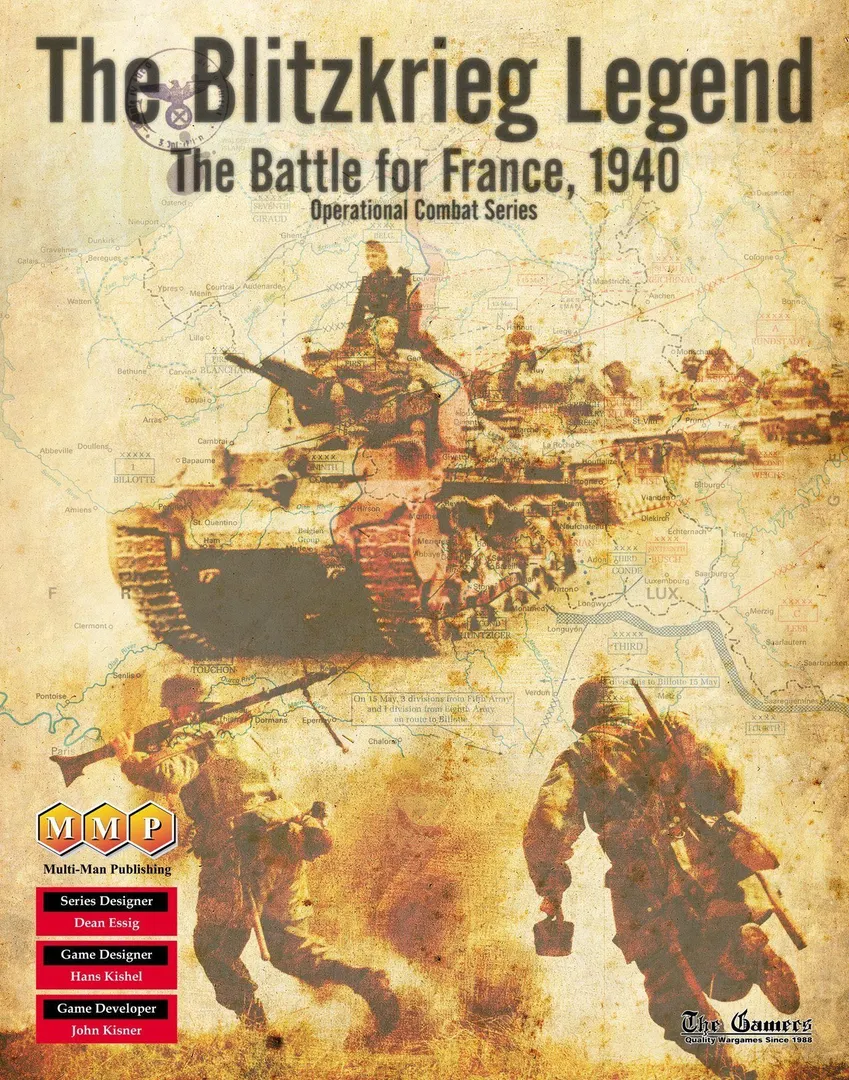
The Blitzkrieg Legend: The Battle for France, 1940
- 2 graczy
- 2880 min
- Złożoność 3,9/5
- 2012
2018
Pomoc w zasadach gry Smolensk: Barbarossa Derailed
Zrozumiałe wyjaśnienia tur, efektów kart i spornych sytuacji z odnośnikami do oficjalnych źródeł i zapisaną historią pytań.
Dla 1 gracza
Co chcesz wiedzieć?
Odpowiedzi pochodzą z oficjalnej instrukcji, ze stroną do sprawdzenia.
Smolensk: Barbarossa Derailed to gra planszowa wydana w 2018 roku dla 1–2 graczy, z rozgrywką trwającą 120–4560 minut i dla osób od 16 lat. Projekt gry: Dean Essig i Hans Kishel. Główne mechaniki: Dice Rolling, Hexagon Grid i Simulation.





Po angielsku
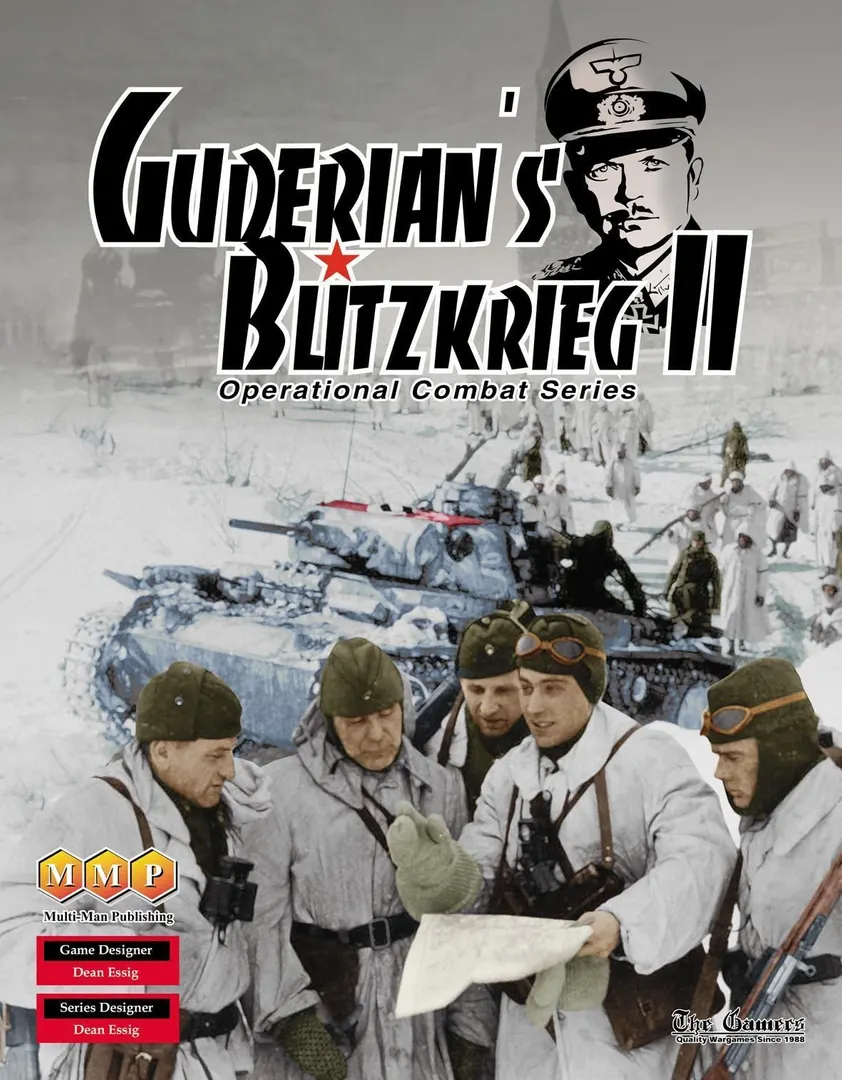
Description from the publisher: Smolensk: Barbarossa Derailed is the latest release in the Operational Combat Series (OCS), covering the campaign along the Moscow highway in the summer of 1941. These actions set the stage for the Wehrmacht’s autumn drive on the Soviet capital, and many historians believe the bitter fighting here ultimately doomed the Axis to failure in Russia. The game begins on 8 July with Barbarossa still in high gear. In August, the advance stalls as Hitler diverts most of the panzers from the map to forces around Leningrad and Kiev. Soviet counteroffensives will push Army Group Center close to the breaking point by game’s end on 8 September. The asymmetry of the two armies will be familiar to veterans of past OCS campaigns, especially Guderian’s Blitzkrieg II. There is the expected qualitative difference in typical Action Ratings, along with stark contrasts in logistical capabilities and replacement rates. There also some unique twists in the situation, including: Three of the panzer divisions are getting their first taste of combat, so their Action Ratings are reduced. The rivalry between Heinz Guderian and Hermann Hoth makes it difficult for these generals to coordinate their panzer armies, and might prevent the ring from closing around Smolensk. Soviet tank divisions are shown for the first time. They pack a wallop, but their quality leaves a lot to be desired. The Soviet 1st Motorized Division is presented as a somewhat elite multi-unit formation that includes some heavy KV-1s and T-34s. The contributions of small militia, tank, and anti-tank units are reflected by the Soviet Alarm Pool. Other chrome accounts for ‘tree bark soup’ (used by cut-off units), planes diverted to terror-bomb Moscow, and special markers for artillery ammo & katyusha effects. Smolensk is a small and fairly simple entry in the series, with special rules kept to a minimum. We think players will enjoy the fact both sides must attack and defend. By the end they will learn three things about this campaign: the Soviets are more than just punching bags, the Germans are challenged to hold their early gains, and the road to Moscow will be paved in blood. Seven scenarios are included: Intro Scenario: Vitebsk, 1/2 turn, using about 1/4 of the map Smolensk Campaign, 8 July to 8 September (19 turns) Late July Start, 22 July to 8 September (15 turns) 1st Counteroffensive, 22 July to 1 August (4 turns) Early August Start, 8 August to 8 September (10 turns) 2nd Counteroffensive, 8 August to 22 August (5 turns) 3rd Counteroffensive, 26 August to 8 September (5 turns)
Według katalogu Smolensk: Barbarossa Derailed obsługuje od 1 do 2 graczy. Ten zakres odpowiada liczbie graczy podanej przez wydawcę, więc grę można przygotować dla dowolnej grupy w jego granicach. Przygotowanie, niektóre zasady i punktacja mogą jednak różnić się w zależności od liczby graczy; dokładną konfigurację sprawdź w instrukcji swojego wydania.
Podany czas rozgrywki w Smolensk: Barbarossa Derailed wynosi 120–4560 minut. To szacunek wydawcy dla pełnej partii. Rzeczywisty czas zależy od grupy, liczby graczy i znajomości zasad: pierwsze partie zwykle trwają dłużej, a doświadczone grupy kończą szybciej. Przygotowanie gry i tłumaczenie zasad nie są wliczone w ten szacunek.
Katalog podaje dla Smolensk: Barbarossa Derailed wiek od 16 lat. To zalecenie wydawcy, które uwzględnia wymagania dotyczące czytania, złożoność zasad i drobne elementy, a nie tylko tematykę. Młodsi gracze często mogą dołączyć z pomocą dorosłego; sprawdź zalecenie wiekowe swojego wydania i weź pod uwagę doświadczenie grupy z grami planszowymi.
Smolensk: Barbarossa Derailed ma ocenę złożoności 4,0 na 5 według graczy BoardGameGeek, co czyni ją grą ciężką. Ocena pokazuje, ile znajomości zasad, planowania i podejmowania decyzji wymaga typowa rozgrywka. Cięższe gry wymagają dłuższego pierwszego tłumaczenia, dlatego przed wieczorem z grami warto skorzystać z przewodnika przygotowania.
Smolensk: Barbarossa Derailed należy do tych kategorii: Wargame i World War II. Główne mechaniki to Dice Rolling, Hexagon Grid i Simulation. Kategorie opisują temat i świat gry, a mechaniki to, co gracze faktycznie robią w swojej turze. Każda mechanika prowadzi do strony katalogu z podobnymi grami, co pomaga znaleźć coś porównywalnego na kolejny wieczór.
Autorzy wymienieni przy Smolensk: Barbarossa Derailed to: Dean Essig i Hans Kishel. Te informacje pochodzą z opublikowanych danych gry i wskazują osoby odpowiedzialne za jej projekt, a nie ilustratorów czy wydawców. Strony autorów w MeepleRules zbierają inne tytuły tych samych twórców, co pomaga, gdy gra ci się podoba i szukasz podobnych.
W katalogu Smolensk: Barbarossa Derailed figuruje jako gra podstawowa. Można w nią grać samodzielnie, korzystając z elementów z pudełka, bez żadnego innego tytułu. Dodatki, jeśli istnieją, dokładają nową zawartość lub zasady i są wymienione w katalogu osobno, z odnośnikiem do tej gry podstawowej.