
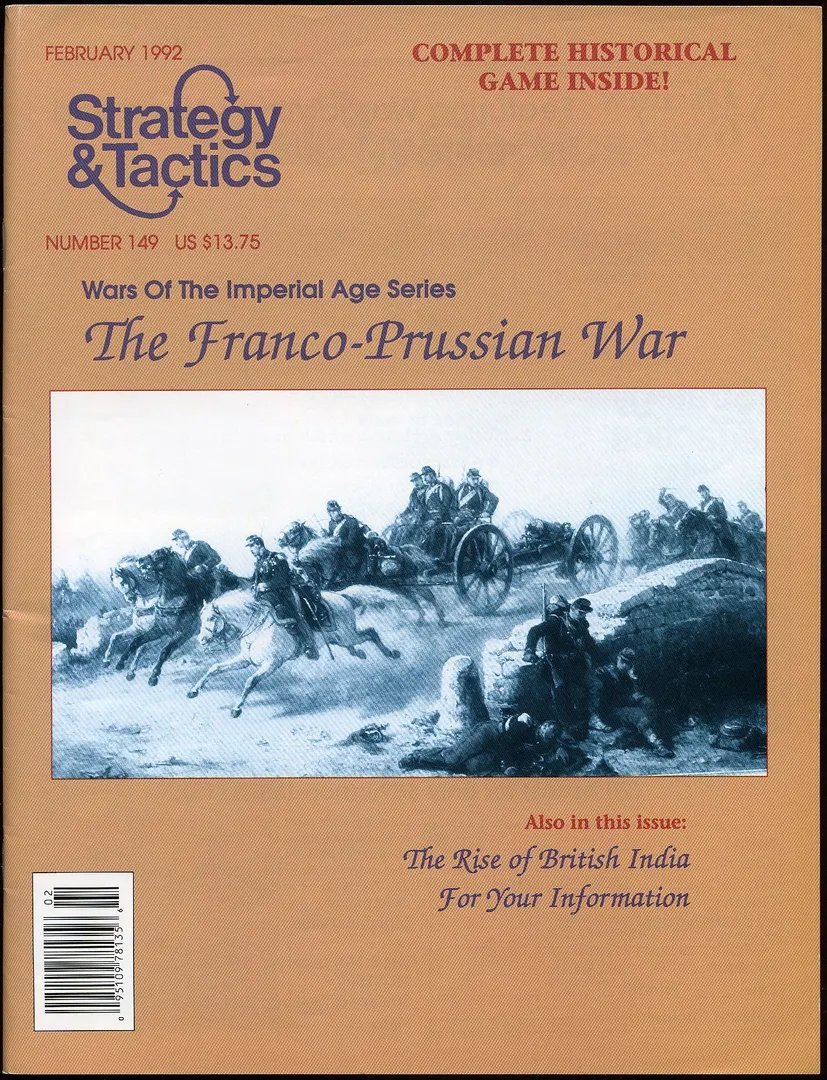
- Pozycja w BGG
- BGG #13 332
- Ocena BGG
- 6,7
The Franco-Prussian War
- 2 graczy
- 360–600 min
- Złożoność 3,1/5
- 1992
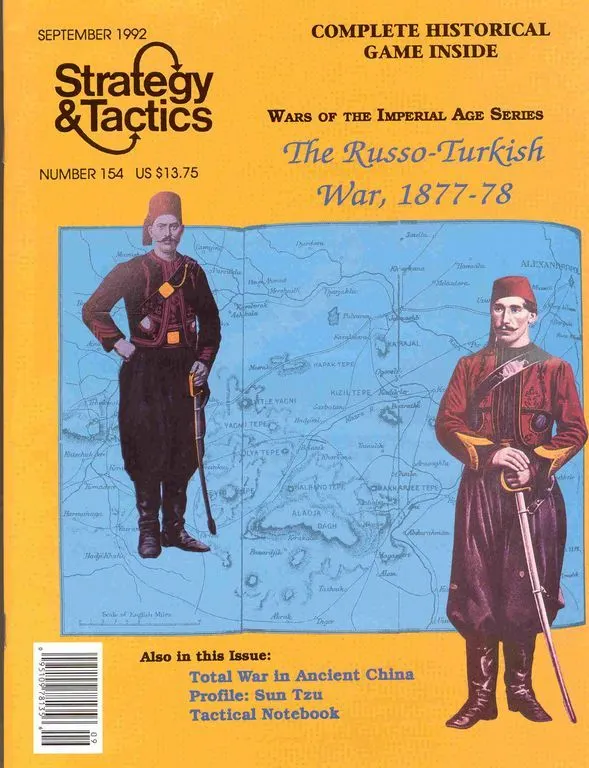
1992
Pomoc w zasadach gry The Russo-Turkish War, 1877-78
Zrozumiałe wyjaśnienia tur, efektów kart i spornych sytuacji z odnośnikami do oficjalnych źródeł i zapisaną historią pytań.
Dla 2 graczy
Co chcesz wiedzieć?
Odpowiedzi pochodzą z oficjalnej instrukcji, ze stroną do sprawdzenia.
The Russo-Turkish War, 1877-78 to gra planszowa wydana w 1992 roku dla 2 graczy, z rozgrywką trwającą 120 minut i dla osób od 12 lat. Projekt gry: Joseph Miranda. Główne mechaniki: Dice Rolling i Hexagon Grid.
%2Fpic1139728.jpg@webp)

Po angielsku
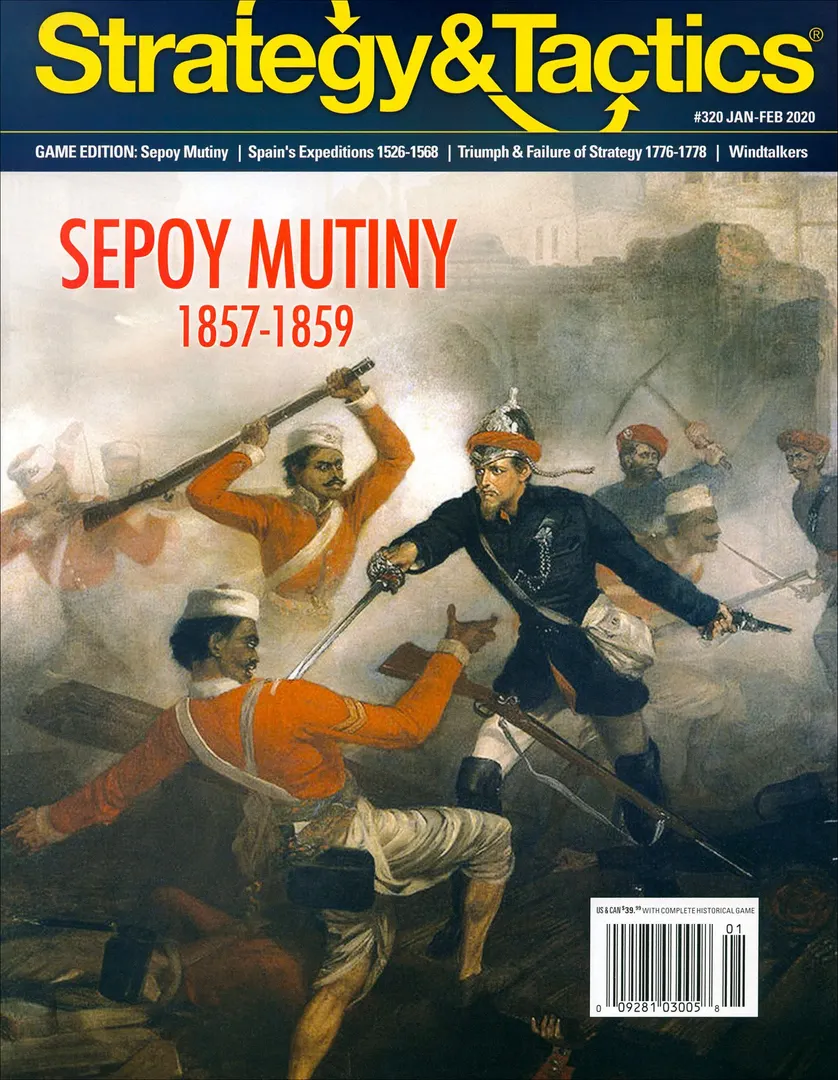
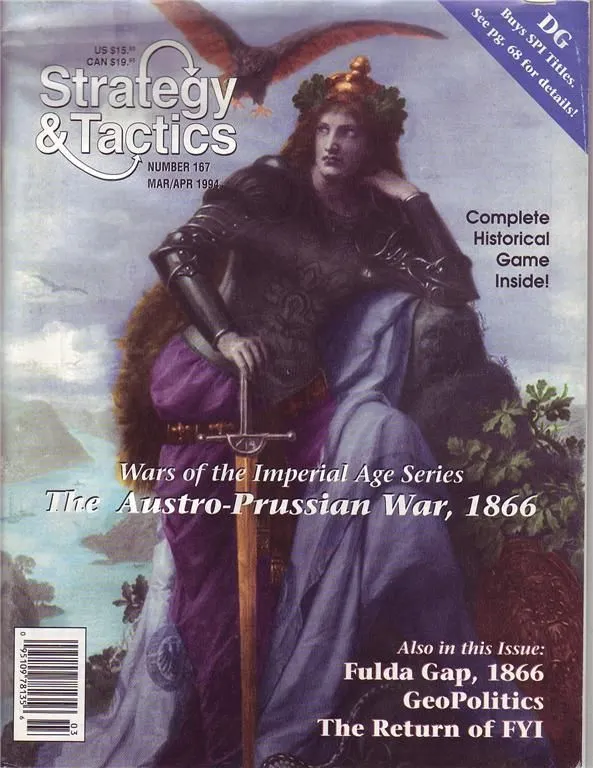
The Struggle between the Russian and Ottoman Empires was already centuries old when war broke out in 1877. It had its origins in the bitter conflict between Muslims and Christians, Slavs and Turks. The war proved to be a turning point in that it completely altered the balance of power in the east. In less than 40 years this helped produce the European catastrophe known as the Great War (WW I). Echoes of these ethnic and religious troubles resound today, as the peoples of Balkans and Near East still fight each other in a struggle for dominance. The Russo-Turkish War did not just cripple the Ottoman Empire. It made Russia into the dominant power in the East, and demonstrated the twin impact of modern technology and modern ideology on warfare. The System rules apply to all games in the Wars of the Imperial Age series, and simulate the conditions of warfare in the late 19th century. This is a revision of the System rules presented with Franco-Prussian War (S&T #149), and completely replaces the System rules book found there. Important changes from the original version are indicated by a double pound sign (##) at the beginning of the rule. Players familiarizing themselves with the game may wish to use just the System rules. The Specific Rules that apply only to the particular game and cover military and political conditions unique to the specific situation. Units represent historical leaders and headquarters staffs; corps, division-, and brigade-sized units; and fortifications. Each unit is rated for its combat strength, training class, and movement ability. (Specific Rules) Additionally, headquarters are rated for their Operations capability to enhance movement and combat capabilities, as well as conduct various politically oriented functions. All units are deployed face down, and are revealed to the enemy only if he conducts reconnaissance or intelligence operations. Movement is performed by the moving force rolling on one of four March tables (Regular March, Forced March, Railroad, Naval) and applying the result. Combat is fought between enemy units in individual adjacent hexes; each player draws a Battle Results marker at random. This gives the number of enemy combat factors eliminated, effects on enemy morale, and special results for cavalry, and siege guns.The typical size of units are brigades. Politics are a factor in the game. Each side has a National Will Index which gives the current level of popular support. This is affected by combat outcomes and other game events. (Specific Rules) Each turn, players have the opportunity to draw Political Events markers, representing various factors affecting the outcome of the conflict. Published in Strategy & Tactics magazine #154, Sep 1992. Errata was published in S&T #157 & 159. Replacement counters were issued in S&T #162 (2 counters) and S&T #171 (1 counter).
Według katalogu The Russo-Turkish War, 1877-78 obsługuje 2 graczy. To liczba graczy podana przez wydawcę, więc gra jest zaprojektowana dokładnie dla takiej liczby uczestników. Warianty dla grup innej wielkości, jeśli w ogóle istnieją, opisano w instrukcji twojego wydania; sprawdź ją uważnie, zanim przygotujesz inną konfigurację stołu.
Podany czas rozgrywki w The Russo-Turkish War, 1877-78 wynosi 120 minut. To szacunek wydawcy dla pełnej partii. Rzeczywisty czas zależy od grupy, liczby graczy i znajomości zasad: pierwsze partie zwykle trwają dłużej, a doświadczone grupy kończą szybciej. Przygotowanie gry i tłumaczenie zasad nie są wliczone w ten szacunek.
Katalog podaje dla The Russo-Turkish War, 1877-78 wiek od 12 lat. To zalecenie wydawcy, które uwzględnia wymagania dotyczące czytania, złożoność zasad i drobne elementy, a nie tylko tematykę. Młodsi gracze często mogą dołączyć z pomocą dorosłego; sprawdź zalecenie wiekowe swojego wydania i weź pod uwagę doświadczenie grupy z grami planszowymi.
The Russo-Turkish War, 1877-78 ma ocenę złożoności 3,2 na 5 według graczy BoardGameGeek, co czyni ją grą średnio złożoną. Ocena pokazuje, ile znajomości zasad, planowania i podejmowania decyzji wymaga typowa rozgrywka. Cięższe gry wymagają dłuższego pierwszego tłumaczenia, dlatego przed wieczorem z grami warto skorzystać z przewodnika przygotowania.
The Russo-Turkish War, 1877-78 należy do tych kategorii: Wargame i Post-Napoleonic. Główne mechaniki to Dice Rolling i Hexagon Grid. Kategorie opisują temat i świat gry, a mechaniki to, co gracze faktycznie robią w swojej turze. Każda mechanika prowadzi do strony katalogu z podobnymi grami, co pomaga znaleźć coś porównywalnego na kolejny wieczór.
Autorzy wymienieni przy The Russo-Turkish War, 1877-78 to: Joseph Miranda. Te informacje pochodzą z opublikowanych danych gry i wskazują osoby odpowiedzialne za jej projekt, a nie ilustratorów czy wydawców. Strony autorów w MeepleRules zbierają inne tytuły tych samych twórców, co pomaga, gdy gra ci się podoba i szukasz podobnych.
W katalogu The Russo-Turkish War, 1877-78 figuruje jako gra podstawowa. Można w nią grać samodzielnie, korzystając z elementów z pudełka, bez żadnego innego tytułu. Dodatki, jeśli istnieją, dokładają nową zawartość lub zasady i są wymienione w katalogu osobno, z odnośnikiem do tej gry podstawowej.