- Pozycja w BGG
- BGG #2219
- Ocena BGG
- 7,1
Wooden Ships & Iron Men
- 2 graczy
- 60–300 min
- Złożoność 3,1/5
- 1974

2012
Pomoc w zasadach gry Ticonderoga: The Battles for Lake George, 1755-1758
Zrozumiałe wyjaśnienia tur, efektów kart i spornych sytuacji z odnośnikami do oficjalnych źródeł i zapisaną historią pytań.
Dla 2 graczy
Co chcesz wiedzieć?
Odpowiedzi pochodzą z oficjalnej instrukcji, ze stroną do sprawdzenia.
Ticonderoga: The Battles for Lake George, 1755-1758 to gra planszowa wydana w 2012 roku dla 2 graczy. Projekt gry: William Nester. Główne mechaniki: Dice Rolling, Hexagon Grid i Line of Sight.




Po angielsku
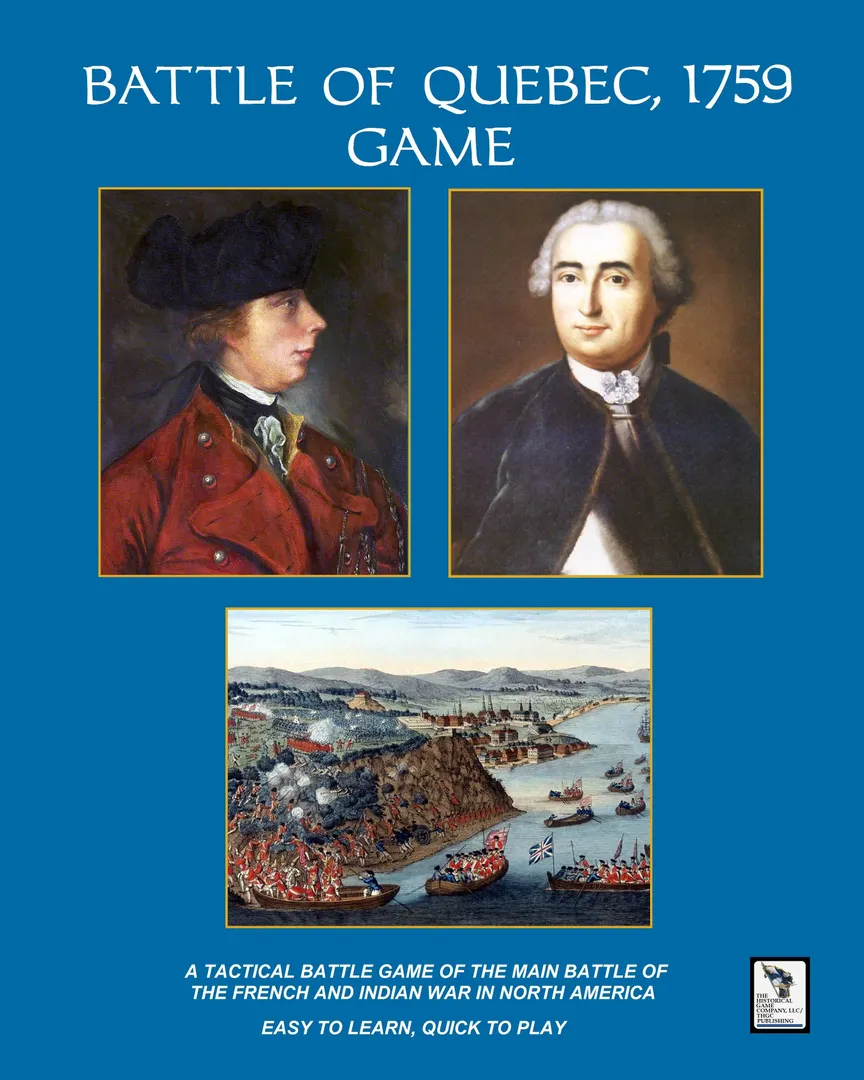
(from the publisher's website:) Ticonderoga simulates six engagements in the region between the upper Hudson and lower Lake Champlain, specifically the area between northern Lake George and Fort Carillon (a.k.a. Ticonderoga) during the French and Indian War (1755-58). The game system emphasizes the importance of leaders, and highlights the role of individual command skills, circumstances and luck. Throughout the game, leaders’ skills are tested as their units maneuver and fight, and every leader has the capacity to be “inept,” “capable” or “exceptional,” varying from engagement to engagement. The game includes a lot of randomization; so every game may vary in tempo. One game may involve more soldiers than another, and often the quality of the lower-level (unnamed) leaders will be different. There are three campaign and three raid scenarios, featuring many units for the longer games and fewer for shorter ones (280 counters total). Each hex on the Strategic Map represents 1.5 miles, whereas each hex on the Tactical Map (for the area near Ticonderoga) represents just 400 yards. Individual units represent from 50 to 800 men, and leader chits each represent a single commander, sometimes a famous historical figure, at other times an unknown man of low-rank. Designed by William Nester and Eric R. Harvey Map design: Joe Youst Counters: Trevor Holman
Według katalogu Ticonderoga: The Battles for Lake George, 1755-1758 obsługuje 2 graczy. To liczba graczy podana przez wydawcę, więc gra jest zaprojektowana dokładnie dla takiej liczby uczestników. Warianty dla grup innej wielkości, jeśli w ogóle istnieją, opisano w instrukcji twojego wydania; sprawdź ją uważnie, zanim przygotujesz inną konfigurację stołu.
Ticonderoga: The Battles for Lake George, 1755-1758 ma ocenę złożoności 2,2 na 5 według graczy BoardGameGeek, co czyni ją grą raczej lekką. Ocena pokazuje, ile znajomości zasad, planowania i podejmowania decyzji wymaga typowa rozgrywka. Cięższe gry wymagają dłuższego pierwszego tłumaczenia, dlatego przed wieczorem z grami warto skorzystać z przewodnika przygotowania.
Ticonderoga: The Battles for Lake George, 1755-1758 należy do tych kategorii: Wargame, Age of Reason i American Indian Wars. Główne mechaniki to Dice Rolling, Hexagon Grid i Line of Sight. Kategorie opisują temat i świat gry, a mechaniki to, co gracze faktycznie robią w swojej turze. Każda mechanika prowadzi do strony katalogu z podobnymi grami, co pomaga znaleźć coś porównywalnego na kolejny wieczór.
Autorzy wymienieni przy Ticonderoga: The Battles for Lake George, 1755-1758 to: William Nester. Te informacje pochodzą z opublikowanych danych gry i wskazują osoby odpowiedzialne za jej projekt, a nie ilustratorów czy wydawców. Strony autorów w MeepleRules zbierają inne tytuły tych samych twórców, co pomaga, gdy gra ci się podoba i szukasz podobnych.
W katalogu Ticonderoga: The Battles for Lake George, 1755-1758 figuruje jako gra podstawowa. Można w nią grać samodzielnie, korzystając z elementów z pudełka, bez żadnego innego tytułu. Dodatki, jeśli istnieją, dokładają nową zawartość lub zasady i są wymienione w katalogu osobno, z odnośnikiem do tej gry podstawowej.
