
- Оценка BGG
- 8,3
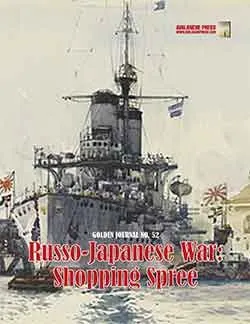
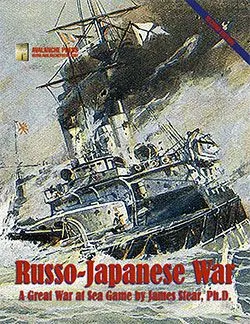
Great War at Sea: Russo-Japanese War – Shopping Spree
- 2024
2013
Помощник по правилам Great War at Sea: Russo-Japanese War
Понятные объяснения ходов, эффектов карт и спорных ситуаций со ссылками на официальные источники и сохранённой историей вопросов.
Что хотите уточнить?
Отвечаю по официальным правилам и показываю страницу для проверки.
«Great War at Sea: Russo-Japanese War» — настольная игра 2013 года: для 1–2 игроков, 30 минут на партию и возраст от 12 лет. Авторы игры — Michael Bennighof и James Stear; основные механики — Dice Rolling, Secret Unit Deployment и Hexagon Grid.



На английском
From the Avalanche Press website: Japan entered the modern age in 1868, with a new young emperor determined to make his island nation a world power. After decades of steady progress, Japan began its own practice of colonialism, defeating China in 1894. As the Japanese began to infiltrate the semi-independent Kingdom of Korea, they ran into Russian agents doing the same. Despite Japanese offers to negotiate, elements within the Russian Empire were set on war. Great War at Sea: Russo-Japanese War covers the naval aspects of the resulting conflict, which opened with a Japanese surprise attack on the Russian Pacific Fleet’s base at Port Arthur in northern China. There are 50 scenarios, including the climactic Battle of Tsushima, as well as hypothetical actions ranging from an early dispute resulting from the 1895 "Triple Intervention" to a showdown in 1906 with greatly reinforced Russian and Japanese fleets. The Russian fleet is a mixed bag of modern battleships and ancient ironclads better suited for a museum. The Pacific Fleet that begins the game in the Far East has modern ships stationed at Port Arthur and a cruiser squadron in Vladivostok. Between them lies Korea, occupied by Japan. The Russian strategic situation is difficult. The Japanese have a better fleet; though not as large, their armored cruisers outclass their Russian counterparts and their torpedo boats are more numerous and more effective. They are also better-led after the death of the Russian Admiral Makarov. The map covers the Japanese home islands and the seas around them. As with other games in the series, it’s divided into zones 32 miles across. Fleets attempt to locate one another on this map. When contact is made, play moves to a tactical map where ships maneuver and fight. The previous edition of this game (Great War at Sea: 1904-1905) won the Origins Award for Best Historical Game due to play balance and simplicity. Without aircraft, play is even faster than in other games in the series. The strategic situation is challenging to both players, and competitive balance is keen without sacrificing the historical accuracy of the game as a simulation. Unlike most wars, the Russo-Japanese naval war took place between opponents reasonably matched in terms of vessels and numbers (albeit not in training), and that makes for a tense and exciting game. Russo-Japanese War includes: • One 34 x 22-inch operational map • One 22 x 22-inch tactical map • 210 playing pieces • A game booklet including 50 scenarios
По данным каталога, «Great War at Sea: Russo-Japanese War» рассчитана на 1–2 игроков. Этот диапазон соответствует числу игроков, указанному издателем, поэтому игру можно подготовить для любого состава в его пределах. Подготовка, отдельные правила и подсчёт очков всё же могут зависеть от числа игроков; точную конфигурацию проверьте в правилах своего издания.
В каталоге для «Great War at Sea: Russo-Japanese War» указано время партии 30 минут — это оценка издателя для полной партии. Фактическая длительность зависит от состава, числа игроков и знакомства с правилами: первые партии обычно идут дольше, опытные компании заканчивают быстрее. Подготовка и объяснение правил в эту оценку не входят.
В каталоге для «Great War at Sea: Russo-Japanese War» указан возраст от 12 лет. Это рекомендация издателя: она учитывает необходимость чтения, сложность правил и мелкие компоненты, а не только тему. Младшие игроки часто могут участвовать с помощью взрослого; проверьте возрастную рекомендацию на своём издании и учтите опыт вашей компании в настольных играх.
Сложность «Great War at Sea: Russo-Japanese War» — 3,0 из 5 по оценкам игроков BoardGameGeek, это игра средней сложности. Оценка отражает, сколько знания правил, планирования и решений требует типичная партия. Сложные игры дольше объяснять в первый раз, поэтому перед игровым вечером пригодится руководство по подготовке.
Категории игры «Great War at Sea: Russo-Japanese War»: Wargame и Nautical. Основные механики: Dice Rolling, Secret Unit Deployment и Hexagon Grid. Категории описывают тему и сеттинг игры, а механики — то, что игроки на самом деле делают в свой ход. Каждая механика ведёт в раздел каталога с похожими играми, и так проще найти что-то подобное для следующей партии.
В каталоге авторами «Great War at Sea: Russo-Japanese War» указаны: Michael Bennighof и James Stear. Эти данные взяты из опубликованной информации об игре и называют людей, ответственных за её дизайн, а не иллюстраторов или издателей. Страницы авторов на MeepleRules собирают другие игры тех же авторов — это удобно, когда игра понравилась и хочется найти похожие.
В каталоге «Great War at Sea: Russo-Japanese War» отмечена как самостоятельная игра. В неё можно играть отдельно, используя компоненты из коробки, и никакая другая игра для этого не нужна. Дополнения, если они существуют, добавляют новый контент или правила и указаны в каталоге отдельно со ссылкой на эту базовую игру.