
- BGG-Bewertung
- 6,4
Shōgi
- 2 Spieler
- Komplexität 3,0/5
- 2013
2008
Regelhilfe für Operation Cartwheel
Verständliche Erklärungen zu Spielzügen, Karteneffekten und strittigen Situationen mit Verweisen auf offizielle Quellen und gespeichertem Fragenverlauf.
Für 2 Personen
Was möchtest du wissen?
Antworten stammen aus dem offiziellen Regelheft, mit Seitenangabe zum Nachprüfen.
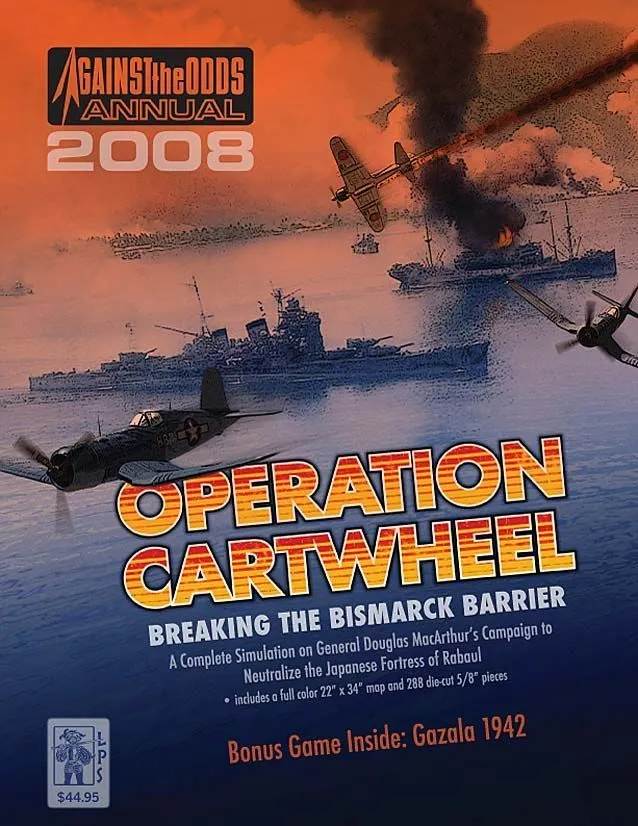
Operation Cartwheel ist ein Brettspiel aus dem Jahr 2008 für 2 Personen und mit 120–900 Minuten pro Partie. Entwickelt wurde es von Paul Rohrbaugh; die wichtigsten Mechaniken sind Dice Rolling, Hexagon Grid und Minimap Resolution.





Auf Englisch
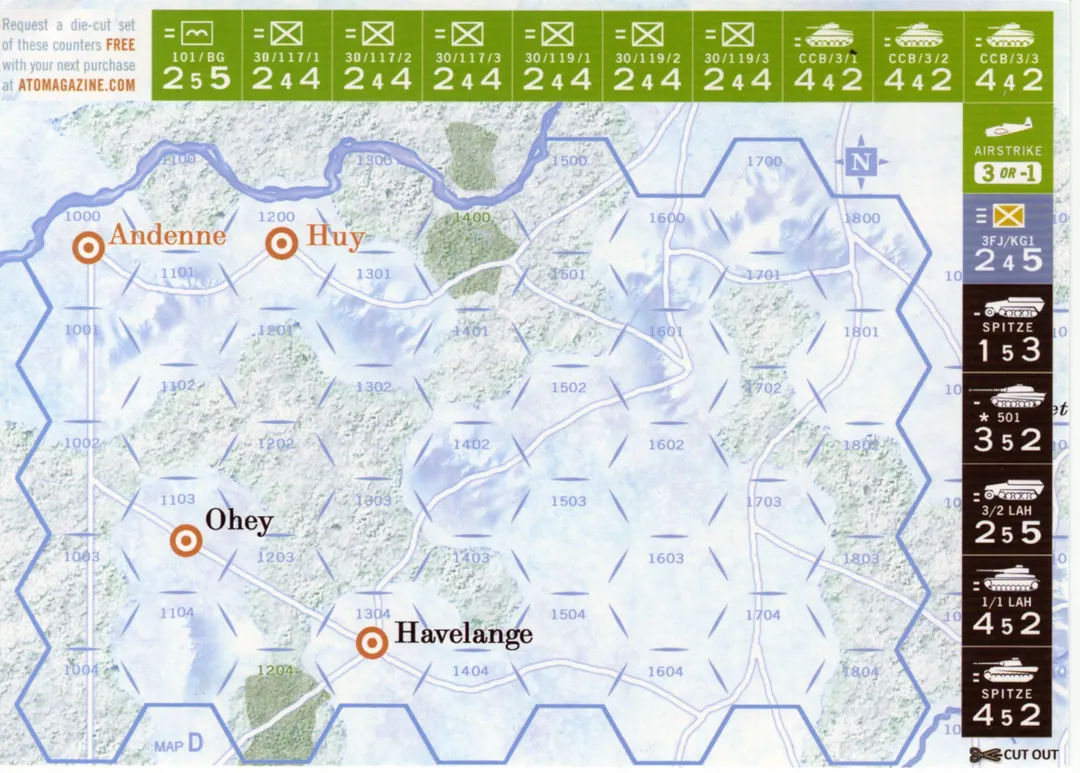
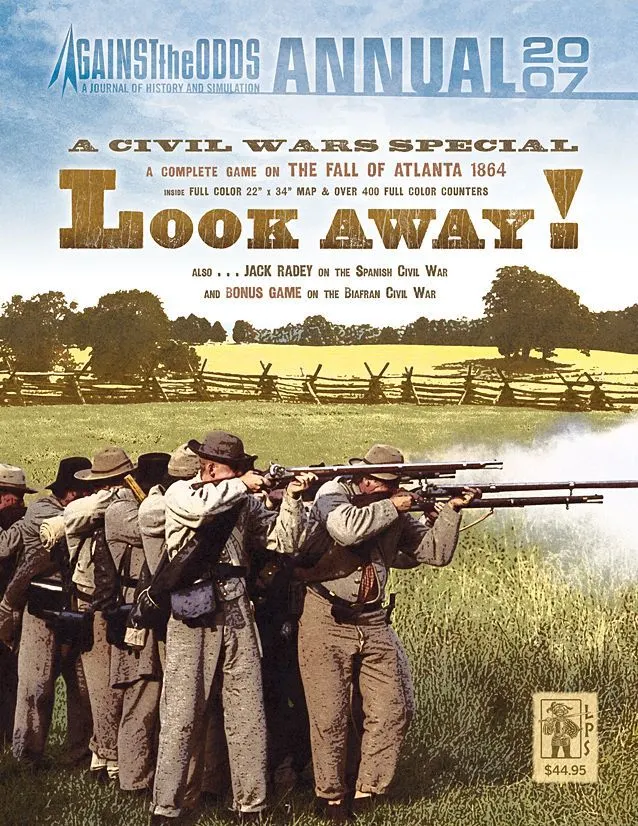
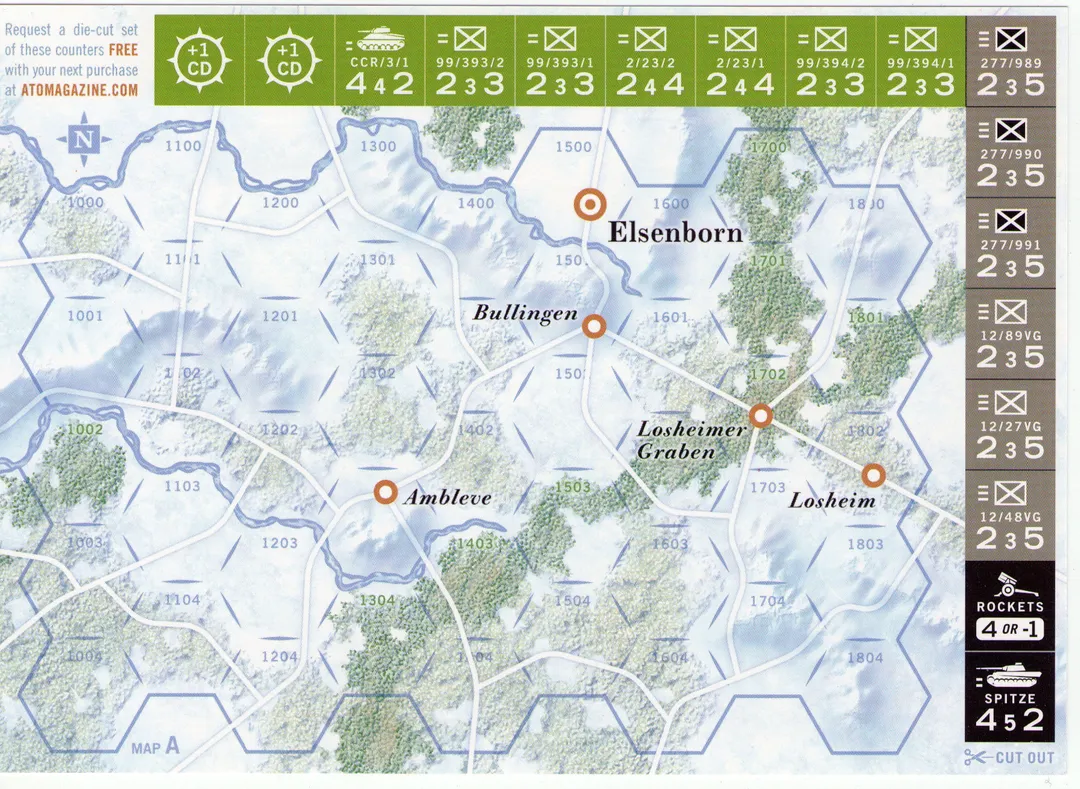
(from ATO website) Operation Cartwheel was a miniaturized version of Allied Grand Strategy in the Pacific—a multi-pronged advance aimed to make it difficult for the Japanese to focus their responses... a jumping from air base to potential-next-airbase. (MacArthur called it, “Advancing the bomber line.”) And, most of all, the novel concept that not every Japanese stronghold needed to be attacked at all. Some 13 different invasions or operations were included, with flexibility for adjusting both timing and target as the situation demanded. In fact, the original goal of Cartwheel (called “Elkton” when first proposed) was the capture of Rabaul. After much discussion in the highest levels (including the Combined Chiefs of Staff, Roosevelt, and Churchill), and overruling MacCarther’s own objections, Cartwheel’s final objectives shifted to the Admiralty Islands, bypassing Rabaul and setting the stage for the invasion of the Philippines. Operation Cartwheel eventually included the Battle of the Bismarck Sea, the death of Yamamoto, Bougainville, multiple parachute drops, a Japanese counter-invasion, and the leap-frogging strategy up New Guinea. It involved the top commanders on both sides, sometimes working in close harmony and sometimes at ends. (The Japanese army and navy had conflicting concepts of how to defend the area and each pursued their own ideas!) With 284 5/8" counters and a 22 x 34 inch map (each hex representing about 100 miles) Operation Cartwheel integrates separate ground, naval, and air games. Logistics is key, as it was at the time, but not a burden in game mechanics. Operation Cartwheel will be published in ATO's 2008 Annual, featuring a “double-length” magazine, with an in-depth look at the history behind the game, plus other articles, and an assortment of replacement/improvement counters from that year’s games.[...] NOW AVAILABLE AGAIN! Game has been OOP for years. ATO has a “game only” (no magazine) version for sale. Maps - One full color 22"x34" mapsheet Counters - 284 full color die-cut 5/8" pieces Rulebook length - 16 pages Charts & tables - 4 pages Complexity - Medium Solitaire Suitability - Average Playing Time - 2 to 3 hours for the smaller scenarios, up to 12 to 15 hours for the full campaign game
Laut Katalog unterstützt Operation Cartwheel 2 Personen. Das ist die vom Verlag angegebene Spielerzahl, das Spiel ist also genau für diese Anzahl von Mitspielenden ausgelegt. Varianten für andere Gruppengrößen sind, sofern vorhanden, in der Anleitung deiner Ausgabe beschrieben; prüfe sie, bevor du eine andere Konfiguration aufbaust.
Die angegebene Spieldauer für Operation Cartwheel beträgt 120–900 Minuten. Das ist die Schätzung des Verlags für eine vollständige Partie. Die tatsächliche Dauer hängt von der Gruppe, der Personenzahl und der Regelkenntnis ab: Erste Partien dauern meist länger, erfahrene Gruppen sind oft schneller fertig. Aufbau und Regelerklärung sind in dieser Schätzung nicht enthalten.
Operation Cartwheel hat bei BoardGameGeek eine Komplexitätswertung von 2,9 von 5 und gilt damit als eher leichtes Spiel. Die Wertung zeigt, wie viel Regelwissen, Planung und Entscheidungen eine typische Partie verlangt. Schwerere Spiele brauchen bei der ersten Erklärung mehr Zeit, daher hilft vor dem Spieleabend eine Vorbereitungsanleitung.
Operation Cartwheel gehört zu diesen Kategorien: Wargame, World War II und Aviation / Flight. Die wichtigsten Mechaniken sind Dice Rolling, Hexagon Grid und Minimap Resolution. Kategorien beschreiben Thema und Setting eines Spiels, Mechaniken dagegen, was die Spielenden in ihrem Zug tatsächlich tun. Jede Mechanik führt zu einer Katalogseite mit ähnlichen Spielen, falls du etwas Vergleichbares suchst.
Als Autoren von Operation Cartwheel sind angegeben: Paul Rohrbaugh. Diese Angaben stammen aus den veröffentlichten Spieldaten und nennen die für das Spieldesign verantwortlichen Personen, nicht die Illustratoren oder Verlage. Die Autorenseiten auf MeepleRules sammeln weitere Titel derselben Autoren – praktisch, wenn dir ein Spiel gefällt und du ähnliche Spiele suchst.
Im Katalog ist Operation Cartwheel als Grundspiel aufgeführt. Es lässt sich eigenständig mit dem Material aus der Schachtel spielen und benötigt keinen weiteren Titel. Erweiterungen, sofern es welche gibt, ergänzen neues Material oder neue Regeln und sind im Katalog separat mit einem Verweis auf dieses Grundspiel aufgeführt.