

- BGG rank
- BGG #23,435
- BGG rating
- 6.0
Give Me Liberty
- 1–4 players
- 120–360 min
- Complexity 3.3/5
- 1992
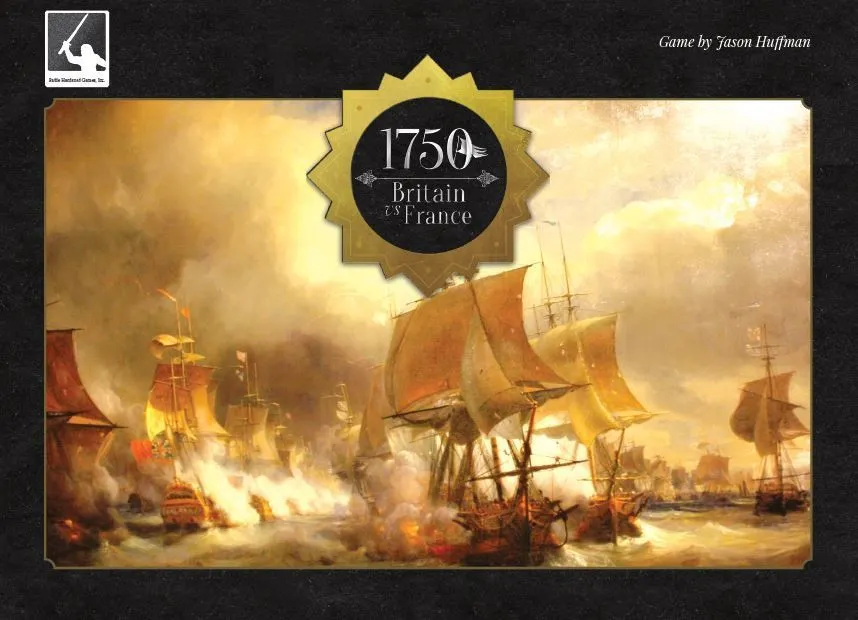
2017
Rules assistance for 1750: Britain vs. France
Plain-language explanations of turns, card effects and disputed situations, with official source references and saved question history.
For 2 players
What would you like to know?
Answers come from the official rulebook, with the page to check.
1750: Britain vs. France is a board game released in 2017 for 2 players, 60 minutes per game, and ages 13 and up. It was designed by Jason Huffman and its main mechanics are Area Movement, Dice Rolling, and Modular Board.





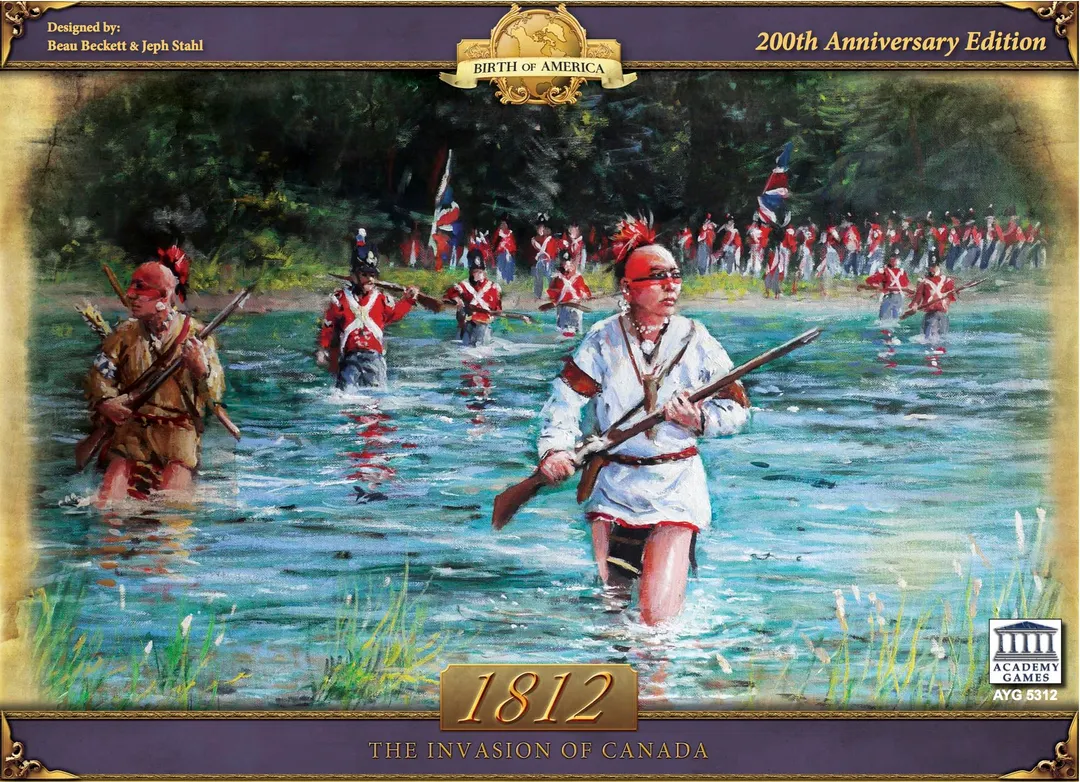
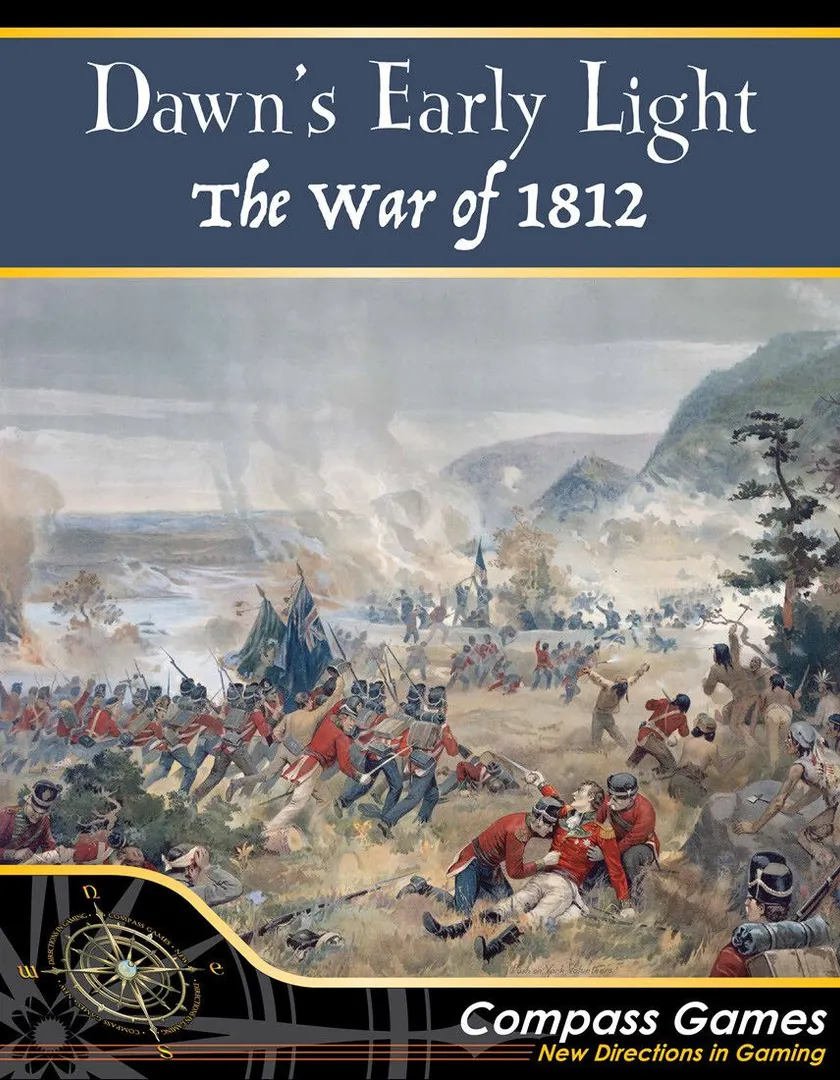

Throughout the 18th century, Britain and France waged a bloody series of wars for nothing short of global domination. Massive sailing warships, armies of bayonet-wielding soldiers, and their skilled allies fought for control of North American, African, and Indian colonies. In many ways, this was the first "world war". In 1750: Britain vs. France, you play as Britain or France, wielding your forces to decide the outcome of this struggle. During the game, you recruit generals and admirals from the Seven Years' War (French and Indian War) and the War of the Austrian Succession, and send other military forces to take colonies by force, with colonies producing exports to aid your economy. Your units roll dice in combat against enemy forces, and you can modify those results by playing historic event cards to turn the tide of battle, modifying dice rolls and destroying enemy cards at critical moments. You'll also engage in political efforts to persuade other world powers to enter the conflict on your side and bring their resources to the fight. Your final score is decided by the number of colonies you have captured, countries you have gotten to join your cause, and enemy leaders you've taken as prisoners. Will you change history, or will history repeat itself?
1750: Britain vs. France supports 2 players according to the catalogue. This is the publisher’s listed player count, so the game is designed for exactly that number of participants. Variants for other group sizes, if any, are described in the rulebook of your edition, so check it before setting up a different configuration.
The listed playing time for 1750: Britain vs. France is 60 minutes. This is the publisher’s estimate for a full game. The actual duration depends on the group, the player count and familiarity with the rules: first sessions usually run longer, while experienced groups often finish faster. Setup and teaching time are not included in this estimate.
The catalogue lists 1750: Britain vs. France for ages 13 and up. This is the publisher’s recommendation and reflects reading demands, rule complexity and small components rather than theme alone. Younger players can often join with help from an adult, so check the age guidance on your edition and consider your group’s experience with board games.
1750: Britain vs. France has a complexity rating of 2.0 out of 5 from BoardGameGeek players, which makes it a medium-light game. The rating reflects how much rules knowledge, planning and decision-making a typical game demands. Expect a longer first teach for heavier games, and use a preparation guide before game night.
1750: Britain vs. France belongs to these categories: Card Game, Wargame, and Age of Reason. Its main mechanics are Area Movement, Dice Rolling, and Modular Board. Categories describe the theme and setting of a game, while mechanics describe what players actually do on their turns. Each mechanic links to a catalogue hub with similar games, which helps when you want something comparable.
The credited designers of 1750: Britain vs. France are: Jason Huffman. These credits come from the published game data and name the people responsible for the game’s design, not its illustrators or publishers. Designer pages on MeepleRules collect other titles by the same designers, which helps when you enjoy a game and want to find similar ones.
The catalogue lists 1750: Britain vs. France as a base game. It can be played on its own with the components in the box and does not require any other title. Expansions, if any exist, add new content or rules on top of it and are listed separately in the catalogue with a link back to this base game.