

- BGG rank
- BGG #4,659
- BGG rating
- 8.0
Hearts and Minds: Vietnam 1965-1975 (Third Edition)
- 1–2 players
- 45–360 min
- Complexity 3.0/5
- 2019
2018
Rules assistance for Blood on the Ohio: Washington's Indian War 1789-1794
Plain-language explanations of turns, card effects and disputed situations, with official source references and saved question history.
For 2 players
What would you like to know?
Answers come from the official rulebook, with the page to check.
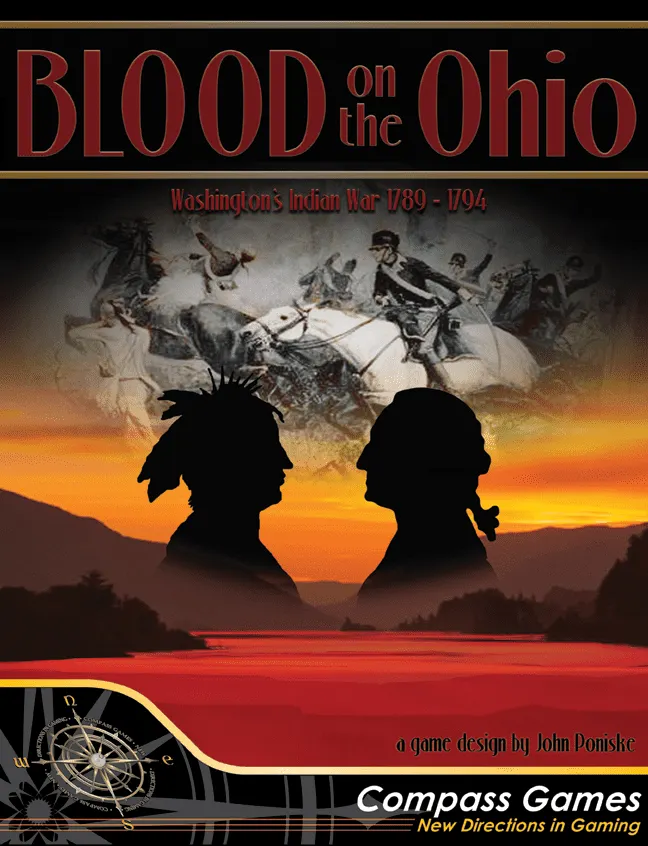
Blood on the Ohio: Washington's Indian War 1789-1794 is a board game released in 2018 for 2 players, 120–180 minutes per game, and ages 12 and up. It was designed by John Poniske and its main mechanics are Dice Rolling, Point to Point Movement, and Simulation.

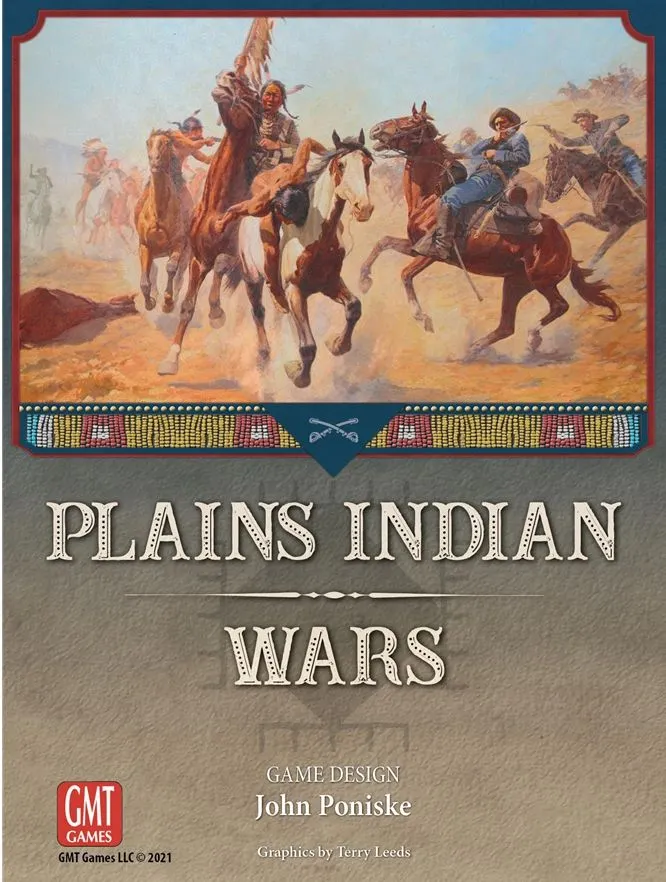

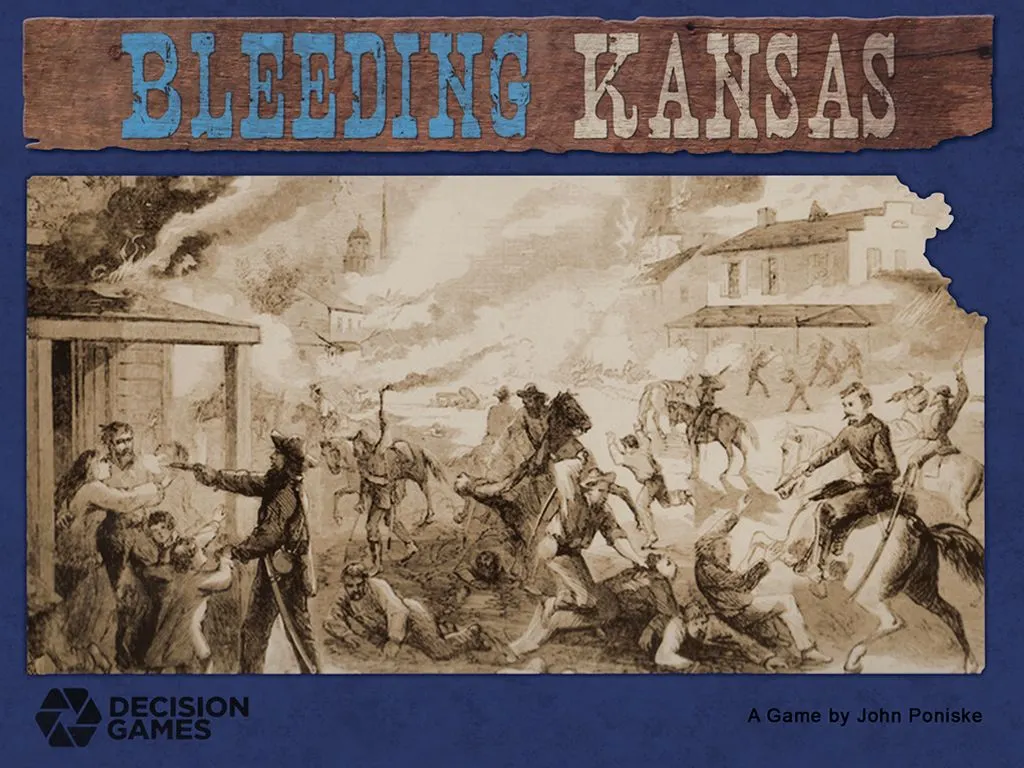
Blood on the Ohio presents the late 18th century struggle between a coalition of Indian tribes led by Little Turtle and the nascent American Army to determine control of the then Ohio territory. Known as the Northwest Indian War, Little Turtle's War and Washington's Indian War, this was the first major challenge to President Washington and his army following the conclusion of the Revolutionary War. Spanning from 1785 to 1795, the conflict grew out of a dispute over territorial boundaries following the war, aggravated by settlers flooding across the Ohio to claim Ohio lands then in possession of Native American nations. The Miami and Shawnee were the principal tribes involved but in time they created a loose alliance with numerous other tribes and together they dealt the U.S. the worst defeat by Indians in the history of our Indian Wars. Washington sent three separate expeditions against them. The first two were handily defeated. The third and final expedition led by General "Mad" Anthony Wayne ended the conflict with his victory at The Battle of Fallen Timbers in 1794. This design is similar to King Philip's War. It is point to point movement, using a three dice simultaneous battle system with variable reinforcements on both sides, special action points, alliances and treaties, and frustratingly undependable American militia. The American army operates out of forts, the Indians out of villages. Every two turns both players enter into quartering which in effect resets the board. Destroyed Indian villages are relocated while additional forts and settlements may be built as the game progresses. Indians raiding is a quick and simple mechanism that adds color to the game. Four scenarios are included - one per expedition with a campaign game that encompasses all three. Low counter density with quick and tense game play.
Blood on the Ohio: Washington's Indian War 1789-1794 supports 2 players according to the catalogue. This is the publisher’s listed player count, so the game is designed for exactly that number of participants. Variants for other group sizes, if any, are described in the rulebook of your edition, so check it before setting up a different configuration.
The listed playing time for Blood on the Ohio: Washington's Indian War 1789-1794 is 120–180 minutes. This is the publisher’s estimate for a full game. The actual duration depends on the group, the player count and familiarity with the rules: first sessions usually run longer, while experienced groups often finish faster. Setup and teaching time are not included in this estimate.
The catalogue lists Blood on the Ohio: Washington's Indian War 1789-1794 for ages 12 and up. This is the publisher’s recommendation and reflects reading demands, rule complexity and small components rather than theme alone. Younger players can often join with help from an adult, so check the age guidance on your edition and consider your group’s experience with board games.
Blood on the Ohio: Washington's Indian War 1789-1794 has a complexity rating of 3.2 out of 5 from BoardGameGeek players, which makes it a medium-weight game. The rating reflects how much rules knowledge, planning and decision-making a typical game demands. Expect a longer first teach for heavier games, and use a preparation guide before game night.
Blood on the Ohio: Washington's Indian War 1789-1794 belongs to these categories: Wargame, Age of Reason, and American Indian Wars. Its main mechanics are Dice Rolling, Point to Point Movement, and Simulation. Categories describe the theme and setting of a game, while mechanics describe what players actually do on their turns. Each mechanic links to a catalogue hub with similar games, which helps when you want something comparable.
The credited designers of Blood on the Ohio: Washington's Indian War 1789-1794 are: John Poniske. These credits come from the published game data and name the people responsible for the game’s design, not its illustrators or publishers. Designer pages on MeepleRules collect other titles by the same designers, which helps when you enjoy a game and want to find similar ones.
The catalogue lists Blood on the Ohio: Washington's Indian War 1789-1794 as a base game. It can be played on its own with the components in the box and does not require any other title. Expansions, if any exist, add new content or rules on top of it and are listed separately in the catalogue with a link back to this base game.