
- BGG rank
- BGG #11,383
- BGG rating
- 7.1
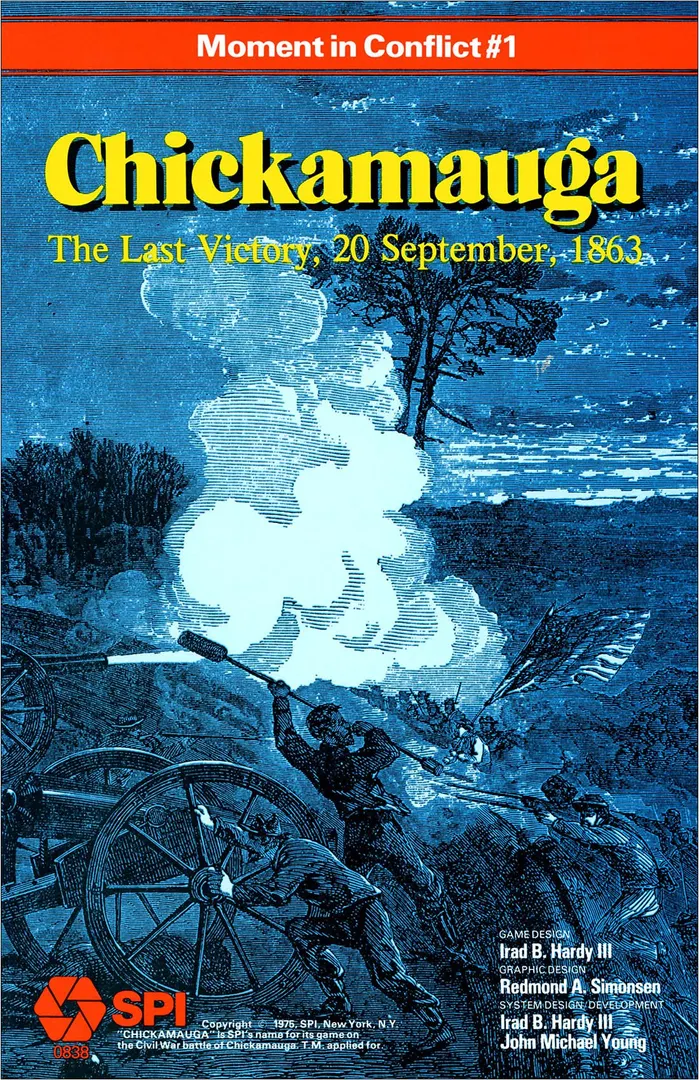
Chickamauga: The Last Victory, 20 September 1863
- 2 players
- 120 min
- Complexity 2.1/5
- 1975
1972
Rules assistance for 1812: The Campaign of Napoleon in Russia
Plain-language explanations of turns, card effects and disputed situations, with official source references and saved question history.
For 2 players
What would you like to know?
Answers come from the official rulebook, with the page to check.
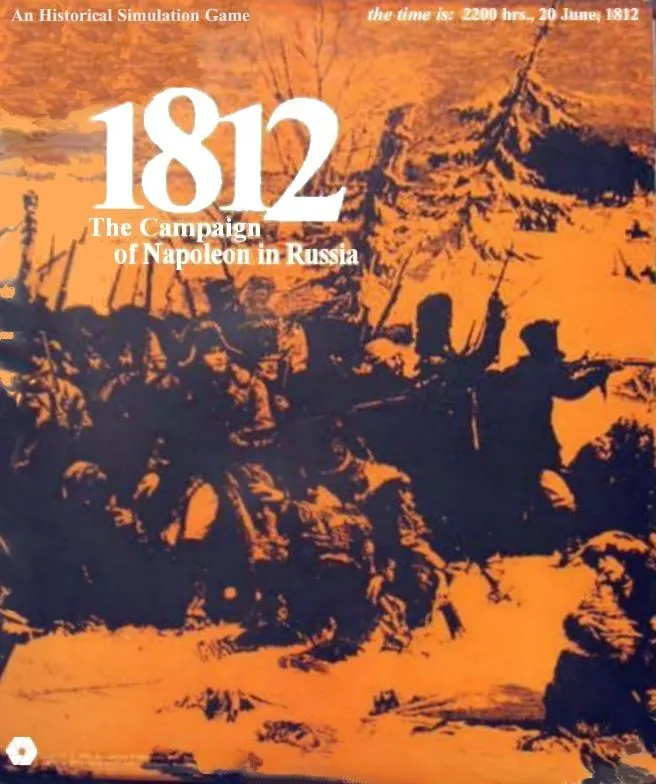
1812: The Campaign of Napoleon in Russia is a board game released in 1972 ages 12 and up. It was designed by Phil Orbanes Sr. and John Young and its main mechanics are Area Movement, Dice Rolling, and Hexagon Grid.



The "1812 Grand Tactical game" is a simulation of the French invasion of Russia. The defeat of Napoleon in this campaign eventually led to the collapse of the French Empire, and the demise of that truly great military leader. The Grand Tactical game simulates the mechanics of strategic maneuver and tactical decision in this campaign. The game is divided into three Scenarios: Scenario 1 starts in June with the opposing forces deployed and ready to start the campaign. Scenario 2 starts in August, with Napoleon deep inside Russia and preparing his final drive to Moscow. In October, Napoleon in Moscow is about to begin the epic winter retreat as Russian armies converge from all directions. The "1812 Area Version" is a simulation of Napoleon's invasion of Russia between June and December 1812. This version is based upon systems different from the usual "hexagonal" pattern. The map is divided into geographical Areas and Sub-areas; while the Areas have equal supply capacity, the Subareas encompass roughly the same distance for movement and combat purposes. A totally new system of combat simulates the major factors important in Napoleonic battles without excessive quantification and simplification. In addition, because supply was so crucial to movement and combat decisions in this campaign, unique supply rules complement the innovative movement and combat systems. (above extract from rules) Two versions are included, using separate maps covering most of Russia. The strategic game is area driven, while the tactical version covers the same scope but using hex mechanics. There is an earlier version of the box that is NOT plastic, it is a completely cardboard box. Many of the early SPI games came in these cardboard boxes until someone bright decided that the plastic ones would be cheaper and more easily manipulated for advertising. 400 Counters
The catalogue lists 1812: The Campaign of Napoleon in Russia for ages 12 and up. This is the publisher’s recommendation and reflects reading demands, rule complexity and small components rather than theme alone. Younger players can often join with help from an adult, so check the age guidance on your edition and consider your group’s experience with board games.
1812: The Campaign of Napoleon in Russia has a complexity rating of 2.3 out of 5 from BoardGameGeek players, which makes it a medium-light game. The rating reflects how much rules knowledge, planning and decision-making a typical game demands. Expect a longer first teach for heavier games, and use a preparation guide before game night.
1812: The Campaign of Napoleon in Russia belongs to these categories: Wargame and Napoleonic. Its main mechanics are Area Movement, Dice Rolling, and Hexagon Grid. Categories describe the theme and setting of a game, while mechanics describe what players actually do on their turns. Each mechanic links to a catalogue hub with similar games, which helps when you want something comparable.
The credited designers of 1812: The Campaign of Napoleon in Russia are: Phil Orbanes Sr. and John Young. These credits come from the published game data and name the people responsible for the game’s design, not its illustrators or publishers. Designer pages on MeepleRules collect other titles by the same designers, which helps when you enjoy a game and want to find similar ones.
The catalogue lists 1812: The Campaign of Napoleon in Russia as a base game. It can be played on its own with the components in the box and does not require any other title. Expansions, if any exist, add new content or rules on top of it and are listed separately in the catalogue with a link back to this base game.