
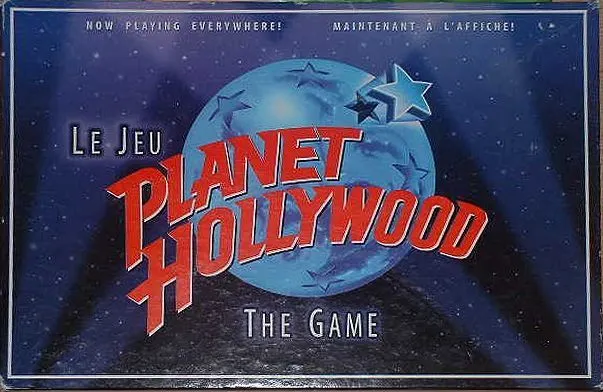
- BGG rank
- BGG #26,426
- BGG rating
- 5.5
Planet Hollywood: The Game
- 2–99 players
- 20 min
- Complexity 1.2/5
- 1997
2008
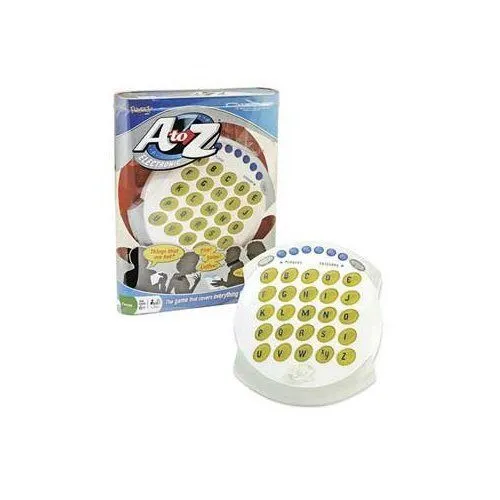
Rules assistance for A to Z Electronic
Plain-language explanations of turns, card effects and disputed situations, with official source references and saved question history.
What would you like to know?
Answers come from the official rulebook, with the page to check.
A to Z Electronic is a board game released in 2008 for 2–8 players and 15 minutes per game. Its main mechanics are Set Collection.

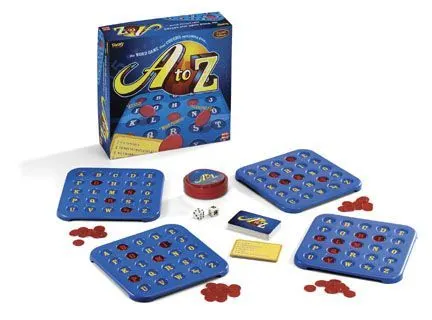
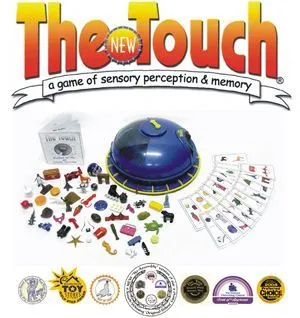


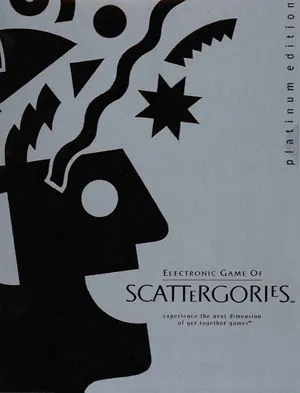
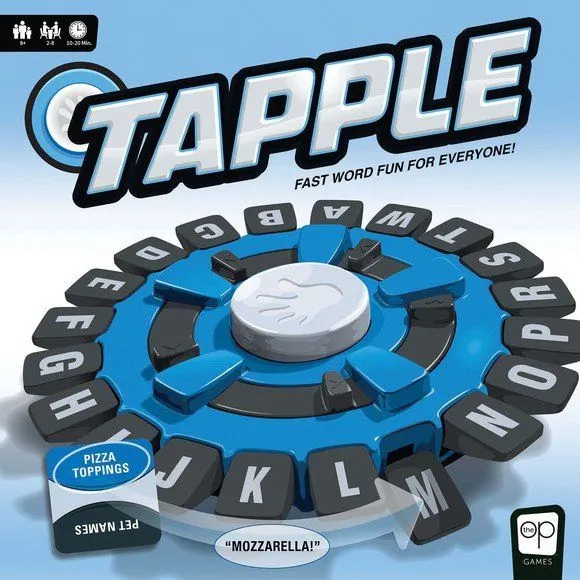


From a Major Fun review: Electronic version of A to Z . A to Z Electronic is attractive, engaging, and far more convenient than the old version. No chips to lose. No boards to keep track of. You don't even need to keep the box. The category cards fit nicely into a compartment on the back of the game. And everything else is integrated into the device. It is a more compelling version, but expect to spend some time figuring out the buttons and lights. But A to Z, in any form, is a wonderfully adaptable and fun game. Because there are so few components (the device and the cards) and so many lights, the electronic version most definitely adds to the attractiveness and the sheer delight of it all.
A to Z Electronic supports 2–8 players according to the catalogue. This range comes from the publisher’s listed player count, so the game can be set up for any group size within it. Some setups, rules and scoring details may still vary by player count, so check your edition’s rulebook for the exact configuration.
The listed playing time for A to Z Electronic is 15 minutes. This is the publisher’s estimate for a full game. The actual duration depends on the group, the player count and familiarity with the rules: first sessions usually run longer, while experienced groups often finish faster. Setup and teaching time are not included in this estimate.
A to Z Electronic belongs to these categories: Word Game, Party Game, and Electronic. Its main mechanics are Set Collection. Categories describe the theme and setting of a game, while mechanics describe what players actually do on their turns. Each mechanic links to a catalogue hub with similar games, which helps when you want something comparable.
The catalogue lists A to Z Electronic as a base game. It can be played on its own with the components in the box and does not require any other title. Expansions, if any exist, add new content or rules on top of it and are listed separately in the catalogue with a link back to this base game.