

- BGG rank
- BGG #5,606
- BGG rating
- 6.9
Living Planet
- 2–4 players
- 30–120 min
- Complexity 3.7/5
- 2019
2017
Rules assistance for Arboria
Plain-language explanations of turns, card effects and disputed situations, with official source references and saved question history.
What would you like to know?
Answers come from the official rulebook, with the page to check.
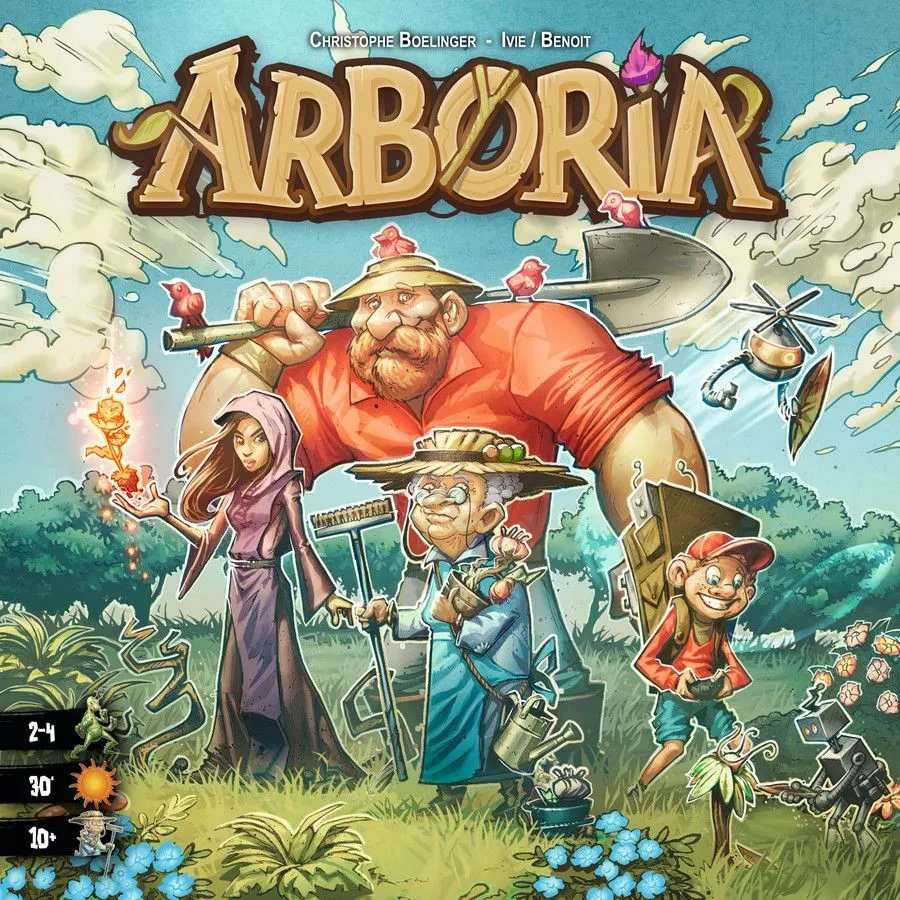
Arboria is a board game released in 2017 for 2–4 players, 30–60 minutes per game, and ages 10 and up. It was designed by Christophe Boelinger and its main mechanics are Tile Placement and Pattern Building.
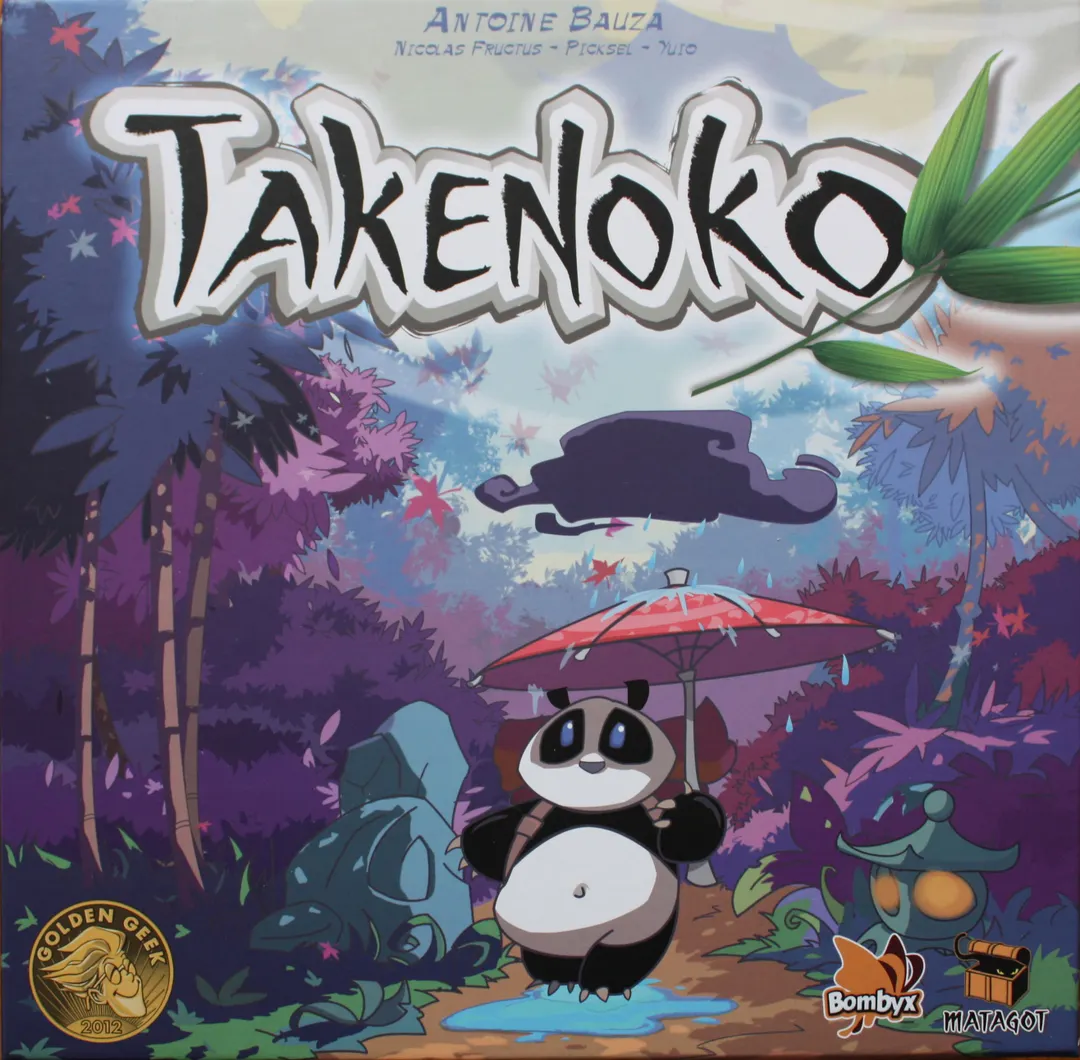


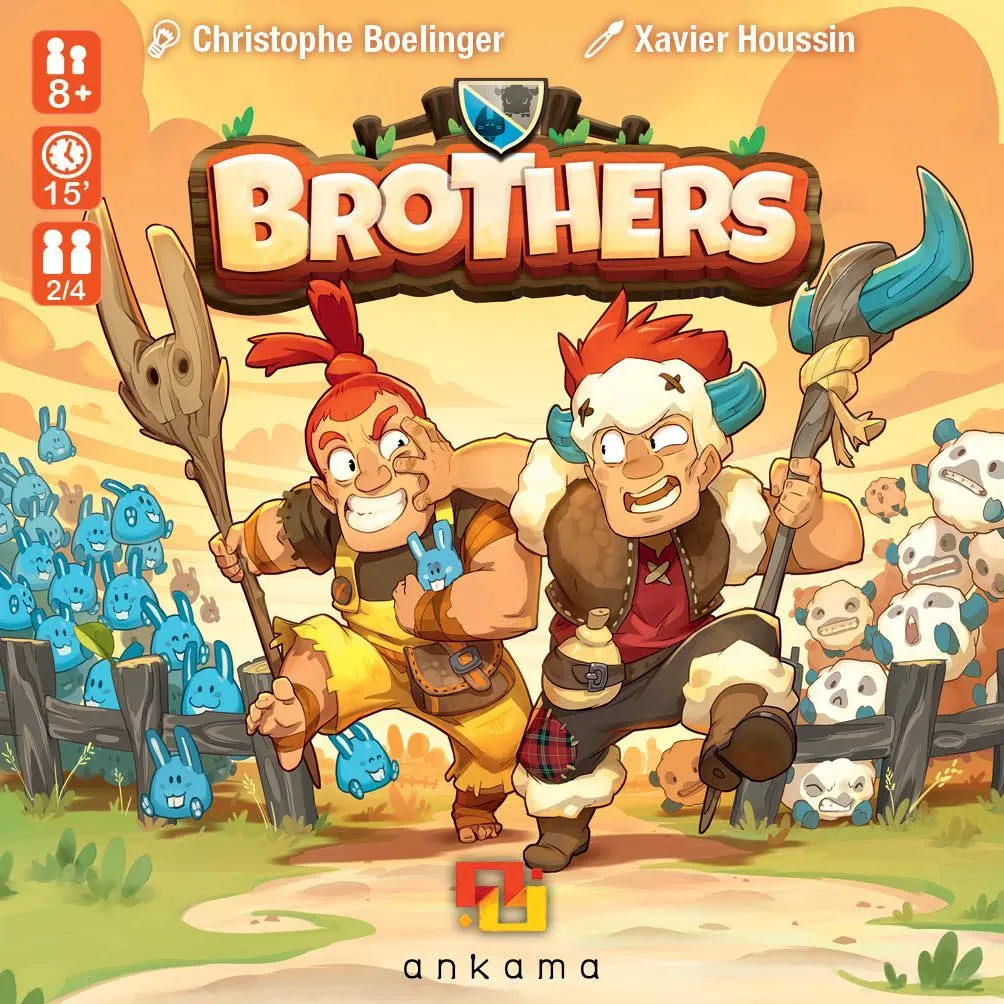

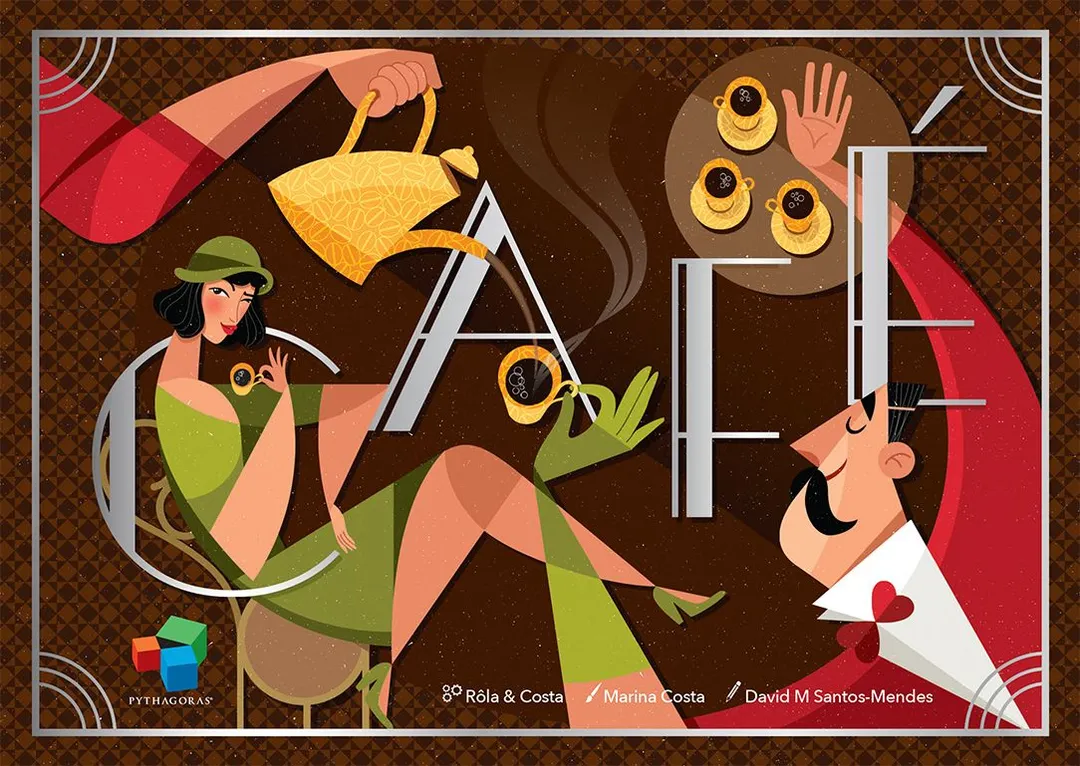

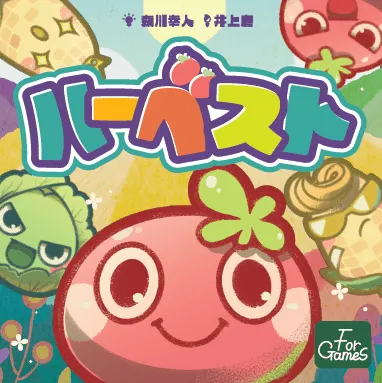
Your goal in Arboria is to get your favorite flowers noticed in this garden. You have to handle the sun, rain and wind. Put shadow on your opponents in order to overgrow their flowers and make yours the biggest and most beautiful ones. But be careful as your opponents have the same objective... In more detail, players play cards to grow flowers, move the sun, move the cloud, create rain, or destroy opponents' flowers. On your turn, play three cards from all available (yours and the unused ones from your preceding opponents). Once the sun has circled the board, the game is over. Points are allocated by multiplying the height of your biggest flowers by the number of same color flowers in a row. ••• Endossez le rôle d’un des quatre jardiniers les plus expérimentés d’ARBORIA Votre but est simple : faire ressortir votre espèce favorite au beau milieu de ce parterre de fleurs. Pour cela vous devrez composer avec le soleil, la pluie ou encore le vent. Faites de l’ombre à vos adversaires, afin que vos fleurs soient les plus grandes et majestueuses d’entre toutes ! Mais attention, vos adversaires pourraient bien venir contrecarrer vos plans… Stratégie, opportunisme et de bonnes mains vertes vous aideront à accomplir cette tâche. Alors qu’attendez-vous pour enfiler votre tablier de jardinier et venir contribuer à la croissance végétale sous le soleil d’Arboria ?
Arboria supports 2–4 players according to the catalogue. This range comes from the publisher’s listed player count, so the game can be set up for any group size within it. Some setups, rules and scoring details may still vary by player count, so check your edition’s rulebook for the exact configuration.
The listed playing time for Arboria is 30–60 minutes. This is the publisher’s estimate for a full game. The actual duration depends on the group, the player count and familiarity with the rules: first sessions usually run longer, while experienced groups often finish faster. Setup and teaching time are not included in this estimate.
The catalogue lists Arboria for ages 10 and up. This is the publisher’s recommendation and reflects reading demands, rule complexity and small components rather than theme alone. Younger players can often join with help from an adult, so check the age guidance on your edition and consider your group’s experience with board games.
Arboria has a complexity rating of 2.0 out of 5 from BoardGameGeek players, which makes it a medium-light game. The rating reflects how much rules knowledge, planning and decision-making a typical game demands. Expect a longer first teach for heavier games, and use a preparation guide before game night.
Arboria belongs to these categories: Farming and Environmental. Its main mechanics are Tile Placement and Pattern Building. Categories describe the theme and setting of a game, while mechanics describe what players actually do on their turns. Each mechanic links to a catalogue hub with similar games, which helps when you want something comparable.
The credited designers of Arboria are: Christophe Boelinger. These credits come from the published game data and name the people responsible for the game’s design, not its illustrators or publishers. Designer pages on MeepleRules collect other titles by the same designers, which helps when you enjoy a game and want to find similar ones.
The catalogue lists Arboria as a base game. It can be played on its own with the components in the box and does not require any other title. Expansions, if any exist, add new content or rules on top of it and are listed separately in the catalogue with a link back to this base game.