
- BGG rank
- BGG #9,104
- BGG rating
- 7.2
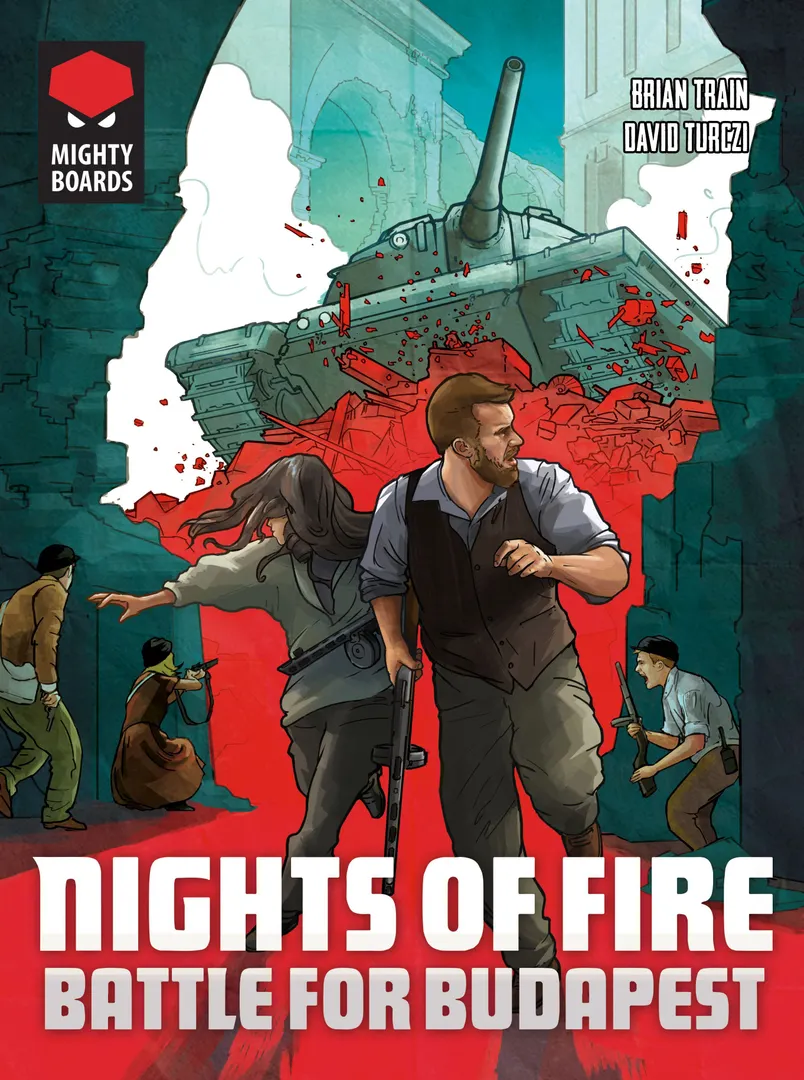
Nights of Fire: Battle for Budapest
- 1–3 players
- 60–90 min
- Complexity 3.1/5
- 2019
2022
Rules assistance for Assault on Gallipoli: The ANZAC Landing Campaign 1915
Plain-language explanations of turns, card effects and disputed situations, with official source references and saved question history.
For 1 player
What would you like to know?
Answers come from the official rulebook, with the page to check.
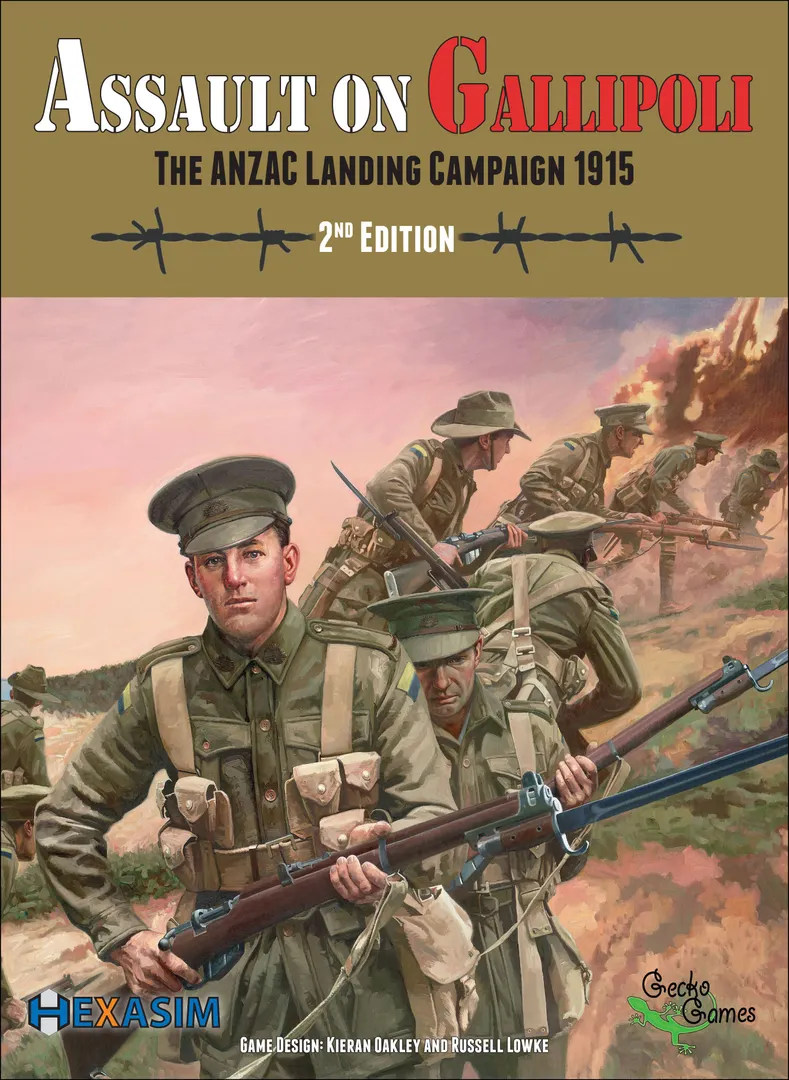
Assault on Gallipoli: The ANZAC Landing Campaign 1915 is a board game released in 2022 for 1–2 players, 120–300 minutes per game, and ages 14 and up. It was designed by Kieran Oakley and Russell Lowke and its main mechanics are Area Movement, Dice Rolling, and Variable Set-up.
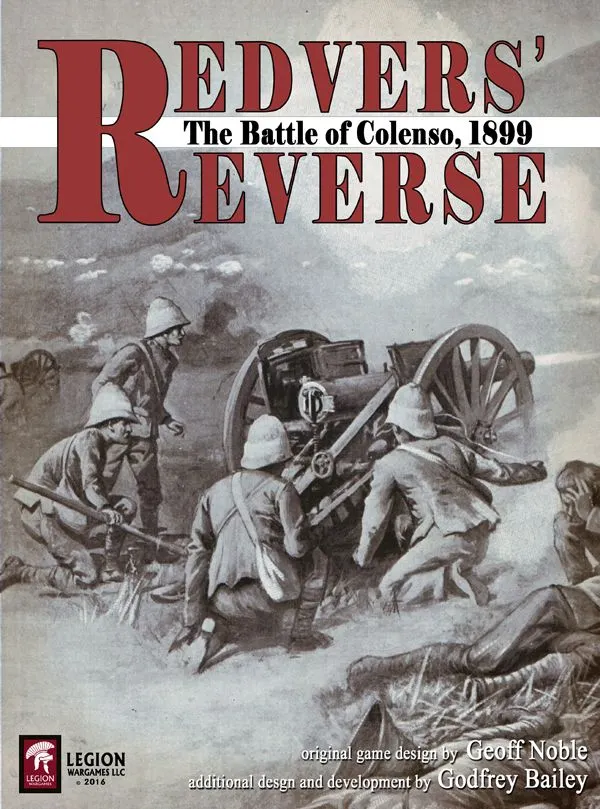





Assault on Gallipoli is a two-player strategic wargame that covers the key battles of the Gallipoli Campaign of 1915. The first edition of the game sold out in December 2022. A second edition was published by Hexasim in 2024. One player controls the Australian, New Zealand and British forces (ANZAC player) while the other controls the Ottoman forces (Turkish player). Each turn represents one day, units represent battalions, companies and individual ships. Players take it in turn activating groups of units in an area. Once they are activated to move, fire or dig a trench, the units are flipped over to their Exhausted side. At the beginning of each new turn they are flipped back to their Fresh side. Game design by Kieran Oakley and Russell Lowke. Game art by Jose Ramon Faura. Rules editor and TableTop Simulator module by Rolf Grein. HISTORICAL BACKGROUND After months of stalemate on the Western Front, the British and French decided they would open a second front by attacking Germany’s ally – the Ottoman Empire. In March 1915 they sent a fleet of battleships through the Dardanelles in an effort to reach the Turkish capitol, Constantinople, and force the Ottoman government to surrender. However, the Dardanelles were well defended by forts and sea mines and the Allied fleet suffered heavy losses. The naval campaign was abandoned until the forts could be captured by amphibious assault. The game focuses on the Australian and New Zealand Army Corps (ANZAC) sector of the campaign; thus, it does not cover the British and French landings at Cape Helles or Suvla Bay. The board presents one of the narrowest sections of the Gallipoli Peninsula, from ANZAC Cove to Mal Tepe and Khetia Bay. The ANZAC goal was to capture this area and cut off the Turkish forces fighting the British and French at Cape Helles further south. The heights of Chunuk Bair and Mal Tepe were considered especially important because they provided observation of both sides of the Peninsula. From here the ANZACs could capture the forts which dominated the Narrows and thus allow the battleships of the Royal Navy to sail up to Constantinople. At least that is what was supposed to happen. In fact, the British commanders had seriously under-estimated the Turkish resistance. The Turkish soldiers were veterans of the Balkan Wars, armed with modern, German-made rifles and artillery. Inspired by the leadership of Colonel Kemal and Lieutenant Colonel Sefik, they stopped the ANZACs in their tracks. The ANZACs only managed to establish a small beachhead, which was repeatedly counterattacked by the Turks. In August 1915, the British and ANZACs made another attempt to seize the ridges of Sari Bair. The New Zealanders and Gurkhas managed to capture the heights for two days but were eventually overwhelmed by Turkish counterattacks. In December, after eight months of fighting, the ANZAC forces were evacuated. In the words of Australian war correspondent, Charles Bean: “ANZAC stands for reckless valour in a good cause, for enterprise, resourcefulness, fidelity, comradeship and endurance that will never admit defeat.” So what went wrong? To quote the 'Gallipoli 1915' Facebook page: "At Gallipoli, inexperienced troops, led by untested commanders, supported by staffs that had yet to learn their jobs were sent with wholly inadequate artillery, ammunition and logistical support to perform one of the most challenging operations of war: an opposed landing on an enemy shore. Add in the nature of the terrain and we can begin to understand how it was that 4,000 Australians landing that early morning of 25th April 1915 were held up by a force that, initially, numbered only around 80 Turks." Lest we forget.
Assault on Gallipoli: The ANZAC Landing Campaign 1915 supports 1–2 players according to the catalogue. This range comes from the publisher’s listed player count, so the game can be set up for any group size within it. Some setups, rules and scoring details may still vary by player count, so check your edition’s rulebook for the exact configuration.
The listed playing time for Assault on Gallipoli: The ANZAC Landing Campaign 1915 is 120–300 minutes. This is the publisher’s estimate for a full game. The actual duration depends on the group, the player count and familiarity with the rules: first sessions usually run longer, while experienced groups often finish faster. Setup and teaching time are not included in this estimate.
The catalogue lists Assault on Gallipoli: The ANZAC Landing Campaign 1915 for ages 14 and up. This is the publisher’s recommendation and reflects reading demands, rule complexity and small components rather than theme alone. Younger players can often join with help from an adult, so check the age guidance on your edition and consider your group’s experience with board games.
Assault on Gallipoli: The ANZAC Landing Campaign 1915 has a complexity rating of 1.8 out of 5 from BoardGameGeek players, which makes it a light game. The rating reflects how much rules knowledge, planning and decision-making a typical game demands. Expect a longer first teach for heavier games, and use a preparation guide before game night.
Assault on Gallipoli: The ANZAC Landing Campaign 1915 belongs to these categories: Wargame and World War I. Its main mechanics are Area Movement, Dice Rolling, and Variable Set-up. Categories describe the theme and setting of a game, while mechanics describe what players actually do on their turns. Each mechanic links to a catalogue hub with similar games, which helps when you want something comparable.
The credited designers of Assault on Gallipoli: The ANZAC Landing Campaign 1915 are: Kieran Oakley and Russell Lowke. These credits come from the published game data and name the people responsible for the game’s design, not its illustrators or publishers. Designer pages on MeepleRules collect other titles by the same designers, which helps when you enjoy a game and want to find similar ones.
The catalogue lists Assault on Gallipoli: The ANZAC Landing Campaign 1915 as a base game. It can be played on its own with the components in the box and does not require any other title. Expansions, if any exist, add new content or rules on top of it and are listed separately in the catalogue with a link back to this base game.