
- BGG rating
- 7.1
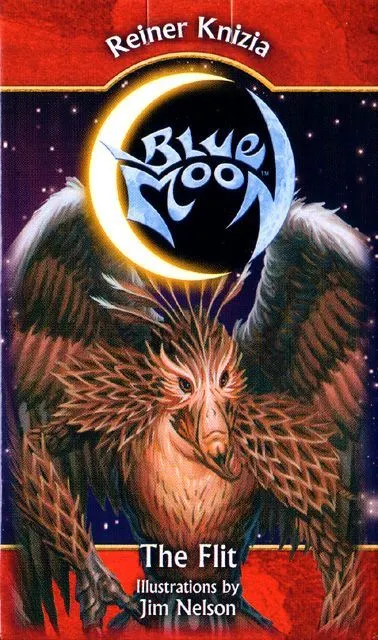
Blue Moon: The Flit
- 2 players
- 30 min
- Complexity 2.3/5
- 2004
2004
Rules assistance for Blue Moon
Plain-language explanations of turns, card effects and disputed situations, with official source references and saved question history.
For 2 players
What would you like to know?
Answers come from the official rulebook, with the page to check.
Blue Moon is a board game released in 2004 for 2 players, 30 minutes per game, and ages 12 and up. It was designed by Reiner Knizia and its main mechanics are Variable Player Powers, Hand Management, and Auction / Bidding.
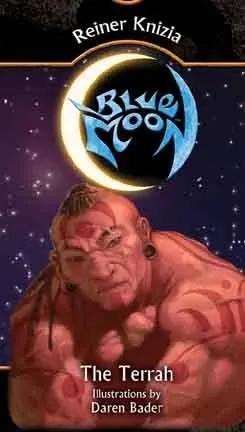
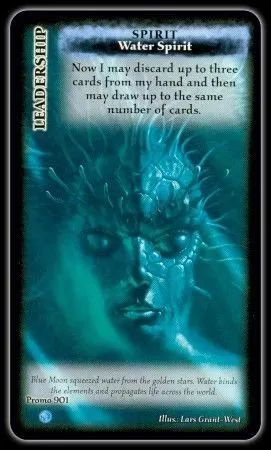
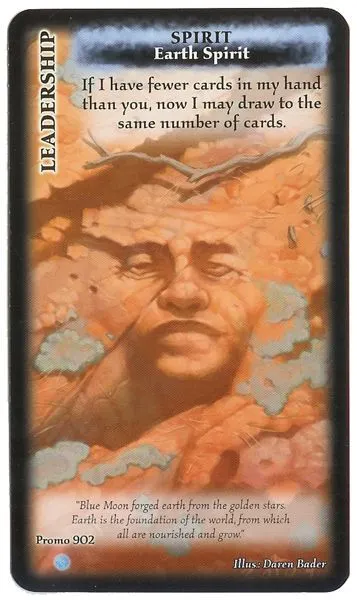
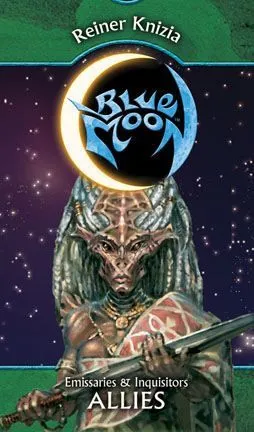
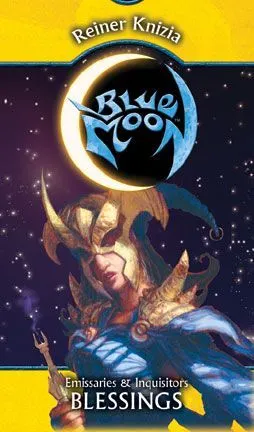
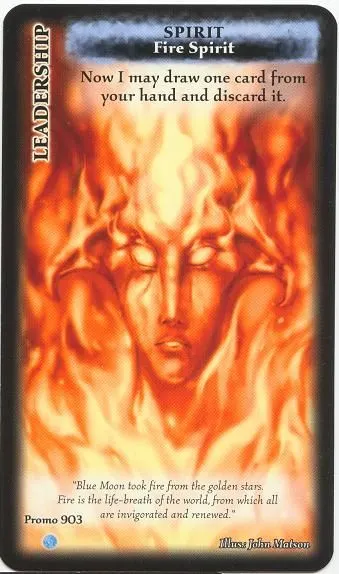
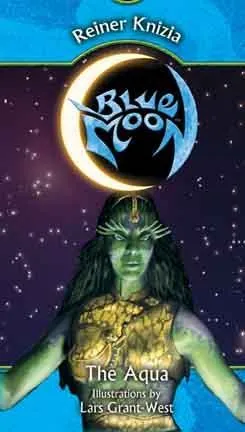
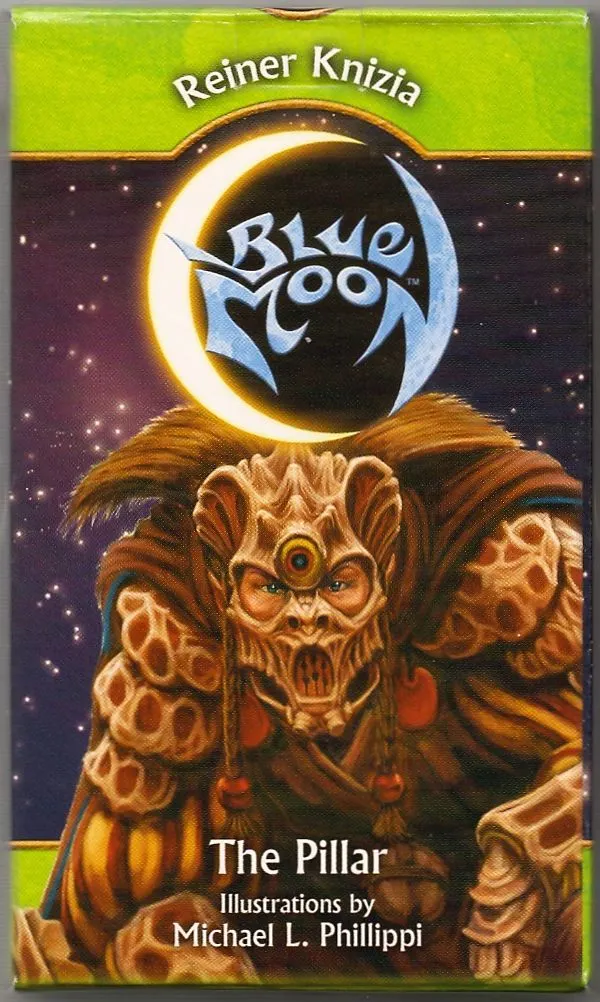
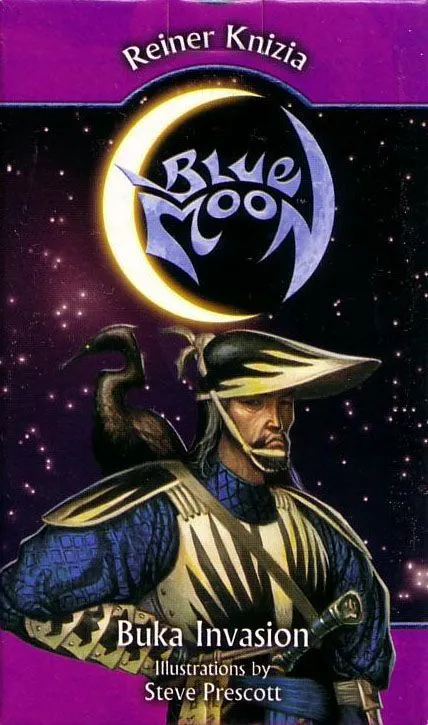
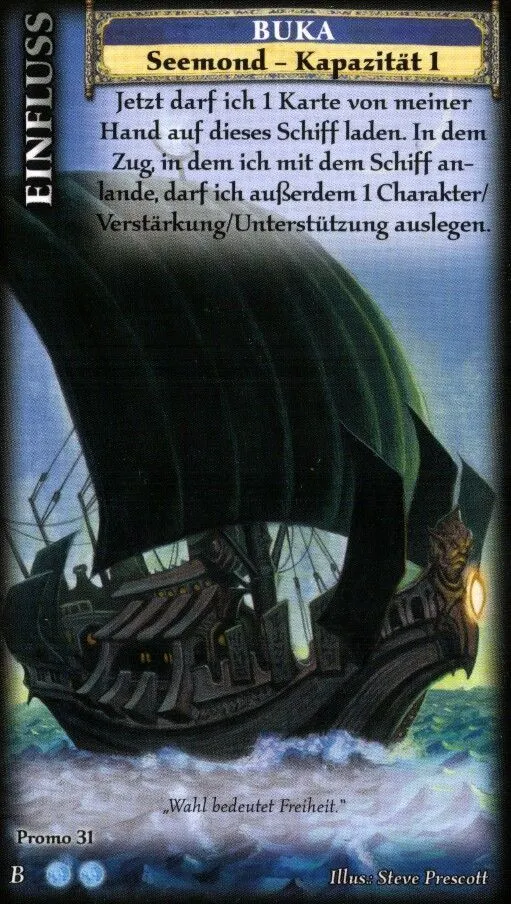
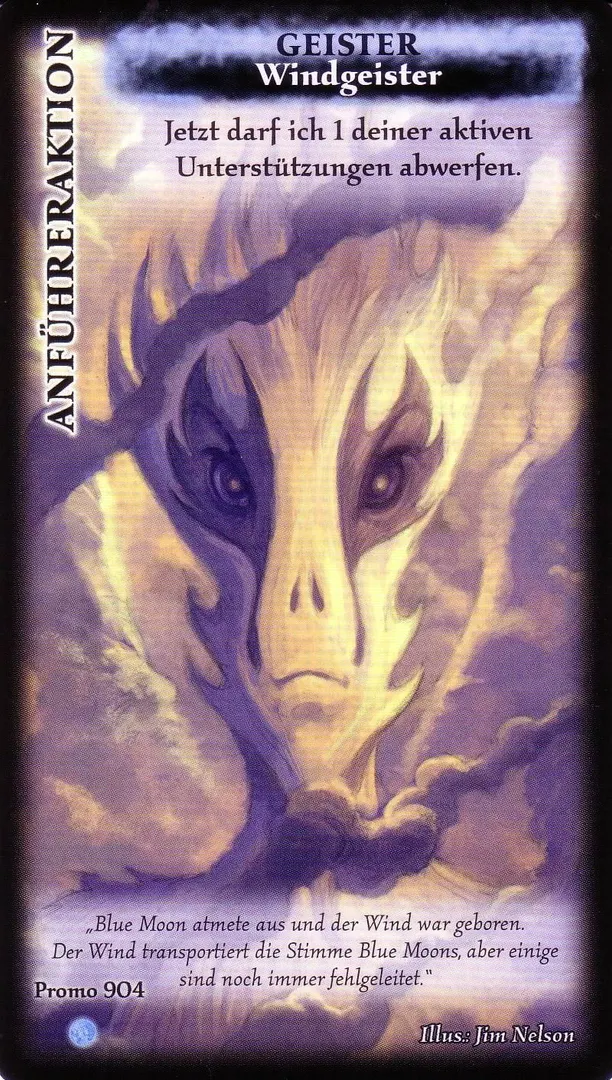
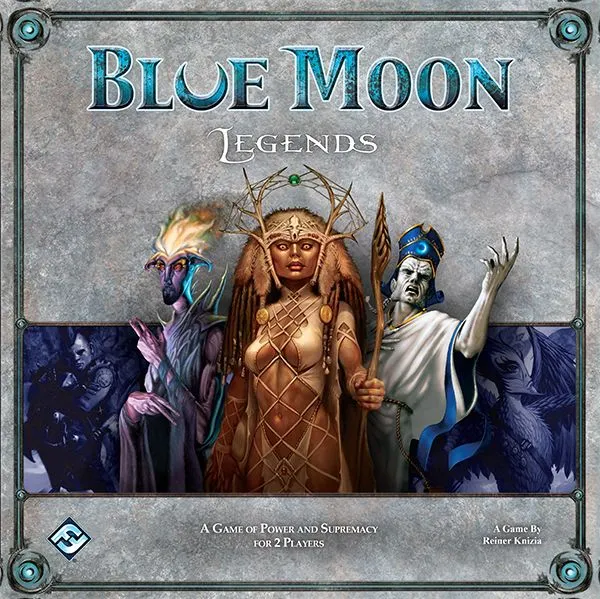

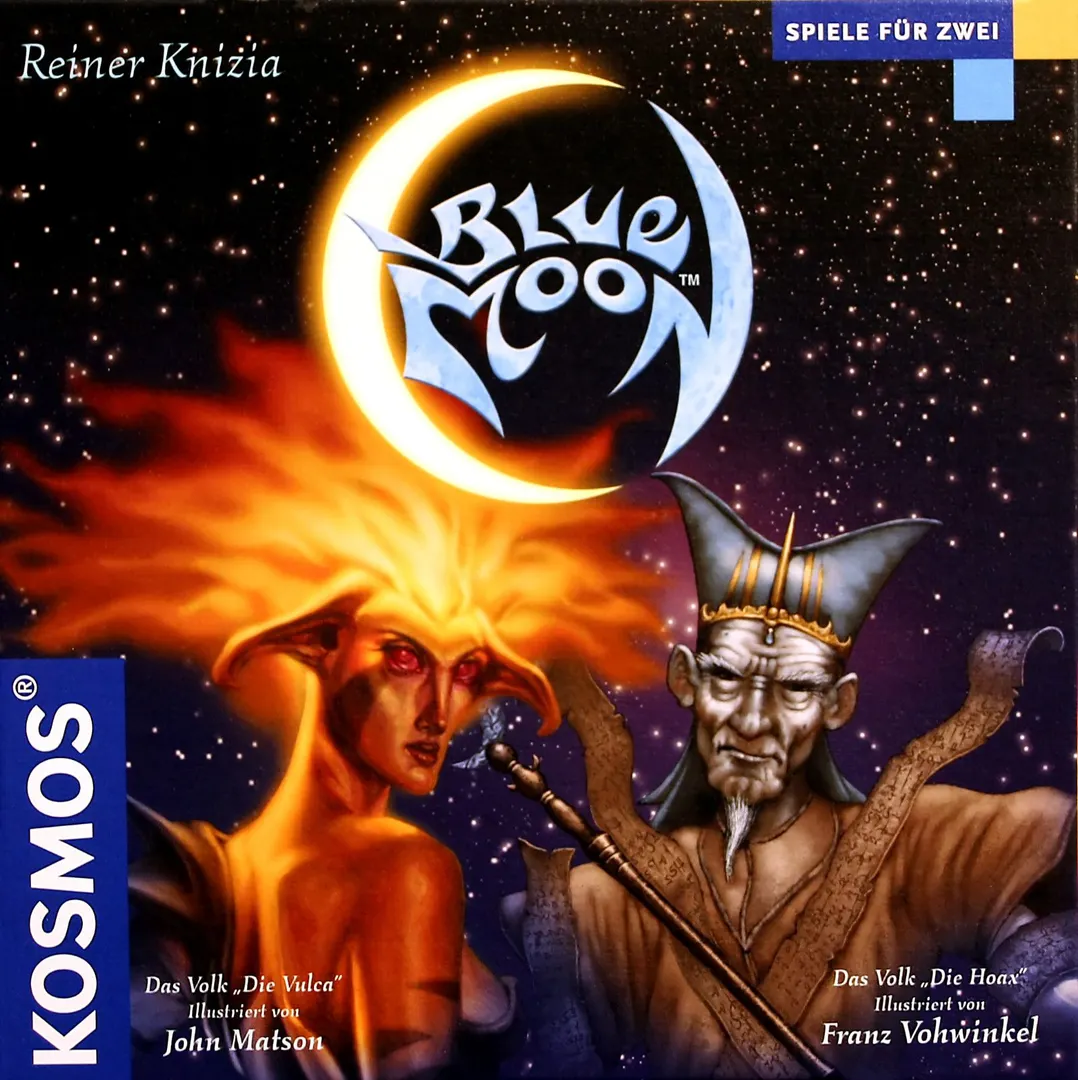
Blue Moon is a card game for two players, which has often been compared to Magic: The Gathering, although it has considerably different game mechanics. Particularly, it is not a CCG: There are no random cards in any expansion. It can thus be regarded as the first LCG, although it doesn't use that term yet. It is set in the fictional world of Blue Moon, where different peoples fight for dominance of the world and the favor of the Dragons. Each people has its own unique traits and gameplay mechanics, and is represented by a 30 card deck. The standard game box contains the 'Vulca' and the 'Hoax' decks, a small gameboard and three small plastic dragon miniatures, used as scoring counters in the game. Other decks can be bought separately as expansions with 31 or 30 cards each. Rules overview from the official rules: The game consists of independent consecutive fights. The starting player begins the first fight. Each fight is contested in one of two elements, either fire or earth, as announced by the starting player of the fight. During each fight, players take alternate turns to play their cards building up power in their combat and support areas. Basically, each turn the players play a character card and possibly some additional cards to at least match the total power of their opponent, who must then in turn match his opponent’s power, and so on. – If a player is unable to do this, he must retreat from the fight. A fight ends when one of the players retreats. The other player is the winner of the fight and attracts a number of dragons. Both players remove all their cards from their combat and support areas and place them onto their face up discard pile. The retreating player then starts the next fight. Usually, the game ends when one player runs out of cards and retreats from the last fight. Then the player with dragons on his side is the victor and scores some victory points (crystals). A player wins the game instantly if he has all three dragons on his side and then attracts further dragons. Description from the publisher. The world of Blue Moon is in chaos. Its god has abandoned it, and its people are in open war against each other, while the ruling power of three elemental dragons reigns above all! In this original 2-player game designed by Reiner Knizia, each player takes control over one of the Blue Moon peoples - the creative machinations of the Mimix, the fiery Vulca, the lofty Flit, and the clever Hoax - in their quest for dominance. The Blue Moon Legends basic set provides all the material needed to play, including details on the various peoples, a game board, full-color rules, and three plastic dragon figures. Expansion packs contain additional people cards. Blue Moon is part of the Kosmos two-player series.
Blue Moon supports 2 players according to the catalogue. This is the publisher’s listed player count, so the game is designed for exactly that number of participants. Variants for other group sizes, if any, are described in the rulebook of your edition, so check it before setting up a different configuration.
The listed playing time for Blue Moon is 30 minutes. This is the publisher’s estimate for a full game. The actual duration depends on the group, the player count and familiarity with the rules: first sessions usually run longer, while experienced groups often finish faster. Setup and teaching time are not included in this estimate.
The catalogue lists Blue Moon for ages 12 and up. This is the publisher’s recommendation and reflects reading demands, rule complexity and small components rather than theme alone. Younger players can often join with help from an adult, so check the age guidance on your edition and consider your group’s experience with board games.
Blue Moon has a complexity rating of 2.2 out of 5 from BoardGameGeek players, which makes it a medium-light game. The rating reflects how much rules knowledge, planning and decision-making a typical game demands. Expect a longer first teach for heavier games, and use a preparation guide before game night.
Blue Moon belongs to these categories: Card Game, Fantasy, and Fighting. Its main mechanics are Variable Player Powers, Hand Management, and Auction / Bidding. Categories describe the theme and setting of a game, while mechanics describe what players actually do on their turns. Each mechanic links to a catalogue hub with similar games, which helps when you want something comparable.
The credited designers of Blue Moon are: Reiner Knizia. These credits come from the published game data and name the people responsible for the game’s design, not its illustrators or publishers. Designer pages on MeepleRules collect other titles by the same designers, which helps when you enjoy a game and want to find similar ones.
The catalogue lists Blue Moon as a base game. It can be played on its own with the components in the box and does not require any other title. Expansions, if any exist, add new content or rules on top of it and are listed separately in the catalogue with a link back to this base game.