
- BGG rank
- BGG #9,394
- BGG rating
- 6.9
Texas Glory
- 2 players
- 120 min
- Complexity 2.5/5
- 2008
2012
Rules assistance for Borodino: Napoleon in Russia, 1812
Plain-language explanations of turns, card effects and disputed situations, with official source references and saved question history.
For 2 players
What would you like to know?
Answers come from the official rulebook, with the page to check.
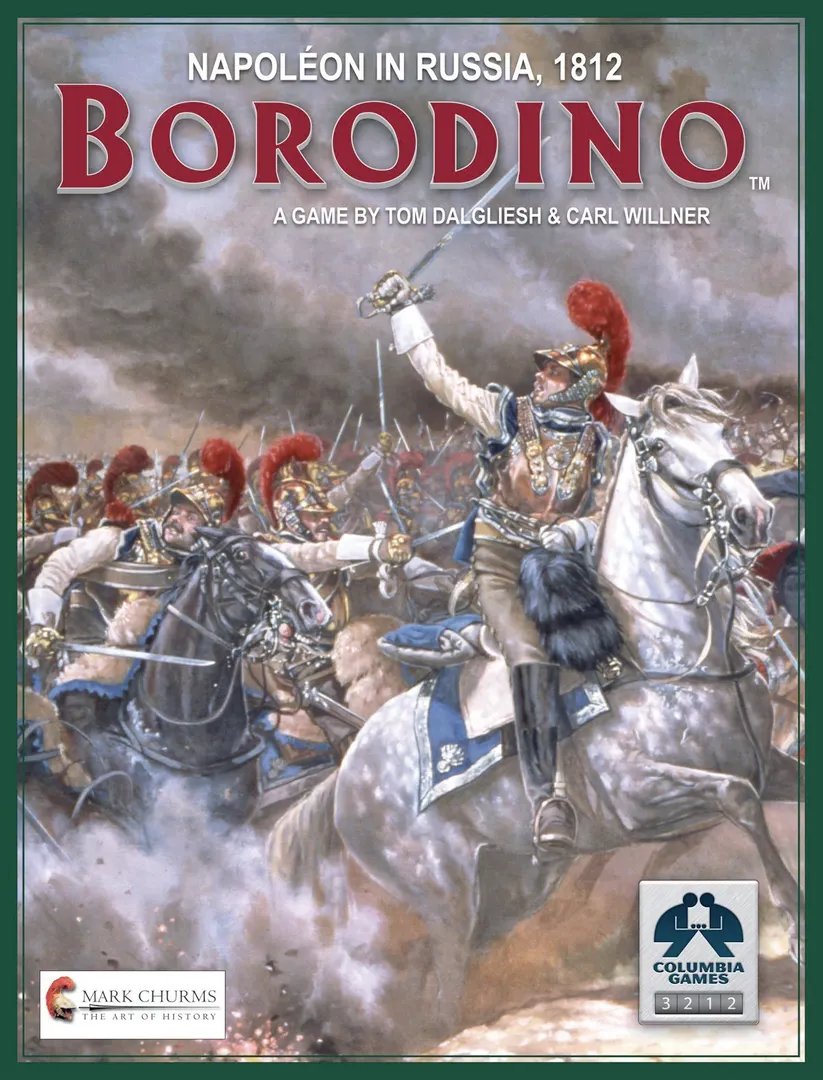
Borodino: Napoleon in Russia, 1812 is a board game released in 2012 for 2 players and 210 minutes per game. It was designed by Tom Dalgliesh and Carl Willner and its main mechanics are Area Movement, Dice Rolling, and Area-Impulse.
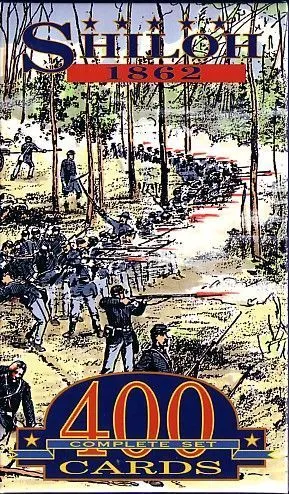
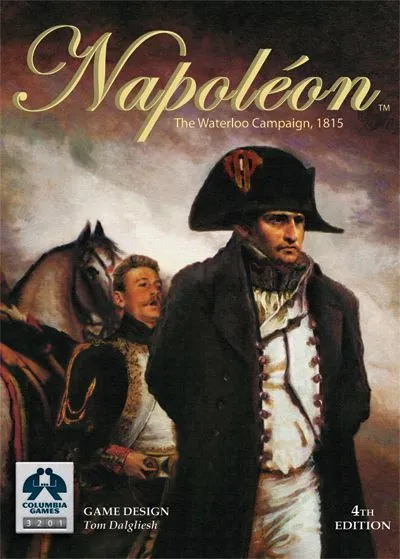
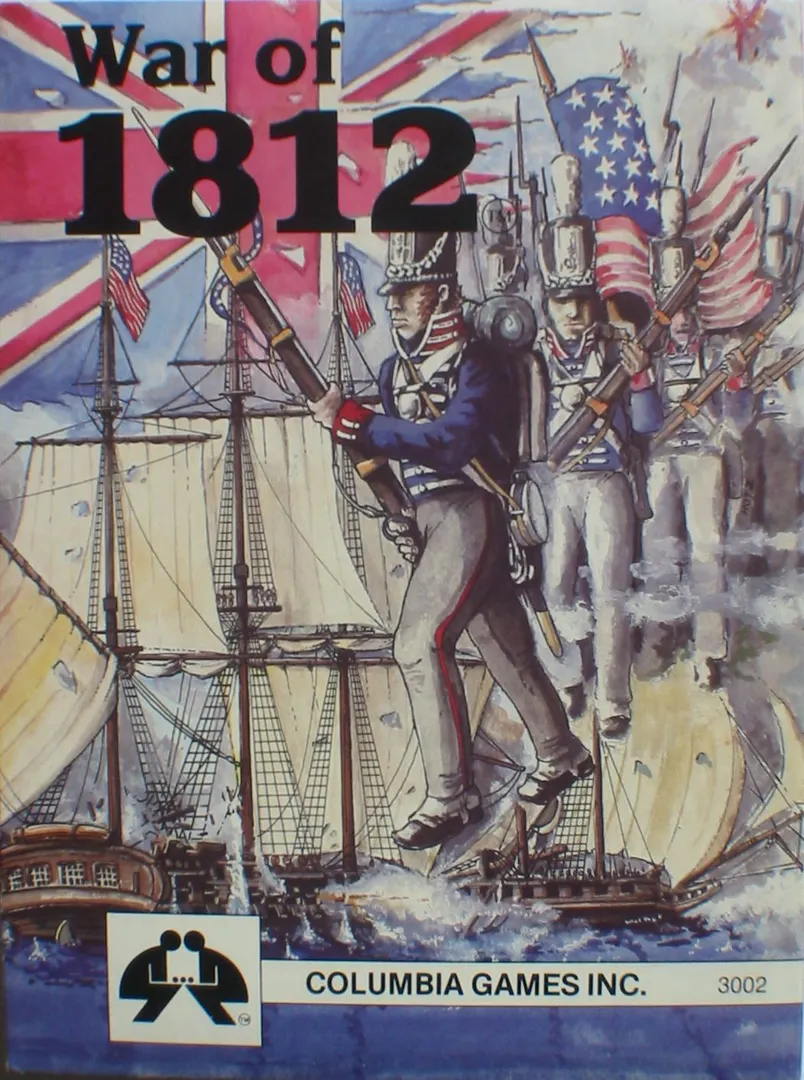
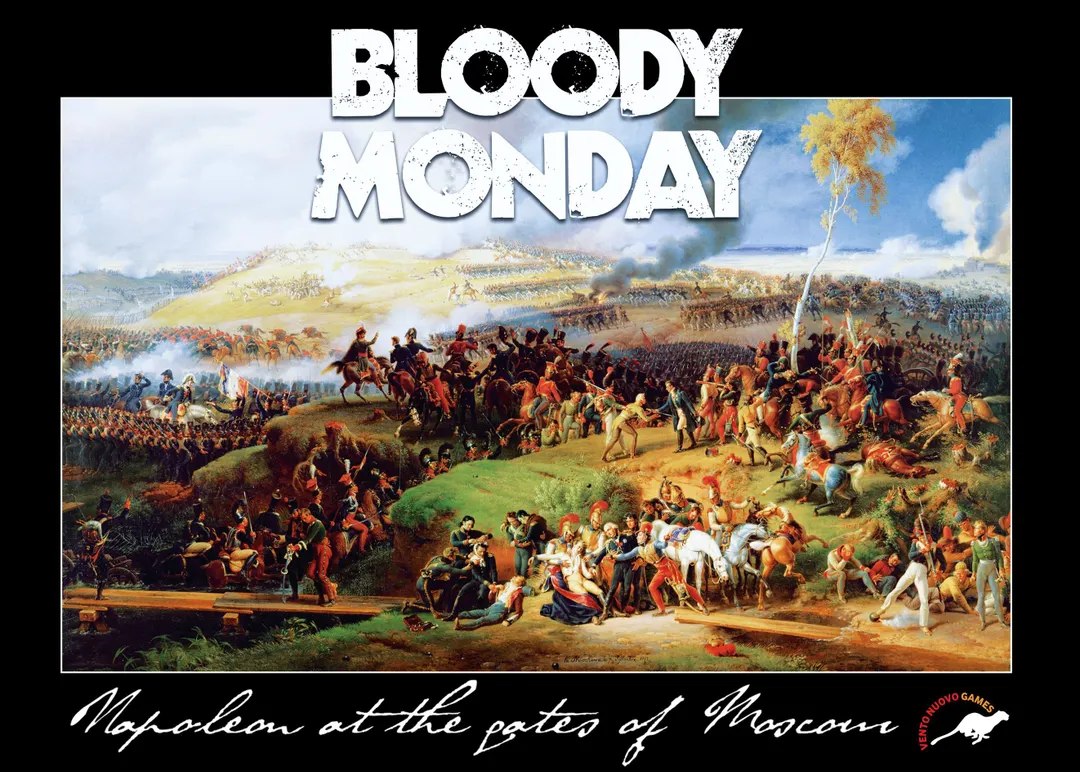
Summary from Columbia Games website: "Borodino was fought between the Army of Imperial Russia and Napoleon's Grand Armee on September 7 1812. The battle ended with a French victory, but strategic defeat. Losses were terrible on both sides, but the Russians could replace theirs. One week after the battle Napoleon occupied an undefended Moscow, hoping to impose a peace, but after four weeks was forced to retreat home with calamitous results. The historical battle involved wave after wave of frontal attacks by both sides, focusing on the Russian redoubts. However, the game will show all the options available to Napoleon and Kutuzov, including some not attempted historically. The French player has several possible lines of attack and the Russian player must try to anticipate and counter them all. The tactical interaction of Napoleonic infantry, cavalry and artillery is also emphasized, including cavalry charges and squares. This makes for exciting and tense gaming. Movement and combat are resolved within areas. The game plays using the fast-paced Move-Move-Battle sequence seen in Hammer of the Scots and Shiloh. There are no cards involved; players activate leaders to command brigades of the same division of the same corps. Game time is 3-4 hours." Note: This game should not be confused with Borodino 1812 or Borodino 1812 or any other similarly-named games.
Borodino: Napoleon in Russia, 1812 supports 2 players according to the catalogue. This is the publisher’s listed player count, so the game is designed for exactly that number of participants. Variants for other group sizes, if any, are described in the rulebook of your edition, so check it before setting up a different configuration.
The listed playing time for Borodino: Napoleon in Russia, 1812 is 210 minutes. This is the publisher’s estimate for a full game. The actual duration depends on the group, the player count and familiarity with the rules: first sessions usually run longer, while experienced groups often finish faster. Setup and teaching time are not included in this estimate.
Borodino: Napoleon in Russia, 1812 has a complexity rating of 2.3 out of 5 from BoardGameGeek players, which makes it a medium-light game. The rating reflects how much rules knowledge, planning and decision-making a typical game demands. Expect a longer first teach for heavier games, and use a preparation guide before game night.
Borodino: Napoleon in Russia, 1812 belongs to these categories: Wargame and Napoleonic. Its main mechanics are Area Movement, Dice Rolling, and Area-Impulse. Categories describe the theme and setting of a game, while mechanics describe what players actually do on their turns. Each mechanic links to a catalogue hub with similar games, which helps when you want something comparable.
The credited designers of Borodino: Napoleon in Russia, 1812 are: Tom Dalgliesh and Carl Willner. These credits come from the published game data and name the people responsible for the game’s design, not its illustrators or publishers. Designer pages on MeepleRules collect other titles by the same designers, which helps when you enjoy a game and want to find similar ones.
The catalogue lists Borodino: Napoleon in Russia, 1812 as a base game. It can be played on its own with the components in the box and does not require any other title. Expansions, if any exist, add new content or rules on top of it and are listed separately in the catalogue with a link back to this base game.