
- BGG rank
- BGG #8,816
- BGG rating
- 7.1
Not War But Murder
- 2 players
- 240 min
- Complexity 2.8/5
- 2007
2011
Rules assistance for Breakthrough: Cambrai
Plain-language explanations of turns, card effects and disputed situations, with official source references and saved question history.
For 2 players
What would you like to know?
Answers come from the official rulebook, with the page to check.
Breakthrough: Cambrai is a board game released in 2011 for 2 players and 180 minutes per game. It was designed by Michael Rinella and its main mechanics are Area-Impulse.
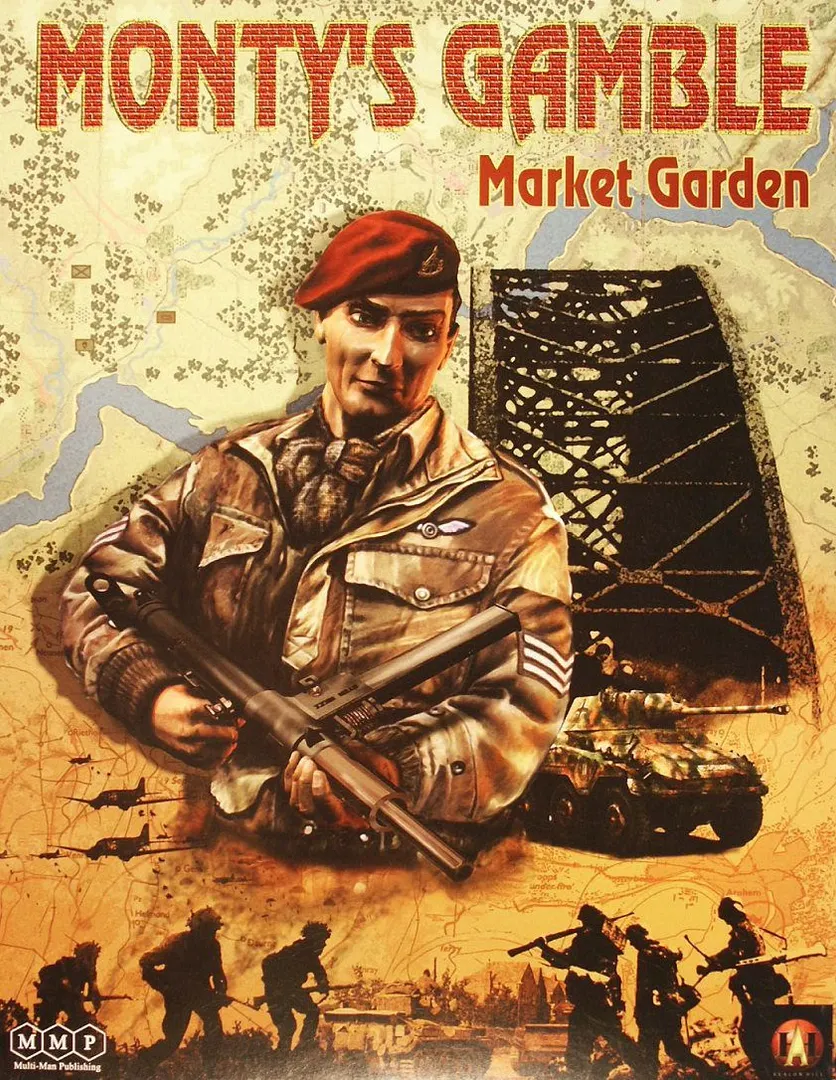

Breakthrough: Cambrai, On November 20, 1917, 324 British tanks, followed by 8 infantry divisions, advanced on a front of 10,000 yards against the German lines near Cambrai, in Flanders. A combined-arms assault, plus the use of new artillery techniques, initially smashed the German trench line. In several places, the attackers suffered almost no casualties and, by the end of the day, recorded gains of three to four miles. Would it be possible, this time, to break through to the “green fields beyond”? British euphoria over the success of the offensive was dampered only by the loss of 47% of their tanks on the first day. A two player game simulating the British assault to breach the “Hindenburg Line” between November 20 and December 3, 1917. One player controls the British forces, the other the German forces. The object of the game is to control a certain number of areas on the map or, for the British, to exit units off the map into certain perimeter zones. An area-movement game which uses impulse mechanics (where players alternate "mini-turns") similar to popular games like Breakout: Normandy and Monty's Gamble: Market Garden. The impulse nature of the game means little or no down time for each player while waiting for the other to complete a move or attack. Game Scale: Game Turn: 1 day broken down into 4 phases and impulses Area: 1 inch equals 1/6 mile / 268 meters Units: Battalion to Brigades Game Inventory: One 22 x 34" full color map Two dual-side printed countersheets (240 5/8" counters) One 16-page Breakthrough: Cambrai rulebook One 12-page Breakthrough: Cambrai playbook Six single-side printed Player Aid Cards Four 6-sided dice Solitaire Playability: Medium Complexity Level: Medium Players: 2 or more Playing Time: 4-15
Breakthrough: Cambrai supports 2 players according to the catalogue. This is the publisher’s listed player count, so the game is designed for exactly that number of participants. Variants for other group sizes, if any, are described in the rulebook of your edition, so check it before setting up a different configuration.
The listed playing time for Breakthrough: Cambrai is 180 minutes. This is the publisher’s estimate for a full game. The actual duration depends on the group, the player count and familiarity with the rules: first sessions usually run longer, while experienced groups often finish faster. Setup and teaching time are not included in this estimate.
Breakthrough: Cambrai has a complexity rating of 2.7 out of 5 from BoardGameGeek players, which makes it a medium-light game. The rating reflects how much rules knowledge, planning and decision-making a typical game demands. Expect a longer first teach for heavier games, and use a preparation guide before game night.
Breakthrough: Cambrai belongs to these categories: Wargame and World War I. Its main mechanics are Area-Impulse. Categories describe the theme and setting of a game, while mechanics describe what players actually do on their turns. Each mechanic links to a catalogue hub with similar games, which helps when you want something comparable.
The credited designers of Breakthrough: Cambrai are: Michael Rinella. These credits come from the published game data and name the people responsible for the game’s design, not its illustrators or publishers. Designer pages on MeepleRules collect other titles by the same designers, which helps when you enjoy a game and want to find similar ones.
The catalogue lists Breakthrough: Cambrai as a base game. It can be played on its own with the components in the box and does not require any other title. Expansions, if any exist, add new content or rules on top of it and are listed separately in the catalogue with a link back to this base game.