
- BGG rating
- 7.0
Catan: 5-6 Player Expansion
5–6 players120 min1996
Complexity 2.3/5
1995
Rules assistance for Catan
Plain-language explanations of turns, card effects and disputed situations, with official source references and saved question history.
What would you like to know?
Answers come from the official rulebook, with the page to check.
Reach 10 or more victory points during your turn to win immediately.
About 8 min · 8 steps
Step 1 of 8
Nobody gets resources. Players with more than seven resource cards discard half, rounded down; the roller moves the robber and steals one random resource from a player with a building there.
No. Other players may trade only with the active player, not with each other or the supply.
On an empty intersection connected to your road and at least two edges from every other building.
Not during that turn, except Victory Point cards, which may be revealed that turn to show a win.
Two matching resources from each adjacent producing hex.
Have a settlement or city at that harbor. A 3:1 harbor accepts three matching resources; a 2:1 harbor accepts two of its named resource.
An opponent’s settlement or city interrupts the route. Branches do not count toward its length.
Catan is a board game released in 1995 for 3–4 players, 60–120 minutes per game, and ages 10 and up. It was designed by Klaus Teuber and its main mechanics are Trading, Modular Board, and Hexagon Grid. MeepleRules offers a rules assistant for Catan that explains turns, card effects and disputed situations in plain language.
5–6 players120 min1996

3–4 players90 min1997
3–4 players90–150 min1998

3–4 players90 min1998

5–6 players120 min1999
5–6 players120 min2000
2–6 players60 min2000
4–6 players90 min2001
3–4 players60 min2004

3–6 players90 min2005
3–6 players90 min2005

3–4 players90 min2005
3–4 players120 min1999
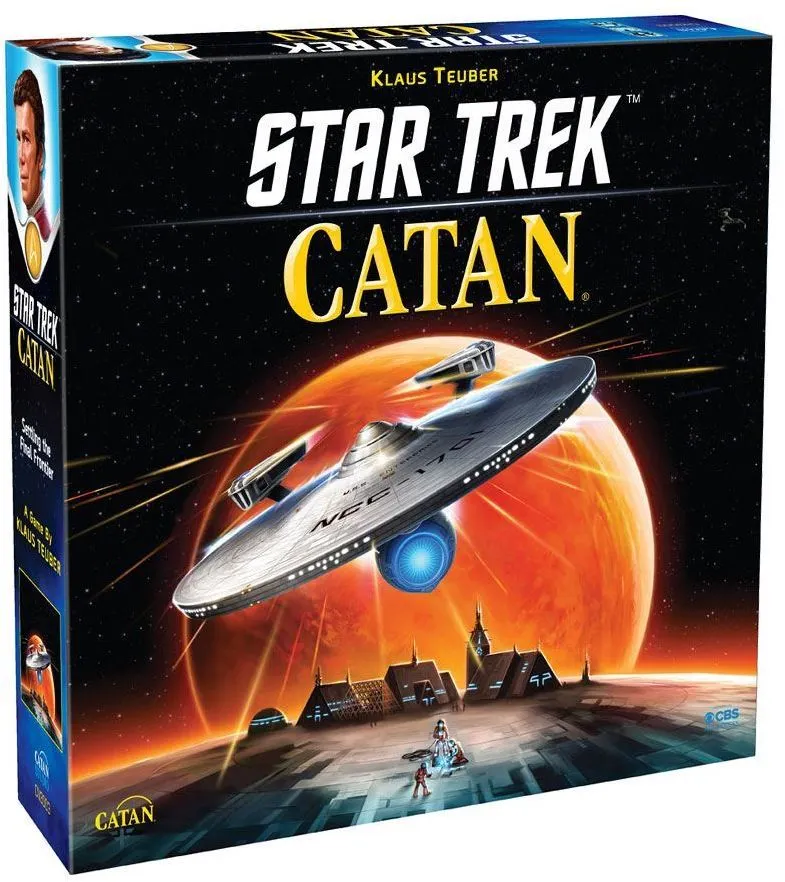
3–4 players75 min2012

3–4 players120 min2019
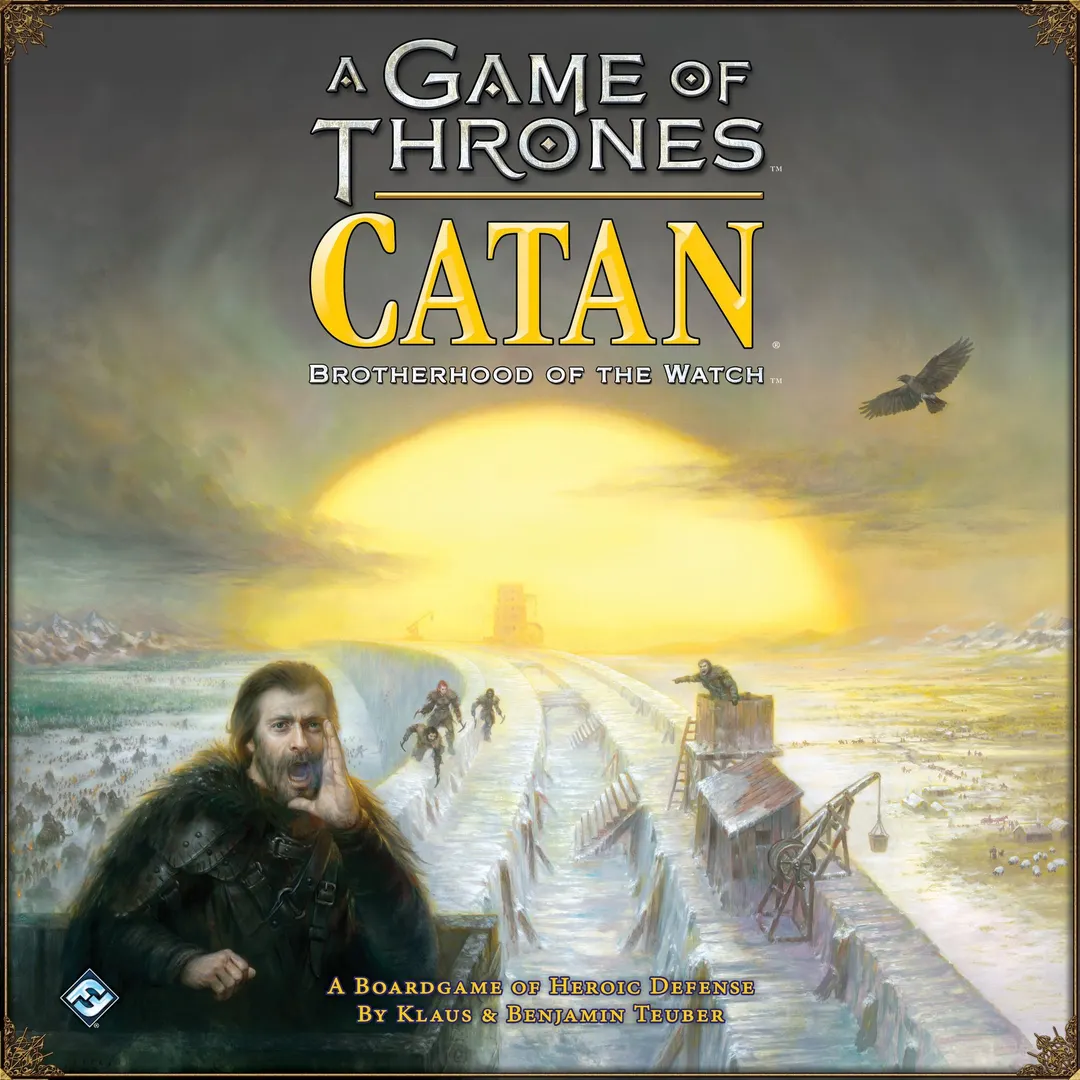
3–4 players60–75 min2017

3–4 players120 min2010

3–4 players90–120 min2002
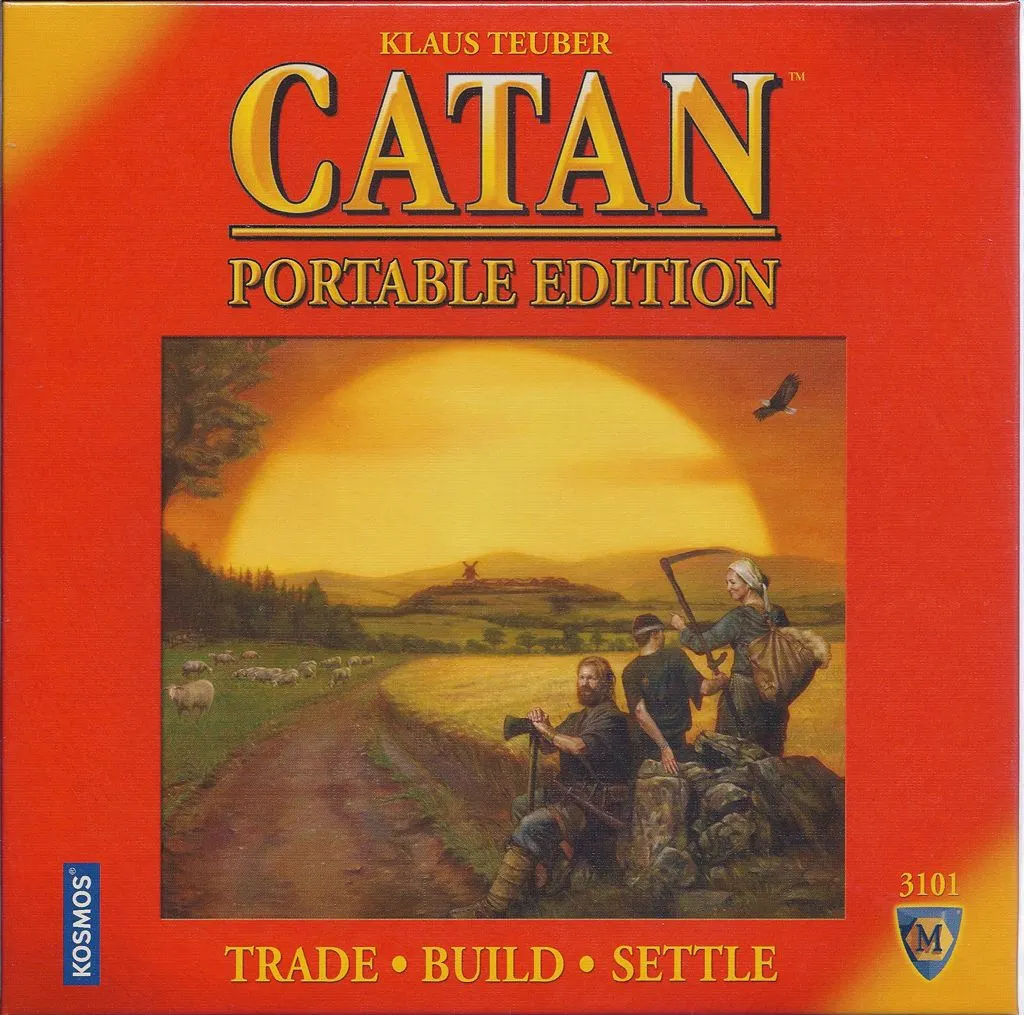
3–4 players90 min2002
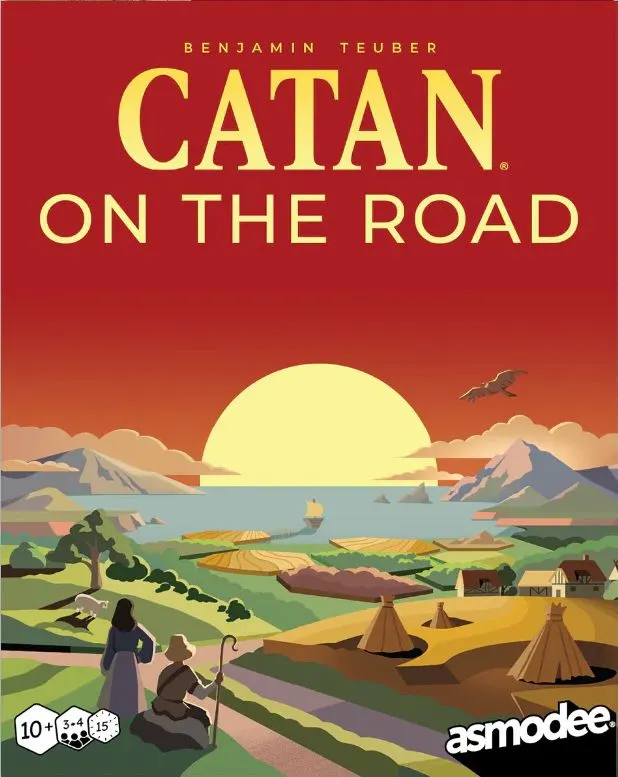
3–4 players15–30 min2026

3–4 players90 min1999
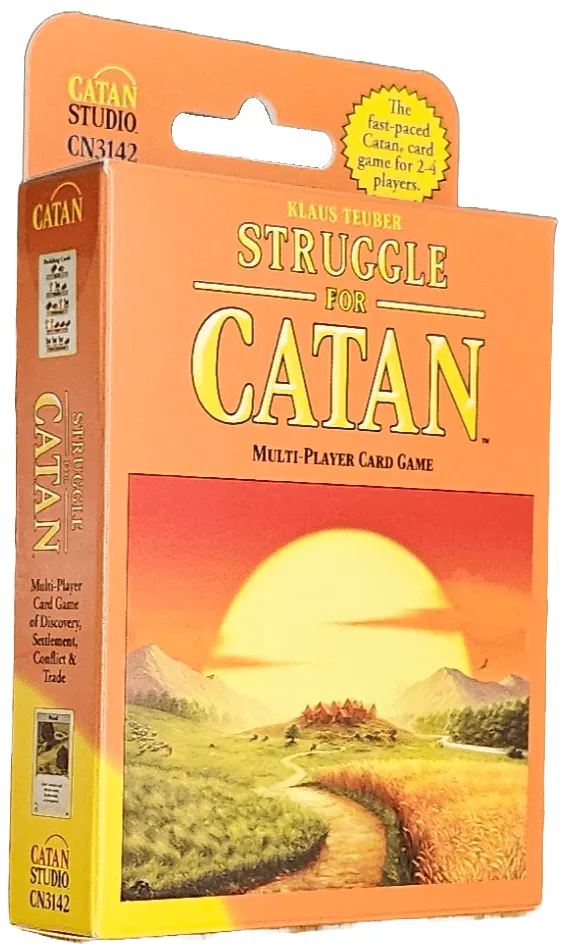
2–4 players30 min2011

2–4 players60 min2002
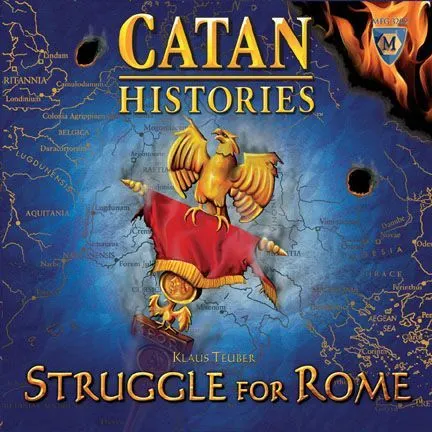
3–4 players120 min2006

2 players1475

2–4 players30 min2000
2–8 players15 min2009

1–8 players15 min2006

2–4 players90 min1948

4–10 players20 min1989

2 players45–60 min2010

2 players60–120 min1996

2 players60 min2001
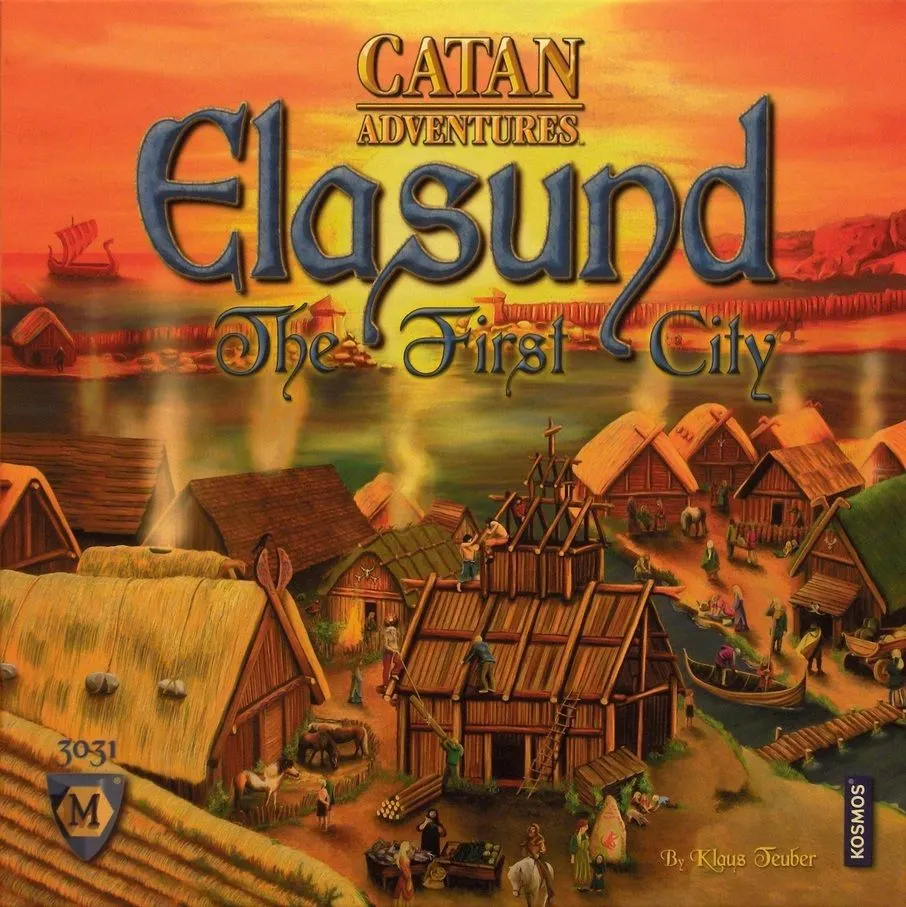
2–4 players60–90 min2005

2–4 players30 min2012

2–4 players30 min2014

4–6 players30 min2025
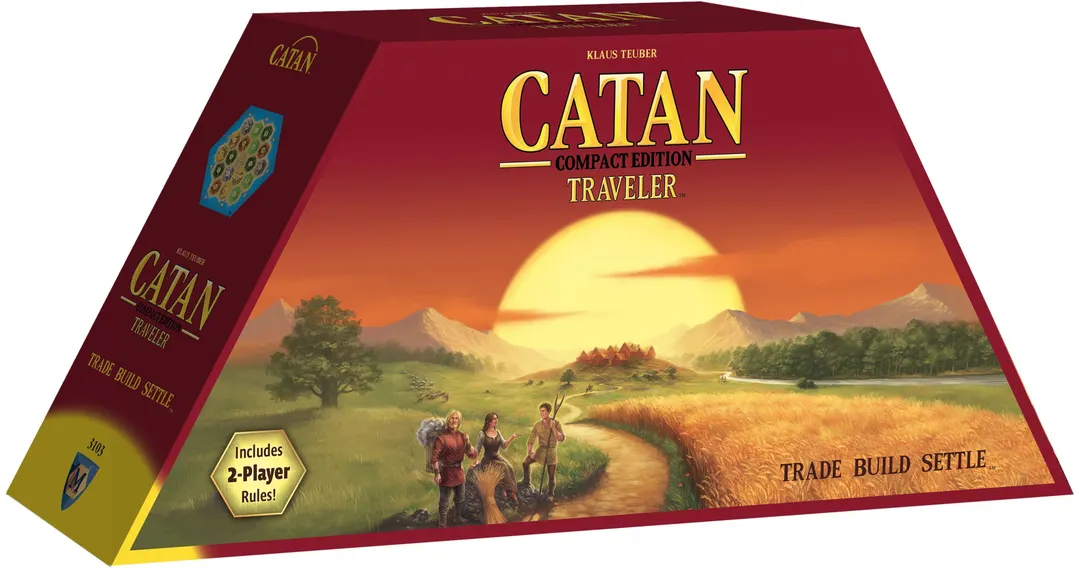
2–4 players75 min2015

2–4 players60–120 min2024
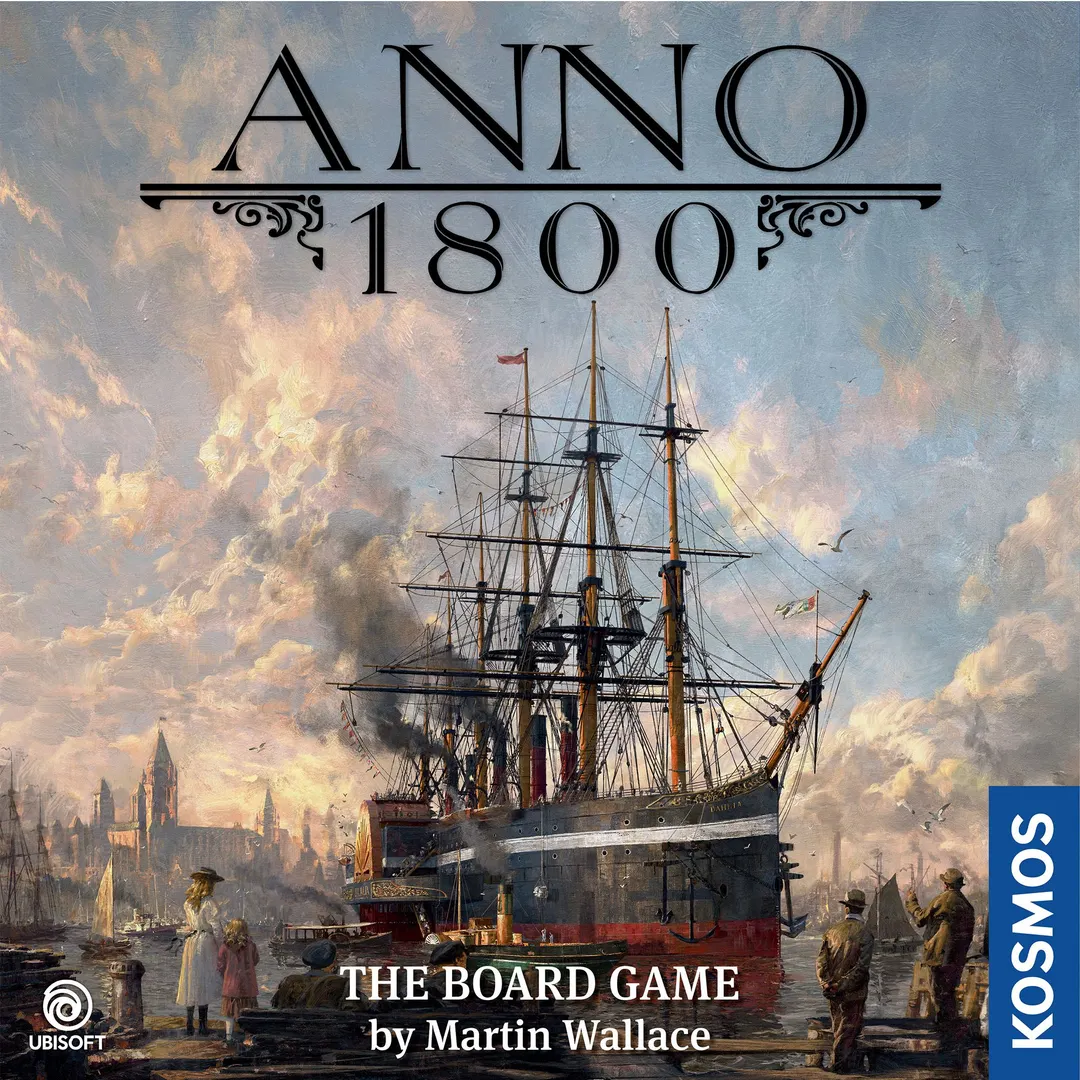
2–4 players120 min2020
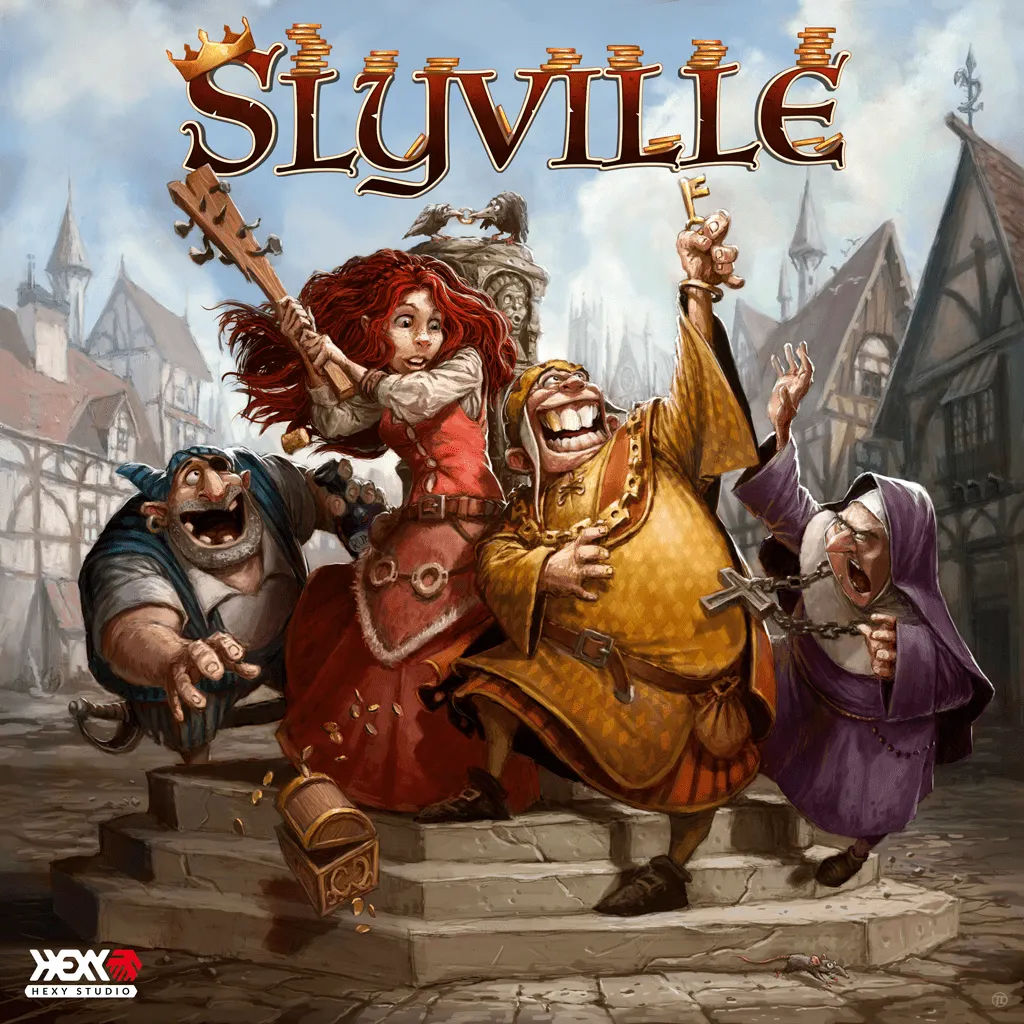
3–5 players45–60 min2019

2–4 players60–180 min2025

3–4 players60 min2008

3–4 players60–90 min2012

2–4 players30 min2006
In CATAN (formerly The Settlers of Catan), players try to be the dominant force on the island of Catan by building settlements, cities and roads. On each turn dice are rolled to determine which resources the island produces. Players build structures by 'spending' resources (sheep, wheat, wood, brick and ore) which are represented by the relevant resource cards; each land type, with the exception of the unproductive desert, produces a specific resource: hills produce brick, forests produce wood, mountains produce ore, fields produce wheat, and pastures produce sheep. Set-up includes randomly placing large hexagonal tiles (each depicting one of the five resource-producing terrain types--or the desert) in a honeycomb shape and surrounding them with water tiles, some of which contain ports of exchange. A number disk, the value of which will correspond to the roll of two 6-sided dice, are placed on each terrain tile. Each player is given two settlements (think: houses) and roads (sticks) which are placed on intersections and borders of the terrain tiles. Players collect a hand of resource cards based on which terrain tiles their last-placed settlement is adjacent to. A robber pawn is placed on the desert tile. A turn consists of rolling the dice, collecting resource cards based on this dice roll and the position of settlements (or upgraded cities—think: hotels), turning in resource cards (if possible and desired) for improvements, trading cards at a port, possibly playing a development card, or trading resource cards with other players. If the dice roll is a 7, the active player moves the robber to a new terrain tile and steals a resource card from another player who has a settlement adjacent to that tile. Points are accumulated by building settlements and cities, having the longest road or the largest army (from some of the development cards), and gathering certain development cards that simply award victory points. When a player has gathered 10 points (some of which may be held in secret), s/he announces this and claims the win.
Measured on: Mayfair English 3rd (2003), 4th (2007) 5th (2015), and 6th (2016) eds
Use the rules assistant for Catan to describe a turn, card effect or disputed situation. Get a plain-language explanation with official source references, then return to the question in your saved history. Select your edition when available so the sources match your game.
Ask about the rulesCatan supports 3–4 players according to the catalogue. This range comes from the publisher’s listed player count, so the game can be set up for any group size within it. Some setups, rules and scoring details may still vary by player count, so check your edition’s rulebook for the exact configuration.
The listed playing time for Catan is 60–120 minutes. This is the publisher’s estimate for a full game. The actual duration depends on the group, the player count and familiarity with the rules: first sessions usually run longer, while experienced groups often finish faster. Setup and teaching time are not included in this estimate.
The catalogue lists Catan for ages 10 and up. This is the publisher’s recommendation and reflects reading demands, rule complexity and small components rather than theme alone. Younger players can often join with help from an adult, so check the age guidance on your edition and consider your group’s experience with board games.
Catan has a complexity rating of 2.3 out of 5 from BoardGameGeek players, which makes it a medium-light game. The rating reflects how much rules knowledge, planning and decision-making a typical game demands. Expect a longer first teach for heavier games, and use a preparation guide before game night.
Catan belongs to these categories: Economic and Negotiation. Its main mechanics are Trading, Modular Board, and Hexagon Grid. Categories describe the theme and setting of a game, while mechanics describe what players actually do on their turns. Each mechanic links to a catalogue hub with similar games, which helps when you want something comparable.
The credited designers of Catan are: Klaus Teuber. These credits come from the published game data and name the people responsible for the game’s design, not its illustrators or publishers. Designer pages on MeepleRules collect other titles by the same designers, which helps when you enjoy a game and want to find similar ones.
The catalogue lists Catan as a base game. It can be played on its own with the components in the box and does not require any other title. Expansions, if any exist, add new content or rules on top of it and are listed separately in the catalogue with a link back to this base game.
