
- BGG rank
- BGG #11,123
- BGG rating
- 8.4
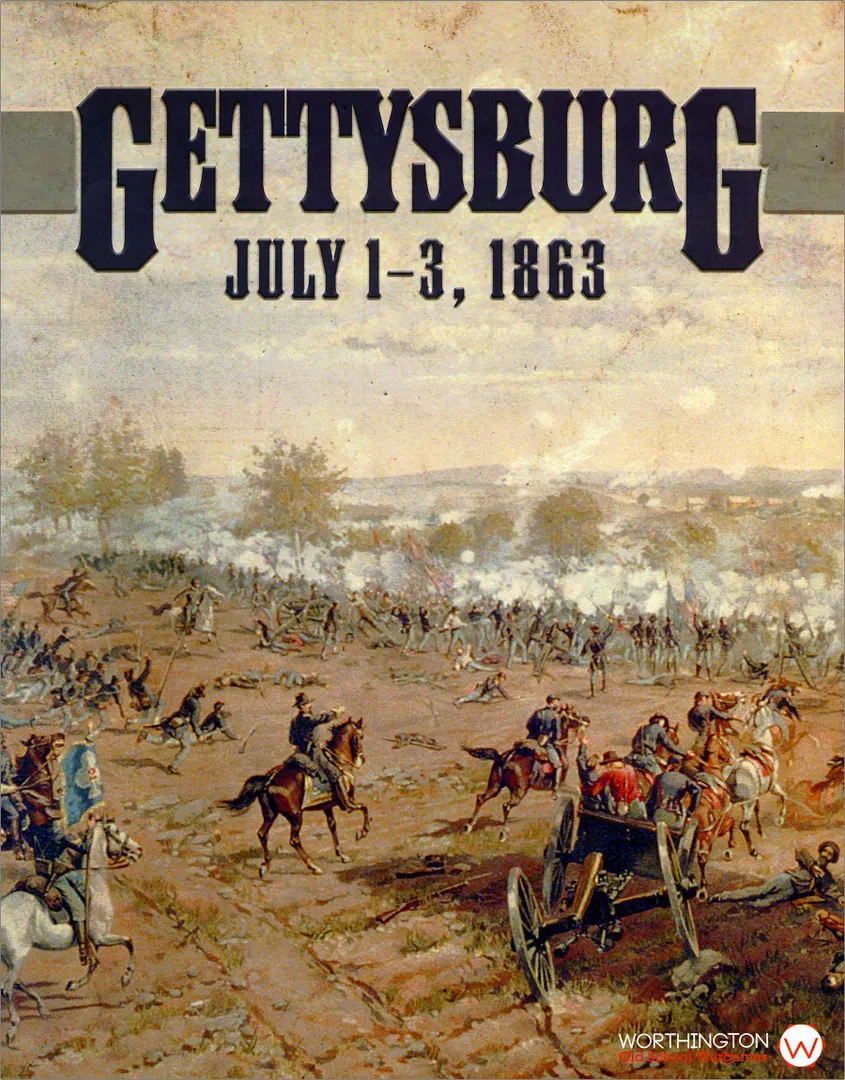
Gettysburg: July 1-3, 1863
- 2 players
- 120–600 min
- Complexity 2.2/5
- 2024
2020
Rules assistance for Cedar Mountain 1862
Plain-language explanations of turns, card effects and disputed situations, with official source references and saved question history.
For 2 players
What would you like to know?
Answers come from the official rulebook, with the page to check.
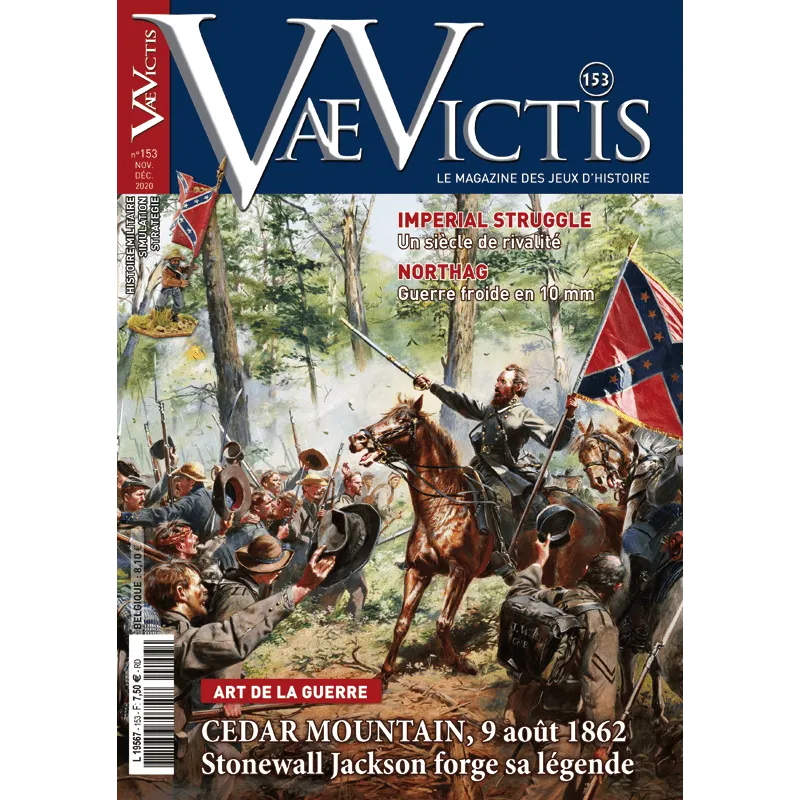
Cedar Mountain 1862 is a board game released in 2020 for 2 players, 90–120 minutes per game, and ages 10 and up. It was designed by Pascal Toupy and Grant Wylie and its main mechanics are Dice Rolling, Hexagon Grid, and Simulation.


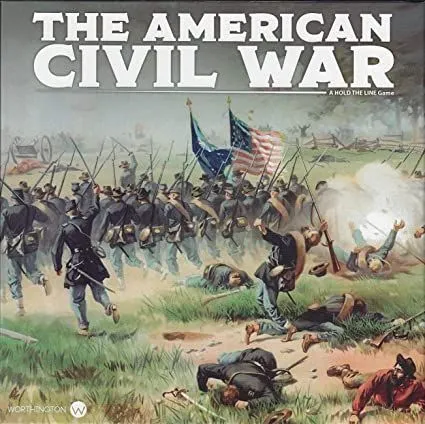


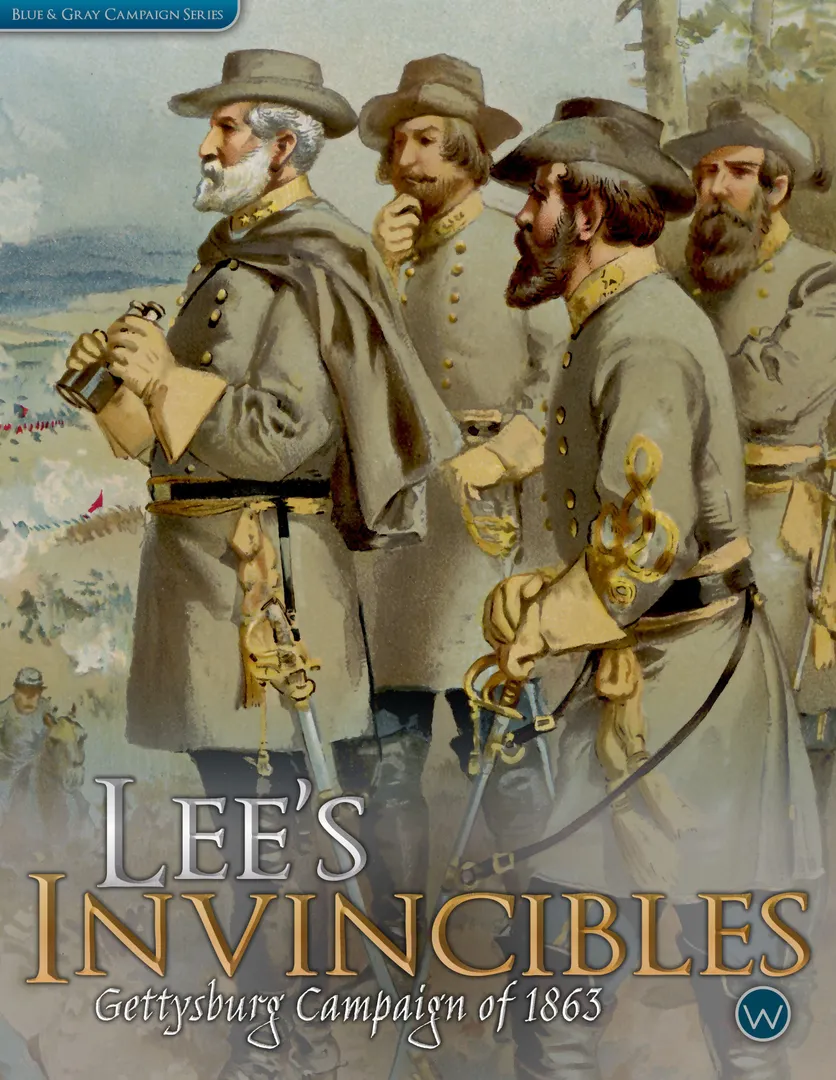


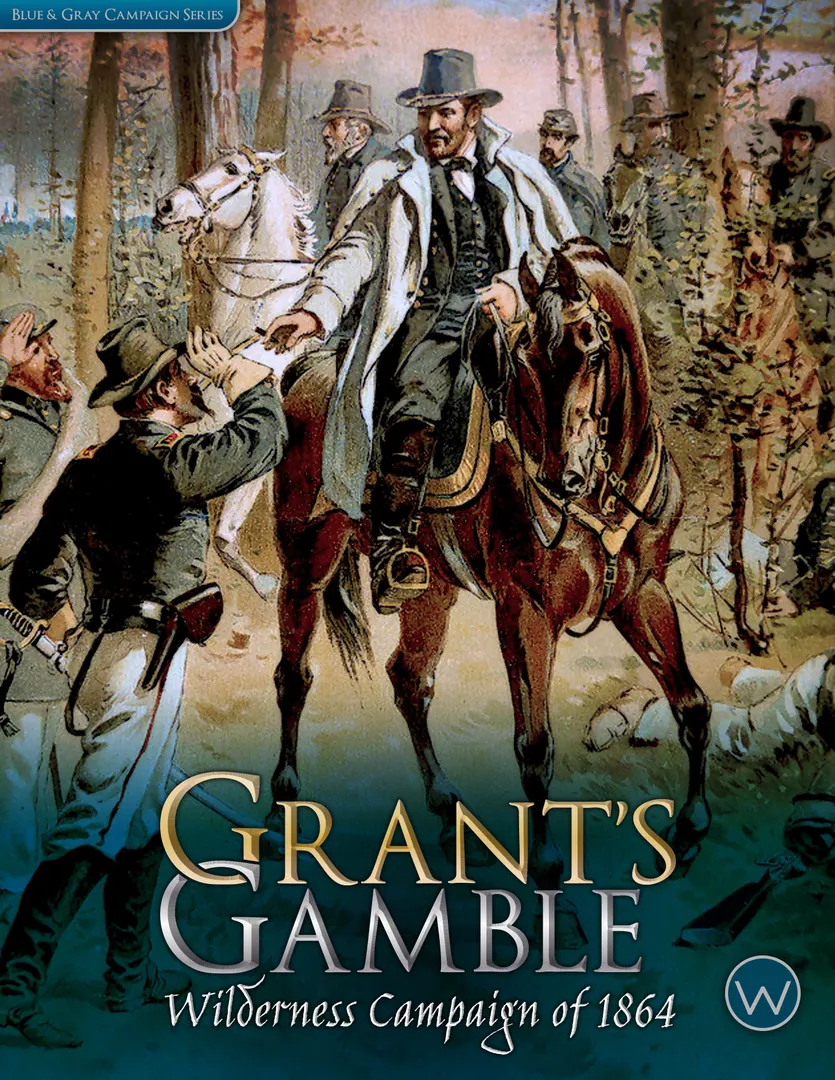
At the end of June 1862, the Confederate general Robert E. Lee, leading the Army of Northern Virginia defeated the Army of the Potomac, commanded by the Union general George McClellan during the Seven Days Battles, thereby saving Richmond. Having put an end to the Union’s Peninsula campaign, Lee decided to put pressure on Washington and regain the initiative. Though outnumbered, he would do his utmost to avoid the junction of the Union armies in the Eastern Theater. His first target was the new and inexperienced Army of Virginia led by the Union general John Pope. Lee dispatched General Thomas J. "Stonewall" Jackson (victorious in the Shenandoah Valley Campaign of the previous winter) to intercept the Union. The vanguard of both armies met in Culpeper County in Virginia. The Union general Banks positioned his artillery on the ridge near Cedar Mountain and a cannon battle ensued. The Confederate general Winder, leading the southerners, was mortally wounded in action, resulting in confusion and withdrawal for the south. Upon seeing this, Stonewall advanced the reserves and led the counter-attack himself. Faced with this unexpected wave, the Union line was broken and the soldiers retreated in disorder. As Jackson, will you be able to win the first battle of the Northern Virginia Campaign or will you change the course of history wearing Banks’ blue uniform? This game published in VaeVictis #153 uses the Civil War Brigade Battle system (Worthington Games). Scale: Complexity : 4/10 Solo playability : 7/10 Duration : 1 hour 30 One turn = 40 minutes One counter = 1 brigade Scale : 200 meters -description from designer
Cedar Mountain 1862 supports 2 players according to the catalogue. This is the publisher’s listed player count, so the game is designed for exactly that number of participants. Variants for other group sizes, if any, are described in the rulebook of your edition, so check it before setting up a different configuration.
The listed playing time for Cedar Mountain 1862 is 90–120 minutes. This is the publisher’s estimate for a full game. The actual duration depends on the group, the player count and familiarity with the rules: first sessions usually run longer, while experienced groups often finish faster. Setup and teaching time are not included in this estimate.
The catalogue lists Cedar Mountain 1862 for ages 10 and up. This is the publisher’s recommendation and reflects reading demands, rule complexity and small components rather than theme alone. Younger players can often join with help from an adult, so check the age guidance on your edition and consider your group’s experience with board games.
Cedar Mountain 1862 has a complexity rating of 2.5 out of 5 from BoardGameGeek players, which makes it a medium-light game. The rating reflects how much rules knowledge, planning and decision-making a typical game demands. Expect a longer first teach for heavier games, and use a preparation guide before game night.
Cedar Mountain 1862 belongs to these categories: Wargame, Post-Napoleonic, and American Civil War. Its main mechanics are Dice Rolling, Hexagon Grid, and Simulation. Categories describe the theme and setting of a game, while mechanics describe what players actually do on their turns. Each mechanic links to a catalogue hub with similar games, which helps when you want something comparable.
The credited designers of Cedar Mountain 1862 are: Pascal Toupy and Grant Wylie. These credits come from the published game data and name the people responsible for the game’s design, not its illustrators or publishers. Designer pages on MeepleRules collect other titles by the same designers, which helps when you enjoy a game and want to find similar ones.
The catalogue lists Cedar Mountain 1862 as a base game. It can be played on its own with the components in the box and does not require any other title. Expansions, if any exist, add new content or rules on top of it and are listed separately in the catalogue with a link back to this base game.