
- BGG rank
- BGG #6,442
- BGG rating
- 6.7
Mosby's Raiders: Guerilla Warfare in the Civil War
- 1 player
- 120 min
- Complexity 2.5/5
- 1985
2020
Rules assistance for Chancellorsville 1863
Plain-language explanations of turns, card effects and disputed situations, with official source references and saved question history.
For 1 player
What would you like to know?
Answers come from the official rulebook, with the page to check.
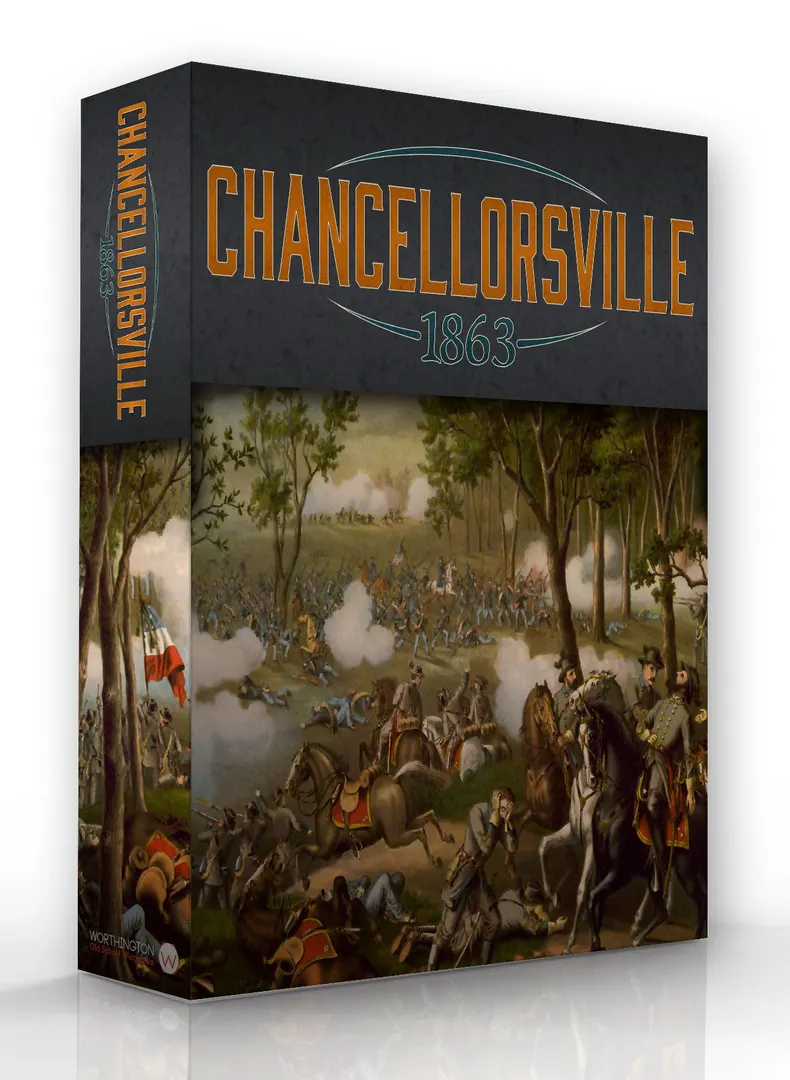
Chancellorsville 1863 is a board game released in 2020 for 1–2 players, 45–90 minutes per game, and ages 14 and up. It was designed by Maurice Suckling and its main mechanics are Hand Management, Dice Rolling, and Variable Set-up.

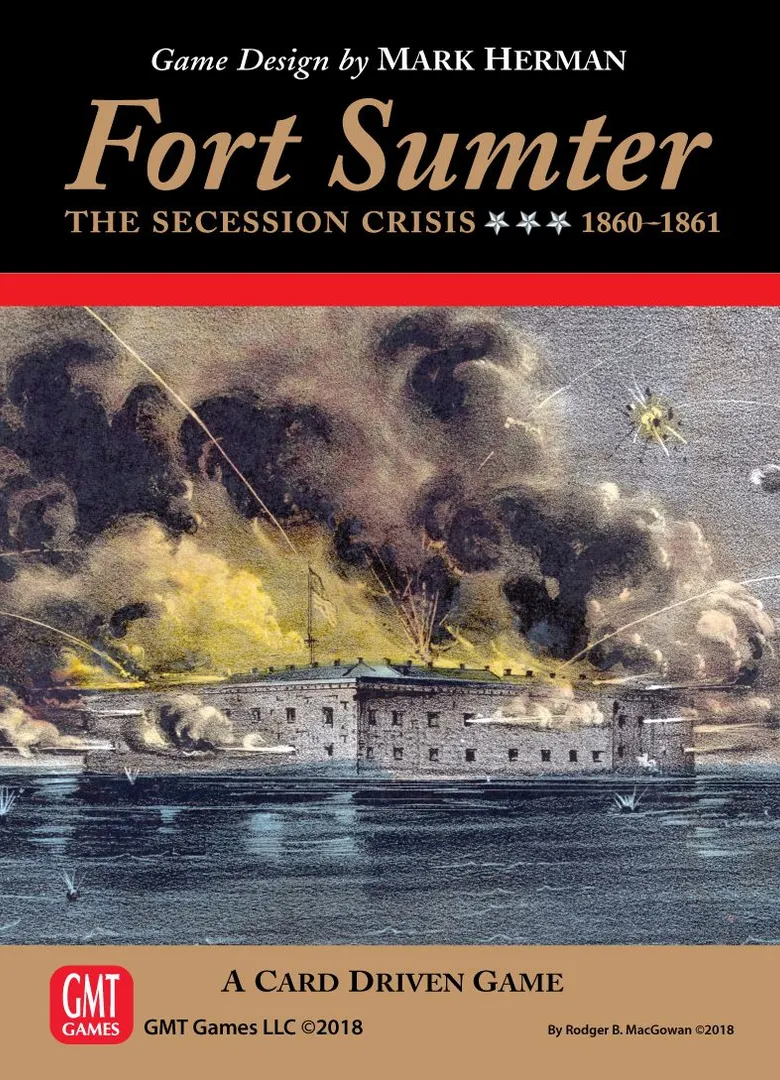



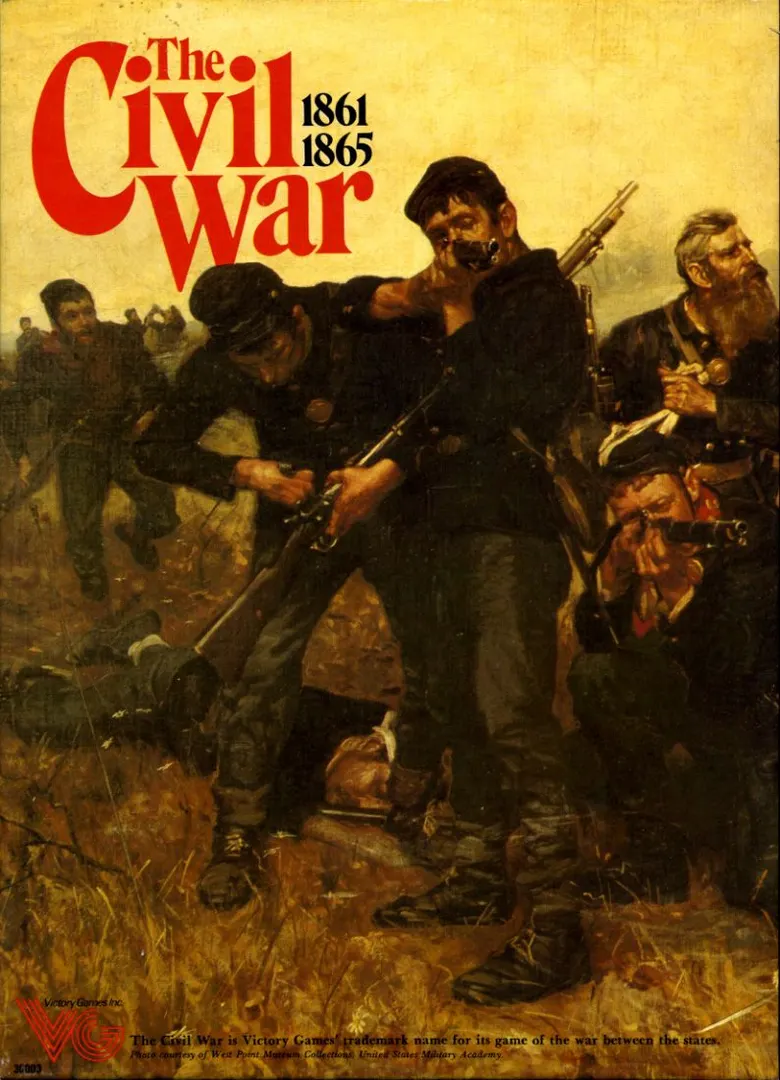


Chancellorsville 1863 is a card-driven game on the American Civil War Battle of Chancellorsville. Playable by 1 to 2 players in 1 hour, the game comes with a card-driven solitaire engine. Designed by Maurice Suckling (designer of Freeman's Farm 1777), the game uses many of the concepts from that game. However, added hidden movement, much more maneuver, and other design tweaks make this a truly unique game. Each turn players will play 1 of their 3 in-hand formation cards to maneuver or attack enemy forces, gaining momentum cubes based on the formation activated. Each formation is a Confederate division or Union corps. Each formation card will allow a major and possibly an additional minor activation, major allowing two moves for a formation while the minor allows one move. After each formation moves combat can occur if a move ends in a location with an enemy formation. Tactic cards may be played during the formation's activation giving it movement or combat bonuses. At the end of the formation card activation players may spend their momentum cubes to buy tactics cards which may give them benefits in combat or movement in future turns. Players then draw a new formation card refilling their hands to 3. Hooker, Lee, and Jackson have bonuses that can be played once a game, adding to movement and combat. Victory is determined by destroying enemy formations through morale/strength loss, or the Union occupying the three victory locations which represent cutting off the Confederate army from Richmond. Additional rules allow for fixed defensive positions, Jackson's Flank March -- and even his death. —description from the publisher
Chancellorsville 1863 supports 1–2 players according to the catalogue. This range comes from the publisher’s listed player count, so the game can be set up for any group size within it. Some setups, rules and scoring details may still vary by player count, so check your edition’s rulebook for the exact configuration.
The listed playing time for Chancellorsville 1863 is 45–90 minutes. This is the publisher’s estimate for a full game. The actual duration depends on the group, the player count and familiarity with the rules: first sessions usually run longer, while experienced groups often finish faster. Setup and teaching time are not included in this estimate.
The catalogue lists Chancellorsville 1863 for ages 14 and up. This is the publisher’s recommendation and reflects reading demands, rule complexity and small components rather than theme alone. Younger players can often join with help from an adult, so check the age guidance on your edition and consider your group’s experience with board games.
Chancellorsville 1863 has a complexity rating of 2.0 out of 5 from BoardGameGeek players, which makes it a medium-light game. The rating reflects how much rules knowledge, planning and decision-making a typical game demands. Expect a longer first teach for heavier games, and use a preparation guide before game night.
Chancellorsville 1863 belongs to these categories: Wargame, Civil War, and Post-Napoleonic. Its main mechanics are Hand Management, Dice Rolling, and Variable Set-up. Categories describe the theme and setting of a game, while mechanics describe what players actually do on their turns. Each mechanic links to a catalogue hub with similar games, which helps when you want something comparable.
The credited designers of Chancellorsville 1863 are: Maurice Suckling. These credits come from the published game data and name the people responsible for the game’s design, not its illustrators or publishers. Designer pages on MeepleRules collect other titles by the same designers, which helps when you enjoy a game and want to find similar ones.
The catalogue lists Chancellorsville 1863 as a base game. It can be played on its own with the components in the box and does not require any other title. Expansions, if any exist, add new content or rules on top of it and are listed separately in the catalogue with a link back to this base game.