
- BGG rank
- BGG #21,190
- BGG rating
- 5.9
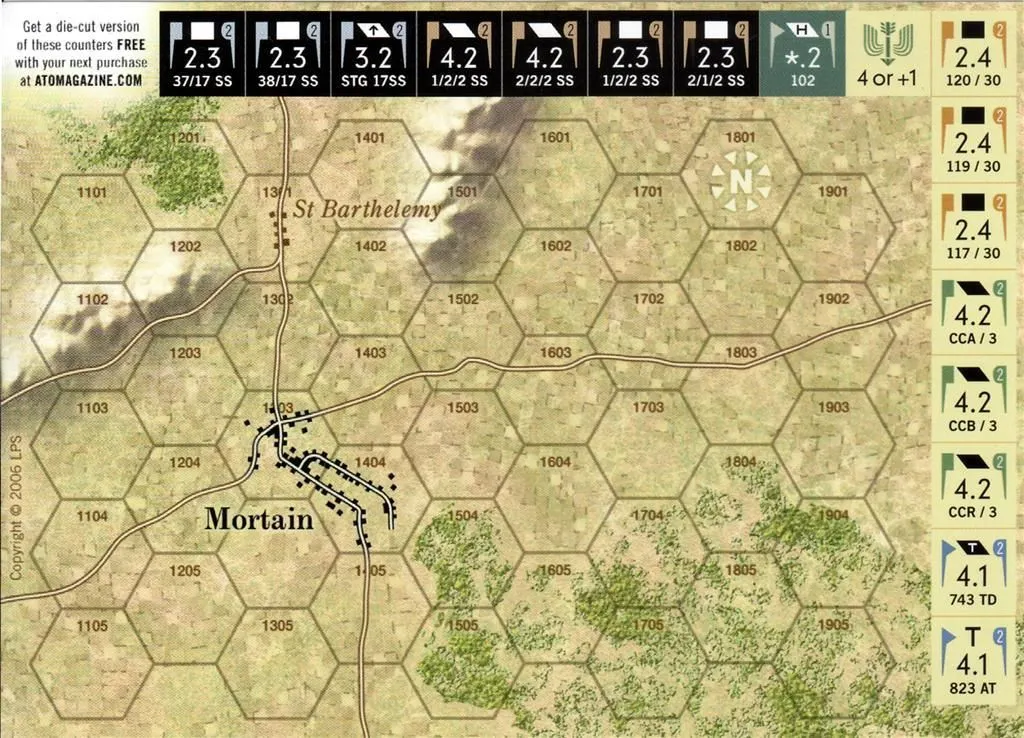
Stand at Mortain
- 2 players
- 30 min
- Complexity 1.5/5
- 2006
2005
Rules assistance for Chennault's First Fight
Plain-language explanations of turns, card effects and disputed situations, with official source references and saved question history.
For 2 players
What would you like to know?
Answers come from the official rulebook, with the page to check.
Chennault's First Fight is a board game released in 2005 for 2 players, 300 minutes per game, and ages 12 and up. It was designed by Paul Rohrbaugh and its main mechanics are Hexagon Grid and Simulation.
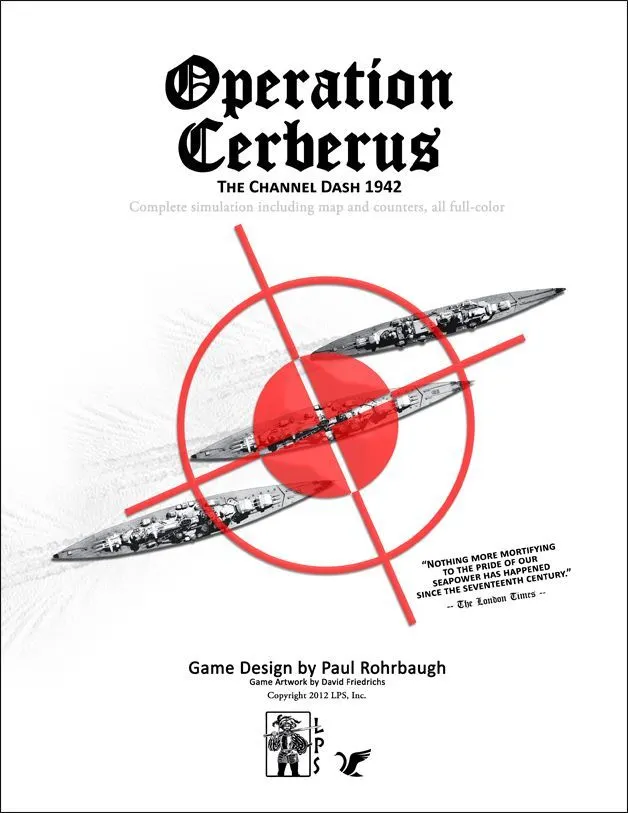
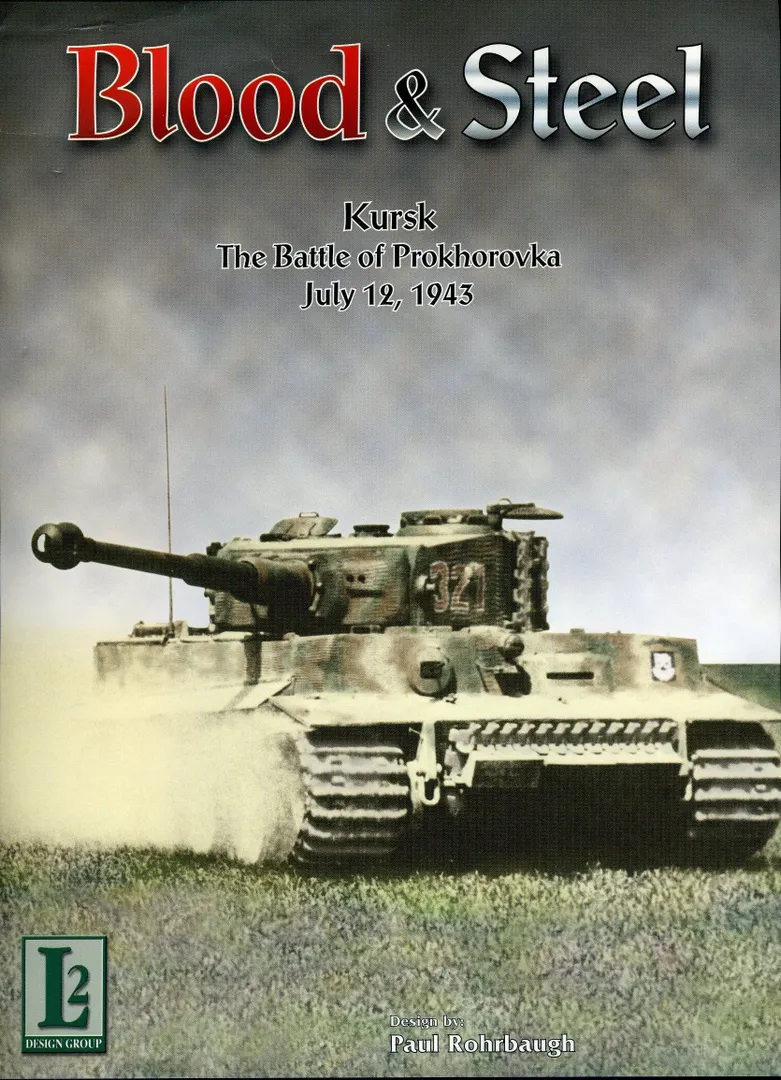
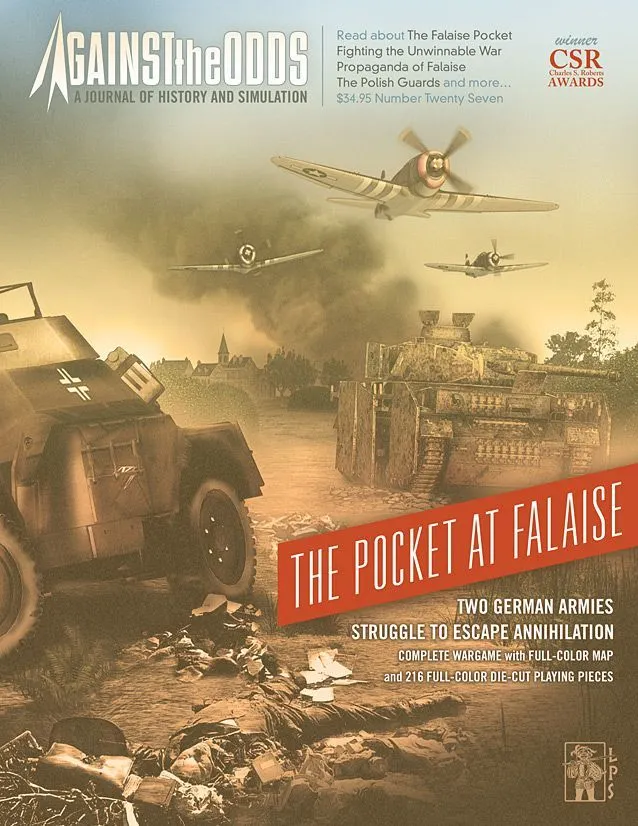
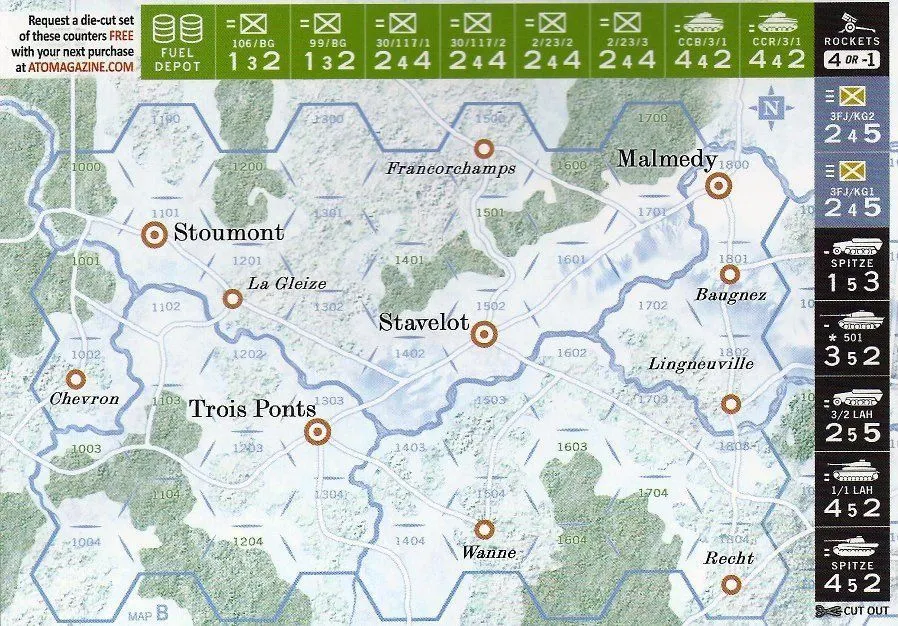
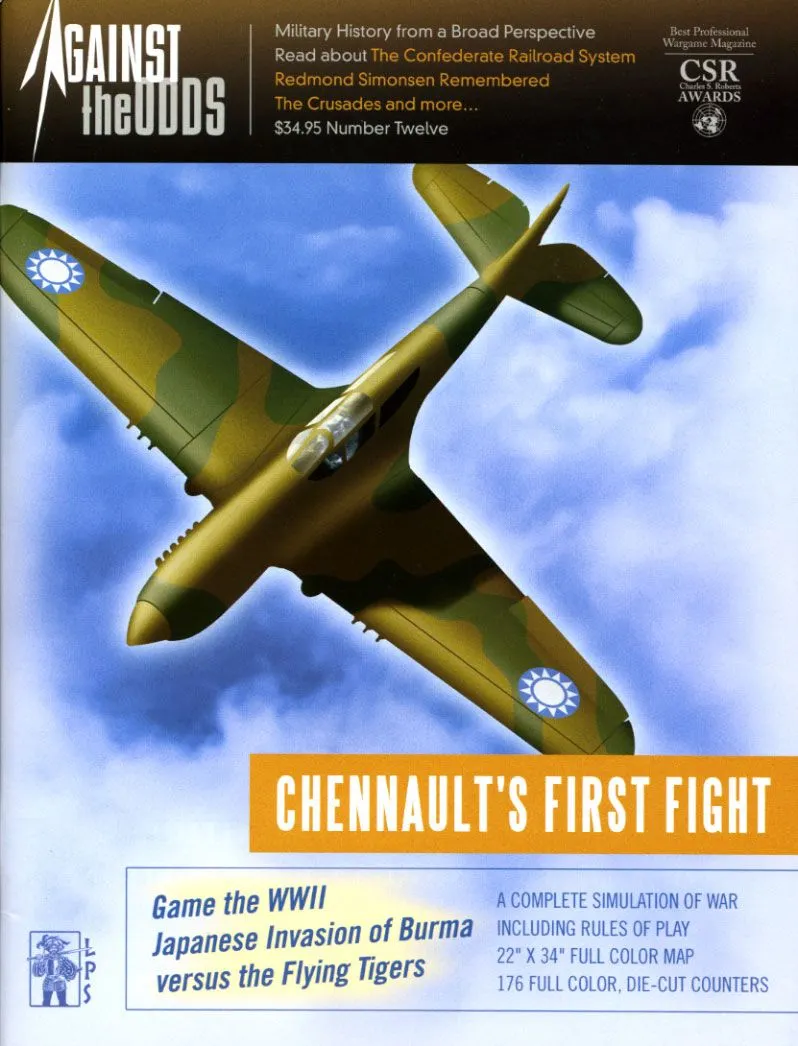
Publisher's blurb: As 1941 moved from winter into spring, and then into summer, it was becoming increasingly apparent that war was coming to the United States. Most American political and military leaders viewed the Nazi war machine in Europe as the most menacing of all, and fear that US intervention/involvement may come too late grew with each passing month. Most who viewed the escalating conflict in Asia felt that diplomacy and economic sanctions could bring Japanese aggression on that continent to an end, and even if military force was needed, US and western military prowess would make short work of the armed forces from the empire of the Rising Sun. The sudden and devastating attack at Pearl Harbor on December 7th, the devastating air raids in the Philippines the next day, as well as the loss of Great Britain's battleships Repulse and Price of Wales brought the war home in a shocking and horrifying manner. Despite the pre-war warnings and plans only in the Pacific, the Phillipines, and China there were Americans ready and able to fight the Axis forces. Of those, only a small group of American mercenary airmen and ground crew who were desperately outnumbered, led by man who had been vilified and disdained while in the US Army Air Force, met with success in the opening weeks of the war. Chennault's First Fight appears in Against the Odds Magazine #12, by designer Paul Rohrbaugh. Chennault's First Fight covers the Pacific War's opening, when a small group of American mercenary airmen and ground crew, desperately outnumbered and led by a man (Claire Chennault) who had been vilified and disdained while in the US Army Air Force, found their operations repeatedly crowned with success. Chennault's First Fight covers the first weeks of war in Burma, from mid-December 1941 to the Fall of Rangoon in early March 1942. The focus of the game is on the aerial battles, but the ground campaign is also covered, albeit on a simpler level. Air units represent groups of 6 to 8 aircraft, while ground units are mostly brigades and regiments. The area map stretches from the Indian Frontier to French Indochina and from the Himalayas to south of Rangoon. An interactive turn sequence keeps both players hopping. There are two levels of air combat resolution, basic and advanced. The basic level has up to 3 rounds of air combat that are resolved on a "battle board" that also uses area movement. The advanced combat resolution system uses a hex map with more turns, very similar to the classic AH game Richtofen's War. Air units are differentiated by type. Besides the P-40s flown by the Flying Tigers the Allies take wing with Brewster Buffalos, Hawker Hurricanes, P-36s, SB-2s, and Bristol Blenheims. The Japanese fly Oscar and Nate fighters. The heavy lifting is done by Sally, Ann, and Lily bombers while Dinah recon planes (among the fastest and highest flying prop planes built) lead the way. The Japanese must stike hard and fast and avoid getting sucked into what for them was a side-show. Running up a butcher's bill, or calling in forces badly needed elsewhere in the Emperor's warplan can lead to a lose of face and worse. The Allied player has precious little to waste in this fight, and must make the most of his opponent's weaknesses and mistakes while minimizing his own. Rules cover enhanced reinforcements for both sides, the Vichy, Aces, Amphibious Assaults, the possible intervention of the Japanese Kido Butai (Carrier Air Units) and weather. Plenty of carnage and mayhem!
Chennault's First Fight supports 2 players according to the catalogue. This is the publisher’s listed player count, so the game is designed for exactly that number of participants. Variants for other group sizes, if any, are described in the rulebook of your edition, so check it before setting up a different configuration.
The listed playing time for Chennault's First Fight is 300 minutes. This is the publisher’s estimate for a full game. The actual duration depends on the group, the player count and familiarity with the rules: first sessions usually run longer, while experienced groups often finish faster. Setup and teaching time are not included in this estimate.
The catalogue lists Chennault's First Fight for ages 12 and up. This is the publisher’s recommendation and reflects reading demands, rule complexity and small components rather than theme alone. Younger players can often join with help from an adult, so check the age guidance on your edition and consider your group’s experience with board games.
Chennault's First Fight has a complexity rating of 2.9 out of 5 from BoardGameGeek players, which makes it a medium-light game. The rating reflects how much rules knowledge, planning and decision-making a typical game demands. Expect a longer first teach for heavier games, and use a preparation guide before game night.
Chennault's First Fight belongs to these categories: Wargame and World War II. Its main mechanics are Hexagon Grid and Simulation. Categories describe the theme and setting of a game, while mechanics describe what players actually do on their turns. Each mechanic links to a catalogue hub with similar games, which helps when you want something comparable.
The credited designers of Chennault's First Fight are: Paul Rohrbaugh. These credits come from the published game data and name the people responsible for the game’s design, not its illustrators or publishers. Designer pages on MeepleRules collect other titles by the same designers, which helps when you enjoy a game and want to find similar ones.
The catalogue lists Chennault's First Fight as a base game. It can be played on its own with the components in the box and does not require any other title. Expansions, if any exist, add new content or rules on top of it and are listed separately in the catalogue with a link back to this base game.