
- BGG rank
- BGG #98
- BGG rating
- 7.8
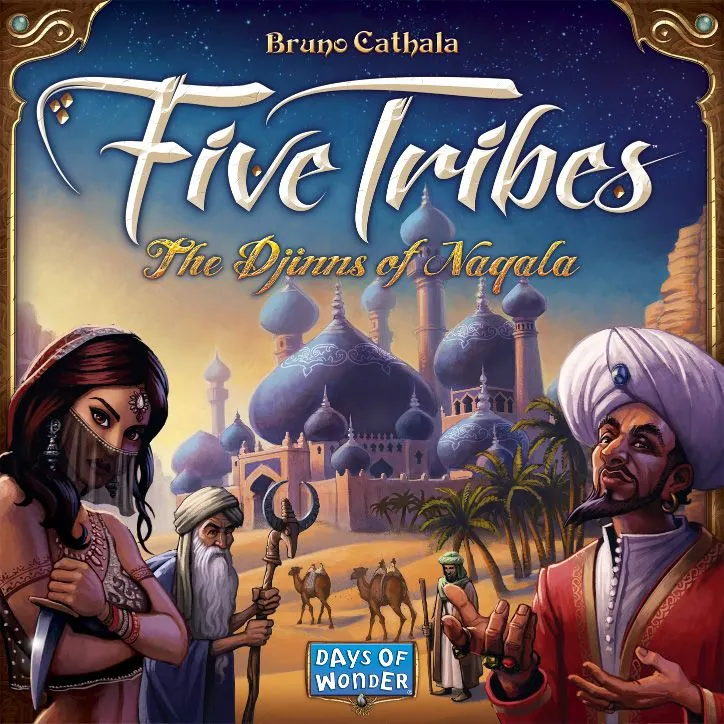
Five Tribes: The Djinns of Naqala
- 2–4 players
- 40–80 min
- Complexity 2.8/5
- 2014
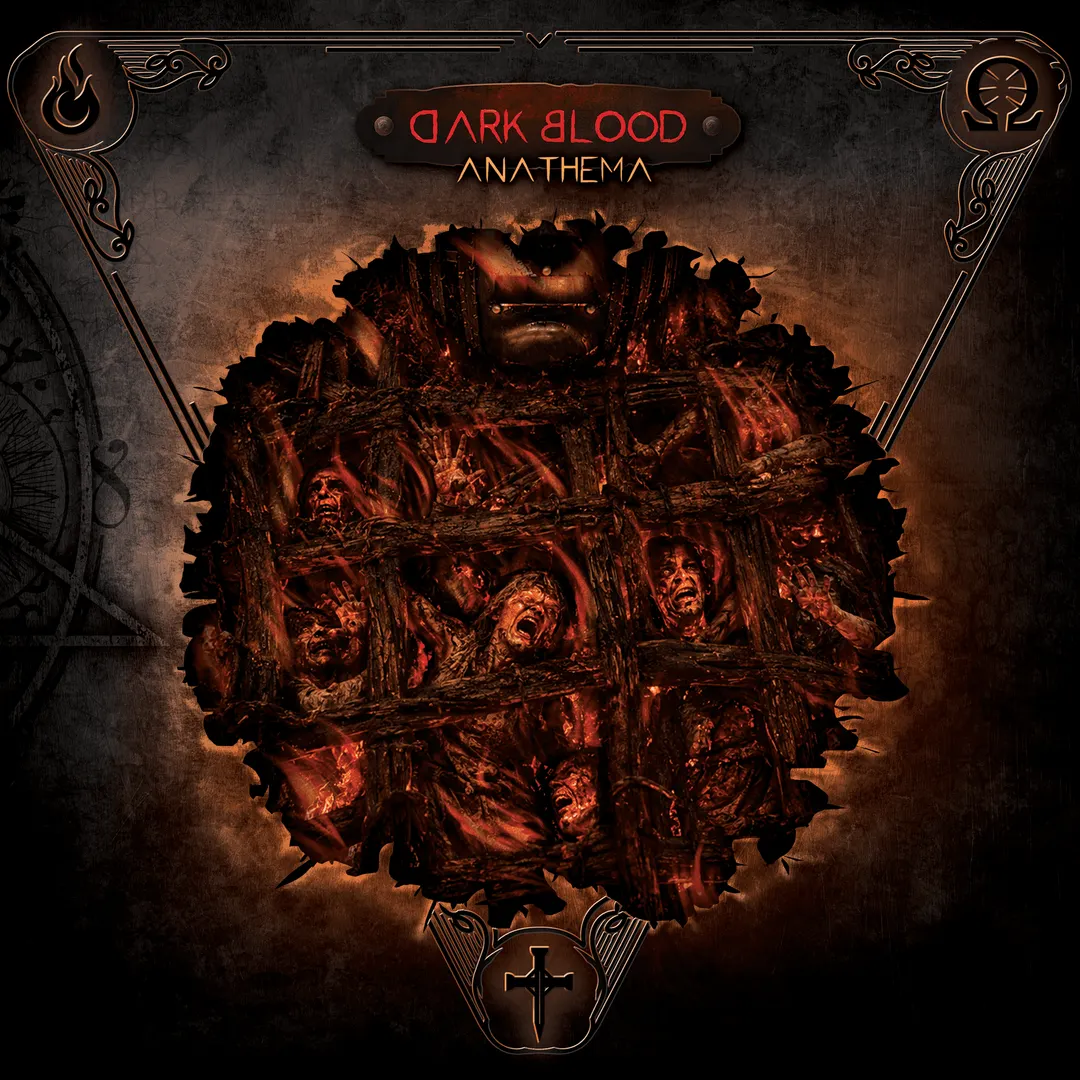
Rules assistance for Dark Blood: Anathema
Plain-language explanations of turns, card effects and disputed situations, with official source references and saved question history.
What would you like to know?
Answers come from the official rulebook, with the page to check.
Dark Blood: Anathema is an expansion for Dark Blood released in 2027 for 1–5 players, 30–90 minutes per game, and ages 18 and up. It was designed by Aiollus, SPAGY, and Siber and its main mechanics are Variable Player Powers, Take That, and Auction / Bidding.


Blood will rain from the heavens, and the innocent will be sacrificed to the dark entities. For the Anathema is upon us! The new expansion for Dark Blood introduces: New Cults Higher Player Count New Objectives New Location Cards New Events New Gameplay Systems Two new Cults enter the struggle to appease the Unholy Powers, while a relentless Crusade seeks to eradicate their rivals and cleanse the world of Corruption; opening up a fifth player slot and giving you even more playable Cults to choose from. First, the Sororitas Lunaris. An all-female pagan cult of witches who worship the moon and an entity known as the Mater, the mother of all. With silver tongues that burrow into the minds of men, they abduct cultists and peasants into their vile grove, where unspeakable fertility rituals shall forever taint their mortal flesh. Then comes the Cult of Awe. A sickness as cryptic as the void that spreads across the land, those who seek its mysteries risk losing their minds. The Cult of Awe embraces madness, blessing its followers with forbidden power while inflicting insanity upon their enemies. Madness becomes a new resource, capable of producing both desirable and disastrous outcomes with the use of the Delirium and Inflict Dice. But where corruption spreads, the Crusade follows. The Crux Populi has sworn to cleanse the world. Play as the Inquisitor, slaying Cultists, consecrating Locations, and stopping rival Cults from spreading their unholy influence by any means necessary. And at the heart of Anathema stands the Wickerman. Once a construct of wood built for human sacrifice, this massive centerpiece now is an oversized miniature that towers over the main board. It can hold up to two peasants within its hollow frame, and those who complete its ritual receive a protective shield against enemy rituals. Now is the time to gather your faithful, prepare your rituals, and corrupt the world once again with the blood of the faithful. —description from the publisher
Dark Blood: Anathema supports 1–5 players according to the catalogue. This range comes from the publisher’s listed player count, so the game can be set up for any group size within it. Some setups, rules and scoring details may still vary by player count, so check your edition’s rulebook for the exact configuration.
The listed playing time for Dark Blood: Anathema is 30–90 minutes. This is the publisher’s estimate for a full game. The actual duration depends on the group, the player count and familiarity with the rules: first sessions usually run longer, while experienced groups often finish faster. Setup and teaching time are not included in this estimate.
The catalogue lists Dark Blood: Anathema for ages 18 and up. This is the publisher’s recommendation and reflects reading demands, rule complexity and small components rather than theme alone. Younger players can often join with help from an adult, so check the age guidance on your edition and consider your group’s experience with board games.
Dark Blood: Anathema belongs to these categories: Horror and Expansion for Base-game. Its main mechanics are Variable Player Powers, Take That, and Auction / Bidding. Categories describe the theme and setting of a game, while mechanics describe what players actually do on their turns. Each mechanic links to a catalogue hub with similar games, which helps when you want something comparable.
The credited designers of Dark Blood: Anathema are: Aiollus, SPAGY, and Siber. These credits come from the published game data and name the people responsible for the game’s design, not its illustrators or publishers. Designer pages on MeepleRules collect other titles by the same designers, which helps when you enjoy a game and want to find similar ones.
The catalogue lists Dark Blood: Anathema as an expansion for Dark Blood. Expansions add new content, rules or scenarios to the base game and usually cannot be played on their own, so you need Dark Blood to use it. Check that your edition of Dark Blood is compatible, as some expansions were revised between editions.