
- BGG rating
- 7.6
Darkest Night: On Shifting Winds
- 1–4 players
- 150 min
- Complexity 2.9/5
- 2013
2012
Rules assistance for Darkest Night
Plain-language explanations of turns, card effects and disputed situations, with official source references and saved question history.
For 1 player
What would you like to know?
Answers come from the official rulebook, with the page to check.
Darkest Night is a board game released in 2012 for 1–4 players, 150 minutes per game, and ages 13 and up. It was designed by Jeremy Lennert and its main mechanics are Variable Player Powers, Dice Rolling, and Cooperative Game.
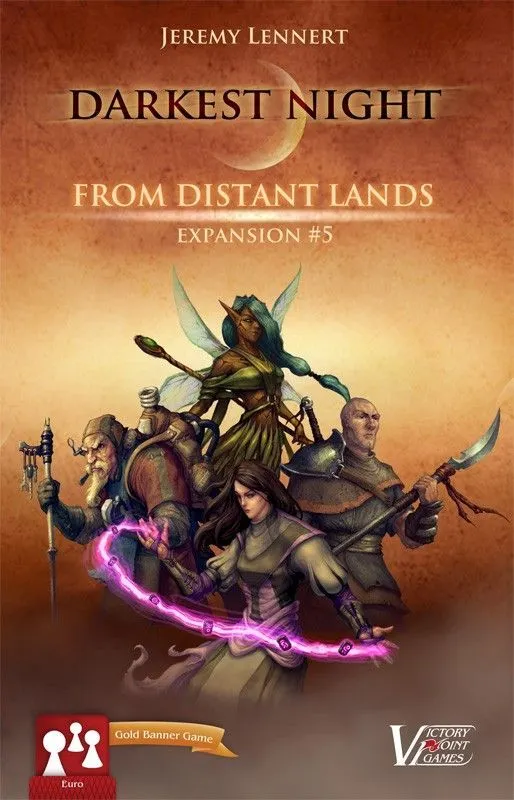
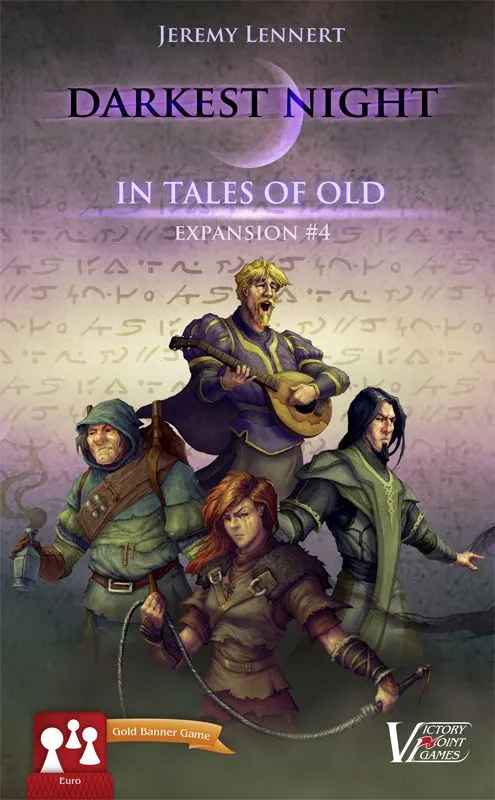
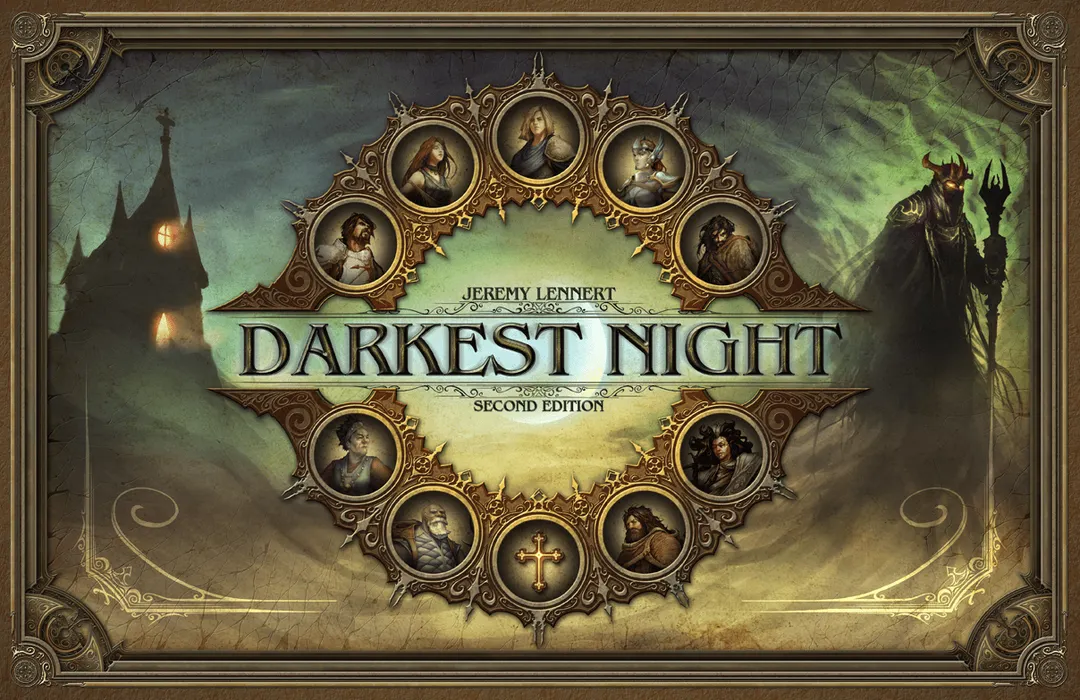

Darkest Night, by designer Jeremy Lennert, is a fully-cooperative board game for one to four players (up to six with variants), set in a kingdom broken under a necromancer’s shadow. Each player takes on the role of one of the kingdom’s last heroes (nine playable characters), each with a unique set of special abilities, just as they hatch a plan to save the realm. Searching the kingdom provides new powers and equipment to strengthen you and your party, as well as the keys that can unlock the holy relics and defeat the necromancer. You can acquire many powerful abilities—unique to each hero—that can help to fight the undead, elude the necromancer’s forces, accelerate your searches for items and artifacts, and more. The knight is a brave and powerful warrior; the prince can rally and inspire the people; the scholar excels at locating and restoring the treasures of the past. But ravenous undead roam the realm, and as the necromancer continues to build his power base, he blights the land and his army steadily grows. As the game wears on, the necromancer becomes more and more powerful, creating blights more quickly and effectively. If an area becomes too blighted, it gets overrun—and the monastery receives the spillover. And if the monastery is ever overrun, the necromancer wins and the kingdom is swallowed in darkness! Before the monastery falls, it's up to you and your party to defeat the necromancer in one of two ways: If you can gather three holy relics and bring them all back to the monastery, you can perform a powerful ritual to break the necromancer’s power and scour the land of the undead. Alternatively, you can try to defeat the necromancer in direct combat—but be warned, he will readily sacrifice his minions to save himself. Can you save the kingdom from darkness? Do you have the courage, the cunning and the will to withstand the necromancer and his forces? Strategize, plan and bring out the best of your abilities to end our Darkest Night! Game Data: Complexity: 4.5 on a 9 scale Solitaire Suitability: 9 on a 9 scale Scale: Each unit represents a Hero, the Necromancer or blights in a guerilla war over a small kingdom. Each round represents approximately several days to a week.
Darkest Night supports 1–4 players according to the catalogue. This range comes from the publisher’s listed player count, so the game can be set up for any group size within it. Some setups, rules and scoring details may still vary by player count, so check your edition’s rulebook for the exact configuration.
The listed playing time for Darkest Night is 150 minutes. This is the publisher’s estimate for a full game. The actual duration depends on the group, the player count and familiarity with the rules: first sessions usually run longer, while experienced groups often finish faster. Setup and teaching time are not included in this estimate.
The catalogue lists Darkest Night for ages 13 and up. This is the publisher’s recommendation and reflects reading demands, rule complexity and small components rather than theme alone. Younger players can often join with help from an adult, so check the age guidance on your edition and consider your group’s experience with board games.
Darkest Night has a complexity rating of 2.8 out of 5 from BoardGameGeek players, which makes it a medium-light game. The rating reflects how much rules knowledge, planning and decision-making a typical game demands. Expect a longer first teach for heavier games, and use a preparation guide before game night.
Darkest Night belongs to these categories: Fantasy, Horror, and Adventure. Its main mechanics are Variable Player Powers, Dice Rolling, and Cooperative Game. Categories describe the theme and setting of a game, while mechanics describe what players actually do on their turns. Each mechanic links to a catalogue hub with similar games, which helps when you want something comparable.
The credited designers of Darkest Night are: Jeremy Lennert. These credits come from the published game data and name the people responsible for the game’s design, not its illustrators or publishers. Designer pages on MeepleRules collect other titles by the same designers, which helps when you enjoy a game and want to find similar ones.
The catalogue lists Darkest Night as a base game. It can be played on its own with the components in the box and does not require any other title. Expansions, if any exist, add new content or rules on top of it and are listed separately in the catalogue with a link back to this base game.