
- BGG rating
- 8.0
Scorched Earth
- 2 players
- 2400–6000 min
- Complexity 4.4/5
- 1987
1984
Rules assistance for Fire in the East
Plain-language explanations of turns, card effects and disputed situations, with official source references and saved question history.
For 2 players
What would you like to know?
Answers come from the official rulebook, with the page to check.
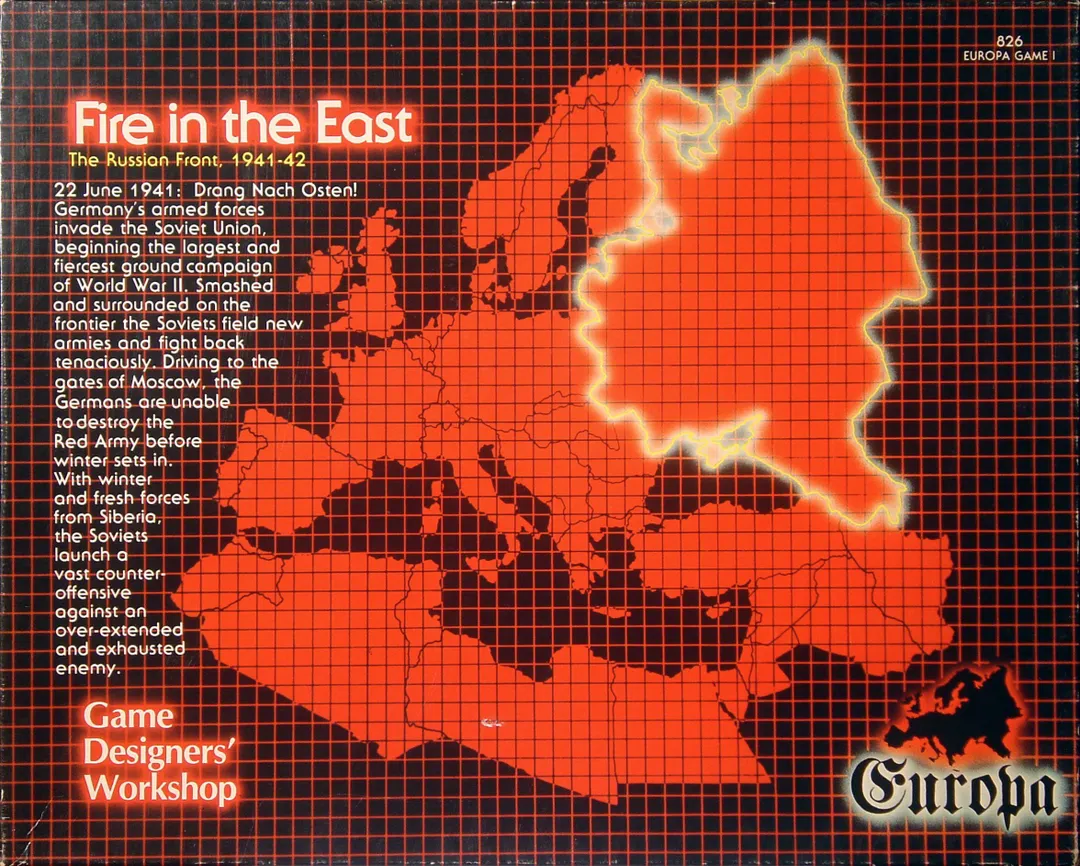
Fire in the East is a board game released in 1984 for 2–4 players, 3,000 minutes per game, and ages 12 and up. It was designed by Frank Chadwick, John Astell, and Paul Richard "Rich" Banner and its main mechanics are Dice Rolling, Hexagon Grid, and Simulation.
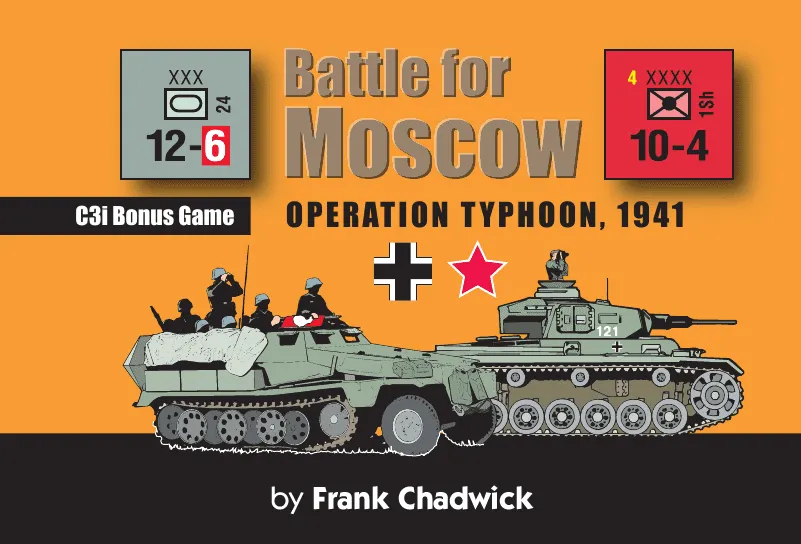


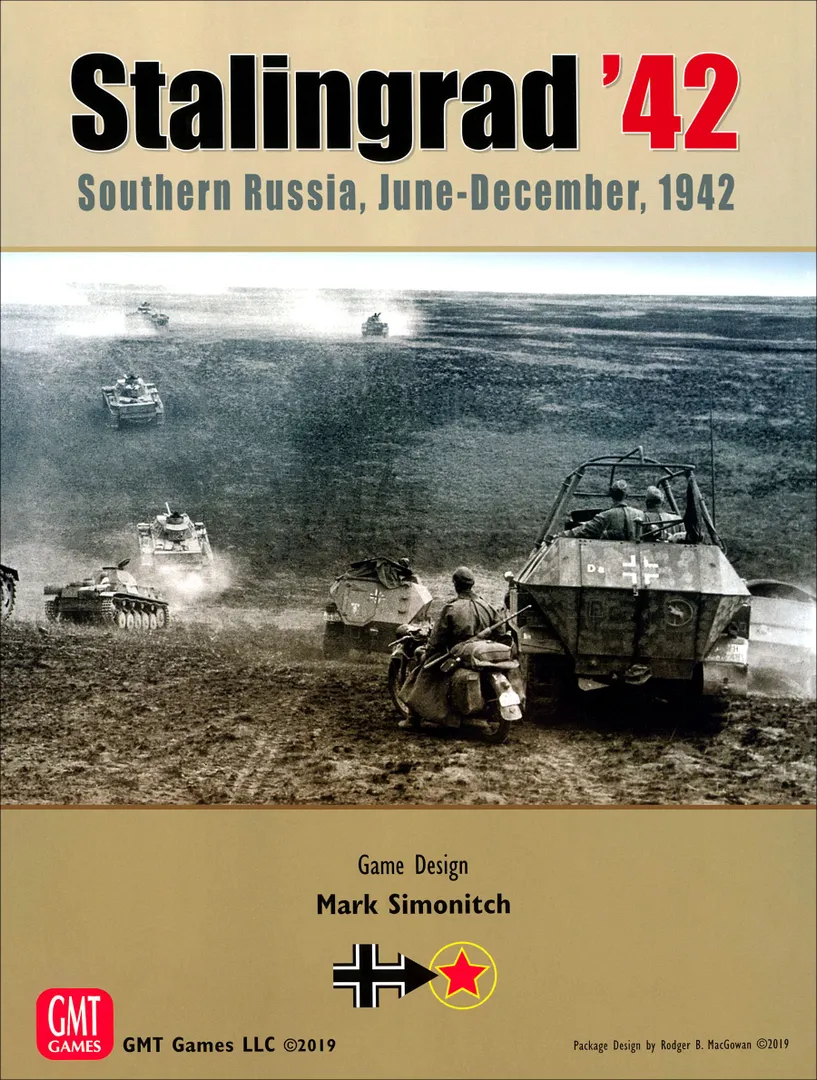
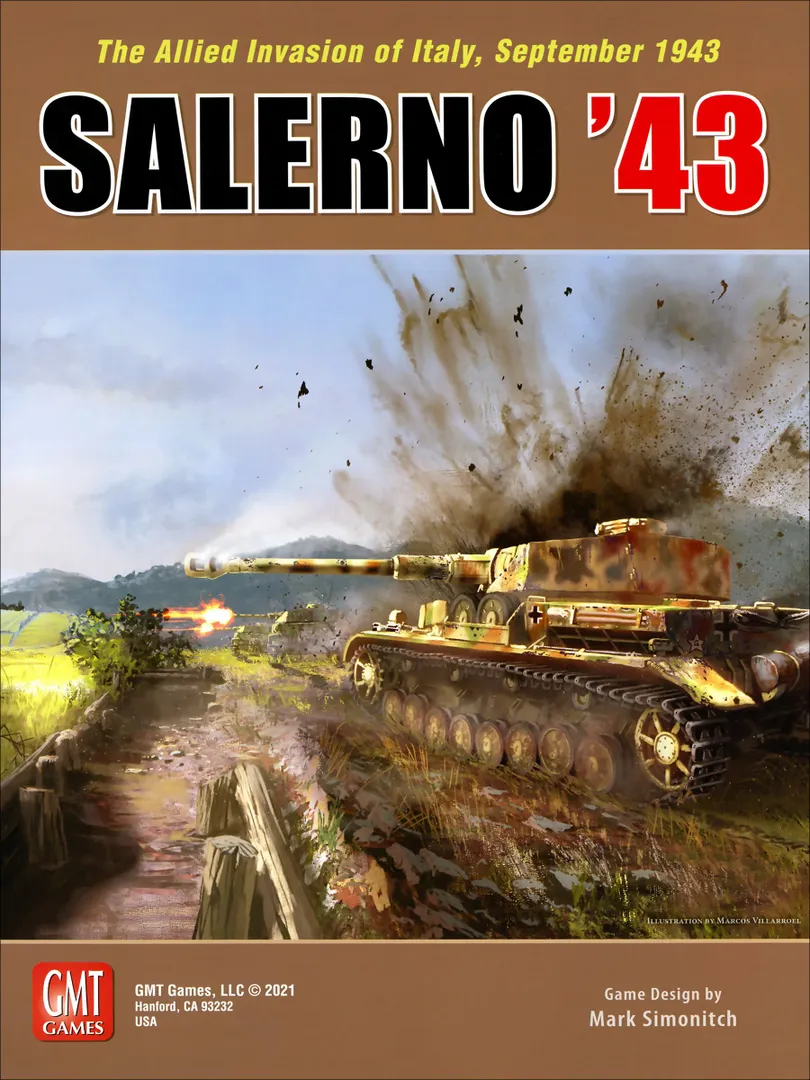

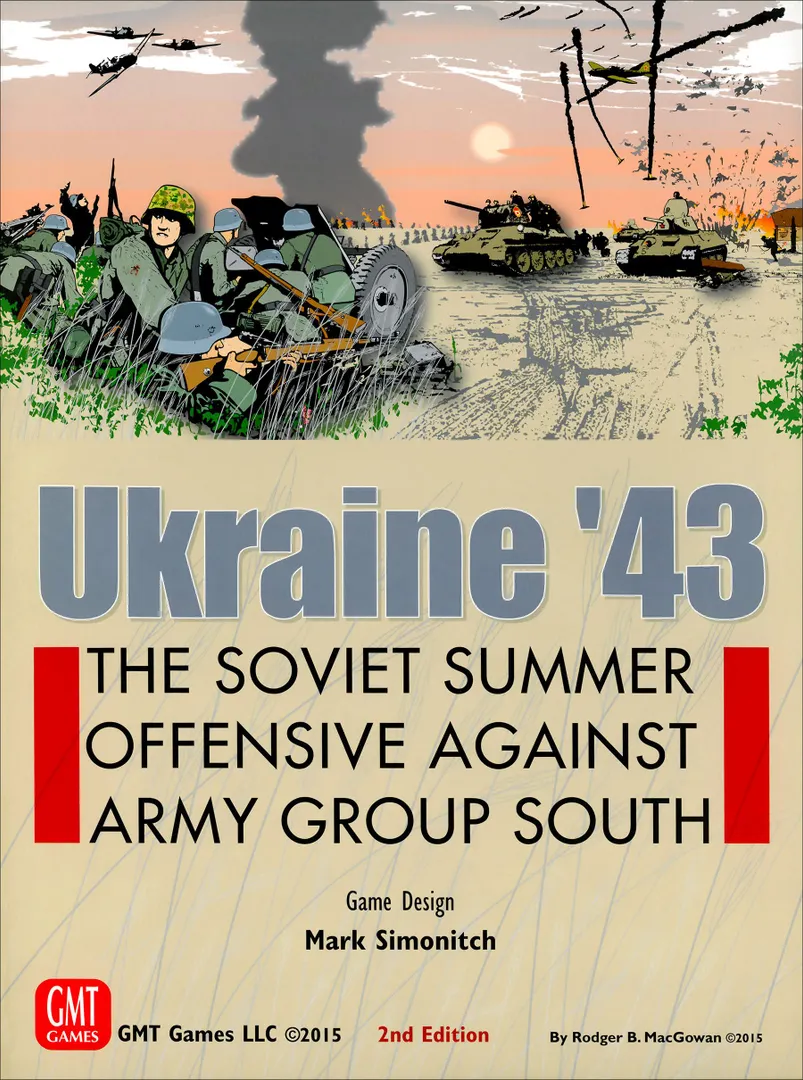

Fire in the East covers the war in the Soviet Union from the start of the Barbarossa invasion in June 1941 through the end of the Soviet winter counteroffensive in March 1942. It requires two players, with one player controlling the German and German-allied (Rumanian, Finnish, etc.) forces and the other controlling the various Soviet forces: regular troops, militia divisions,and Guards formations. The size of the game makes it well suited to team play: each side can easily be played by a team of two or three players. Fire in the East's 6 multi-color maps stretch from Warsaw to Stalingrad, from Murmansk to Sevastopol. Terrain is analyzed in detail, with over 20 different types, including two types of rivers, forests, and mountains and four types of cities. There are over 2500 counters each marked with its historical designation - the most accurate and detailed order of battle ever published for the Eastern Front. The counters represent divisions, and independent brigades, regiments, and battalions. Units are highly differentiated by type, from armor, infantry, and artillery to Soviet Guards, NKVD, and katyushas, German flammpanzers and railroad artillery, and Finnish ski troops. Air units vary from outmoded I-15 biplane fighters to the Me-109F, from Ju 87 Stukas and Il-2 Sturmoviks to Pe-8 long-range bombers. The capital ships of the Soviet Baltic and Black Sea fleets are also represented. The rules include extensive armor and antitank effects, plus special capabilities for many other unit types, from assault engineers to paratroopers. Every combat arm has its own abilities and limitations, and the players must use them all to achieve victory. The air system is very detailed - almost a game in itself. Logistics rules cover the different gauges of German and Soviet rails and allow supply lines to be extended temporarily by trucks. Isolated units gradually lose their combat abiliites and then collapse, but those besieged in cities and fortresses survive longer. Other important rules cover weather effects, the unique nature of the Arctic front, the need for artillery support, the German surprise attack, doctrinal limits of Soviet mechanized units, and more. Fire in the East is extremely challenging to both sides. German panzer spearheads can break through the front almost at will, but soon will find themselves outrunning their supply lines, infantry, and air support. Careful play and the optimum use of all arms are needed to travel the long road to Moscow. The Soviets are faced with the need to preserve their army for the final defense of major cities while delaying the German advance to make that defense possible by determined resistance and carefully chosen local counterattacks. Game Components: six 21" x 27" maps (1B, 2A, 3B, 4A, 5B, 6A) over 2880 die-cut counters (Europa 1A, 2A, 3A, 4A, 5A, 36, 37, 38, 39, 40, 41, 42) a complete set of rules a complete set of charts two dice (source: back of the box and user's description)
Fire in the East supports 2–4 players according to the catalogue. This range comes from the publisher’s listed player count, so the game can be set up for any group size within it. Some setups, rules and scoring details may still vary by player count, so check your edition’s rulebook for the exact configuration.
The listed playing time for Fire in the East is 3,000 minutes. This is the publisher’s estimate for a full game. The actual duration depends on the group, the player count and familiarity with the rules: first sessions usually run longer, while experienced groups often finish faster. Setup and teaching time are not included in this estimate.
The catalogue lists Fire in the East for ages 12 and up. This is the publisher’s recommendation and reflects reading demands, rule complexity and small components rather than theme alone. Younger players can often join with help from an adult, so check the age guidance on your edition and consider your group’s experience with board games.
Fire in the East has a complexity rating of 4.3 out of 5 from BoardGameGeek players, which makes it a heavy game. The rating reflects how much rules knowledge, planning and decision-making a typical game demands. Expect a longer first teach for heavier games, and use a preparation guide before game night.
Fire in the East belongs to these categories: Wargame and World War II. Its main mechanics are Dice Rolling, Hexagon Grid, and Simulation. Categories describe the theme and setting of a game, while mechanics describe what players actually do on their turns. Each mechanic links to a catalogue hub with similar games, which helps when you want something comparable.
The credited designers of Fire in the East are: Frank Chadwick, John Astell, and Paul Richard "Rich" Banner. These credits come from the published game data and name the people responsible for the game’s design, not its illustrators or publishers. Designer pages on MeepleRules collect other titles by the same designers, which helps when you enjoy a game and want to find similar ones.
The catalogue lists Fire in the East as a base game. It can be played on its own with the components in the box and does not require any other title. Expansions, if any exist, add new content or rules on top of it and are listed separately in the catalogue with a link back to this base game.