
- BGG rank
- BGG #11,387
- BGG rating
- 6.9
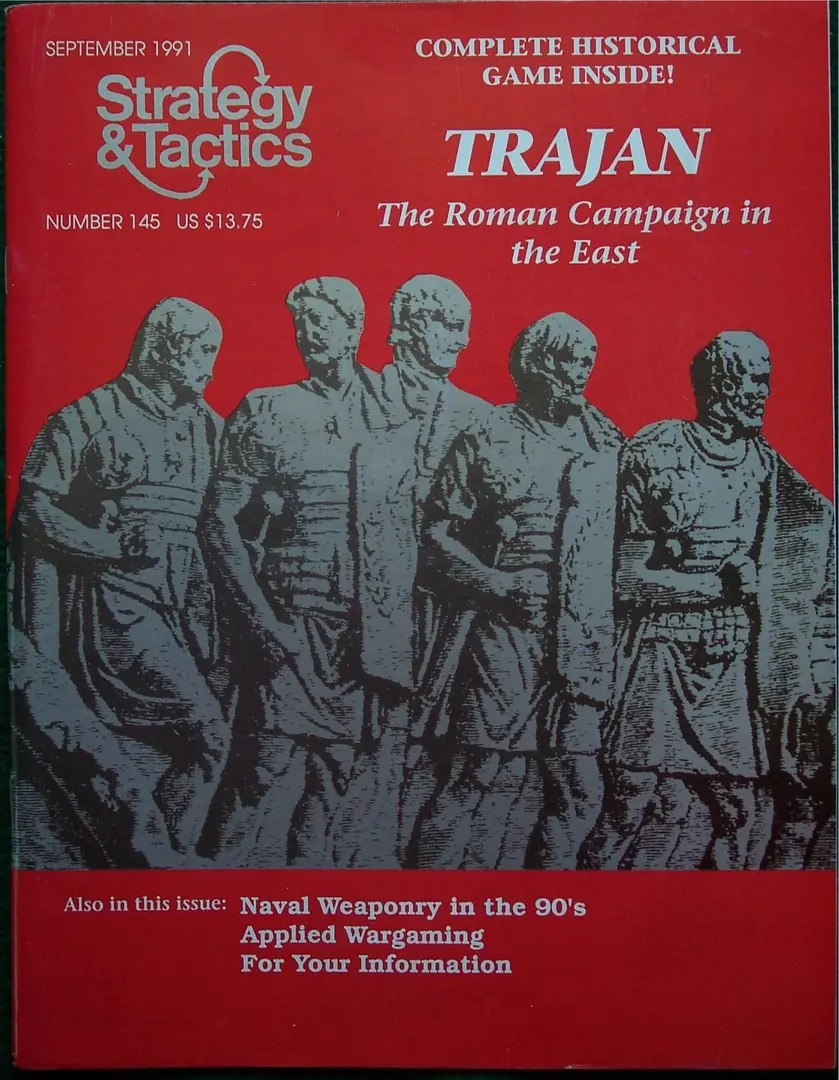
Trajan
- 2 players
- 180 min
- Complexity 3.2/5
- 1991
2022
Rules assistance for First Punic War 264 to 241 BC
Plain-language explanations of turns, card effects and disputed situations, with official source references and saved question history.
For 2 players
What would you like to know?
Answers come from the official rulebook, with the page to check.
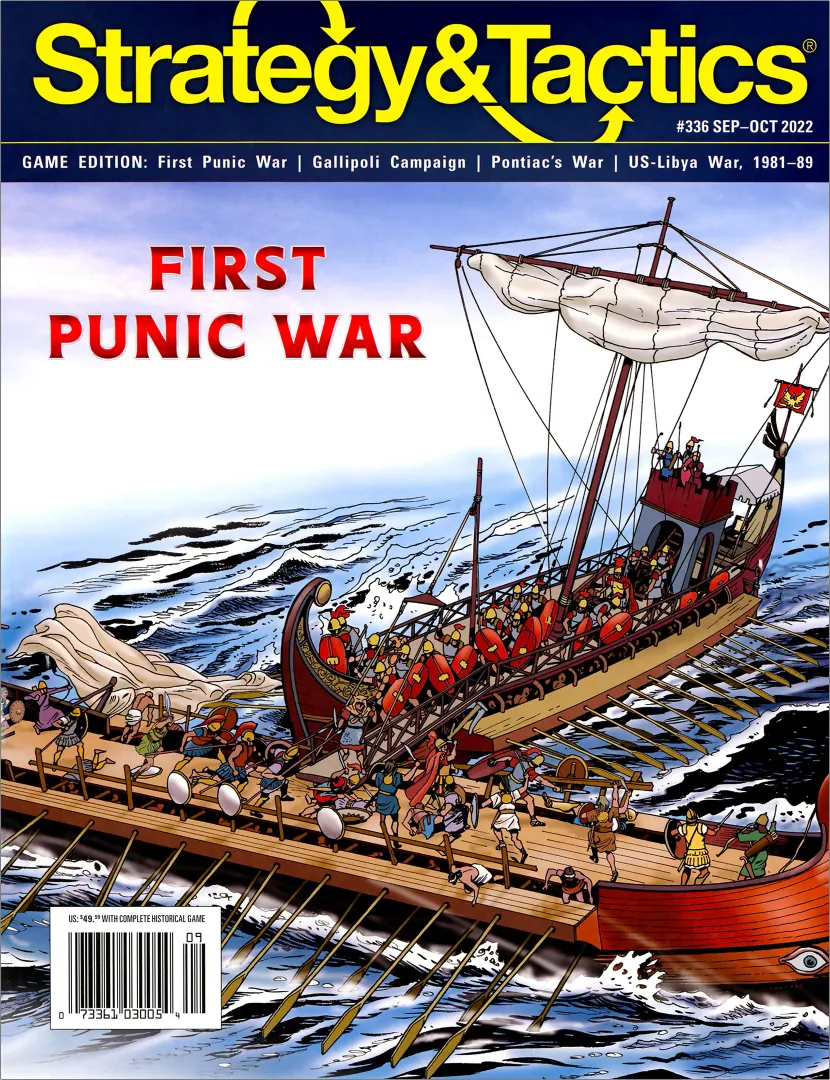
First Punic War 264 to 241 BC is a board game released in 2022 for 2 players. It was designed by Joseph Miranda and its main mechanics are Dice Rolling and Hexagon Grid.

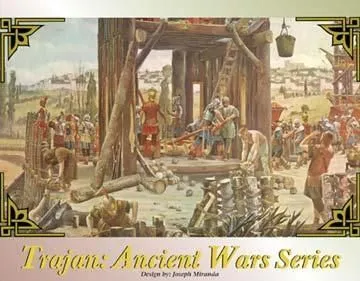

First Punic War 264 to 241 BC is a two-player wargame of the first great military clash between the Roman Republic and the Carthaginian Empire, spanning 24 years in the 3rd century BC. At this time, Rome controlled a federation of states in Italy, while Carthage was the major power of the Western Mediterranean. The war was centered around the island of Sicily, but also saw campaigns in Sardinia and North Africa, with the possibility for more operations elsewhere around the region. Each game turn (GT) represents three years. Each hex is 40 miles across. Roman combat units represent legions plus attached cavalry (4000 to 5000 men) and groupings of auxiliaries (1000 or more men). Carthaginian units represent groups of various troop types representing 1000 to 10,000 men. Naval units represent about 50 warships each. Leaders represent an inspirational to competent commander plus a guard. Components: One 22 x 34-inch game map, 176 5/8-inch counters. Published in S&T #336
First Punic War 264 to 241 BC supports 2 players according to the catalogue. This is the publisher’s listed player count, so the game is designed for exactly that number of participants. Variants for other group sizes, if any, are described in the rulebook of your edition, so check it before setting up a different configuration.
First Punic War 264 to 241 BC has a complexity rating of 2.7 out of 5 from BoardGameGeek players, which makes it a medium-light game. The rating reflects how much rules knowledge, planning and decision-making a typical game demands. Expect a longer first teach for heavier games, and use a preparation guide before game night.
First Punic War 264 to 241 BC belongs to these categories: Wargame and Ancient. Its main mechanics are Dice Rolling and Hexagon Grid. Categories describe the theme and setting of a game, while mechanics describe what players actually do on their turns. Each mechanic links to a catalogue hub with similar games, which helps when you want something comparable.
The credited designers of First Punic War 264 to 241 BC are: Joseph Miranda. These credits come from the published game data and name the people responsible for the game’s design, not its illustrators or publishers. Designer pages on MeepleRules collect other titles by the same designers, which helps when you enjoy a game and want to find similar ones.
The catalogue lists First Punic War 264 to 241 BC as a base game. It can be played on its own with the components in the box and does not require any other title. Expansions, if any exist, add new content or rules on top of it and are listed separately in the catalogue with a link back to this base game.