
- BGG rating
- 7.6
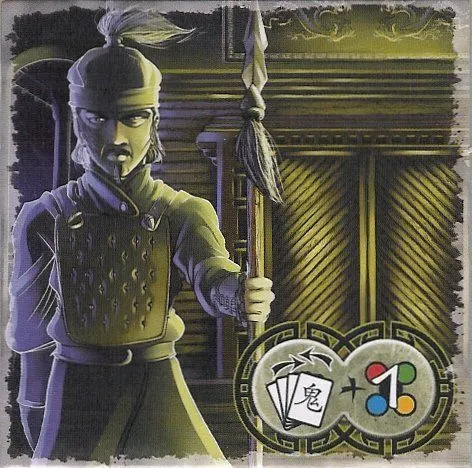
Ghost Stories: Guard Tower
- 1–4 players
- Complexity 2.9/5
- 2008
2008
Rules assistance for Ghost Stories
Plain-language explanations of turns, card effects and disputed situations, with official source references and saved question history.
For 1 player
What would you like to know?
Answers come from the official rulebook, with the page to check.
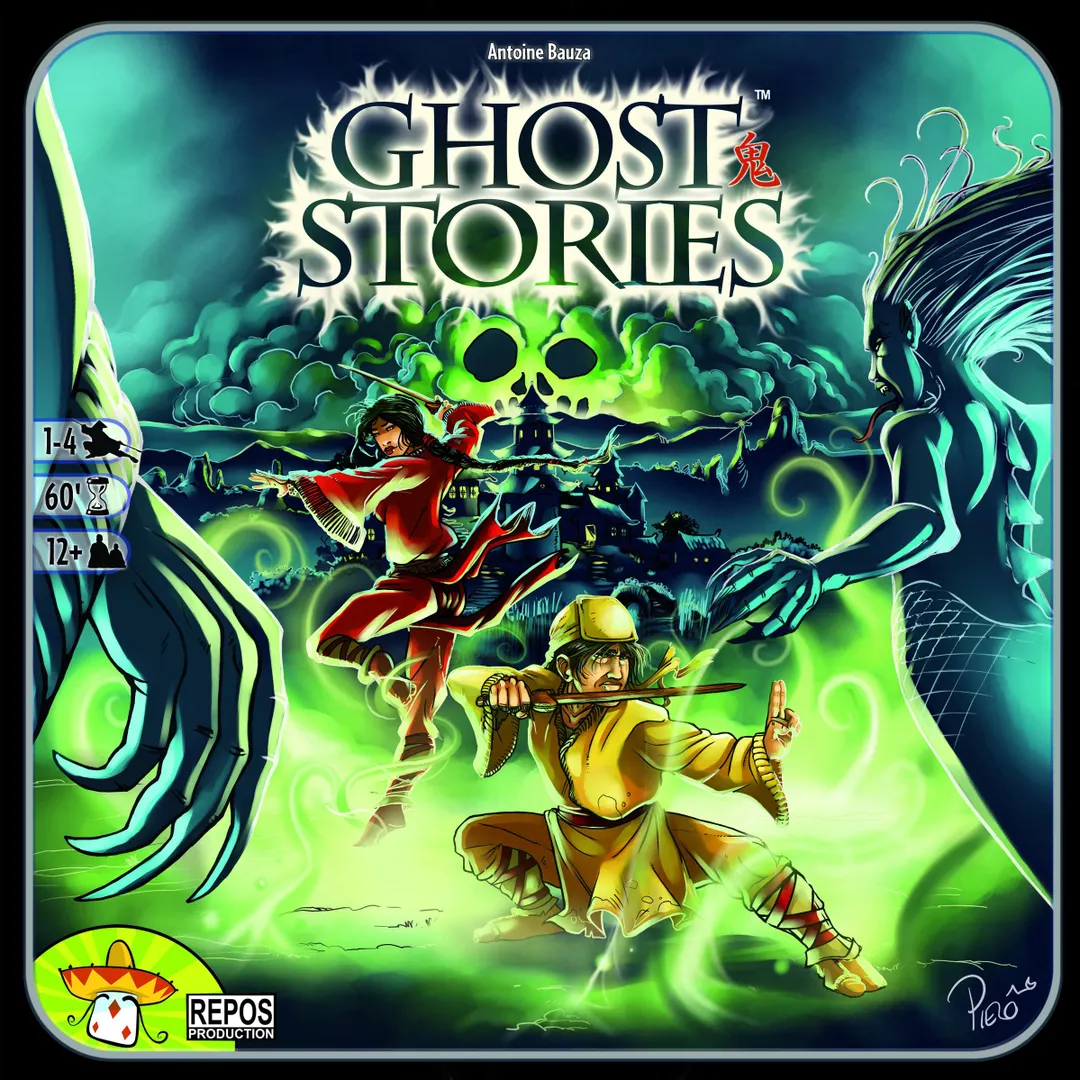
Ghost Stories is a board game released in 2008 for 1–4 players, 60 minutes per game, and ages 12 and up. It was designed by Antoine Bauza and its main mechanics are Variable Player Powers, Dice Rolling, and Grid Movement.
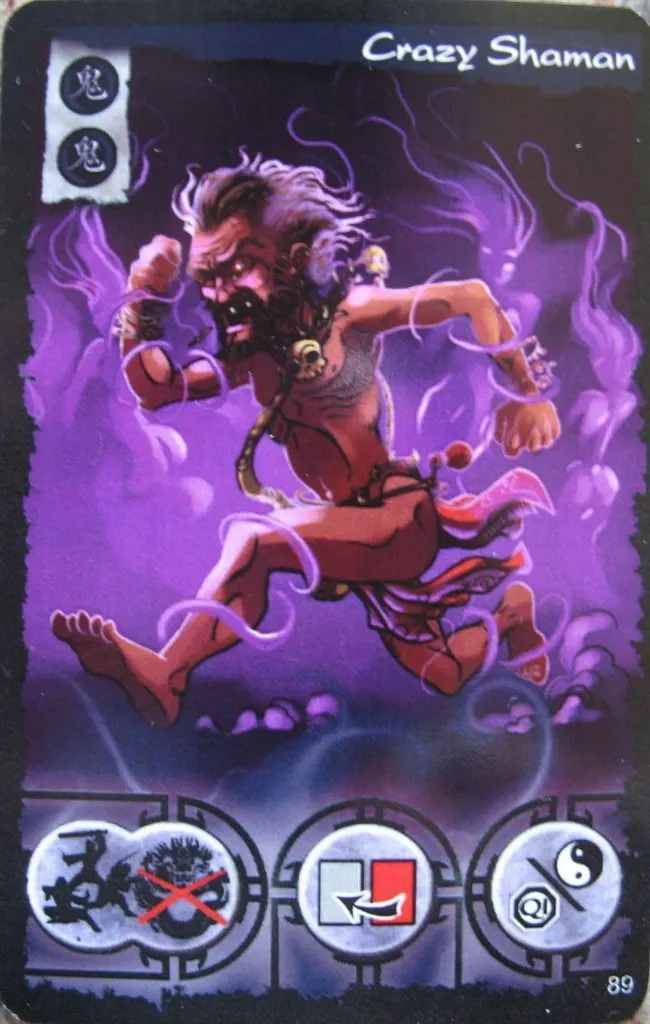
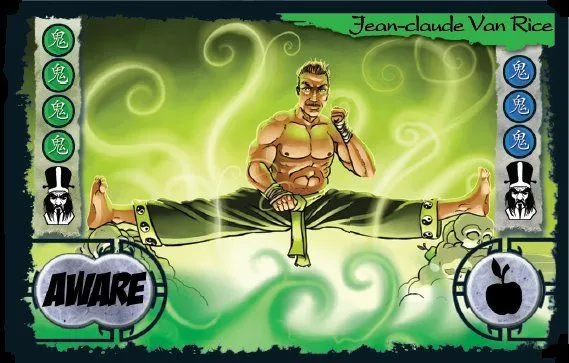
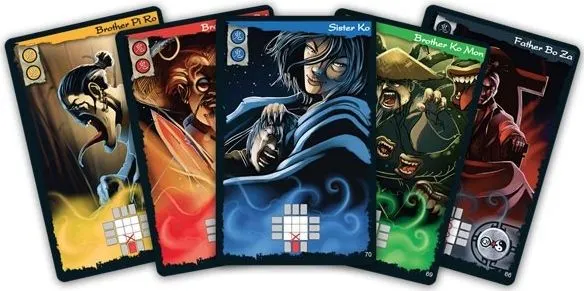


Ghost Stories is a cooperative game in which the players protect the village from incarnations of the lord of hell – Wu-Feng – and his legions of ghosts before they haunt a town and recover the ashes that will allow him to return to life. Each Player represents a Taoist monk working together with the others to fight off waves of ghosts. The players, using teamwork, will have to exorcise the ghosts that appear during the course of the game. At the beginning of his turn, a player brings a ghost into play and places it on a free spot, and more than one can come in at the same time. The ghosts all have abilities of their own – some affecting the Taoists and their powers, some causing the active player to roll the curse die for a random effect, and others haunting the villager tiles and blocking that tile's special action. On his turn, a Taoist can move on a tile in order to exorcise adjacent ghosts or to benefit from the villager living on the tile, providing it is not haunted. Each tile of the village allows the players to benefit from a different bonus. With the cemetery, for example, Taoists can bring a dead Taoist back to life, while the herbalist allows to recover spent Tao tokens, etc. It will also be possible to get traps or move ghosts or unhaunt other village tiles. To exorcise a ghost, the Taoist rolls three Tao dice with different colors: red, blue, green, yellow, black, and white. If the result of the roll matches the color(s) of the ghost or incarnation of Wu-Feng, the exorcism succeeds. The white result is a wild color that can be used as any color. For example, to exorcise a green ghost with 3 resistance, you need to roll three green, three white, or a combination of both. If your die rolls fall short, you can also use Tao tokens that match the color in addition to your roll. You may choose to use these after your roll. Taoists gain these tokens by using certain village tiles or by exorcising certain ghosts. One of the Taoists has a power that allows him to receive such a token once per turn. To win, the players must defeat the incarnation of Wu-Feng, a boss who arrives at the end of the game. There are also harder difficulty levels that add more incarnations of Wu-Feng, in which to win, you must defeat all of them. There are many more ways to lose, however. The players lose if three of the village's tiles are haunted, if the draw pile is emptied while the incarnation of Wu-Feng is still in play, or if all the priests are dead.
Ghost Stories supports 1–4 players according to the catalogue. This range comes from the publisher’s listed player count, so the game can be set up for any group size within it. Some setups, rules and scoring details may still vary by player count, so check your edition’s rulebook for the exact configuration.
The listed playing time for Ghost Stories is 60 minutes. This is the publisher’s estimate for a full game. The actual duration depends on the group, the player count and familiarity with the rules: first sessions usually run longer, while experienced groups often finish faster. Setup and teaching time are not included in this estimate.
The catalogue lists Ghost Stories for ages 12 and up. This is the publisher’s recommendation and reflects reading demands, rule complexity and small components rather than theme alone. Younger players can often join with help from an adult, so check the age guidance on your edition and consider your group’s experience with board games.
Ghost Stories has a complexity rating of 2.9 out of 5 from BoardGameGeek players, which makes it a medium-light game. The rating reflects how much rules knowledge, planning and decision-making a typical game demands. Expect a longer first teach for heavier games, and use a preparation guide before game night.
Ghost Stories belongs to these categories: Fantasy, Fighting, and Horror. Its main mechanics are Variable Player Powers, Dice Rolling, and Grid Movement. Categories describe the theme and setting of a game, while mechanics describe what players actually do on their turns. Each mechanic links to a catalogue hub with similar games, which helps when you want something comparable.
The credited designers of Ghost Stories are: Antoine Bauza. These credits come from the published game data and name the people responsible for the game’s design, not its illustrators or publishers. Designer pages on MeepleRules collect other titles by the same designers, which helps when you enjoy a game and want to find similar ones.
The catalogue lists Ghost Stories as a base game. It can be played on its own with the components in the box and does not require any other title. Expansions, if any exist, add new content or rules on top of it and are listed separately in the catalogue with a link back to this base game.