
- BGG rank
- BGG #24,116
- BGG rating
- 6.3
Salt & Sail
- 2–5 players
- 60–90 min
- Complexity 2.0/5
- 2021

Rules assistance for Glyph: Destruction Dice
Plain-language explanations of turns, card effects and disputed situations, with official source references and saved question history.
What would you like to know?
Answers come from the official rulebook, with the page to check.
Glyph: Destruction Dice is an expansion for Glyph released in 2018 for 2–6 players, 90–120 minutes per game, and ages 12 and up. It was designed by Justin Potter and its main mechanics are Variable Player Powers, Push Your Luck, and Dice Rolling.
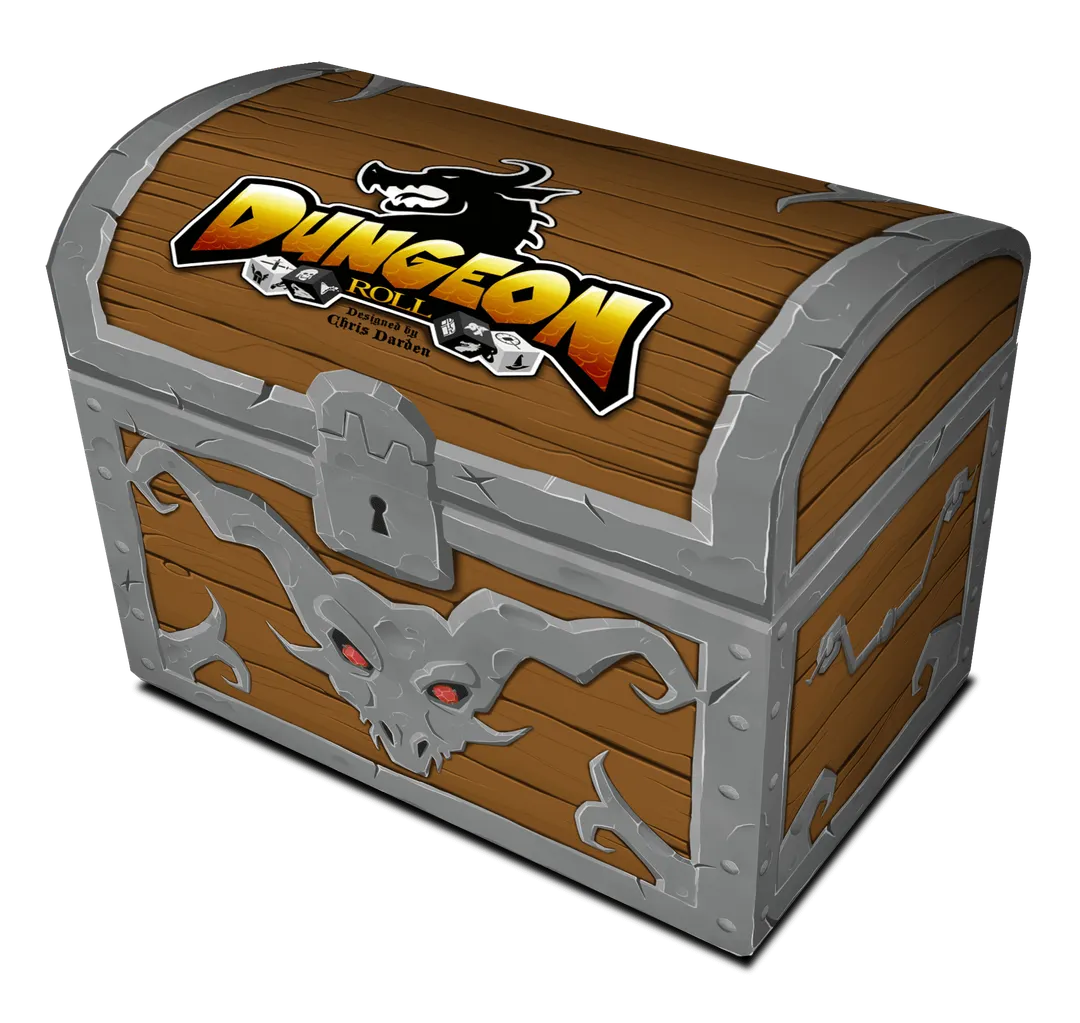
Tucked away in the corner of the tribe’s archives, a dusty tome has been discovered. In it, scholars have come across what had only been legend: a new method of harnessing the power of the glyphs. Why had this tome been hidden away? Unfortunately, the scholars learned the answer to their question much too late, and cursed they ever found the tome… The Glyph of Destruction is a new glyph in the land of Tundrus. This glyph, as the name suggests, is not to be trifled with. The new method of harnessing the glyphs has remarkable power: Players are able to generate doubles of any glyph they desire with ease. But such power comes at a cost. In rare instances, the method doesn’t generate the desired glyph, but instead forms an entirely new glyph. A glyph that eradicates the power the player once had. During a champion’s REPLENISH phase, players may elect to temporarily substitute active dice for one or more of five black dice. Each of these dice specialize in one of the five other glyphs. Four of the sides have a double-glyph of the die’s specialization. Be warned, however, for the other two sides have the Destruction Glyph. Any time the Destruction Glyph is rolled, the die is immediately locked in (can’t be rerolled), and the original die that was substituted for the black die is trashed. Once the black die has performed its function that activation, it is returned to the general stock and players regain the die that was substituted (assuming it wasn’t destroyed).
Glyph: Destruction Dice supports 2–6 players according to the catalogue. This range comes from the publisher’s listed player count, so the game can be set up for any group size within it. Some setups, rules and scoring details may still vary by player count, so check your edition’s rulebook for the exact configuration.
The listed playing time for Glyph: Destruction Dice is 90–120 minutes. This is the publisher’s estimate for a full game. The actual duration depends on the group, the player count and familiarity with the rules: first sessions usually run longer, while experienced groups often finish faster. Setup and teaching time are not included in this estimate.
The catalogue lists Glyph: Destruction Dice for ages 12 and up. This is the publisher’s recommendation and reflects reading demands, rule complexity and small components rather than theme alone. Younger players can often join with help from an adult, so check the age guidance on your edition and consider your group’s experience with board games.
Glyph: Destruction Dice belongs to these categories: Fantasy, Fighting, and Dice. Its main mechanics are Variable Player Powers, Push Your Luck, and Dice Rolling. Categories describe the theme and setting of a game, while mechanics describe what players actually do on their turns. Each mechanic links to a catalogue hub with similar games, which helps when you want something comparable.
The credited designers of Glyph: Destruction Dice are: Justin Potter. These credits come from the published game data and name the people responsible for the game’s design, not its illustrators or publishers. Designer pages on MeepleRules collect other titles by the same designers, which helps when you enjoy a game and want to find similar ones.
The catalogue lists Glyph: Destruction Dice as an expansion for Glyph. Expansions add new content, rules or scenarios to the base game and usually cannot be played on their own, so you need Glyph to use it. Check that your edition of Glyph is compatible, as some expansions were revised between editions.