
- BGG rank
- BGG #1,083
- BGG rating
- 7.0
Spyrium
2–5 players75 min2013
Complexity 2.9/5

2026
Rules assistance for Greylune
Plain-language explanations of turns, card effects and disputed situations, with official source references and saved question history.
What would you like to know?
Answers come from the official rulebook, with the page to check.
Finish with the most Victory Points after five years; tied players share the win.
About 12 min · 9 steps
Step 1 of 9
No. After entering Summer, you cannot return to Spring that year.
Yes, but pay one extra coin for each other Villager beside that card. Buildings have no printed price.
Move it from Active Villagers to the Campsite. It returns to Active Villagers during Autumn.
Yes, if you meet both requirements at the start of resolution. Declare which requirements you intend to fulfill.
No. Used cards move to Told Stories and cannot be reused for stories.
Each Companion reduces Autumn income by one coin.
No. Reaching eight or twenty points during final scoring does not earn a Bonus token.
Greylune is a board game released in 2026 for 2–4 players, 45–90 minutes per game, and ages 14 and up. It was designed by William Attia and its main mechanics are Events, Worker Placement, and Auction: Dutch Priority. MeepleRules offers a rules assistant for Greylune that explains turns, card effects and disputed situations in plain language.
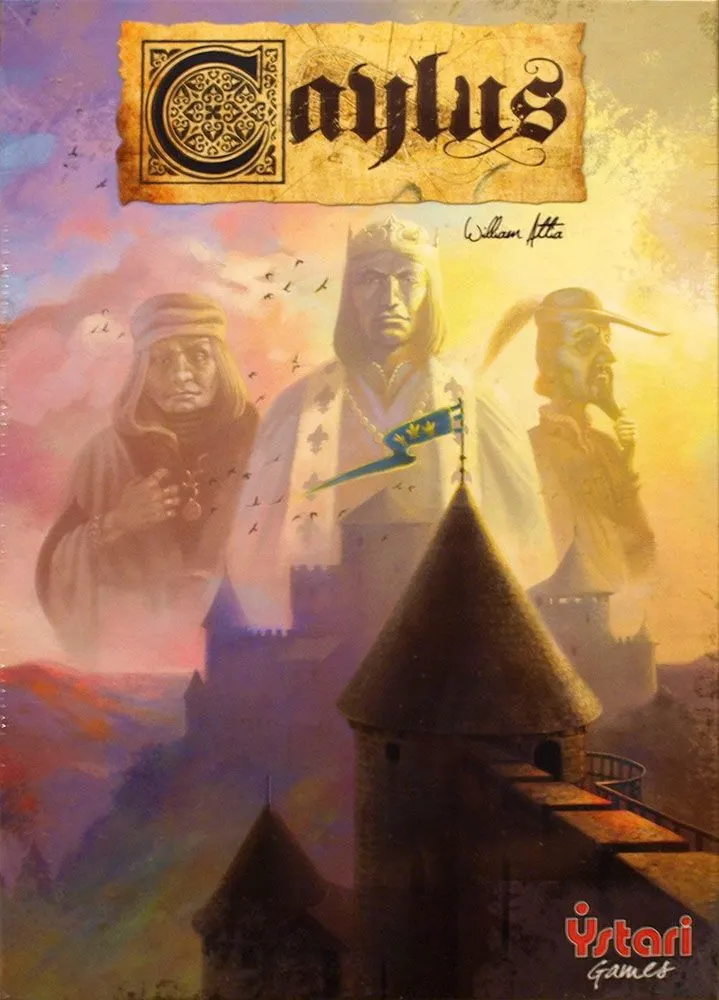
2–5 players60–150 min2005

2–5 players60–90 min2019
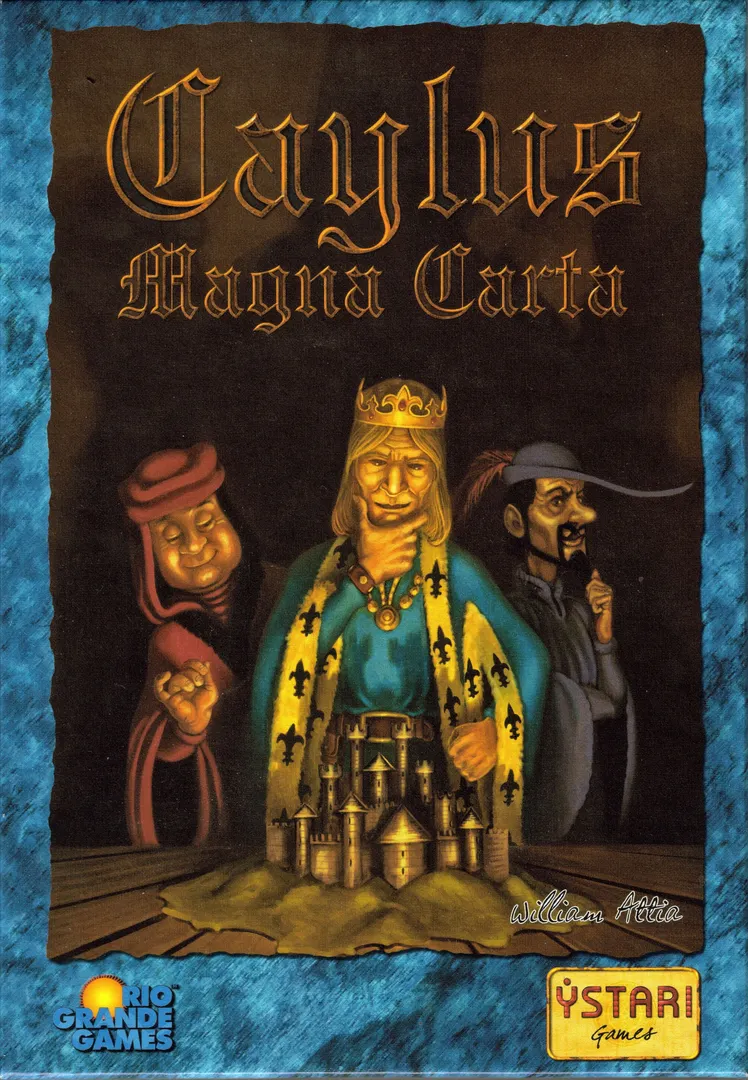
2–4 players45–75 min2007

2–5 players45 min2010

1–6 players15–20 min2023
2–6 players15 min2011

3–5 players30 min2007

2–5 players120 min2012

2–5 players45–90 min2016

2–5 players20–40 min2016

1–4 players60–120 min2023
Greylune is a strategic game combining worker placement and role playing adventure, set in a rich and captivating medieval fantasy world. Skillfully manage your villagers by placing them between the cards that form the city of Greylune, then remove them at the right moment to gather resources, recruit companions, acquire items, and visit important locations. First and foremost, it's a game about timing! Your goal is to become the most prestigious figure in Greylune by earning the most Victory Points (VP) at the end of five rounds of play. A game of Greylune is played over 5 rounds (called years) divided into 3 time periods. Each year is divided into 4 seasons, and each season allows players to perform different actions. Some players may be in Summer or Autumn while others are still in Spring. Each player chooses actions based on their own season, independently of opponents. Winter: This is the setup phase and the transition from one year to the next. Spring: Players can place their villagers in the streets of Greylune or participate in the annual event. Summer: During this season, players can remove their villagers from Greylune to earn coins, buy an Item, recruit a Companion, or use the services of one of the city’s Buildings. Fall: this is when players take their turn and wait for other players before moving on to the next year. —description from the publisher
Use the rules assistant for Greylune to describe a turn, card effect or disputed situation. Get a plain-language explanation with official source references, then return to the question in your saved history. Select your edition when available so the sources match your game.
Ask about the rulesGreylune supports 2–4 players according to the catalogue. This range comes from the publisher’s listed player count, so the game can be set up for any group size within it. Some setups, rules and scoring details may still vary by player count, so check your edition’s rulebook for the exact configuration.
The listed playing time for Greylune is 45–90 minutes. This is the publisher’s estimate for a full game. The actual duration depends on the group, the player count and familiarity with the rules: first sessions usually run longer, while experienced groups often finish faster. Setup and teaching time are not included in this estimate.
The catalogue lists Greylune for ages 14 and up. This is the publisher’s recommendation and reflects reading demands, rule complexity and small components rather than theme alone. Younger players can often join with help from an adult, so check the age guidance on your edition and consider your group’s experience with board games.
Greylune has a complexity rating of 3.0 out of 5 from BoardGameGeek players, which makes it a medium-weight game. The rating reflects how much rules knowledge, planning and decision-making a typical game demands. Expect a longer first teach for heavier games, and use a preparation guide before game night.
Greylune belongs to these categories: Fantasy and Medieval. Its main mechanics are Events, Worker Placement, and Auction: Dutch Priority. Categories describe the theme and setting of a game, while mechanics describe what players actually do on their turns. Each mechanic links to a catalogue hub with similar games, which helps when you want something comparable.
The credited designers of Greylune are: William Attia. These credits come from the published game data and name the people responsible for the game’s design, not its illustrators or publishers. Designer pages on MeepleRules collect other titles by the same designers, which helps when you enjoy a game and want to find similar ones.
The catalogue lists Greylune as a base game. It can be played on its own with the components in the box and does not require any other title. Expansions, if any exist, add new content or rules on top of it and are listed separately in the catalogue with a link back to this base game.
