
- BGG rank
- BGG #411
- BGG rating
- 7.4
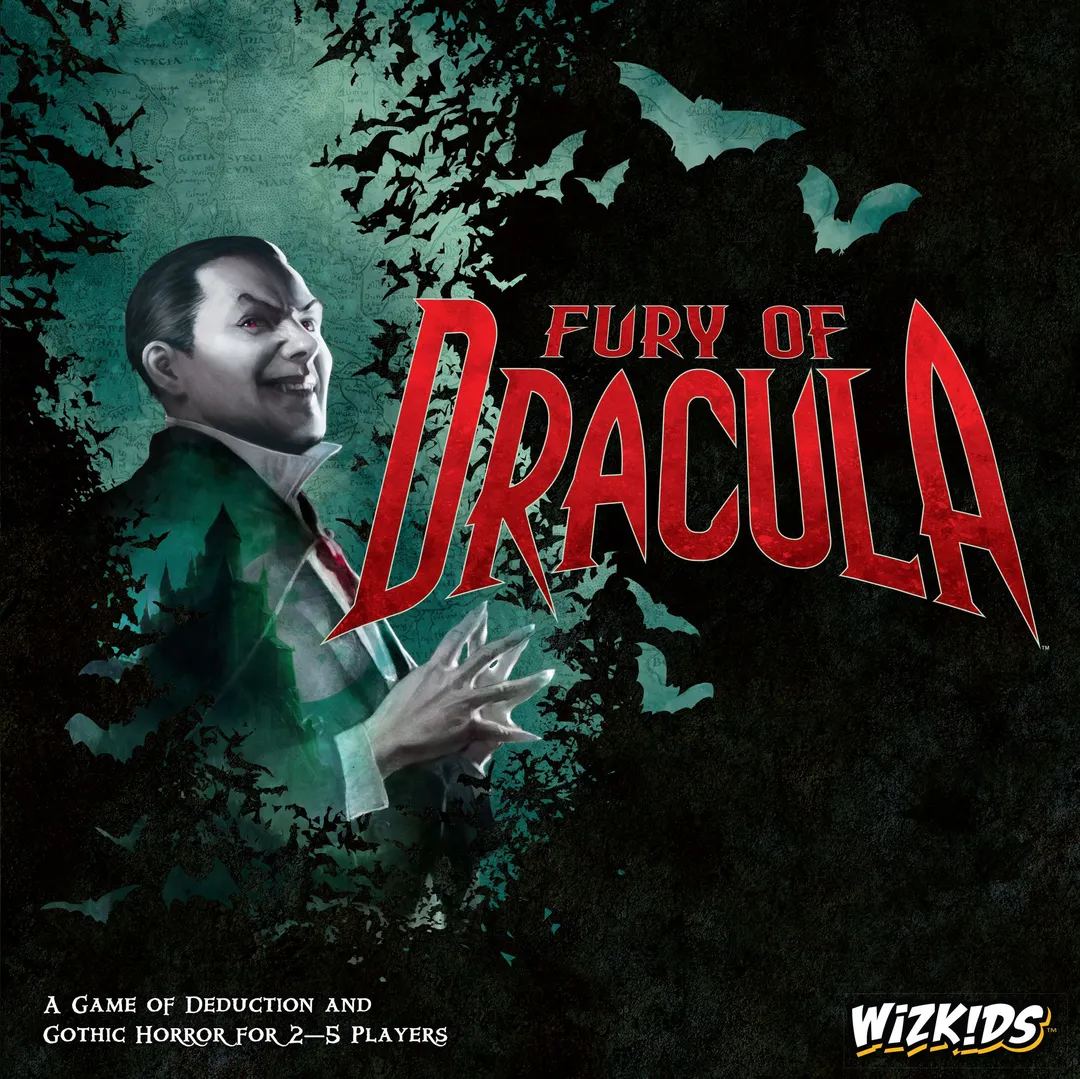
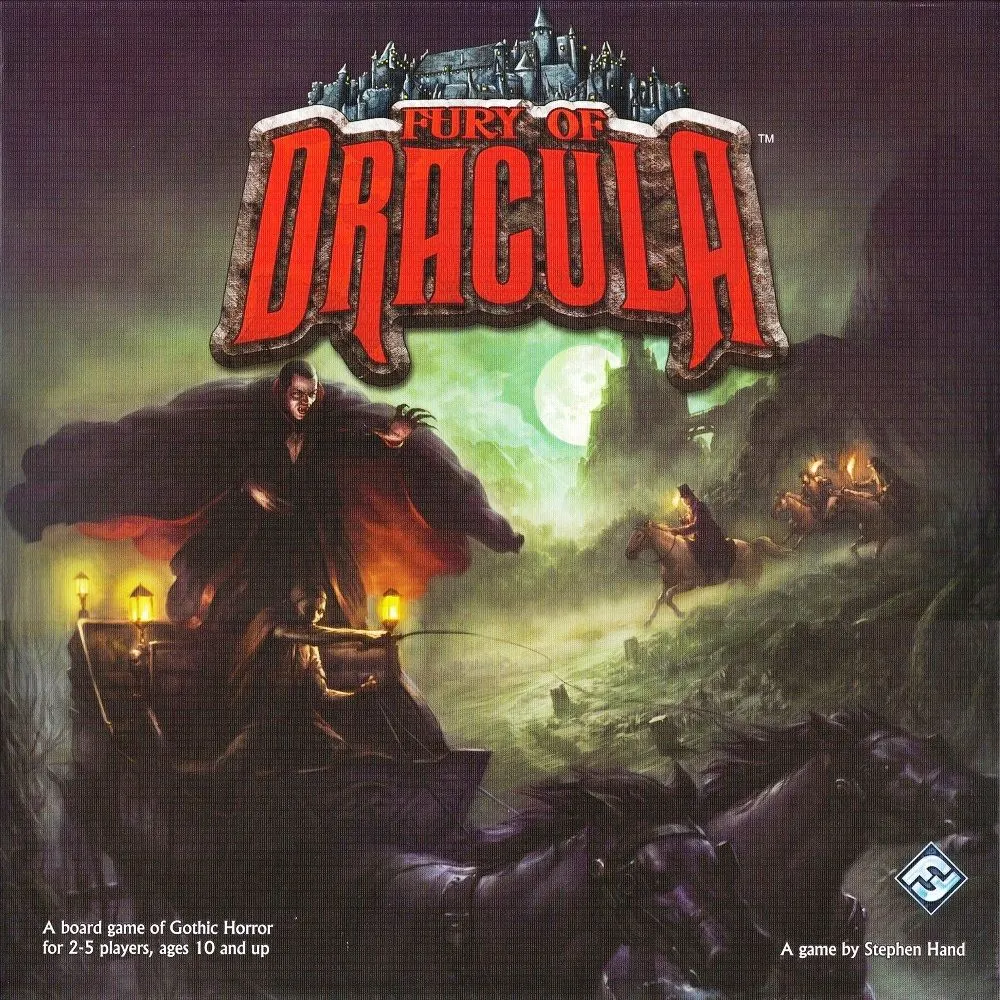
Fury of Dracula (Third/Fourth Edition)
- 2–5 players
- 120–180 min
- Complexity 3.3/5
- 2015
2016
Rules assistance for Hako Onna
Plain-language explanations of turns, card effects and disputed situations, with official source references and saved question history.
For 3 players
What would you like to know?
Answers come from the official rulebook, with the page to check.
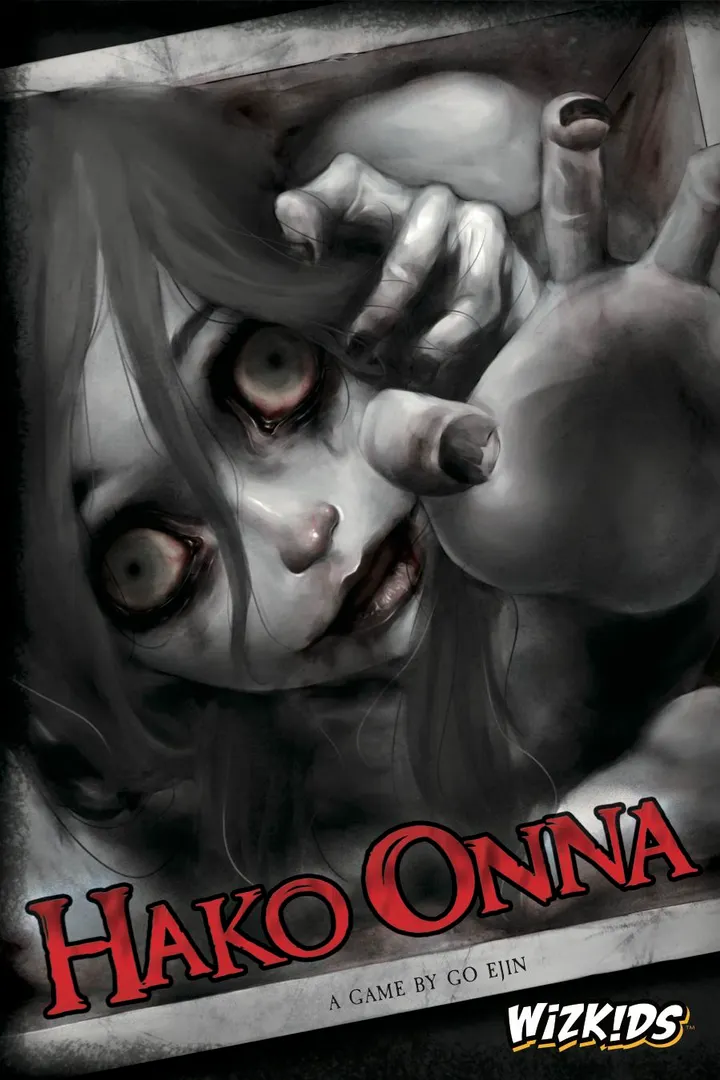
Hako Onna is a board game released in 2016 for 3–5 players, 90–120 minutes per game, and ages 10 and up. It was designed by 江神 号 (Go Ejin) and its main mechanics are Variable Player Powers, Point to Point Movement, and Secret Unit Deployment.
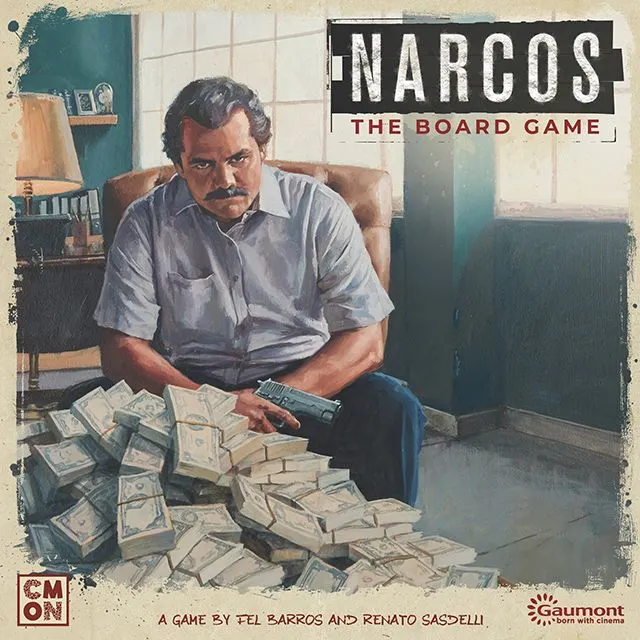
Hako Onna is a game of horror hide-and-seek. One player plays the “Hako Onna” (the Woman in the Box), and the rest are “Visitors”, who are trying to escape from the mansion. As Visitors, you’ll try not to make noise as you search the shadowy rooms of the mansion for items to protect yourself, for information, and for a way to escape what you do not see, but know is there. But if you stumble upon the Hako Onna, you’re dead. Players who discover the Hako Onna become a Hakobito, one of her servants, and wake up with her to move throughout the house. During most of Hako Onna's turn, the human players must keep their eyes closed so they cannot see where she moves to or what action she has done. The game also features a unique optional dexterity element that adds to the game's overall tension and dread. Before a visitor can take their turn, they need to avoid making noise by stacking a small disc on top the previous ones; if the tower collapses, they've made noise and it instantly becomes Hako Onna's turn. Hako Onna can win the game in two ways: If all visitors are turned into Hakobito, or If she has made it impossible for the visitors to win. The human players can win in one of three ways: If they manage to kill Hako Onna after finding her only weakness, If they find the secret exit, while in posession of the key ring hidden inside the safe, or If they can bring peace to Hako Onna by bringing the remains of her body to her precious doll, Mary. Since its original publication in Japanese, Hako Onna has reached its fourth edition, and has been republished in English by WizKids. The English edition features all-new cards for players to use as they experience the thrilling horror of this thematically-rich game. ••• ジャパニーズ・ホラーをテーマとした非対称対戦&協力型脱出ゲーム。 館に潜む怨霊「箱女」と、館を訪れた訪問者に分かれてゲームを行います。 箱女を見つけてしまうと訪問者は死亡し、ハコオンナの眷属、箱人となってしまいます。訪問者全員が箱人になってしまえば箱女プレイヤーの勝ち、訪問者全員が箱人になる前に3つの勝利条件のいずれかを達成できれば訪問者プレイヤーの勝利となります。
Hako Onna supports 3–5 players according to the catalogue. This range comes from the publisher’s listed player count, so the game can be set up for any group size within it. Some setups, rules and scoring details may still vary by player count, so check your edition’s rulebook for the exact configuration.
The listed playing time for Hako Onna is 90–120 minutes. This is the publisher’s estimate for a full game. The actual duration depends on the group, the player count and familiarity with the rules: first sessions usually run longer, while experienced groups often finish faster. Setup and teaching time are not included in this estimate.
The catalogue lists Hako Onna for ages 10 and up. This is the publisher’s recommendation and reflects reading demands, rule complexity and small components rather than theme alone. Younger players can often join with help from an adult, so check the age guidance on your edition and consider your group’s experience with board games.
Hako Onna has a complexity rating of 2.7 out of 5 from BoardGameGeek players, which makes it a medium-light game. The rating reflects how much rules knowledge, planning and decision-making a typical game demands. Expect a longer first teach for heavier games, and use a preparation guide before game night.
Hako Onna belongs to these categories: Deduction, Horror, and Action / Dexterity. Its main mechanics are Variable Player Powers, Point to Point Movement, and Secret Unit Deployment. Categories describe the theme and setting of a game, while mechanics describe what players actually do on their turns. Each mechanic links to a catalogue hub with similar games, which helps when you want something comparable.
The credited designers of Hako Onna are: 江神 号 (Go Ejin). These credits come from the published game data and name the people responsible for the game’s design, not its illustrators or publishers. Designer pages on MeepleRules collect other titles by the same designers, which helps when you enjoy a game and want to find similar ones.
The catalogue lists Hako Onna as a base game. It can be played on its own with the components in the box and does not require any other title. Expansions, if any exist, add new content or rules on top of it and are listed separately in the catalogue with a link back to this base game.